admin
admin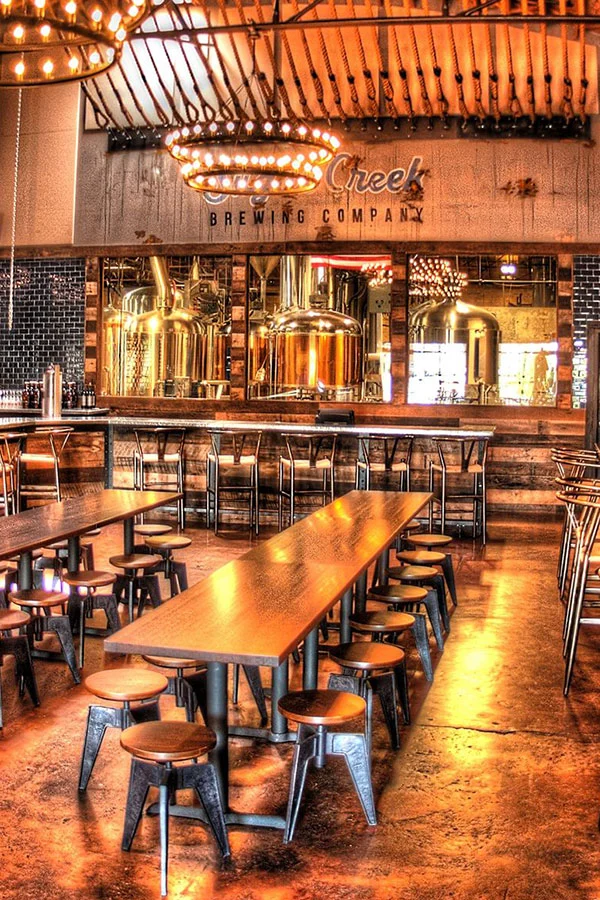
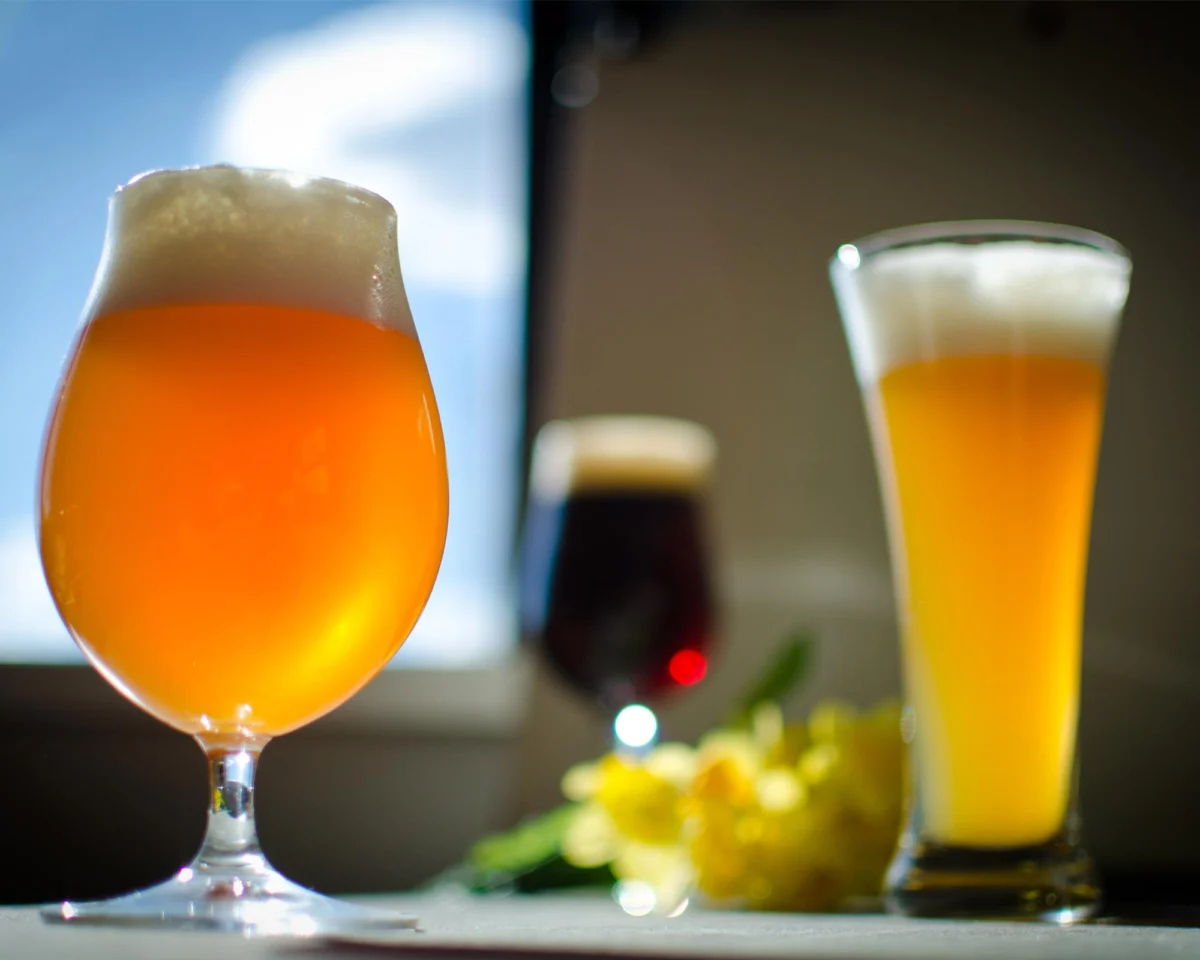
The integration of artificial intelligence into the global economy has moved with a velocity rarely seen in previous industrial revolutions, transitioning from a niche academic pursuit to a foundational pillar of modern infrastructure within a single decade. While early public discourse surrounding AI focused heavily on its role in white-collar automation, academic research, and the creative arts, the technology has quietly infiltrated the manufacturing and artisanal sectors. In the United States, the craft beer industry—a sector traditionally defined by its emphasis on human touch, manual labor, and "old-world" fermentation techniques—is currently undergoing a digital transformation. From the precision-focused monitoring of packaging lines in North Carolina to the algorithmic generation of complex recipes in Massachusetts and Michigan, artificial intelligence is no longer a futuristic concept for brewers; it is a functional tool being used to solve modern economic and creative challenges.
The Operational Shift: Efficiency and Quality Control
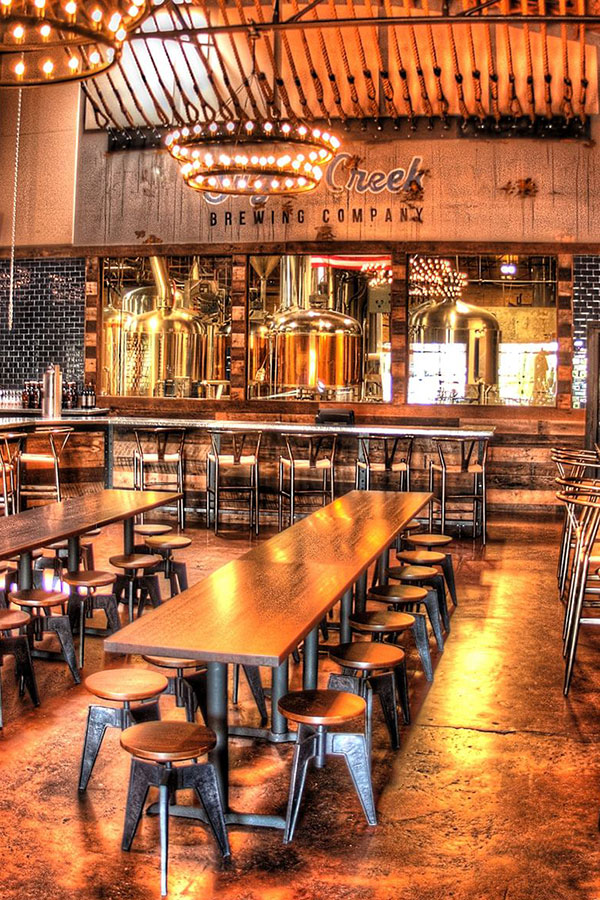
The primary driver for AI adoption in any manufacturing sector is the optimization of resources and the reduction of waste. For craft breweries, which operate on notoriously thin margins compared to multinational conglomerates, even minor efficiencies can result in significant annual savings. Sugar Creek Brewing Company, located in Charlotte, North Carolina, has become a pioneer in this space by implementing an AI-driven network of sensors and devices to monitor the packaging process.
Packaging is often the most volatile stage of beer production. Factors such as fluctuating temperatures, inconsistent fill levels, and excessive foam (known in the industry as "fobbing") can lead to significant product loss. By utilizing AI to analyze real-time data from the bottling and canning lines, Sugar Creek can identify the precise moment a mechanical deviation occurs. This proactive approach to quality control ensures that the final product remains consistent, reducing the volume of discarded beer and maximizing the yield of every batch. This application represents the "Internet of Things" (IoT) meeting the brewery floor, creating a feedback loop that allows human operators to focus on higher-level tasks while the algorithm handles the granular monitoring of fluid dynamics.
Algorithmic Alchemy: The Rise of the AI-PA
Beyond the logistical benefits of AI, a new cohort of brewers is exploring the technology’s potential to disrupt the creative process. Traditionally, recipe development is a labor-intensive endeavor involving months of trial and error, historical research, and sensory analysis. However, large language models (LLMs) like OpenAI’s ChatGPT have demonstrated an ability to synthesize vast amounts of brewing data to produce viable recipes in seconds.
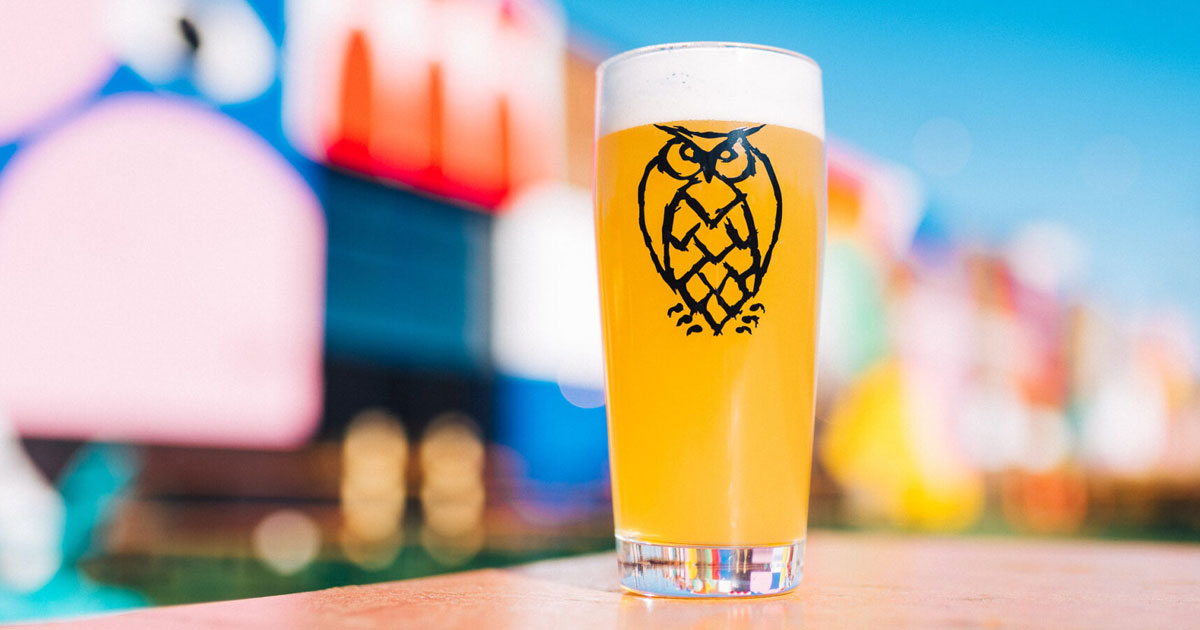
Michael Oxton, co-founder of Night Shift Brewing in Boston, recently utilized ChatGPT to develop a Hazy IPA. The model was tasked with not only selecting a hop bill and grain profile but also calculating a specific water chemistry profile—a task that typically requires deep expertise in mineral composition and its effect on yeast health and hop perception. Oxton noted that while a human team might spend weeks researching and testing a new water profile, the AI provided a scientifically sound starting point almost instantaneously. The resulting beer, dubbed the "AI-PA," featured a complex flavor profile of mango, watermelon, and citrus.
This trend is not isolated to the East Coast. In Detroit, Atwater Brewing has experimented with AI-generated formulations, as has Asbury Park Brewery in New Jersey. In Rockford, Illinois, Urban Forest Craft Brewing released "Put the AI in sAIson," a play on words that highlights the industry’s growing fascination with algorithmic experimentation. These projects serve as a proof of concept: AI can understand the "grammar" of a beer style—the specific ratios of alpha acids to residual sugars—and propose combinations that a human brewer might overlook due to traditional biases.
Case Study: Species X and the Data-Driven Brew
While many breweries use off-the-shelf AI models, some have moved toward proprietary development. The now-closed Species X Beer Project, founded by Beau Warren, represented perhaps the most sophisticated intersection of data science and fermentation. Warren, who possessed a background in both beer microbiology and data analytics, developed seven distinct AI models to manage what he called the "Silicon Species"—beers designed entirely by code.
Warren’s approach utilized a combination of regression models and neural networks. These models were trained on proprietary data sets including water chemistry, yeast performance metrics, hop oil compositions, and historical recipe success rates. Crucially, Warren integrated consumer feedback and internal sensory reviews into the training data, allowing the AI to learn which chemical profiles correlated with high ratings and repeat purchases.
The results often defied traditional brewing logic. One notable creation was an amber lager brewed with 100% Maris Otter malt—a grain usually reserved for heavy British ales and stouts. Another was an imperial pastry Baltic porter that combined twelve different malts with coffee, vanilla, marshmallows, lactose, and three types of fruit, before being dry-hopped in the style of a New England IPA. Warren observed that these recipes were often "out of left field," ignoring the stylistic "guardrails" that human brewers subconsciously follow. This suggests that AI’s greatest contribution to the craft may be its ability to "unlearn" tradition, pushing the boundaries of what consumers expect from a pint of beer.
The Microbiology of Data: AI in the Laboratory
The influence of AI extends into the microscopic foundations of brewing: yeast management. Propagate Lab, a Colorado-based yeast propagation facility, introduced a chatbot named "Yeast Buddy" to assist brewers in navigating the complexities of fungal biology. With over 120 yeast strains available in their database, selecting the optimal organism for a specific flavor profile can be a daunting task for even experienced brewers.
Matthew Peetz, founder of Propagate Lab, likens the tool to an automated library catalog. By inputting desired parameters such as attenuation, flocculation, and ester production, brewers can discover strains they might otherwise have ignored. This prevents the industry-wide tendency to default to "safe" or "standard" yeast strains, such as the ubiquitous Chico strain (US-05). By lowering the barrier to entry for complex microbiology, AI is effectively democratizing access to diverse flavor profiles, allowing smaller breweries to compete with the research and development departments of much larger entities.
The Economic Context: Innovation Born of Necessity
The pivot toward AI comes at a critical juncture for the American craft beer industry. Following a decade of explosive growth, the market has reached a point of saturation. According to data from the Brewers Association, while the number of operating breweries remains at an all-time high, the rate of growth has slowed, and operational costs—including grain, aluminum, and CO2—have risen sharply due to global inflationary pressures.
In this economic climate, innovation is not just a marketing tactic; it is a survival strategy. The closure of Species X Beer Project, despite its technological prowess, underscores the volatility of the current market. AI offers a way to reduce the "cost of failure" for new products. If a brewery can use AI to accurately predict the market viability of a recipe or optimize its supply chain to reduce waste, it gains a significant competitive advantage.
The Human Element and the "Calculator" Analogy
Despite the advancements in automation, industry leaders remain adamant that the "robot taproom" is not imminent. The consensus among professionals like Oxton and Warren is that AI functions best as a "creativity enhancement" rather than a replacement for human judgment.
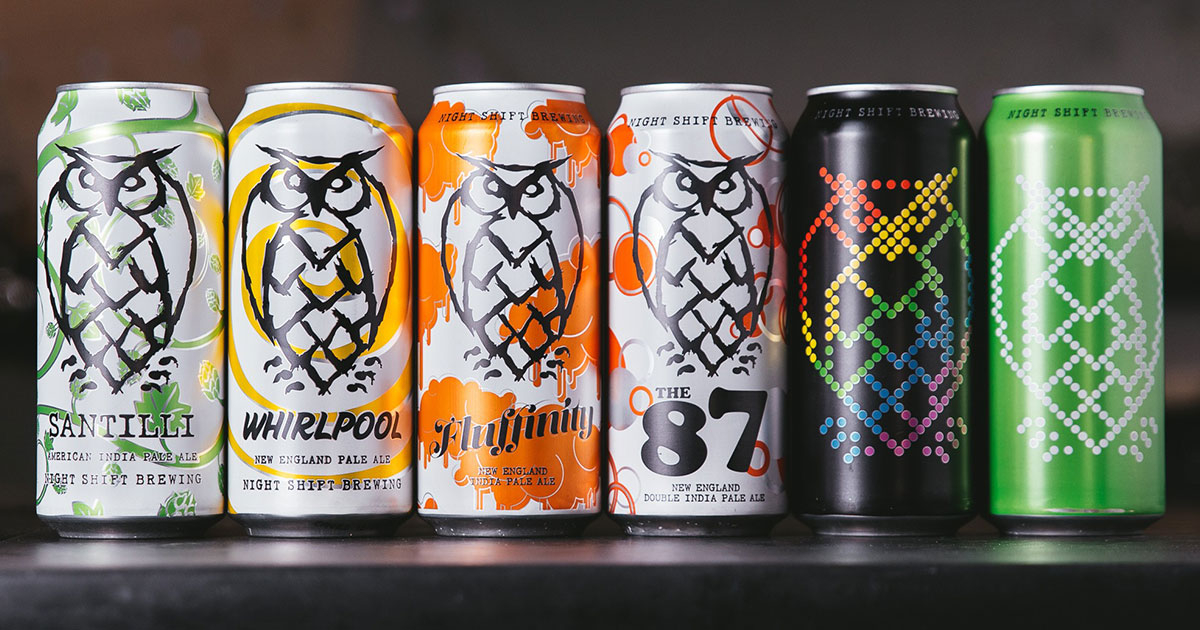
In the case of Night Shift’s AI-PA, the original recipe generated by the AI required human intervention to account for the actual inventory of ingredients available in the brewery. Similarly, the label art, while assisted by AI, required a human graphic designer to correct "kinks" and ensure the branding aligned with the brewery’s aesthetic.
The prevailing sentiment is that AI is a tool of unprecedented power—similar to the transition from the slide rule to the digital calculator. As Matthew Peetz noted, if a user inputs the wrong data, the AI will produce a flawed result. The "human in the loop" remains essential for setting parameters, providing ethical guardrails, and, most importantly, performing the final sensory evaluation. AI can calculate the bitterness units (IBUs) and the alcohol by volume (ABV), but it cannot "taste" the beer or understand the social context in which it is consumed.
Implications for the Future of Craft Brewing
The long-term implications of AI in brewing suggest a bifurcated future. On one hand, we may see the rise of "hyper-optimized" beers—products designed by algorithms to satisfy the maximum number of consumers with the minimum cost of production. On the other hand, the technology provides a playground for "superhuman" creativity, allowing artisanal brewers to experiment with flavor combinations that were previously considered impossible or too risky to attempt.
As the technology matures, we can expect to see AI move further into the consumer-facing side of the industry. This could include personalized "recommendation engines" in taprooms that suggest beers based on a customer’s past preferences or real-time adjustments to tap lists based on local weather patterns and social media trends.
Ultimately, the marriage of artificial intelligence and craft brewing represents the next evolution of a 10,000-year-old tradition. While the tools have changed from clay vats to neural networks, the objective remains the same: the pursuit of the perfect pour. For the modern brewer, the algorithm is simply the latest ingredient in the mash tun.