admin
admin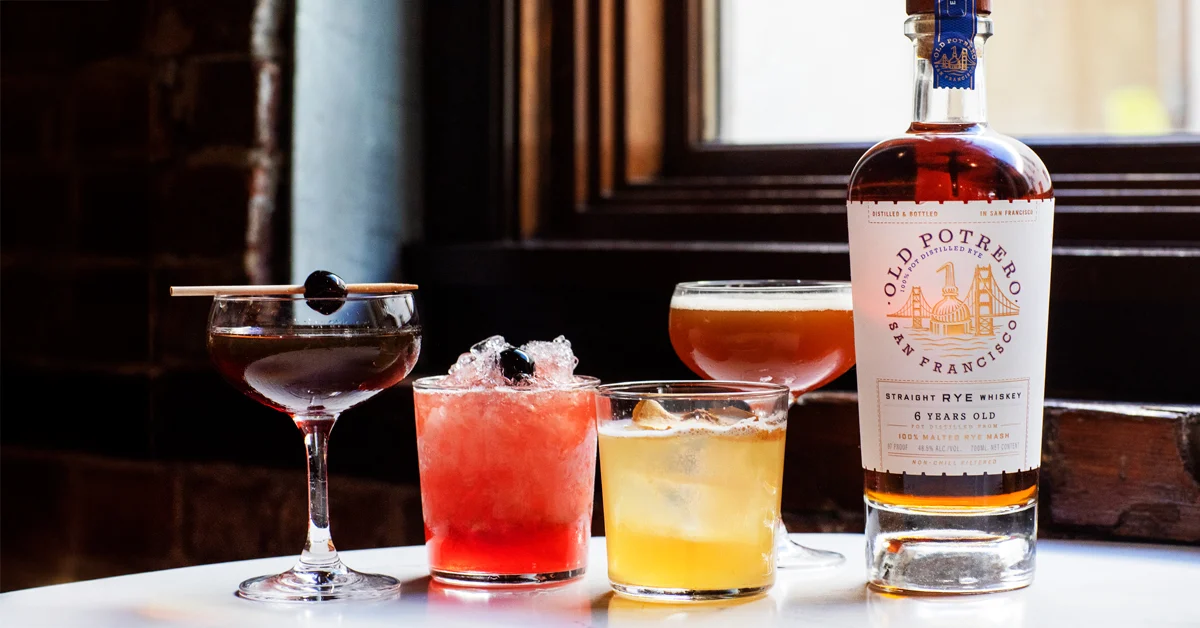
The landscape of the American craft beer industry is undergoing a fundamental transformation as the era of "hype beer" and hours-long queues for limited-edition cans begins to recede. For over a decade, the industry was defined by rapid expansion and a consumer base of "beer geeks" willing to travel across state lines for fresh India Pale Ales. However, recent data suggests that the sector has reached a point of saturation, compounded by shifting generational preferences and post-pandemic economic realities. According to the Brewers Association’s 2024 "Year in Beer" report, overall beer production saw a 2% decline, and 399 breweries across the United States shuttered their doors within a single calendar year. In response to these headwinds, several of the nation’s most prominent independent breweries are pivoting toward a centuries-old companion industry: craft distilling.
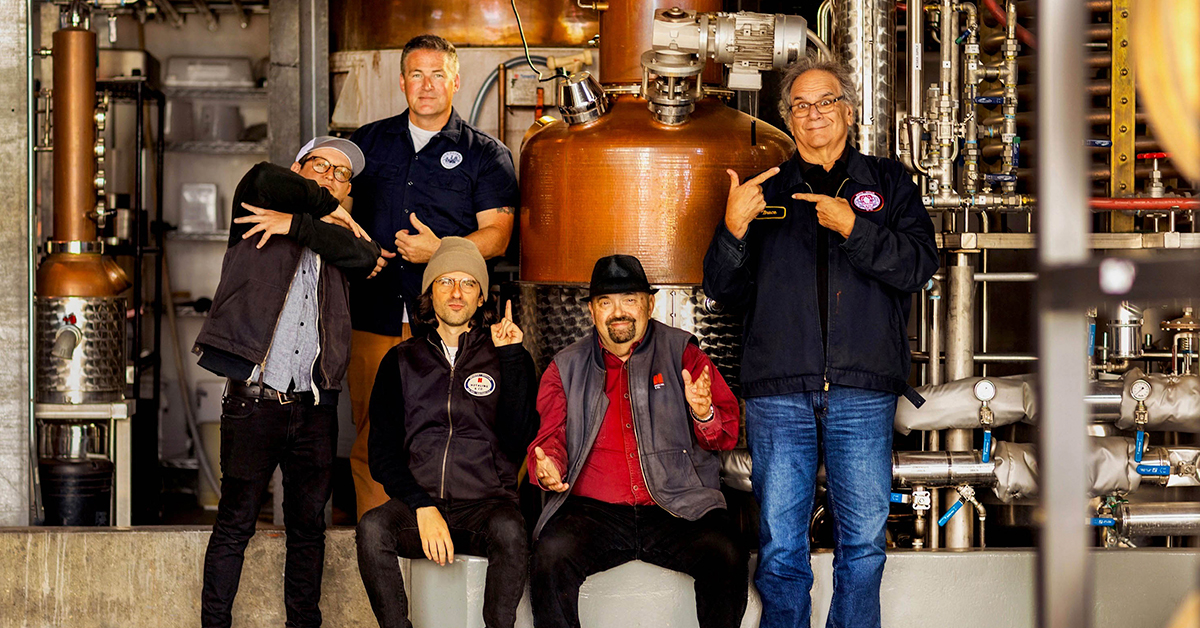
This strategic shift is not merely a reaction to declining sales but an evolution of the manufacturing process. For established breweries, the transition to spirits is a logical extension of their existing infrastructure. The production of whiskey begins with a "wash" or "mash," which is essentially unhopped beer. By leveraging their expertise in grain management and fermentation, brewers like JC Tetreault, co-founder of Boston-based Trillium Brewing, have realized that their facilities are already equipped for the vast majority of the distilling process. Tetreault noted that early in Trillium’s history, he recognized the brewery was approximately 90% of the way to becoming a distillery. This realization has led to a broader trend where the "brewery" identity is being subsumed by a more comprehensive "beverage company" model.
The Economic Drivers of Diversification
The motivation behind this industry-wide pivot is rooted in stark economic data. For the first time in modern history, spirits have begun to consistently gain market share at the expense of beer. According to the Distilled Spirits Council of the United States (DISCUS), spirits revenue in the U.S. surpassed beer for the second consecutive year in 2023, accounting for roughly 42% of the total beverage alcohol market. This shift is particularly pronounced among Generation Z consumers, who are increasingly gravitating toward ready-to-drink (RTD) cocktails, non-alcoholic options, and THC-infused beverages rather than traditional malt-based products.
For a longtime craft brewery, the addition of spirits serves as a hedge against the volatility of the beer market. By producing gin, vodka, and whiskey, breweries can capture a wider demographic of customers who may visit a taproom but do not necessarily enjoy beer. Furthermore, the high margins associated with spirits—particularly when sold as cocktails in-house—provide a critical revenue stream that can offset the rising costs of aluminum, malt, and carbon dioxide that have plagued the brewing industry since 2020.
A Chronology of the Brewery-Distillery Hybrid
While the current wave of diversification feels like a new trend, it follows a path blazed by a handful of industry pioneers. The integration of brewing and distilling has a long, albeit niche, history in the American craft movement:
- 1993: Anchor Brewing, often cited as the father of modern craft beer, established Anchor Distilling (now Hotaling & Co.). They released Old Potrero, a single malt rye whiskey that signaled the potential for brewers to master spirits.
- 2003: Rogue Ales in Oregon expanded into Rogue Spirits. Unlike many modern peers, Rogue went as far as to establish its own cooperage to manufacture the barrels used for aging their whiskey.
- 2005: Michigan’s New Holland Brewing added a distilling arm, eventually finding massive success with spirits like Beer Barrel Bourbon.
- 2006: Ballast Point Brewing in San Diego launched a spirits program that would eventually become Cutwater Spirits. The brand was so successful that it was spun off and later acquired by Anheuser-Busch InBev in 2019 for an undisclosed sum, highlighting the immense valuation potential of brewery-born spirits.
- 2017–Present: A modern wave of "elite" breweries, including Tree House, Trillium, 3 Floyds, and Finback, have launched sophisticated distilling programs to maintain their market dominance.
Case Study: Tree House and the "Grain to Glass" Philosophy
Tree House Brewing Company, widely considered one of the most successful craft breweries in the world, has become a primary example of how to scale a distilling program without losing brand prestige. Since 2021, the company has integrated distilling into its expansive operations across Massachusetts and Connecticut. Led by John Britton, a veteran of St. George Spirits, Tree House’s distilling program focuses on a "grain to glass" approach.
The company’s Old Growth Bourbon and Rye are distilled exclusively from New England-grown grains, mirroring the local-sourcing trends that initially fueled the craft beer movement. By utilizing their existing brew decks to create the base mash, Tree House has been able to produce spirits at a significant scale. Chris Conroy, the company’s spirits category sales manager, emphasizes that the goal was to create "artful spirits" that could be canned and distributed with the same efficiency as their famous IPAs. This has allowed Tree House to enter the RTD market with canned cocktails like the Tom Collins and Paloma, the latter of which features their own house-distilled agave spirit, Casa de Árbol.
Regulatory Hurdles and Operational Challenges
Despite the technical similarities between brewing and distilling, the transition is fraught with legal and logistical complexities. Alcohol production in the United States is governed by a patchwork of state and federal laws that often require separate licensing for beer and spirits. In Massachusetts, for example, Trillium Brewing had to navigate "Farmer Brewery" and "Distillery" licenses that necessitated entirely separate production spaces and distinct distribution rules.
Furthermore, the production of whiskey introduces a "time-to-market" challenge that beer does not face. While an IPA can be brewed, canned, and sold in three weeks, a high-quality bourbon may require four to ten years of aging in oak barrels. This requires significant upfront capital investment in barrels and warehouse space without an immediate return on investment. To bridge this gap, many breweries-turned-distilleries focus on "clear spirits" like gin and vodka, which do not require aging and can be sold immediately to generate cash flow while their whiskey stocks mature.
Expanding the Taproom Experience
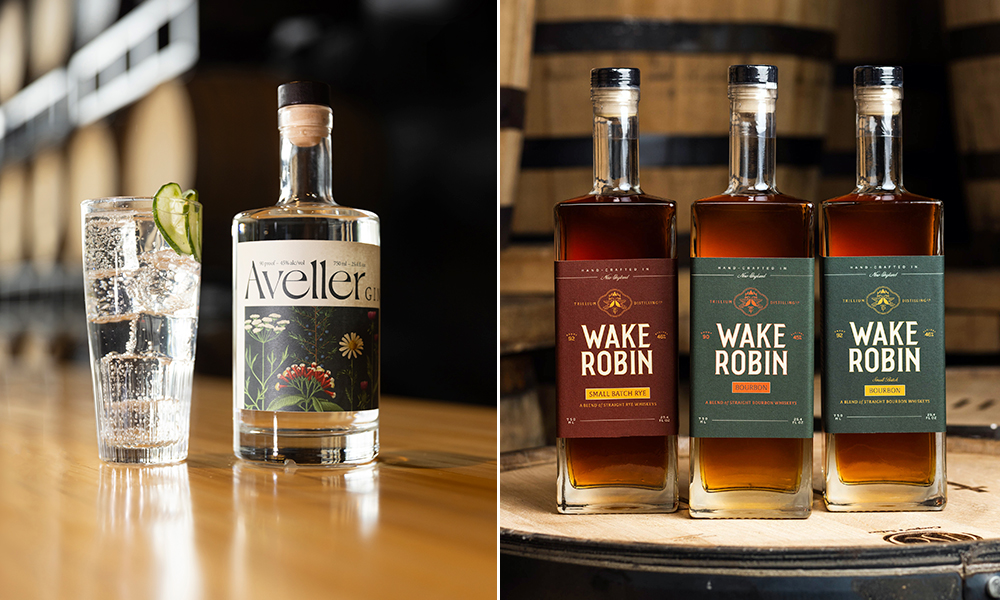
The introduction of spirits has also allowed breweries to reimagine their physical retail spaces. As the average craft beer consumer ages, the demand for a more diverse "third space" has grown. Trillium’s Fort Point location in Boston serves as a blueprint for this evolution. By producing their own gin, rum, and amaro, Trillium was able to open the Headroom Hi-Fi Cocktail Lounge on its second floor.
This diversification has had the unintended but welcome effect of attracting a new audience. Tetreault notes that the cocktail lounge often draws in patrons who have moved away from beer or younger consumers who were never part of the original "hazy IPA" craze. "It just makes me smile when we have new folks into the space and they just look around and say, ‘Oh, my God, I had no idea this was here,’" Tetreault said. This suggests that spirits are not just a product line expansion, but a tool for brand discovery in an increasingly crowded market.
Broader Implications for the Craft Industry
The move toward distilling by industry leaders like 3 Floyds—which produces spirits like Bubblegumhead that reference its famous beer labels—and Finback, with its Halftone gin label, indicates a permanent shift in the industry’s structure. The "pure-play" brewery is becoming a rarity among large-scale independent producers. Instead, the future of the industry appears to be the "integrated beverage house," where beer, spirits, RTDs, and non-alcoholic beverages coexist under a single brand umbrella.
This evolution carries significant implications for the supply chain and retail sectors. As more breweries enter the spirits space, competition for high-quality grains and barrels will intensify. For retailers, the challenge will be how to categorize these hybrid brands on shelves that have traditionally been divided by alcohol type.
Ultimately, the trend of breweries making whiskey and gin is a testament to the resilience and adaptability of the craft movement. While the "days of the line" may be over, the technical proficiency developed during the craft beer boom is now being applied to elevate the standards of American craft spirits. By diversifying their portfolios, these companies are ensuring that they remain relevant to a consumer base that prizes variety, quality, and local provenance above all else. The 2% decline in beer production may signal the end of one chapter, but for the breweries successfully firing up their stills, it marks the beginning of a much larger story in the American beverage industry.