admin
admin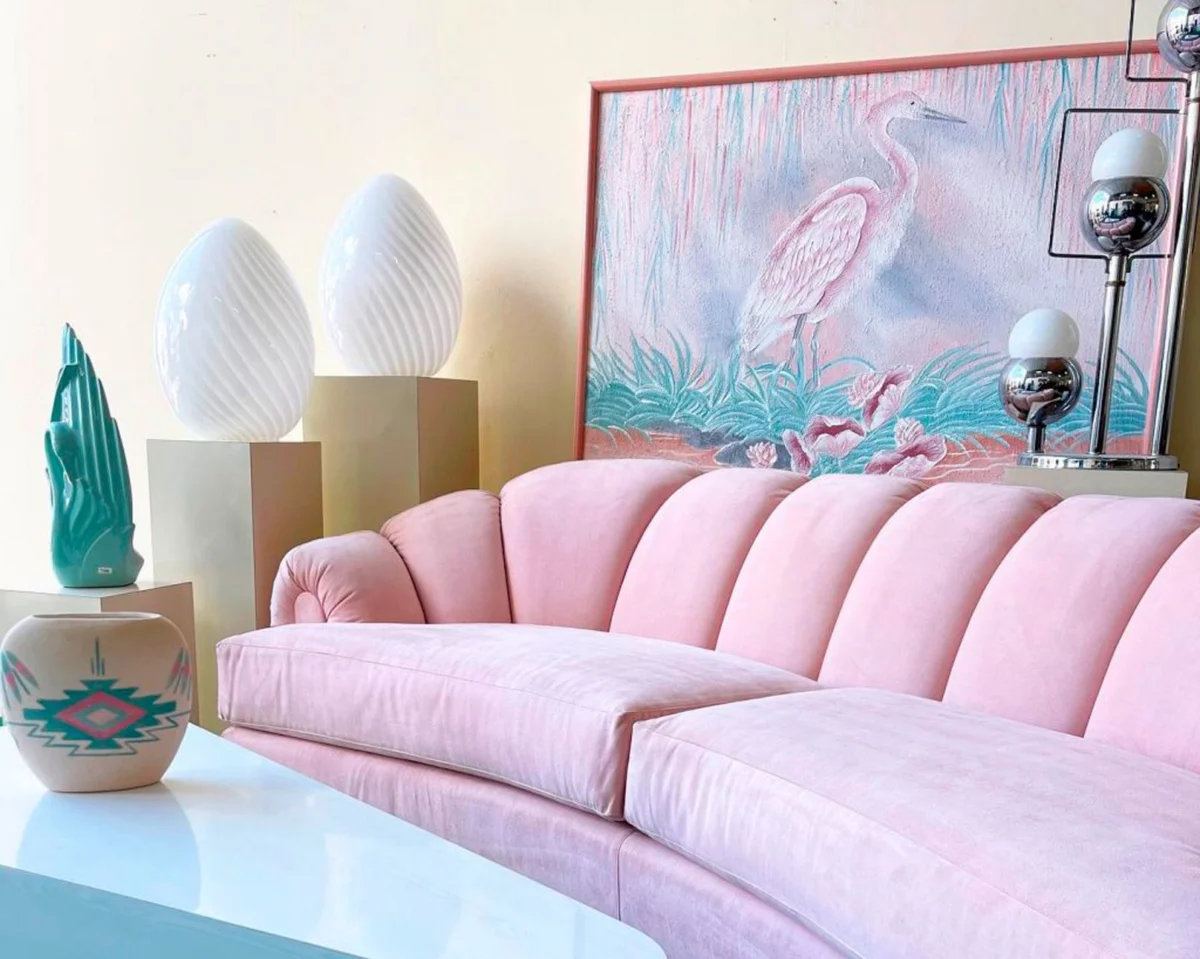
Delray Beach, Florida – In the vibrant and ever-evolving landscape of vintage furniture, Chaim Romano, the visionary owner of Dolphin & Flamingo, has carved out a distinctive niche, specializing in pieces that are, in his words, "quintessentially Florida." From the opulent European traditional styles of mid-century retirees to the flamboyant postmodern aesthetics of the 1980s and the enduring charm of tropical rattan, Romano’s inventory offers a kaleidoscopic journey through Florida’s unique design history. His dedication to unearthing these treasures not only supplies a booming national market but also preserves a tangible link to the state’s rich cultural tapestry.
The Genesis of a Niche Market: A Passion for the Past
Chaim Romano, a native of South Florida, didn’t initially set out to become a vintage furniture mogul. His foray into the resell industry began as a personal quest, fueled by a deep-seated "love of the hunt" and an innate curiosity about his home state’s history, interpreted through the material culture of its furnishings. Like many enthusiasts, Romano admits to a sentimental attachment to objects that evoke childhood memories or personal aesthetics, though he firmly distinguishes this from hoarding. His initial success selling items on platforms like Facebook Marketplace quickly demonstrated a latent demand for unique, pre-owned pieces.
The turning point for Romano’s budding enterprise arrived when local realtors began contacting him with an unusual proposition: swiftly clear out retirement homes, with the incentive that he could keep everything he found. This unique access became the bedrock of Dolphin & Flamingo, launched in 2019. Romano describes the work as intensely personal, often tinged with sadness as he navigated the remnants of lives lived. It was also physically demanding and, for someone with asthma, challenging due to dust and allergens. Yet, amidst what he candidly describes as "half of the stuff was garbage," he discovered a surprising truth. "These elder people had refined taste in furniture and decor. Their homes would be loaded with premier stuff from 1992," he recounts. This period of intensive, hands-on sourcing not only honed his eye for quality but also provided an unparalleled education in the diverse design preferences that shaped Floridian homes over decades.
Evolution of Floridian Aesthetics: A Historical Perspective
Florida’s furniture landscape is a fascinating reflection of its demographic shifts and cultural influences. Romano meticulously categorizes these styles, offering a comprehensive overview that extends far beyond the superficial "Miami Vice" stereotypes.
-
Mid-Century Modern and European Grandeur (Pre-1980s): Before the bold statements of the 1980s, Florida was a magnet for retirees and wealthy migrants from the Northeast and Midwest, many of whom brought with them a taste for more traditional, sophisticated aesthetics. Romano points to a "massive amount of midcentury modern, French Provincial, Rococo, and other traditional Italian and French styles." This era, roughly spanning from the 1940s through the 1970s, saw a blending of sleek, functional Mid-century designs – popular across America for their modernity and clean lines – with the ornate, classical elegance of European-inspired pieces. These styles often catered to a more established, affluent demographic seeking to recreate a sense of timeless luxury in their sun-drenched Florida abodes. The influx of skilled European artisans and later, Cuban immigrants, further enriched the craftsmanship available in the region, allowing for custom pieces that echoed these grand traditions.
-
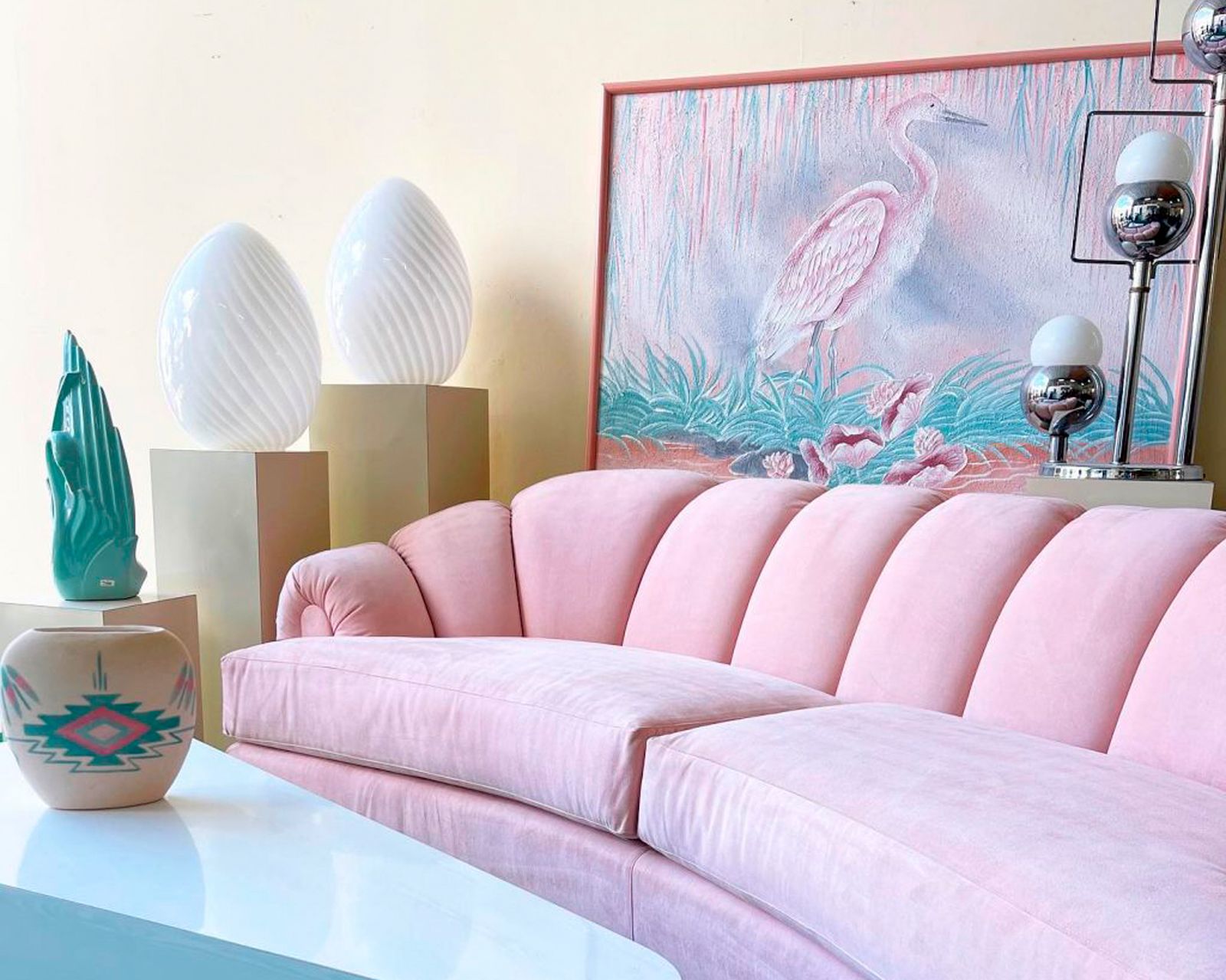
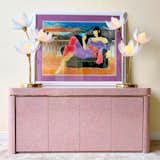
The "Cocaine-Era Decor" and Postmodern Flair (1980s): This period, indelibly linked to popular culture depictions like Miami Vice and Scarface, witnessed a dramatic shift towards a more audacious and vibrant aesthetic. Romano vividly describes it as "the ’80s pink waterfall stuff, the cocaine-era decor, all that." This style, often characterized by laminate finishes, chrome accents, glass, vibrant pastels (especially pinks, turquoises, and mint greens), geometric shapes, and rounded "waterfall" edges, was not merely a fleeting trend but a significant design movement, a revival of Art Deco principles with a postmodern twist. The Miami-Broward area became a hub for this production, largely thanks to skilled laborers, many of whom were Cuban immigrants. Their expertise allowed for the mass production of these distinctive styles, offering customization at accessible prices. "You could walk into a showroom, pick a color, pick some shapes, provide measurements, and they loaded up your whole house affordably," Romano explains. This blend of mass appeal and personalized touch made these pieces ubiquitous, and initially, highly sought after by Dolphin & Flamingo customers. "A pink bedroom set wouldn’t last to the weekend," he recalls, though he notes that demand for this specific aesthetic has since "slowed down quite a bit."
-
Tropical and Coastal-Inspired (Enduring Appeal): Beyond specific decades, the tropical side of Florida has fostered a continuous demand for furniture that complements its unique climate and natural beauty. This encompasses "a lot of rattan, bamboo, wicker, and all the Southeast Asian coastal-inspired stuff." From the southern tip of Florida up to Jacksonville, these materials, known for their durability and natural aesthetic, have consistently found favor. Their lightweight nature, resistance to humidity, and ability to evoke a relaxed, resort-like atmosphere make them perennially popular choices for Floridian homes. This style often draws inspiration from Southeast Asian craftsmanship, reflecting a global exchange of design ideas.

Sourcing and Inventory Dynamics: The Modern Floridian Haul
Today, Romano’s sourcing remains highly localized but strategically focused. Approximately 90 percent of Dolphin & Flamingo’s inventory is now derived from the "colorful, tropical stuff" discovered within retirement communities across Boca Raton, Boynton Beach, Coral Springs, and the broader Broward County area. This geographic concentration, all within a 30-minute radius of his Delray Beach warehouse, allows for efficient acquisition and logistics. The shift in inventory reflects changing market demands and the availability of certain styles.
Interestingly, Romano also stocks a notable quantity of antique-looking Asian furniture, such as lacquered tables adorned with Mother of Pearl inlays and intricately illustrated room dividers, often originating from countries like China or Korea. He finds this an unexpectedly "quintessential" element of South Florida decor. "Antiquity always uplifts a place and it’s beautiful to have in a room," he observes, highlighting how these pieces, perhaps brought back by travelers or inherited, contribute to the eclectic, layered aesthetic often found in Floridian homes. This blending of Eastern aesthetics with Western design sensibilities adds another layer of intrigue to the Floridian vintage narrative.
Beyond the Sunshine State: A National Appeal
While a portion of Dolphin & Flamingo’s curated collection finds new homes within Florida, the bulk of Romano’s sales extend far beyond the state’s borders. The appeal of Floridian vintage resonates strongly across the nation, with the Northeast, Texas, Southern California, and the Midwest emerging as significant markets. "New York is number one," Romano states, emphasizing the metropolitan appetite for unique, character-filled pieces that stand out from mass-produced modern furniture. "L.A. is probably our number three market," he adds, underscoring the West Coast’s appreciation for distinctive design. This national demand highlights a broader trend in interior design, where consumers increasingly seek individuality and sustainability through vintage acquisitions, often drawn to the distinctive aesthetic narratives that regions like Florida offer.
Navigating the Vintage Market: Romano’s Expert Advice for Buyers
For customers located far from South Florida, purchasing vintage furniture online presents both opportunities and challenges. To ensure the best value and satisfaction, Romano offers invaluable advice gleaned from years of experience in the resell industry:
-
Buy Direct for Optimal Pricing: While platforms like Chairish, 1stDibs, and Etsy offer excellent discoverability and reach, Romano advises customers to seek out the same pieces directly on the official Dolphin & Flamingo website (dolphinflamingo.com) whenever possible. Online marketplaces, while convenient, impose significant fees and often dictate rigid shipping structures that can inflate prices. By purchasing directly, customers can often bypass these overheads. "We’re at the whims of the platforms and have no control over [their fees and shipping structures]," Romano explains. He emphasizes that direct engagement allows for a "unique shipping price upfront" based on the customer’s specific zip code, often resulting in better overall rates. His fundamental recommendation: "Customers should ask dealers for a shipping price based on location," rather than accepting a fixed, potentially inflated, fee from a third-party platform. This empowers buyers to make more informed and economical decisions.
-
Resist the Single-Aesthetic Furnish: Embrace Eclecticism: The distinctive nature of many vintage Floridian pieces can tempt buyers to furnish an entire room or home in a single, era-specific style. However, Romano cautions against this "matchy-matchy" approach. "Matchy-matchy is not my style because I didn’t come into this from having an obsession with any one particular era," he explains. He champions eclecticism, believing that "the most tastefully designed homes are a mix." This design philosophy advocates for blending diverse elements – antiquity with modernity, different cultural styles, and varying textures – to create a space that feels curated, personal, and rich in character. To avoid a home that looks like a themed film set, Romano encourages buyers to "don’t be afraid to clash." He offers his own home as an example: a large rug that "doesn’t go with anything" serves as a centerpiece, surrounded by ’80s coffee tables, an Asian bookshelf, bamboo and wicker accents, a deer head, and a 1700s candelabra. This thoughtful juxtaposition creates a dynamic and unique environment, reflecting a homeowner’s evolving tastes and collected memories rather than a showroom display.
-
Don’t Expect Brand or Designer Names: Value Quality Craftsmanship: A common query Romano receives is, "Who made this? What’s the brand?" He often has to explain that many of these vintage Floridian pieces were "mass produced by random shops and there is no brand." This lack of a recognizable label can sometimes deter customers accustomed to seeking out famous designers or manufacturers. However, Romano assures buyers of the inherent high quality of these unbranded items. He highlights that in the era of their production, "each piece was based on the budget of the customer and there was much less corner-cutting when it was a job-per-job system." This bespoke or semi-bespoke approach, particularly prevalent among skilled immigrant craftsmen, meant that quality was often prioritized, even without a major brand name attached. These pieces were built to last, reflecting an era before rapid, disposable furniture production became the norm. Therefore, buyers should focus on the construction, materials, and condition rather than relying solely on brand recognition.

-
Be Diligent About the Details in Online Purchases: The inherent risks of buying vintage furniture online, especially when shipping from a distance, necessitate extreme diligence. Romano stresses the importance of meticulous examination: "inspecting every photo, reading the description of the condition carefully, measuring the dimensions to make sure it fits (not only inside the room, but through doors), and asking lots of questions." He takes personal responsibility for transparency, stating, "You’re spending all this money and you can’t even see it in person, so it’s up to me to make sure that you’re completely aware of every tiny scratch so you’re informed about what you’re buying." This commitment to detailed disclosure is crucial for building trust in the online vintage market. Buyers should never hesitate to inquire about any uncertainties or request additional photos or information.
-
Know What You Can Restore—and What You Can’t: Vintage pieces, by their very nature, carry the marks of time and may require some degree of restoration. Romano advises caution: "Don’t buy something that you don’t know how to fix." While Dolphin & Flamingo ensures pieces are clean, vacuumed, and free from mold or pests, they often sell items "in their authentic state," acknowledging that some may be "messed up or need to be reupholstered." This approach caters to buyers with restoration skills or those willing to invest in professional repair. However, for the inexperienced, tackling complex restorations can be financially prohibitive and technically challenging. Romano warns against attempting to clean delicate old fabrics with harsh upholstery cleaners, as they might rip. For smaller, more manageable issues, he suggests leveraging online resources like Google and YouTube tutorials, always starting with the smallest, least visible part of the piece for testing.
-
Invest in Materials That Last: A recurring theme among vintage furniture dealers, including Romano, is the superior quality and longevity of furniture from past decades compared to much of what is produced today. "There’s always going to be stuff that can survive the test of time," he asserts. He highlights materials like wicker and rattan, particularly those manufactured in Asian countries. These pieces, originating from "sunny, humid, wet environments," were inherently designed to withstand harsh, sticky climates, making them ideal for Florida and other subtropic regions. This inherent durability is a key selling point for vintage items. Conversely, Romano notes that certain materials, like specific shades of laminates (mica), may no longer be available, making spot-treatment or partial restoration impractical. In such cases, he suggests it "would make sense to put a whole new laminate over a piece" for a cohesive finish.
-
Get Used to Mass-Produced Styles: Embrace the Ubiquitous: Due to the efficient mass production methods of past decades, particularly in regions like South Florida, certain vintage styles can appear remarkably similar across different sellers. Romano amusingly recalls watching Scarface and recognizing a chair in his shop from a pivotal scene. "I can go on Facebook and sometimes find five or six of the same exact piece between an hour south and an hour north of here," he adds. While this might seem to diminish uniqueness, it also means a steady supply of these classic designs. For buyers looking to acquire multiple identical pieces as a set, Romano advises being mindful of how each individual piece may have aged differently. For this reason, Dolphin & Flamingo meticulously separates each listing and prices items accordingly, reflecting their specific condition and wear.
The Broader Implications: Sustainability and Cultural Preservation

Chaim Romano’s work with Dolphin & Flamingo transcends mere commerce; it represents a significant contribution to both environmental sustainability and cultural preservation. In an era increasingly conscious of waste and overconsumption, the vintage furniture market plays a vital role in the circular economy. By rescuing and rehoming existing pieces, Romano diverts large items from landfills, reducing the demand for new manufacturing and conserving valuable resources. This aligns with broader movements towards conscious consumption and sustainable living.
Furthermore, his dedication to "quintessentially Florida" furniture ensures that the unique design heritage of the Sunshine State is not lost to time or changing trends. Each piece tells a story, embodying a specific era, a particular lifestyle, or the craftsmanship of a bygone generation. From the elegance of French Provincial to the bold statements of 1980s postmodernism, these items are tangible artifacts of Florida’s diverse cultural evolution. Romano’s curated collection allows these stories to continue, bringing historical depth and character to modern homes across the country. He acts as a custodian of this unique aesthetic legacy, making it accessible to a new generation of buyers who value authenticity, quality, and a connection to the past.
In conclusion, Chaim Romano and Dolphin & Flamingo have become much more than a vintage furniture reseller. They are purveyors of history, champions of sustainable design, and navigators of Florida’s eclectic aesthetic journey. Through meticulous sourcing, expert advice, and a passion for the unique, Romano continues to bring the warmth, vibrancy, and undeniable character of Floridian vintage to homes across the nation, proving that the sun-drenched charm of the Sunshine State is truly timeless.