admin
admin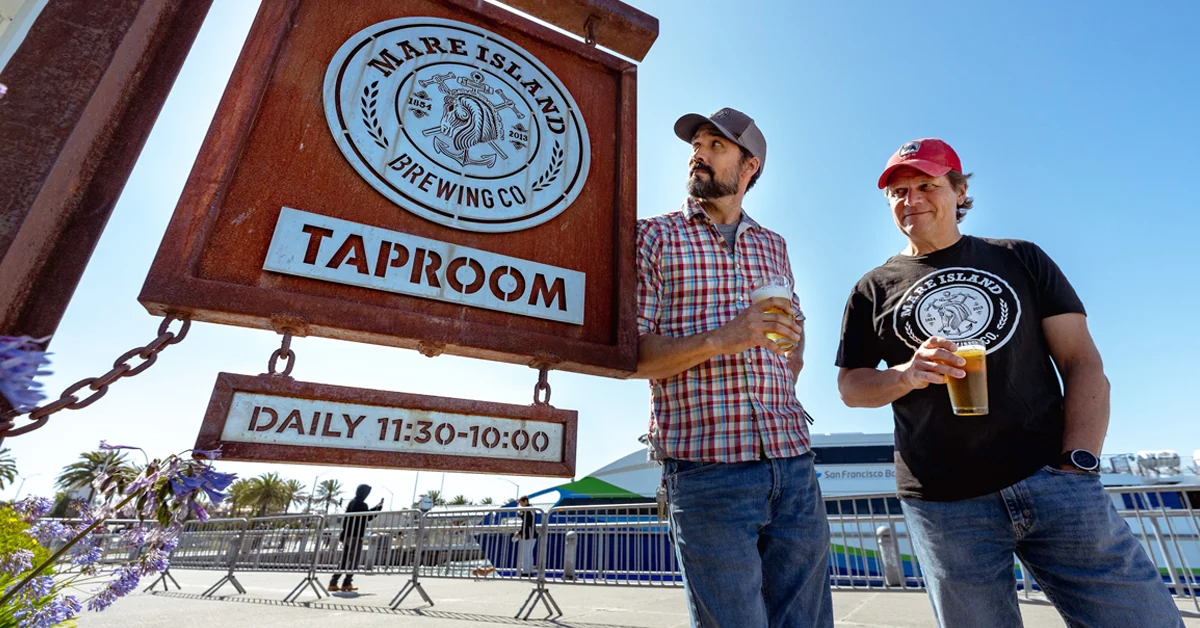
The ancient adage among viticulturists that "it takes a lot of beer to make good wine" has long been a lighthearted staple of harvest season, but in the premier growing regions of California, this sentiment has evolved into a sophisticated professional crossover. As the beverage industry becomes increasingly competitive, a growing cohort of artisans is blurring the lines between the brewhouse and the cellar, leveraging technical expertise in fermentation to master both crafts. This phenomenon is particularly prevalent in California, a state that leads the nation in both wine production and craft brewery volume, creating a unique ecosystem where the traditions of the vineyard and the innovation of the taproom frequently intersect.
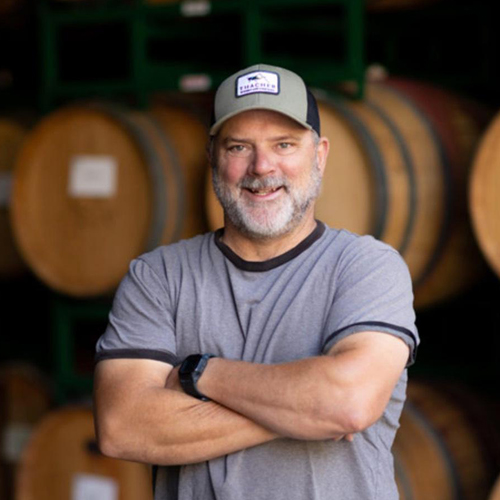
The appeal of beer to a winemaker often begins as a matter of sensory relief. After a grueling day of tasting high-acid, tannin-heavy must or finished wines, the palate requires a reset. Sherman Thacher, the founder and winemaker at Thacher Winery in Paso Robles, notes that beer serves as the quintessential palate cleanser due to its temperature, carbonation, and lower acidity. However, for Thacher, the relationship with beer is more than just a seasonal preference; it is a fundamental part of his professional identity. Before establishing his reputation in the Paso Robles wine scene, Thacher spent 14 years as a brewmaster at the Los Gatos Brewing Company, specializing in German-style lagers and ales from 1992 to 2006. This dual background provides him with a unique perspective on the precision required to manage living organisms in a liquid medium.
The Technical Symmetry of Fermentation
While the raw materials of beer and wine differ significantly—one relying on the seasonal harvest of perishable fruit and the other on processed grains and hops available year-round—the underlying science of fermentation remains the common denominator. Mastering the behavior of saccharomyces cerevisiae, the primary yeast used in both industries, requires a deep understanding of temperature control, sanitation, and nutrient management. Thacher emphasizes that the rigorous attention to detail required in brewing, where the risk of spoilage and off-flavors is high due to the lower alcohol and higher pH of the wort, has served him well in the winery.
In winemaking, the environment is generally more resilient; the lower pH and higher alcohol content of grape juice provide a natural defense against many common spoilage bacteria. Conversely, beer is a more delicate environment, requiring a "clinical" level of cleanliness that, when applied to winemaking, results in exceptionally clean and expressive fermentations. This cross-pollination of habits is a recurring theme among those who have navigated both sectors.
The Evolution of Mare Island Brewing Co.: A Case Study in Transition
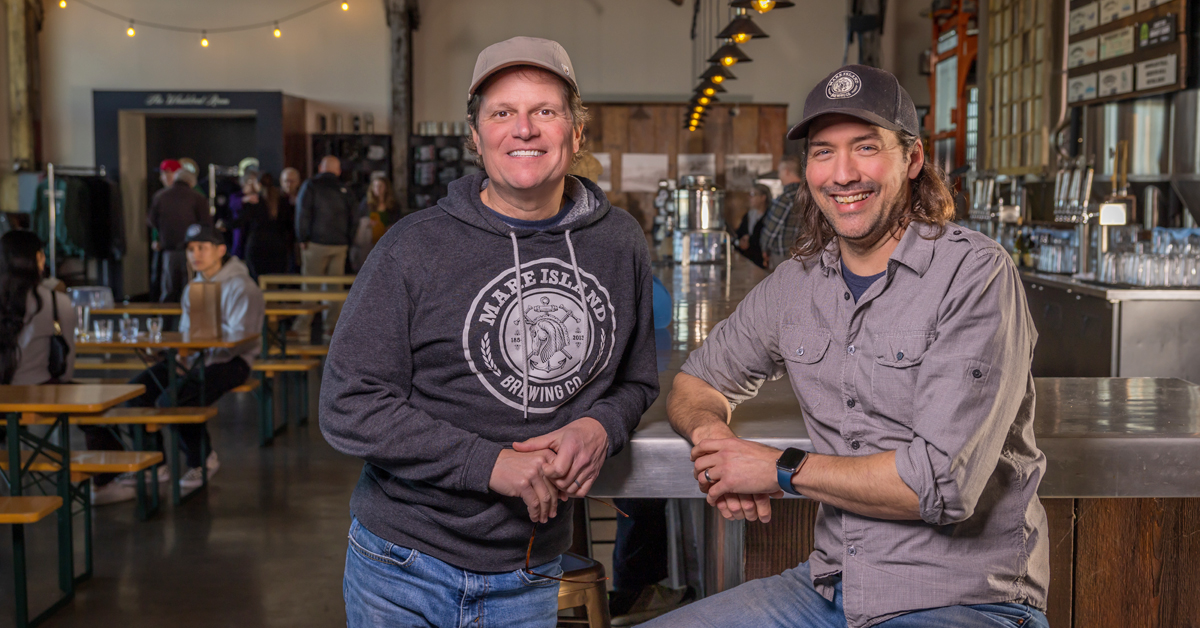
The narrative of professional crossover is perhaps most vividly illustrated by the founders of Mare Island Brewing Co., Kent Fortner and Ryan Gibbons. The duo met on a Napa Valley crush pad, the epicenter of American winemaking, where they were both training in the art of viticulture. Despite their success in the wine industry, the allure of the brewing world eventually led to the founding of Mare Island Brewing Co. in 2013.
Their inaugural release, Saginaw Golden Ale, served as a tribute to the historical context of their location. Named after the first ship built at the Mare Island Naval Shipyard—the first U.S. naval installation on the West Coast, established in 1854—the beer signaled a commitment to heritage and storytelling. This approach to branding reflects a winemaking sensibility, where "terroir" and history are often as important as the liquid in the bottle.
Since its inception, Mare Island Brewing Co. has expanded its footprint significantly, opening the Ferry Taproom in Vallejo and the Coal Shed Brewery on the Mare Island waterfront. Despite the growth of the beer business, the founders have maintained their ties to the vineyard. Fortner continues to operate Road 31 Wine Co., a boutique operation that has produced a single Napa Valley Pinot Noir for over two decades. This dual-track career allows for a diversification of business interests and a creative outlet that spans the spectrum of fermentation.
Educational Foundations and Global Influences
The trend of "bi-fermental" expertise is supported by world-class educational institutions, most notably the University of California, Davis. Known globally for its Department of Viticulture and Enology, UC Davis also hosts a prestigious Master Brewers Program. This proximity allows students to explore the nuances of both fields, fostering a community of professionals who are equally comfortable discussing hop alpha acids and grape brix levels.
Remy Martin, co-founder of Fogbelt Brewing in Sonoma County, represents the next generation of this hybrid tradition. Despite being the son of the late Dennis Martin, a legendary winemaker at Fetzer Vineyards for three decades, the younger Martin found his passion in the brewery. His journey began during a grape harvest in New Zealand, a common rite of passage for young winemakers. It was there, while working with Paul Hawley, that the two began homebrewing in a garage, eventually leading Martin to enroll in the UC Davis brewing program.
Martin’s transition highlights a cultural shift. While wine was once the default "adult beverage" in regions like Sonoma and Napa, the rise of craft beer has provided a new avenue for creative expression. For Martin, the daily consistency of brewing offers a different kind of satisfaction than the once-a-year gamble of the wine harvest.
Philosophical Divergence: Consistency versus Vintage
Despite the technical overlaps, the industries operate under different philosophical frameworks. One of the primary distinctions lies in the concept of the "vintage." In the wine world, variation from year to year is not only expected but celebrated as an honest reflection of the climate and growing conditions. A winemaker’s goal is often to interpret what the land provided in a specific 365-day cycle.
In contrast, the craft beer industry—and its consumers—prizes consistency. A flagship IPA or pilsner is expected to taste the same in December as it did in June, regardless of fluctuations in the hop harvest or malt characteristics. This requires a different type of technical mastery: the ability to blend and adjust raw materials to achieve a static flavor profile.
Furthermore, the production cycles differ immensely. Winemakers have one chance per year to get it right, leading to a high-stakes, high-stress "crush" season. Brewers, however, operate in a state of constant production. As Martin notes, there is no true "slow" season in a brewery, as tanks must be turned over regularly to meet demand. This pace appeals to those who prefer the immediate feedback and iterative nature of brewing over the long, slow maturation process of winemaking.
Economic and Branding Implications in the California Market
The convergence of these two industries has significant economic implications for California. According to the California Craft Brewers Association and the Wine Institute, the two sectors contribute tens of billions of dollars to the state’s GDP annually. By operating at the intersection of both, entrepreneurs can tap into a broader consumer base.
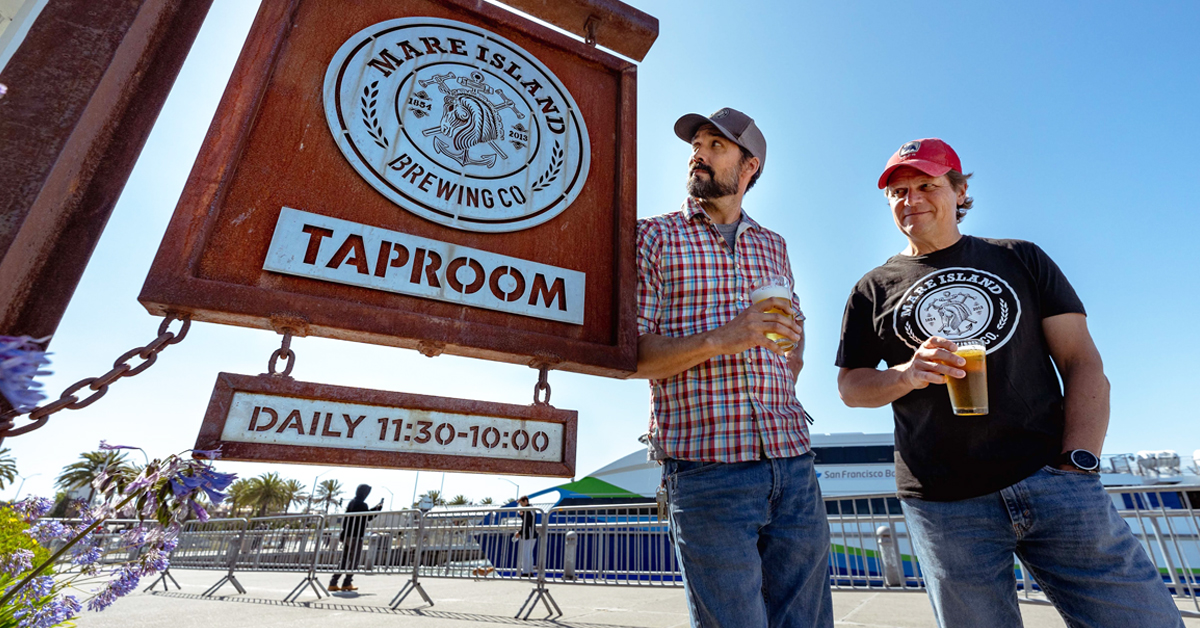
The branding of these crossover ventures often reflects a hybrid aesthetic. Ryan Gibbons of Mare Island Brewing Co. notes that their winemaking background influences their marketing strategy, favoring "class and elegance" over the sometimes cheeky or irreverent labeling found in the broader craft beer market. This "premiumization" of beer aligns with the expectations of wine country tourists, who seek high-quality, artisanal products regardless of the base ingredient.
Moreover, the presence of wine in brewery taprooms—and vice versa—is becoming more common. Mare Island, for instance, pours Fortner’s Road 31 wines and collaborates with Sonoma’s Fifth Hill wines. This synergy creates a "fermentation destination" that appeals to groups with diverse preferences, further solidifying the bond between the two crafts.
Broader Impact and the Future of the Industry
The trend of winemakers entering the brewing space (and vice versa) suggests a maturing of the American palate. Consumers are increasingly interested in the process and the people behind their beverages, rather than just the alcohol content or brand name. The crossover professionals bring a level of cross-disciplinary rigor that elevates the quality of both industries.
As the lines continue to blur, we may see more "hybrid" fermentations, such as oenobeers (beers fermented with wine grapes) or wines aged in former beer barrels. These products represent a new frontier in beverage science, pushing the boundaries of traditional categories.
Ultimately, the synergy between beer and wine in California is a testament to the state’s culture of innovation. Whether it is Sherman Thacher using his brewmaster’s precision to craft elegant Zinfandels or the Mare Island team applying Napa Valley branding to a golden ale, the results are a more vibrant, technically sound, and diverse beverage landscape. As the industry evolves, the "lot of beer" it takes to make good wine is no longer just a refreshment for the cellar crew—it is a sophisticated parallel career for the modern fermentation expert.