admin
admin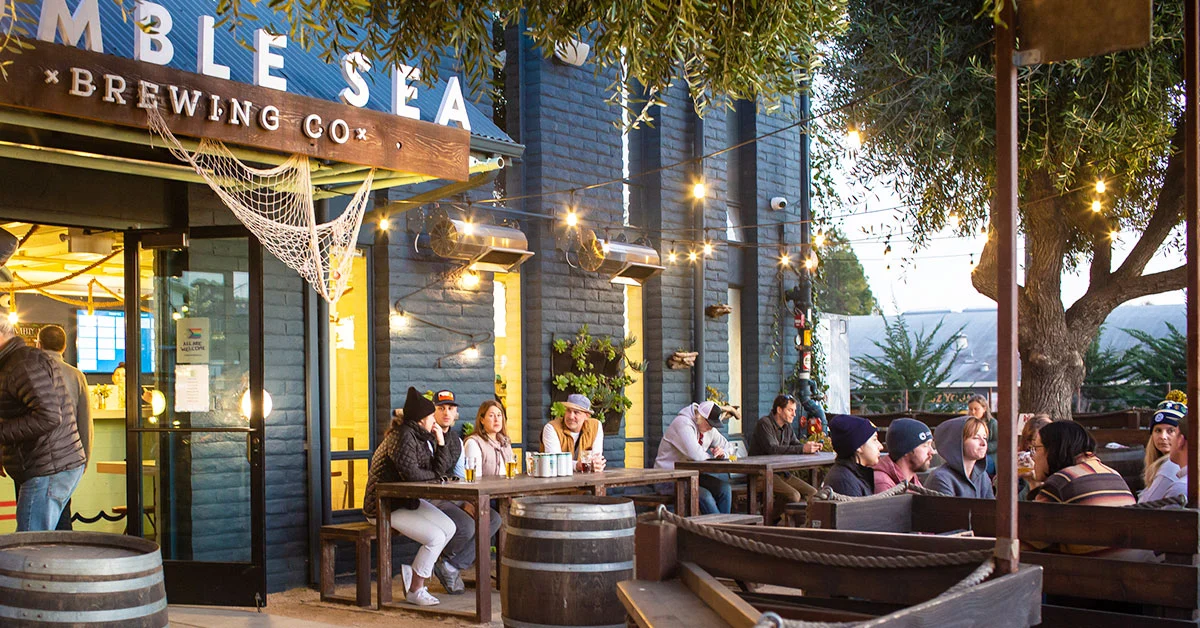
The craft brewing industry in the United States has entered a period of profound transition, moving away from the explosive, novelty-driven growth of the early 2010s toward a more complex era defined by market saturation, shifting consumer demographics, and a renewed appreciation for brand consistency. For many independent breweries, the initial vision—often centered on a specific style or a niche community—has had to adapt to the harsh realities of the three-tier distribution system and the evolving palate of the American drinker. This evolution is perhaps best illustrated by the trajectories of Sunriver Brewing in Oregon and Humble Sea Brewing Co. in California, two establishments that have navigated the delicate balance between "cutting-edge" innovation and the "reliable" flagship brands that ensure long-term solvency.
The Genesis of Strategy: Tourism vs. Passion
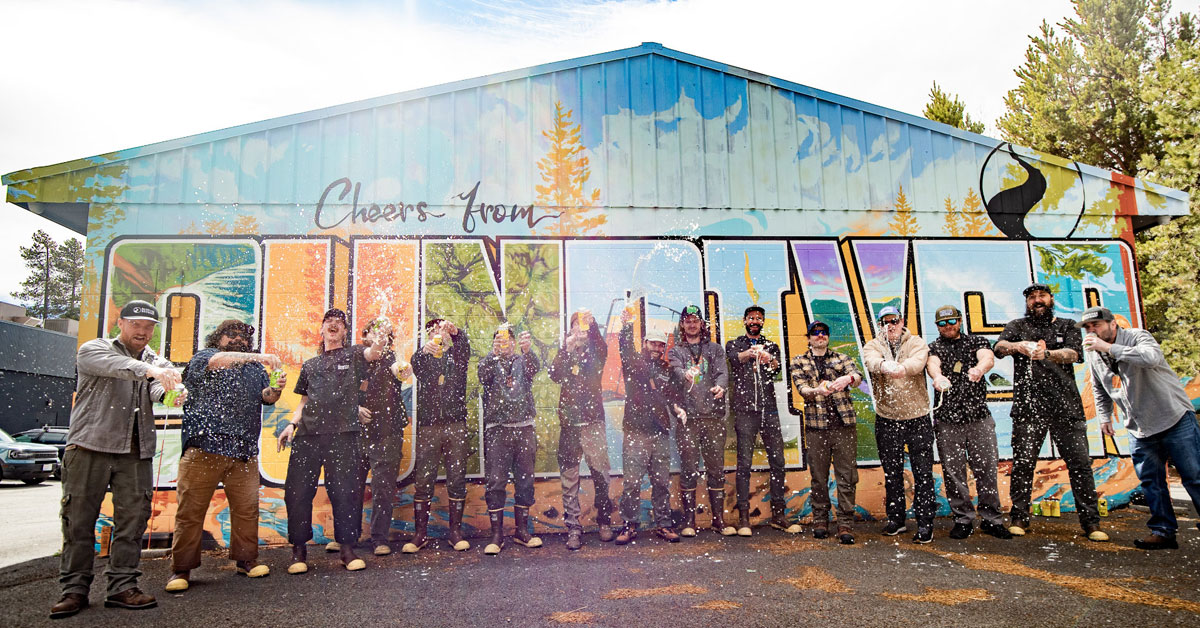
The founding of a brewery typically begins with a specific identity. At Sunriver Brewing Company, established in 2014 in the resort community of Sunriver, Oregon, the initial business model was dictated by geography and foot traffic. Sunriver, a town with a permanent population of roughly 2,000, experiences massive seasonal surges, hosting upwards of 15,000 visitors during peak weekends. Head brewer Brett Thomas notes that the brewery’s early portfolio was designed specifically for this "transient tourist demographic."
In its infancy, Sunriver focused on "pub-oriented" styles that offered high accessibility to casual drinkers. The lineup consisted of foundational craft styles: blonde ales, pale ales, amber ales, and stouts. These were beers meant to be consumed in a restaurant setting, providing a safe entry point for visitors who might not be well-versed in the more experimental fringes of craft beer. However, as the brewery matured and sought to expand its footprint beyond the resort gates, it faced the challenge of maintaining that accessibility while proving its technical prowess to a more discerning wholesale market.
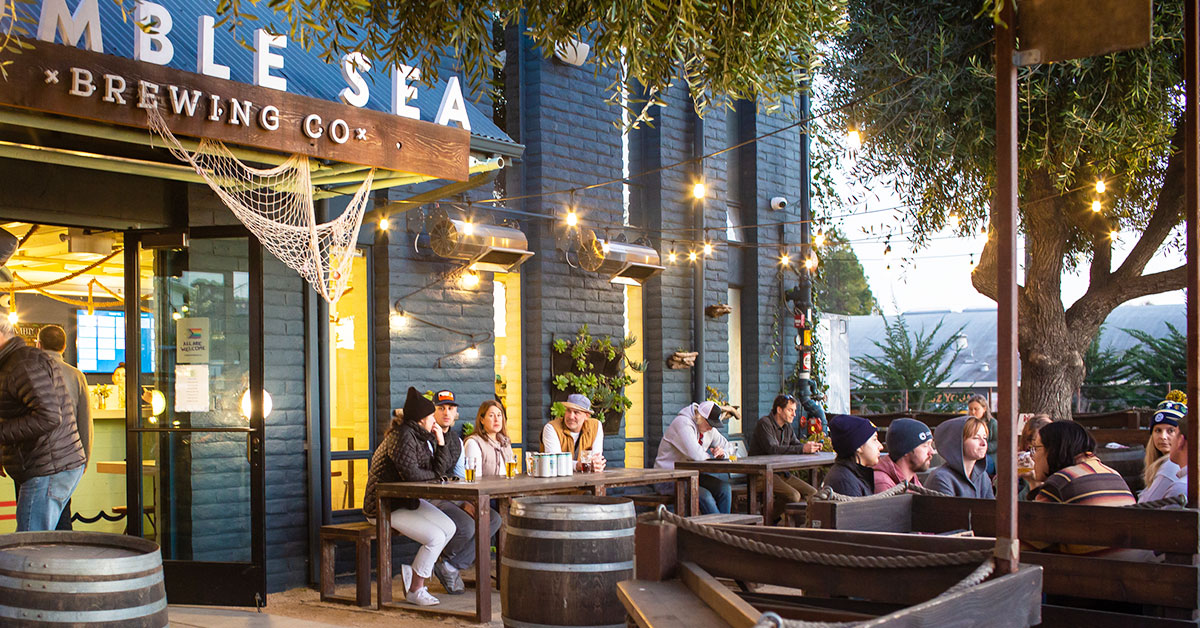
In contrast, Humble Sea Brewing Co., launched in Santa Cruz, California, in 2015, began with a very different ideological anchor. Cofounder Frank Scott Krueger notes that the original intent was to be a "lager-first" brewery. This reflected a common sentiment among professional brewers who often prefer the technical precision and drinkability of well-made pilsners and helles. However, the California market in 2015 was not yet ready for a lager-centric craft movement. To remain financially viable, Humble Sea was forced to pivot toward the "haze craze," leaning into the "foggy" or New England-style IPAs that were then dominating social media and taproom sales.
The Data of the Haze Era and the Wholesale Reality
The shift Humble Sea experienced is backed by broader industry data. According to the Brewers Association, India Pale Ale (IPA) remains the dominant category in craft beer, often accounting for more than 40% of the total volume sold in the craft segment. For a new brewery in 2015, ignoring the IPA trend was a high-risk strategy. Humble Sea’s pivot was successful; at one point, 95% of their production was dedicated to hop-forward beers. This allowed the brewery to build a cult following among "beer nerds"—enthusiasts who travel for specific releases and engage heavily in the "can-trading" culture.
As these breweries expanded, they encountered the complexities of the wholesale market. Sunriver Brewing’s transition from a local pub to a regional powerhouse required a shift in perspective. When a brewery moves into distribution, they are no longer just selling to the person sitting at the bar; they are selling to wholesalers, grocery store category managers, and tavern owners. Each of these stakeholders has a different priority. Wholesalers look for high-velocity brands that move quickly off the shelf, while tavern owners may want exclusive or "rotational" handles to keep their tap lists fresh.
Sunriver’s "Vicious Mosquito" IPA serves as a primary case study in how the wholesale market can create a "flagship" beer, even if the brewery didn’t initially intend for it to be their sole identity. Thomas recalls that in 2014, wholesalers were aggressive about brand building. They identified Vicious Mosquito as a high-performer and doubled down on its distribution. Consequently, for many consumers, Vicious Mosquito is Sunriver Brewing. It became the "beer that built the brand," providing the financial stability necessary for the brewery to later experiment with more niche offerings like barrel-aged stouts and wild ales.
The Return of the Flagship and the Combatting of Release Fatigue
After a decade defined by "novelty and discovery"—a period where many breweries released a new beer every single week—the industry is witnessing a counter-movement. Industry analyst and writer Jeff Alworth has noted that many breweries neglected their flagship brands in the pursuit of the "next big thing." This constant churn created what Krueger calls "release fatigue." Consumers, overwhelmed by an endless wall of colorful cans with cryptic names, are increasingly returning to the comfort of familiar, reliable brands.
Humble Sea’s "Socks & Sandals" Foggy IPA emerged as their unintentional flagship. Despite the brewery’s desire to experiment, the consumer base voted with their wallets, turning this specific IPA into a staple. This consumer-led demand for consistency has allowed Humble Sea to stabilize their production schedule and, ironically, has given them the financial breathing room to return to their original passion: lagers. Today, lagers make up approximately 30% of their production, a significant increase from their early days of near-total IPA dominance.
This trend is mirrored nationally. Established brands like Sierra Nevada’s Celebration Ale or Guinness Draught have seen a resurgence in "nostalgia-driven" sales. Drinkers who were once chasing the highest IBU (International Bitterness Units) or the thickest fruit puree sours are now seeking the "clean" profile of a classic pilsner or a well-balanced West Coast IPA.
Diversification and the "Beyond Beer" Strategy
To remain competitive in 2024 and beyond, breweries are also looking outside the traditional definitions of beer. The rise of hard seltzers, ready-to-drink (RTD) cocktails, and non-alcoholic options has forced craft brewers to reconsider their portfolios. Sunriver Brewing, for instance, has introduced "Coolwater," an American light lager designed to compete with domestic macro-brews, and has even ventured into hard seltzers—a move Thomas admits he would have dismissed as impossible just two years ago.
The strategic necessity of this diversification is clear. By offering a "craft seltzer" or a light lager, a brewery can capture the "veto vote"—the person in a group who doesn’t like traditional craft beer but still wants to participate in the taproom experience. This "everything for everyone" approach is a survival tactic in a market where the total volume of beer consumption in the U.S. has seen a slight decline, even as the number of active breweries has surpassed 9,500.
Geographically Tailored Portfolios
A significant part of the modern brewery strategy involves hyper-localization. Humble Sea has refined this by tailoring the tap lists at their various locations to the specific tastes of the local community. In Pacifica, West Coast IPAs—known for their clarity and bitterness—are the primary movers. In Santa Cruz, the demand leans toward pilsners and lagers. Meanwhile, their Alameda location attracts a more "hardcore" craft crowd that seeks out high-gravity triple and quadruple IPAs.
This level of granular data analysis allows breweries to minimize waste and maximize customer satisfaction. It represents a shift from the "build it and they will come" mentality of the 2010s to a data-driven, customer-centric model of the 2020s.
Economic Implications and Future Outlook
The path forward for craft breweries is fraught with economic challenges. The "curb economy" born of the 2020 pandemic forced many breweries to realize that relying solely on taproom sales was a vulnerability. However, leaning too hard into wholesale distribution carries its own risks, such as the loss of brand control or the sudden change in a wholesaler’s portfolio due to corporate acquisitions.
The industry is currently in a state of "right-sizing." While the era of 15% year-over-year growth may be over, the breweries that survive are those that can successfully manage the "competing agendas" of their business. They must satisfy the wholesaler’s need for a high-volume flagship like Vicious Mosquito, the beer nerd’s desire for a quadruple IPA, and the casual tourist’s request for a clean, simple blonde ale.
As the novelty of craft beer fades into the background of the broader American beverage landscape, the focus has returned to the fundamentals of business: quality, consistency, and brand trust. The success of Sunriver and Humble Sea suggests that the future of craft beer lies not in chasing every passing trend, but in building a bridge between the innovative spirit that started the movement and the reliable quality that keeps the lights on. The "sweet but challenging spot" between making cutting-edge beer and making beer that people know and love is no longer just an aspirational goal; it is the industry’s new standard for survival.