admin
admin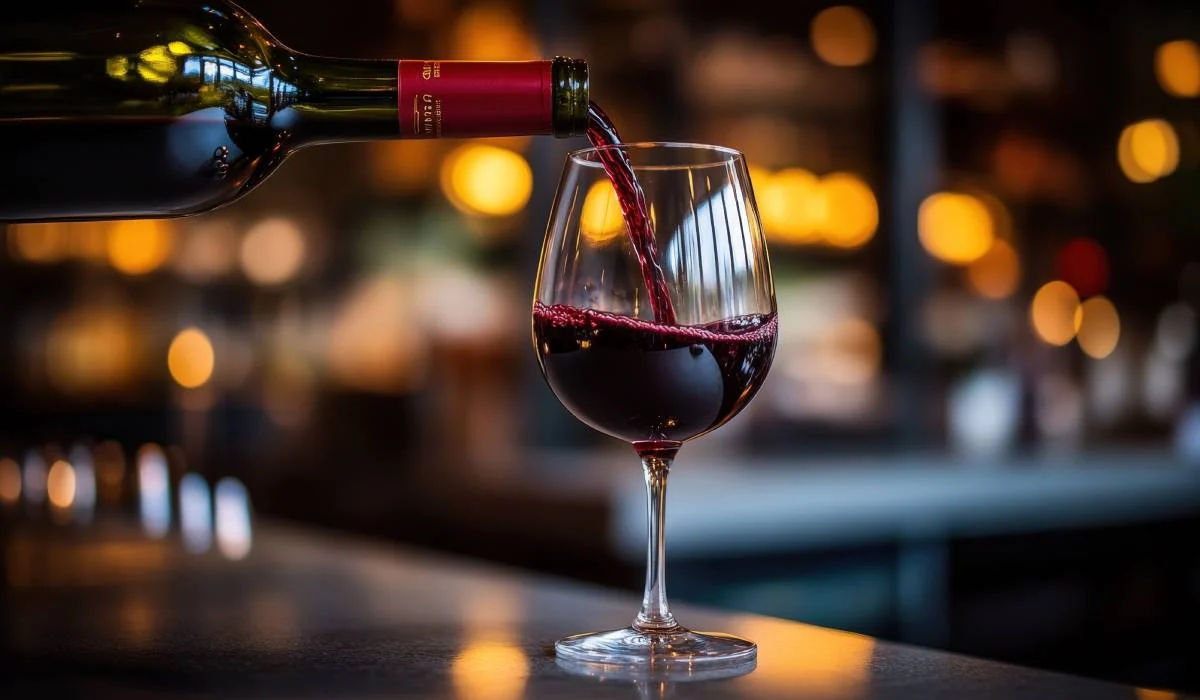
The hospitality industry is currently navigating a distinct shift in consumer behavior as the high heat of summer transitions into the volatile temperatures of early autumn. This period, often referred to by beverage directors as the "shoulder season," presents a unique operational challenge: diners are beginning to seek the psychological comfort and flavor profiles of red wine, yet outdoor temperatures and lingering humidity make full-bodied, high-alcohol reds unappealing. To address this gap, restaurant operators are increasingly turning to "chillable reds," a category that has evolved from a niche trend within the natural wine movement into a cornerstone of sophisticated beverage programs. These wines offer a bridge between the refreshing nature of white wine and the structural complexity of red, providing a versatile tool for sommeliers to enhance guest satisfaction during seasonal pivots.
The Technical Anatomy of Chillable Red Wines
To effectively curate a selection of chillable reds, beverage professionals must understand the physiological and chemical changes that occur when red wine is subjected to lower temperatures. Unlike white wines, which lack significant phenolic compounds from skin contact, red wines contain tannins that react aggressively to cold. When the temperature of a wine is lowered, the perception of bitterness and astringency is heightened. Consequently, not every red wine is a candidate for the refrigerator; a high-tannin Cabernet Sauvignon or Nebbiolo, when chilled, becomes harsh and metallic on the palate.
The ideal chillable red is defined by three primary structural characteristics: low tannin, high acidity, and moderate alcohol content. Grapes with thinner skins, such as Gamay, Pinot Noir, Trousseau, and Schiava, are naturally suited for this style. High acidity is crucial because it provides the "nerve" or energy of the wine, ensuring it remains refreshing even as it warms slightly in the glass. Furthermore, lower alcohol levels—typically ranging from 11% to 13% ABV—ensure that the wine remains integrated. High-alcohol wines often feel "hot" or disjointed when chilled, as the cold suppresses fruit aromatics while leaving the ethanol perception prominent.
From a viticultural perspective, these wines are frequently the product of specific cellar techniques. Many chillable reds utilize carbonic maceration, a process where whole grapes are fermented in a CO2-rich environment before being crushed. This technique extracts vibrant fruit flavors and color while minimizing tannin extraction, resulting in a wine that is "crunchy," fruit-forward, and inherently suited for a 50-to-55-degree service temperature.
Historical Context and the Evolution of the Trend
The rise of chillable reds is not a modern invention but rather a return to traditional European drinking habits. For decades, regions like Beaujolais in France and the Valpolicella in Italy have served their lighter red wines with a slight chill, particularly during harvest seasons or summer months. However, in the American market, a rigid dichotomy persisted for much of the late 20th century: white wine was served cold, and red wine was served at "room temperature."
The flaw in this traditional approach lies in the definition of room temperature. In the era before modern climate control, a dining room might sit at 60 to 65 degrees Fahrenheit. In modern American restaurants, "room temperature" is often closer to 72 degrees, which causes the volatile aromatics in red wine to dissipate and the alcohol to become overbearing.
The current resurgence of chillable reds began in the mid-2010s, driven largely by the natural wine movement and the "Glou-Glou" (glug-glug) aesthetic, which prioritized drinkability and freshness over prestige and oak-driven structure. What began in trendy wine bars in Paris, New York, and East London has now permeated the mainstream. Market data indicates that consumers are increasingly moving away from "heavy" wines in favor of "freshness," a trend reflected in the rising sales of cool-climate varieties and the expansion of the "light red" category on digital wine platforms and retail shelves.
Regional Sourcing Strategies and Cool-Climate Viticulture
As demand for these wines grows, sourcing strategy has become a critical component of beverage program management. Geography serves as the most reliable indicator of a wine’s suitability for chilling. Regions characterized by high latitudes or high altitudes naturally produce grapes with the high acidity and lower sugar levels (and thus lower alcohol) necessary for this style.
While the Beaujolais region remains the global benchmark for chillable reds due to the Gamay grape’s inherent brightness, other regions are gaining significant traction. In the United States, the Willamette Valley in Oregon continues to produce world-class Pinot Noir with the necessary elegance for temperature manipulation. However, the Northeast United States, particularly New York’s Finger Lakes and the Hudson Valley, has emerged as a powerhouse for cool-climate viticulture.
In New York, Cabernet Franc has proven to be an exceptionally versatile variety for the chillable category. When grown in the glaciated soils of the Seneca Lake AVA, Cabernet Franc retains a signature acidity and a profile of red currants and herbal notes. Unlike the riper, more tannic expressions of the grape found in warmer climates, New York Cabernet Franc often possesses a "translucent" quality that thrives at 50 degrees. Other emerging varieties for this program include Blaufränkisch and Zweigelt, which offer deep color but soft tannins and high "zip," making them ideal for the transition from late-summer produce like heirloom tomatoes to early-fall dishes like roasted poultry.
Operational Implications for Restaurant Programs
For restaurant operators, the integration of chillable reds offers several logistical and economic advantages. However, successful implementation requires a departure from standard service protocols.
-
Menu Engineering and Guest Education: One of the primary hurdles is guest expectation. Many diners still associate red wine exclusively with warmth. Industry experts recommend creating a dedicated "Chilled Reds" or "Light & Bright" sub-section on the wine list. This clear categorization signals to the guest that the temperature is intentional, preventing the common misconception that a bottle was simply stored incorrectly.
-
Inventory and Temperature Control: Proper execution requires dedicated refrigeration space. While white wines are typically kept at 42–45 degrees, chillable reds perform best between 50 and 55 degrees. If a restaurant lacks a multi-zone wine fridge, sommeliers often find success by placing these reds in a standard white wine cooler for a shorter duration or using "flash-chilling" methods like an ice-and-salt bath for 10 minutes prior to service.
-
Food Pairing Versatility: From a culinary standpoint, chillable reds are "utility players." Their high acidity allows them to cut through the fat of charcuterie and grilled meats, while their low tannin prevents them from clashing with spicy components or seafood. This makes them an ideal recommendation for tables sharing multiple small plates—a dining style that continues to dominate the modern restaurant landscape.
Statements from Industry Leaders
The shift toward temperature-versatile reds is being championed by vintners who prioritize terroir over traditional power. Christy Counts, founder of Neverstill Wines in New York, emphasizes that these wines are designed for "unhurried connection." According to Counts, the focus on cool-climate viticulture in regions like the Finger Lakes allows for the creation of wines that possess a "beautiful duality—equal parts elegance and mischief."
Sommeliers across major metropolitan markets have echoed this sentiment, noting that chillable reds often have a lower price point than prestigious, cellar-aged heavy reds. This makes them more accessible for the "by-the-glass" program, which is the primary driver of revenue for most beverage programs. "We are seeing a democratization of red wine," says one New York-based beverage director. "Guests are realizing they don’t need a $200 Napa Cab to enjoy a red wine experience in August or September."
Broad Impact and Future Outlook
The rise of chillable reds is more than a passing seasonal trend; it is a reflection of broader changes in the global wine industry, including the impact of climate change and evolving dietary preferences. As global temperatures rise, traditional wine-growing regions are struggling to maintain the acidity levels that make wine balanced. This has led to a renewed interest in "marginal" climates where grapes struggle to ripen, as these regions are now producing the exact style of wine that modern consumers crave.
Furthermore, as consumers become more health-conscious, the demand for lower-alcohol wines continues to grow. Chillable reds fit perfectly into this "wellness" narrative, offering a more moderate drinking experience without sacrificing the complexity of a fermented grape product.
In conclusion, the chillable red category represents a strategic opportunity for restaurant operators to modernize their beverage programs. By understanding the science of tannin and temperature, sourcing from emerging cool-climate regions, and educating staff on proper service, establishments can provide a thoughtful hospitality experience that mirrors the nuances of the changing seasons. As the industry moves forward, the ability to offer "warmth without weight" will likely become a standard requirement for any wine list seeking to remain relevant in a dynamic market.