admin
admin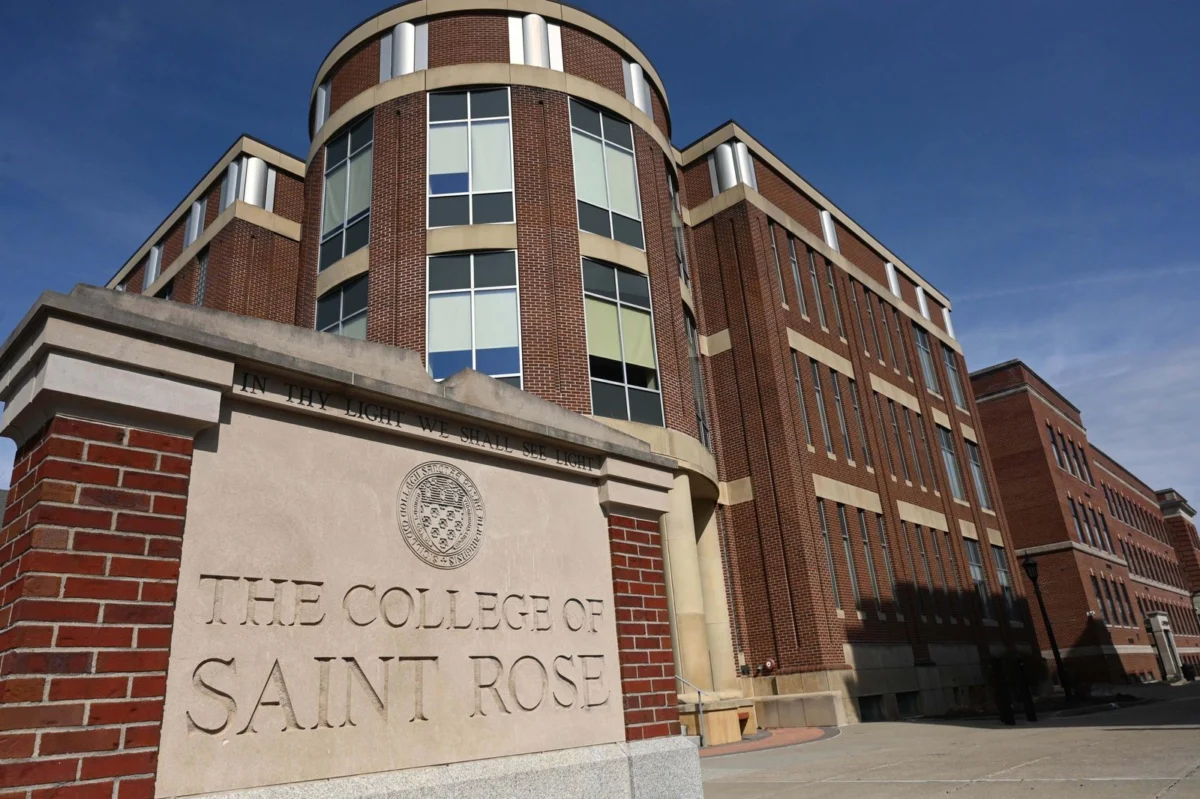
The recent closure of numerous educational institutions across the globe, particularly in North America and Europe, presents a multifaceted challenge for urban planners, local economies, and communities. As demographic shifts, escalating operational costs, and evolving educational models impact traditional brick-and-mortar colleges, the question of repurposing these often expansive and historically significant properties becomes paramount. Concurrently, the global landscape of urban development continues to witness ambitious, high-tech city projects, exemplified by proposals like India’s futuristic urban centers designed to attract global capital and an elite resident base, showcasing a stark contrast in the challenges and aspirations of modern urbanism.
The Lingering Question of Shuttered Campuses: A Case Study in Adaptive Reuse
The closure of a college campus is rarely a sudden event; it is often the culmination of years of financial struggle, declining enrollment, and shifting educational paradigms. When a campus shuts its doors, it leaves behind not just empty buildings, but a void in the local economy and social fabric. These institutions are frequently major employers, cultural hubs, and significant landholders, and their abandonment can trigger a cascade of negative effects, including job losses, decreased property values, and a decline in local business activity.
Consider the hypothetical, yet representative, case of Maplewood College, a small liberal arts institution located in the Hudson Valley region of New York, which announced its permanent closure in May 2023 after nearly 150 years of operation. Maplewood College, like many of its peers, struggled with a dwindling student body, exacerbated by the post-pandemic decline in international student enrollment and a competitive higher education market. Its picturesque 150-acre campus, featuring a mix of historic stone buildings, modern dormitories, a performing arts center, and athletic facilities, now stands vacant, raising urgent questions about its future.
Timeline of Maplewood College’s Decline and Closure:
- 2015-2019: Steady decline in undergraduate enrollment, averaging a 3% annual decrease.
- 2018: College announces significant budget cuts, including faculty layoffs and program consolidations.
- 2020: COVID-19 pandemic accelerates financial distress; shift to remote learning impacts residential revenue.
- 2022: Credit rating downgraded; college enters preliminary discussions with potential merger partners, none materialize.
- January 2023: Board of Trustees votes to cease operations at the end of the academic year.
- May 2023: Maplewood College officially closes, impacting over 200 employees and leaving approximately 800 students to transfer.
Economic and Social Impact on Local Communities:
The immediate economic impact on the fictional town of Maplewood has been substantial. An estimated $15-20 million in annual economic activity, derived from student spending, faculty salaries, and campus operations, has been withdrawn from the local economy. Property values for homes near the campus have seen a preliminary decrease of 5-8%, and several local businesses, including cafes, bookstores, and small retailers, have reported significant drops in revenue, with some facing potential closure.
"The college was the heart of our community," stated Mayor Evelyn Reed of Maplewood in a recent public forum. "It wasn’t just an employer; it was where our kids went to events, where our businesses thrived. Finding a new purpose for such a large and complex property is our absolute priority, but the challenges are immense."
Challenges in Repurposing:
Repurposing a shuttered college campus involves navigating a labyrinth of challenges:
- Zoning and Land Use: Many campuses are zoned specifically for educational purposes, requiring complex rezoning processes for commercial or residential redevelopment.
- Infrastructure and Maintenance: Older buildings often come with significant deferred maintenance, including outdated HVAC systems, asbestos, and lead paint, requiring substantial capital investment for renovation.
- Specialized Facilities: Libraries, science labs, athletic stadiums, and performing arts centers are highly specialized and difficult to adapt for general commercial or residential use without extensive — and costly — modifications.
- Community Sentiment: Locals often have strong emotional ties to the campus, leading to resistance against certain types of redevelopment that might alter its character or accessibility.
- Market Demand: Finding a single developer or entity with the vision and capital to take on an entire campus can be difficult, especially in rural or economically struggling areas.
Innovative Solutions and Adaptive Reuse Trends:
Despite these hurdles, creative solutions are emerging as municipalities and developers look to breathe new life into these dormant spaces.
- Mixed-Use Developments: Converting dorms into apartments or senior living facilities, classrooms into office spaces or co-working hubs, and central campus areas into retail or community centers.
- Vocational Training Centers/Tech Hubs: Leveraging existing infrastructure to create new educational or innovation centers, often focused on specific industries to boost local economies.
- Film Studios/Production Facilities: Large, open spaces like gymnasiums or auditoriums can be repurposed for sound stages, while administrative buildings can serve as production offices.
- Healthcare Facilities: Campuses can be transformed into medical centers, rehabilitation facilities, or even specialized research parks, given their often quiet, expansive environments.
- Affordable Housing Initiatives: Partnering with non-profits or government agencies to convert dormitories into much-needed affordable housing units, especially in areas facing housing shortages.
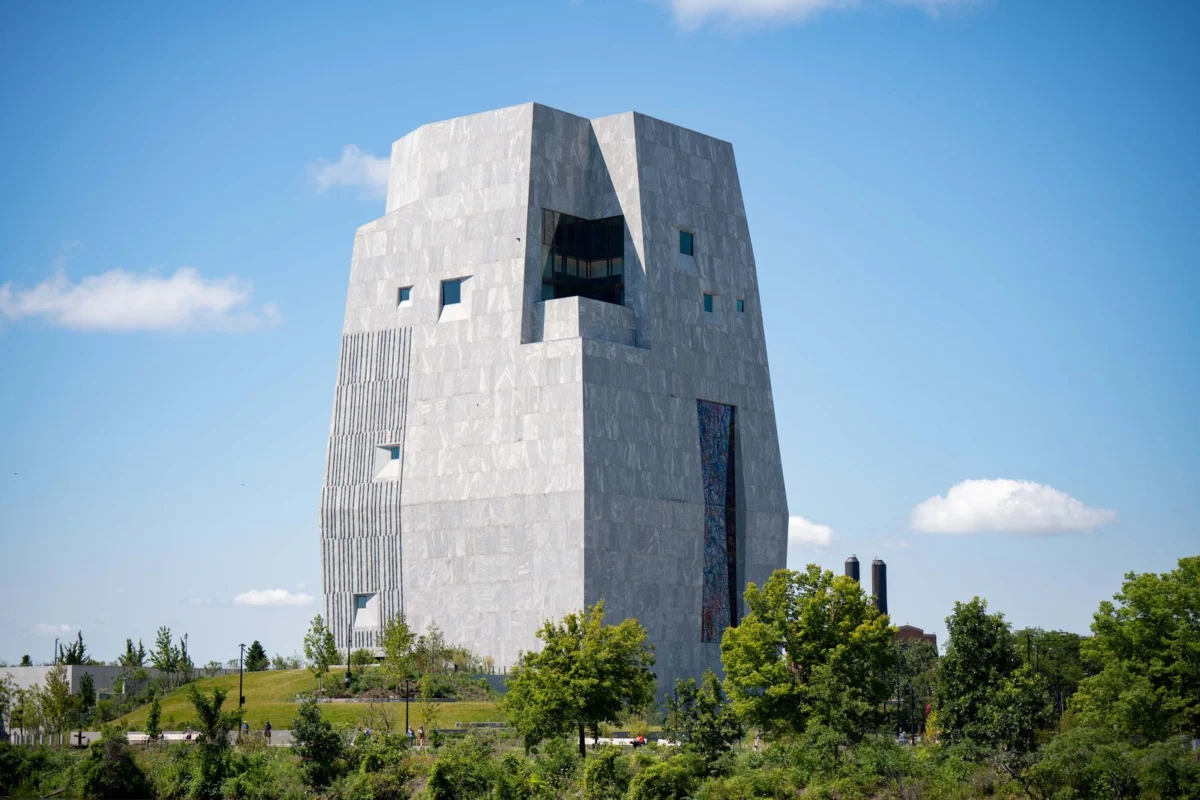
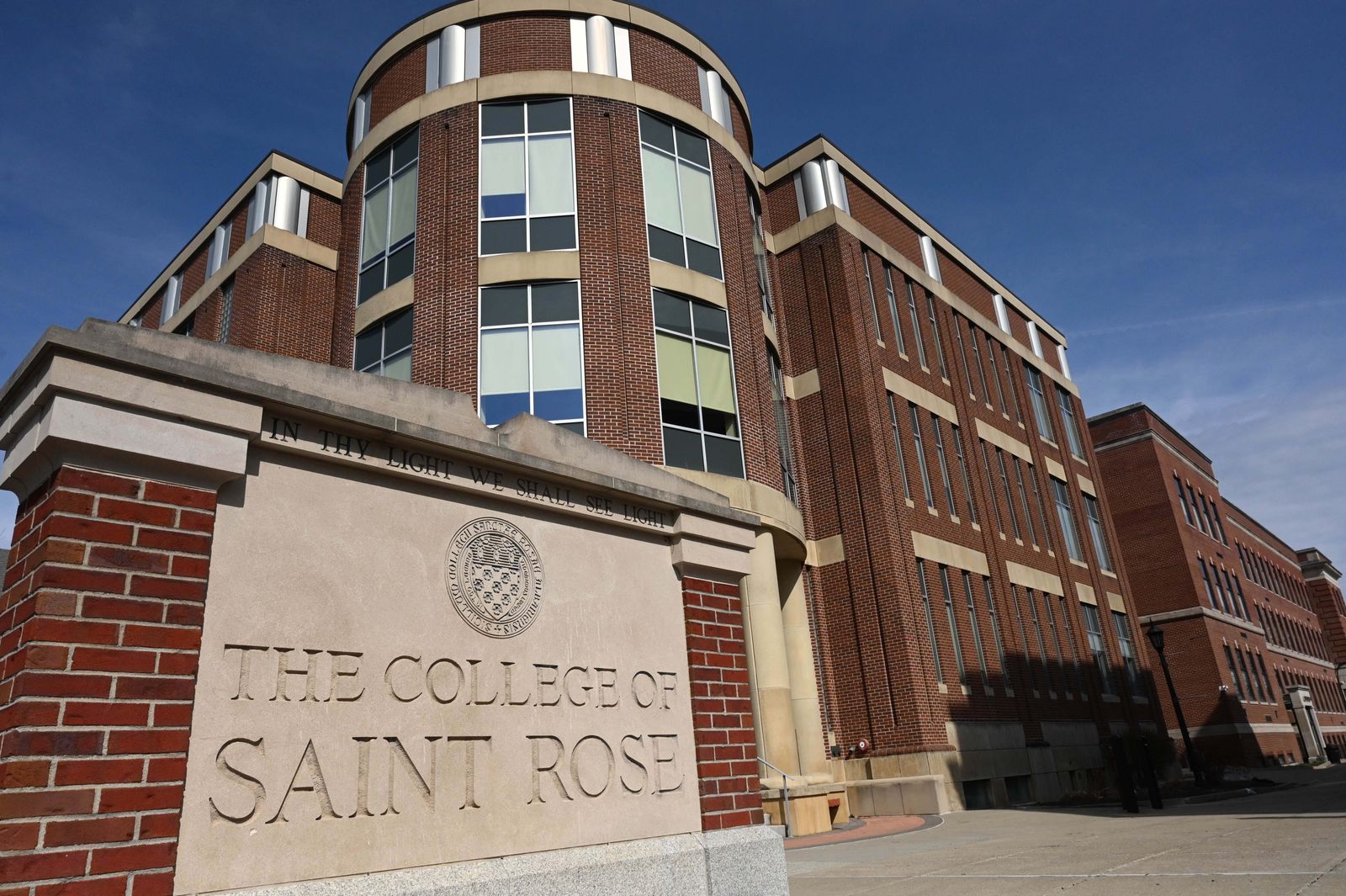
A recent report by the National Council for Urban Renewal (NCUR) highlighted that approximately 30 college campuses in the U.S. have either closed or announced closures since 2016, with fewer than 20% having found a definitive new use within two years of closure. "The key to successful adaptive reuse," explains Dr. Anya Sharma, an urban planning expert at the NCUR, "is early community engagement, flexible zoning, and strategic public-private partnerships. The photo of the shuttered campus featured in this week’s news underscores a growing national challenge."
Beyond the Shuttered Campus: India’s Vision for Futuristic Cities
While some communities grapple with the legacy of defunct institutions, others are aggressively pursuing ambitious visions for entirely new urban landscapes. India, in particular, is at the forefront of this trend, driven by rapid urbanization, a burgeoning economy, and a strategic national push for "Smart Cities." These projects aim to create highly advanced, sustainable, and economically vibrant urban centers from the ground up, often with a focus on attracting specific industries and a high-net-worth population.
The concept of a "futuristic city" in India often blends cutting-edge technology, green infrastructure, and a high standard of living, frequently targeting specific economic niches. The "Indian Creek Billionaires Club" mentioned in speculative reports likely refers to a proposed high-end, exclusive residential and business enclave within one of India’s larger smart city initiatives, or an entirely new, privately developed project catering to ultra-affluent individuals and global corporations.
Context of India’s Urbanization and Smart City Mission:
India is undergoing one of the fastest rates of urbanization globally. By 2030, an estimated 40% of its population will live in urban areas, adding 250 million new urban dwellers. To manage this growth and stimulate economic development, the Indian government launched the Smart Cities Mission (SCM) in 2015, aiming to develop 100 cities nationwide. While the SCM focuses on upgrading existing cities, it has also spurred interest in greenfield developments – entirely new cities built from scratch.
One prominent example is the Gujarat International Finance Tec-City (GIFT City), India’s first operational smart city and international financial services center. Conceived as a global financial hub, GIFT City incorporates smart infrastructure, efficient public transport, and high-quality residential and commercial spaces. It serves as a blueprint for other futuristic city projects.
The Vision for "Indus Creek City" (A Hypothetical Futuristic Hub):
Drawing inspiration from the "Indian Creek Billionaires Club" concept, let’s consider a hypothetical project, Indus Creek City, envisioned as a premium, technologically advanced urban ecosystem along a strategic waterway, perhaps in the rapidly developing corridor between Mumbai and Ahmedabad.
- Conception: First publicly discussed around 2020 by a consortium of international developers and Indian infrastructure giants, with initial government backing for land acquisition and regulatory frameworks.
- Objective: To create a global magnet for high-tech industries (AI, biotech, fintech), luxury tourism, and ultra-high-net-worth individuals, offering unparalleled quality of life and business efficiency.
- Design Principles:
- Hyper-Connectivity: 5G ubiquitous, IoT integrated into urban services (traffic management, waste collection, public safety).
- Sustainability: Extensive green spaces, renewable energy sources (solar farms), advanced waste-to-energy plants, smart water management systems, and a zero-emission public transport network (electric autonomous vehicles, hyperloop connections to major cities).
- Luxury Living: High-rise residences with panoramic views, exclusive clubhouses, private marinas, world-class golf courses, and international schools and hospitals. The "Billionaires Club" element would manifest as ultra-exclusive residential enclaves with bespoke services and unparalleled security.
- Economic Zones: Dedicated zones for R&D, innovation hubs, and corporate headquarters, attracting global talent and investment.
Investment and Development Timeline:
- Phase 1 (2020-2025): Master planning, land acquisition (potentially controversial, involving displacement of existing communities), initial infrastructure development (road networks, power grids, basic utilities). Estimated investment: $10-15 billion, primarily from a mix of sovereign wealth funds, private equity, and government seed funding.
- Phase 2 (2025-2035): Construction of core commercial districts, initial residential towers, and key public amenities. Development of the "Indus Creek Billionaires Club" enclave with high-security, custom-built residences. Anticipated foreign direct investment (FDI) inflows of $50 billion.
- Phase 3 (2035-2045): Full build-out, expansion of green corridors, completion of specialized research parks and cultural institutions. Expected population: 500,000 residents and 300,000 jobs.
Statements from Stakeholders:
"Indus Creek City represents India’s leap into the future of urban living and global commerce," stated Mr. Rajendra Singh, Minister for Urban Development, during a recent press briefing. "It will be a beacon of innovation, sustainability, and economic prosperity, attracting the brightest minds and the most dynamic enterprises from around the world."
Developers like Akash Builders & Infrastructure Pvt. Ltd., a key player in the consortium, emphasize the unparalleled lifestyle: "The ‘Indus Creek Billionaires Club’ is not just about luxury; it’s about a curated environment where global leaders can live, work, and connect in an ecosystem designed for peak performance and unparalleled comfort. It will set new benchmarks for exclusive urban living."
Implications and Broader Impact:
The development of such futuristic cities in India carries significant implications:
- Economic Growth: These projects are designed to be engines of economic growth, attracting FDI, creating high-value jobs, and fostering innovation.
- Technological Advancement: They serve as testbeds for smart technologies, pushing the boundaries of urban infrastructure and services.
- Social Equity Concerns: A primary criticism revolves around the exclusivity of such developments. While they promise jobs, the high cost of living and the focus on affluent residents can exacerbate existing socio-economic disparities, potentially displacing local populations or creating isolated enclaves.
- Environmental Impact: Despite green rhetoric, large-scale construction always carries an environmental footprint, requiring careful monitoring and mitigation strategies.
- Global Competitiveness: These cities aim to position India as a global leader in urban planning and a competitive destination for international business and talent.
A Tale of Two Urban Realities
The narrative of shuttered college campuses and the emergence of futuristic smart cities represents two ends of the urban development spectrum. On one hand, communities are grappling with the decline of established institutions, necessitating creative and often challenging adaptive reuse strategies to prevent urban decay and revitalize local economies. The closure of institutions like Maplewood College highlights the urgent need for flexible urban planning, community engagement, and innovative financial models to convert liabilities into assets.
On the other hand, nations like India are aggressively building new urban frontiers, driven by aspirations of economic prowess and technological leadership. Projects like the envisioned Indus Creek City, with its "Billionaires Club" component, symbolize a bold, often exclusive, vision for the future. While promising immense economic benefits and advanced living standards, they also raise critical questions about inclusivity, environmental stewardship, and the equitable distribution of urban prosperity.
Both scenarios underscore the dynamic and ever-evolving nature of urban landscapes. Whether repurposing the old or building the new, the fundamental challenges remain: creating sustainable, economically vibrant, and socially cohesive environments that serve the needs of all residents. The week’s news, from local dilemmas to global ambitions, paints a vivid picture of humanity’s ongoing quest to shape its future habitat.