admin
admin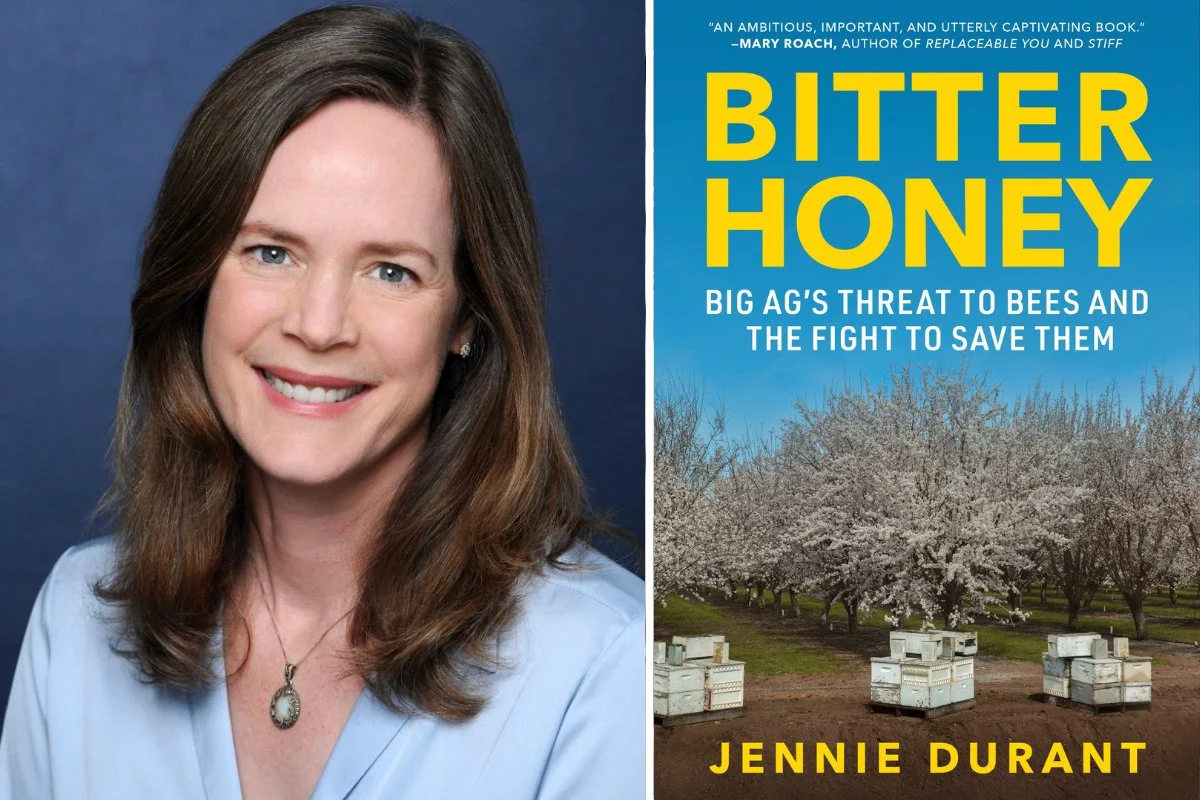
The captivating hum of a beehive, the rich aroma of wax and honey, proved an intoxicating revelation for Dr. Anna Durant, igniting an unexpected passion that would redefine her life and career. This profound sensory experience, coupled with the resonant themes of refuge and enlightenment found in Sue Monk Kidd’s novel The Secret Life of Bees, propelled Durant onto a new and urgent path: dedicated advocacy for pollinators. Her journey, initially sparked by an apiary visit, led her to keep bee colonies, commit her professional life to understanding and protecting these vital insects, and ultimately to author the critically acclaimed, solutions-oriented book, Bitter Honey: Big Ag’s Threat to Bees and the Fight to Save Them. Durant’s deepening engagement with the world of bees coincided with a period of global alarm, as news outlets worldwide began to report on the mysterious and catastrophic disappearance of honey bee colonies, a phenomenon then widely categorized as Colony Collapse Disorder (CCD).
The global food system, underpinning human civilization, faces an existential threat from the escalating decline of pollinator populations. With an estimated 35 percent of the world’s food crops, including many fruits, vegetables, and nuts, relying directly on animal pollination, widespread colony losses place immense strain on agricultural productivity and food security. Durant’s nearly two decades of intensive research into the bee crisis, spanning her doctoral studies at the University of California, Berkeley, a postdoctoral fellowship with the U.S. Department of Agriculture (USDA), and a science and technology policy fellowship with the American Association for the Academy of Sciences (AAAS), illuminated a critical insight: industrial farming practices represent the most significant risk factor for bees. While much discourse surrounding the bee crisis has historically focused on the immediate harms of pesticides, particularly neonicotinoids, Durant’s work in Bitter Honey adopts a more expansive, systems-level approach. She meticulously details the myriad ways in which industrialization has fundamentally reshaped agriculture, irrevocably altering the landscapes and ecological niches essential for bee survival. Civil Eats recently engaged with Durant to delve deeper into the intricate vulnerabilities of bees, their indispensable role in maintaining robust food systems, and the emergent, on-the-ground solutions that offer hope for the long-term thriving of both managed colonies and native pollinator populations.
A Unique Lens on the Bee Crisis: Bitter Honey‘s Distinct Contribution
Durant’s Bitter Honey stands apart in the burgeoning literature on bee health by offering a distinctive framework for understanding the crisis. Unlike many publications that might touch upon the broader food system, Durant’s book is pioneering in its explicit framing of the industrial agricultural system as the primary, overarching driver of bee vulnerability and widespread declines. This bold assertion provides a crucial reorientation of the conversation, shifting focus from isolated factors to systemic issues. Furthermore, the book is enriched by Durant’s immersive, 14-year engagement with the beekeeping community. This deep dive allowed her to intricately weave the personal narratives of beekeepers into the fabric of her research. Each chapter introduces readers to a specific beekeeper, offering an intimate glimpse into their daily struggles, innovations, and profound connection to their bees. This human element grounds the scientific analysis in lived experience, making the complex issues more relatable and urgent. Perhaps most importantly, Bitter Honey dedicates three comprehensive chapters to practical, on-the-ground solutions, moving beyond problem identification to showcase tangible actions and successful initiatives already underway. This forward-looking perspective injects a vital dose of optimism and actionable insight into a often-daunting subject.
Unraveling the "Five Ps" of Bee Decline: Pests, Pathogens, Pesticides, Poor Nutrition, and Policy
Beekeepers have long articulated the multifaceted challenges facing their colonies through what they term "The Four Ps": Pests, Pathogens, Pesticides, and Poor Nutrition. Dr. Durant, through her extensive research and policy engagement, expands this critical framework to encompass a fifth, equally crucial factor: "bad Policy." Understanding these interwoven elements is essential to grasping the full scope of the bee crisis.
The first "P" encompasses Pests, with the varroa mite (scientific name: Varroa destructor) standing out as the primary and most devastating threat to honey bees globally. These microscopic, external parasites attach to bee bodies, feeding not on hemolymph (bee blood) as previously thought, but on the bees’ crucial fat body tissue. This tissue is vital for energy storage, immune response, and detoxification processes, making its degradation by varroa mites particularly debilitating. The mites’ feeding also directly facilitates the transmission of deadly Pathogens (the second "P"), such as deformed wing virus (DWV) and acute bee paralysis virus (ABPV). These viruses, often latent or less virulent in the absence of varroa, become highly destructive when spread by the mites, leading to weakened immune systems, developmental abnormalities, and premature colony collapse. The synergistic effect of varroa mites and the viruses they transmit is a leading cause of bee mortality, with studies indicating that beekeepers in the U.S. have lost an average of 60 percent of their colonies in recent years, largely attributable to these mite-borne viruses.
The third "P" addresses Pesticides, particularly the class of systemic insecticides known as neonicotinoids. These chemicals, widely used in agriculture, are absorbed by plants and present in pollen and nectar, exposing foraging bees to toxic residues. Even at sub-lethal doses, neonicotinoids can severely impair a bee’s ability to forage efficiently, navigate back to the hive, learn, and even affect the queen’s reproductive capacity. This insidious impact weakens colonies over time, making them more susceptible to other stressors. While regulations vary globally, the widespread application of these chemicals remains a contentious issue, with ongoing debates about their necessity versus their ecological cost.
Poor Nutrition constitutes the fourth "P," a direct consequence of the modern agricultural landscape dominated by monoculture farming. In natural, biodiverse environments, pollinators benefit from a varied diet derived from a succession of wildflowers and diverse crops, providing a rich spectrum of essential nutrients, vitamins, and minerals. In stark contrast, vast tracts of monoculture crops, such as corn, soy, or even almonds, offer only a single, often nutritionally incomplete, food source for a brief period. Once the bloom is over, these landscapes become "green deserts," devoid of forage, forcing bees to rely on supplemental feeding or face starvation. This nutritional deficit weakens bee immune systems, reduces their resilience to disease, and diminishes their overall vitality.
Finally, Dr. Durant introduces Bad Policy as the fifth critical "P." This encompasses a range of governmental and institutional shortcomings that exacerbate the bee crisis. A significant challenge is the insufficient regulatory framework surrounding chemical use, particularly the lack of comprehensive information regarding which chemicals are truly toxic to bees and at what exposure levels. The registration process for new pesticides often fails to adequately assess their long-term, synergistic, and sub-lethal impacts on pollinators. Furthermore, policy decisions can directly undermine conservation efforts. Durant points to funding cuts to critical research and conservation programs, particularly those seen under previous administrations. An illustrative example is the threatened shutdown of the Beltsville Agricultural Research Center in Maryland, a vital institution for bee health research. Such actions dismantle essential infrastructure for understanding and combating bee declines, creating a void in scientific knowledge and practical support for beekeepers.
The Research Journey: From California Almonds to D.C. Policy
Durant’s research for Bitter Honey was a meticulous, multi-pronged endeavor designed to connect the dots between agricultural practices and bee vulnerability. A central focus was the profound impact of the almond industry on commercial beekeeping. With an astounding 90 to 95 percent of all commercial honey bee colonies in the United States migrating to California for the almond bloom each spring, this industry represents an unprecedented concentration of pollinator resources and a critical nexus for understanding bee health challenges. Durant sought to uncover how beekeepers had adapted their management practices to meet the immense pollination demands of this sector.
Her field research took her deep into California’s Central Valley, where vast almond orchards stretch for miles, and further north to Chico, a hub for queen breeding operations. She interviewed beekeepers managing operations of all scales, from those with a modest 50 colonies to industrial-sized operations boasting 90,000 hives. This extensive ethnographic work allowed her to gather firsthand accounts of the logistical complexities, economic pressures, and practical adaptations beekeepers undertake. To gain a broader perspective on the migratory beekeeping industry, Durant also traveled to North Dakota, where many commercial colonies spend their summers after the California almond bloom, building strength and producing honey before being trucked across the country again.
Following her field research, Durant transitioned to Washington, D.C., for a year-long fellowship focused on pollinator policy. This experience provided her with a crucial "50,000-foot view" of federal policy, allowing her to interact closely with officials at the U.S. Environmental Protection Agency (EPA) and the USDA. This vantage point illuminated the intricate landscape of regulations, incentives, and bureaucratic hurdles that beekeepers must navigate. She observed a dedicated cadre of individuals within the USDA striving to support beekeepers, yet noted a significant disparity: honey and beekeeping historically receive less institutional support and funding compared to other major commodity and livestock sectors, a situation further exacerbated by budget cuts.
The "Bitter Honey" Metaphor: A Faustian Bargain
The evocative title of Durant’s book, Bitter Honey, carries a profound symbolic weight that encapsulates the central dilemma faced by commercial beekeepers. It refers to the honey produced by bees foraging in almond orchards, which possesses an acrid, unpleasant flavor due to naturally occurring chemical compounds in almond nectar. This "bitter honey" is not commercially viable and is typically left within the hives for the bees’ own consumption. This phenomenon serves as a potent metaphor for the "Faustian bargain" beekeepers have struck with the almond industry.
To meet the insatiable demand for almond pollination, beekeepers undertake an arduous and resource-intensive regimen. They transport their colonies across vast distances, often thousands of miles, pushing the bees to their physiological limits. Almonds bloom in late winter, a period when bees would naturally be in a state of "winter clustering" – a form of semi-hibernation, conserving energy. To force activity during this dormant phase, beekeepers must provide supplemental feeding and aggressively manage varroa mites, which thrive on stressed colonies. Furthermore, there is a pervasive trend towards breeding increasingly productive queen bees. However, the subspecies selected for maximum honey production and rapid population growth often prove to be the most susceptible to mite infestations and diseases. This relentless drive for productivity, while economically necessary for beekeepers to survive in a challenging market, comes at a significant biological cost to the bees themselves, leading to weakened immune systems, increased susceptibility to disease, and reduced longevity. The bitter honey, therefore, symbolizes the harsh reality of this trade-off: immense effort and biological strain for a product that is ultimately unpalatable, yet essential for the survival of both the bees and the beekeepers within the industrial agricultural system.
A Historical Shift: From Wild Honey to Industrial Pollination
The relationship between humans and bees spans millennia, evolving from ancient honey gathering to the highly specialized, industrial-scale pollination services of today. For thousands of years, humans sought wild honey for its sweetness and medicinal properties, often risking stings to access natural hives. The domestication of bees, a gradual process, transformed this interaction. A pivotal technological innovation arrived around the 1850s with the invention of the Langstroth hive by Lorenzo Lorraine Langstroth. This revolutionary design, featuring movable frames, allowed beekeepers to inspect colonies, manage diseases, and harvest honey without destroying the hive, paving the way for commercial beekeeping.
During the World Wars, beekeepers played a crucial role, providing honey as a sugar substitute and beeswax for various industrial and military applications. However, the post-World War II era marked a profound and detrimental turning point for bees and the broader agricultural landscape. The war’s end saw a repurposing of wartime chemicals for agricultural use, leading to the widespread adoption of synthetic nitrogen fertilizers (originally used in munitions) and new, potent pesticides. This period ushered in the era of industrial agriculture characterized by monoculture farming – vast expanses dedicated to a single crop.
This shift dramatically altered the ecological tapestry that bees had long relied upon. Landscapes that once boasted a diverse array of wild flora, providing continuous nectar and pollen resources, were replaced by "feast or famine" environments. A single crop would offer an abundance of bloom for a brief period, followed by long stretches of nutritional scarcity once the bloom concluded. Concurrently, the increasing use of agrochemicals, coupled with expanding urbanization and habitat loss, led to significant declines in native bee populations. As native pollinators diminished, the burgeoning industrial agricultural sector, particularly for crops like almonds that require intensive pollination, faced a growing deficit. This created a demand that commercial beekeepers stepped in to fill, initiating the practice of migratory beekeeping – trucking hives across the country to provide essential pollination services, a practice that has become both a lifeline and a burden for the honey bee industry.
Broader Impact and Implications: A Call for Systemic Change
The implications of the bee crisis extend far beyond the immediate health of bee colonies, reverberating through global food systems, ecological biodiversity, and economic stability. The reliance on migratory beekeeping for crops like almonds highlights a critical vulnerability: if commercial colonies continue to decline, the economic backbone of industries worth billions of dollars could collapse. For instance, the California almond industry alone generates over $6 billion annually, a figure entirely dependent on the successful pollination by honey bees. The loss of these pollinators would not only impact the almond industry but ripple across a multitude of other crops, including apples, blueberries, cherries, and avocados, leading to reduced yields, increased food prices, and potential food shortages.
Ecologically, the crisis signifies a broader unraveling of biodiversity. While honey bees are often the focus, native pollinators – including thousands of species of wild bees, butterflies, moths, and other insects – are also suffering severe declines due to habitat loss, pesticide exposure, and climate change. These native species play an equally critical, often overlooked, role in pollinating wild plants and maintaining ecosystem health. Their decline suggests a fundamental imbalance in natural systems, with long-term consequences for plant reproduction, forest health, and overall ecological resilience.
Economically, beekeepers themselves face immense financial pressures. The constant battle against varroa mites, the cost of supplemental feeding, the logistics of migratory operations, and the annual losses of colonies impose significant burdens. Many beekeepers struggle to remain profitable, and the industry faces an uncertain future without substantial shifts in agricultural practices and policy support.
Dr. Durant’s Bitter Honey serves as a powerful call for systemic change. It argues that addressing the bee crisis requires moving beyond piecemeal solutions and confronting the foundational issues within industrial agriculture. This includes advocating for more stringent pesticide regulations, promoting agricultural practices that foster biodiversity and provide diverse forage for pollinators (such as cover cropping, hedgerows, and reduced tillage), and investing significantly in research and conservation programs. The book’s focus on solutions, drawing from the innovative practices of beekeepers and farmers on the ground, offers a pathway forward. These solutions are not merely about saving bees; they are about fostering a more sustainable, resilient food system that benefits farmers, consumers, and the environment alike, ensuring that the vital hum of pollinators continues for generations to come.