admin
admin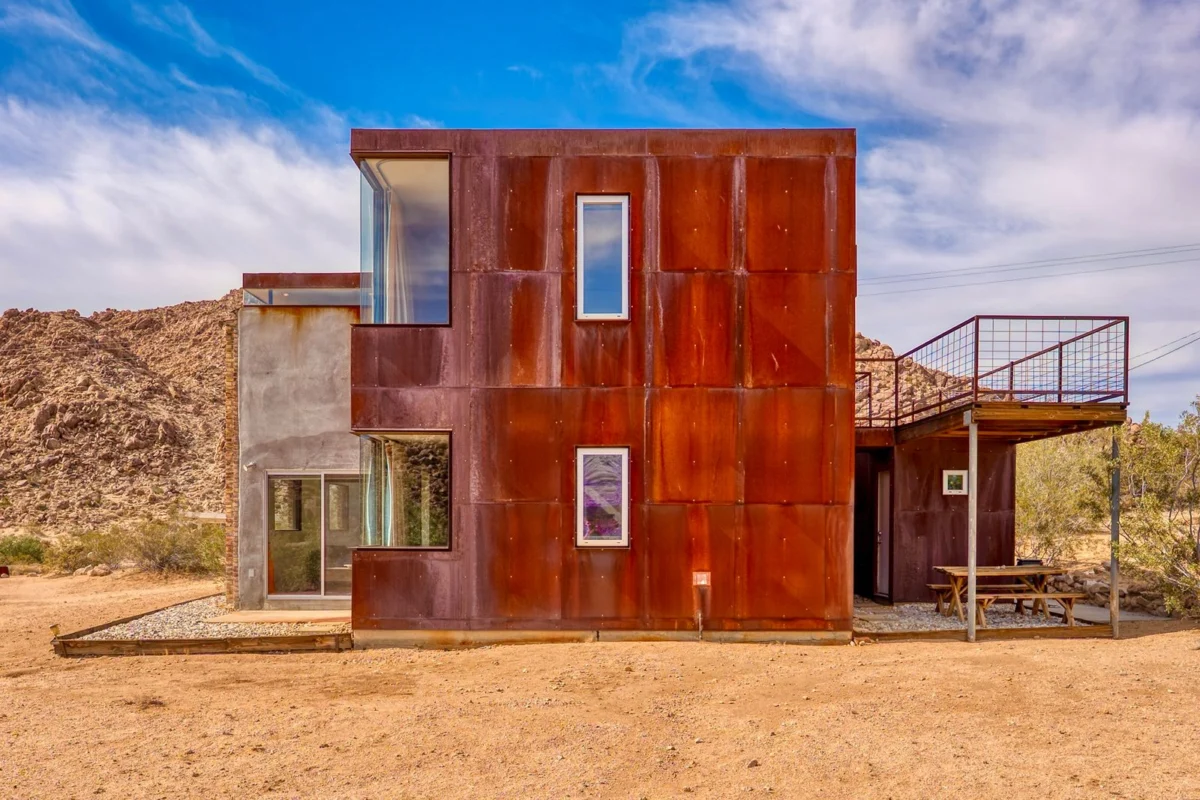
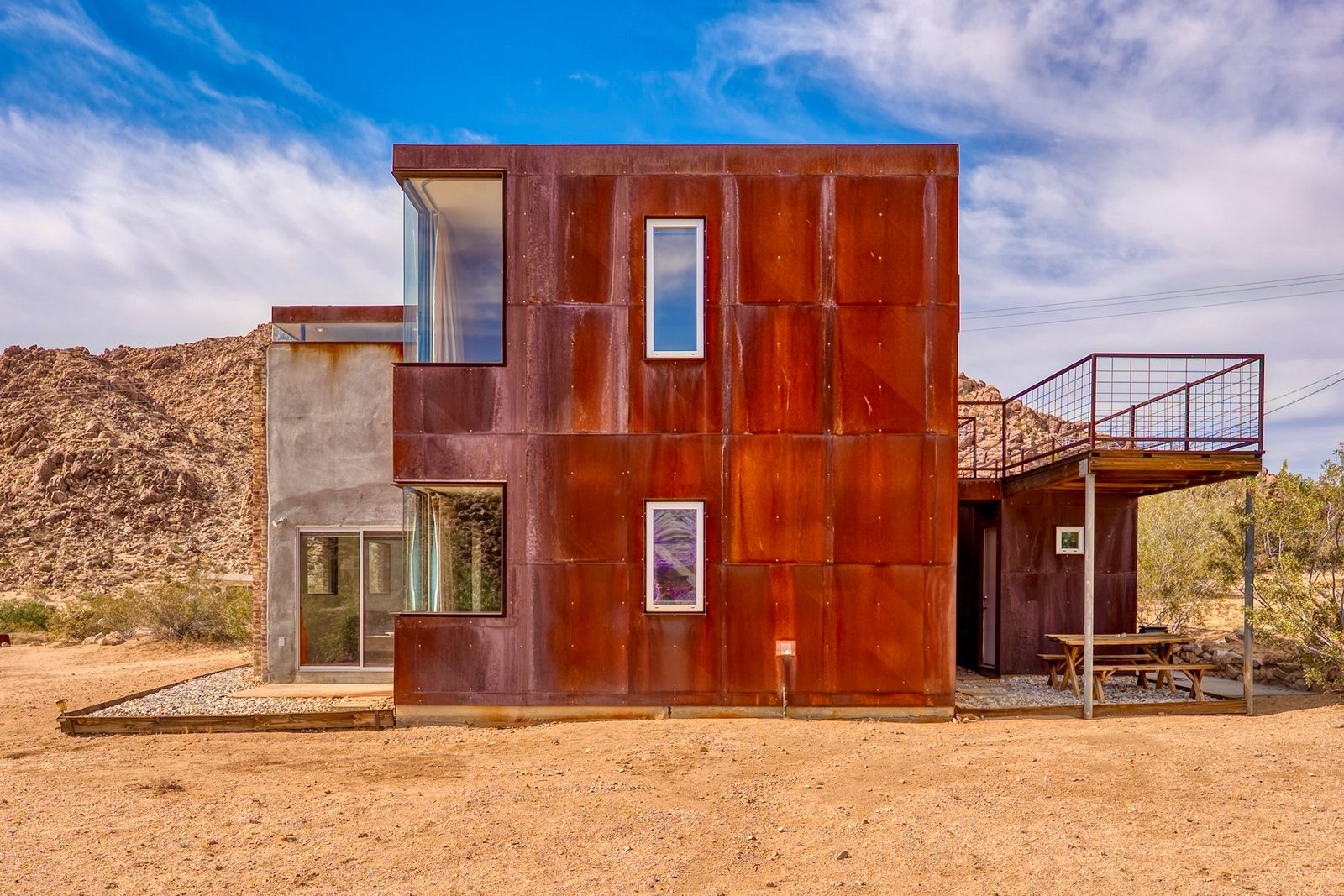
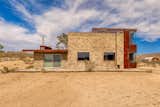
A striking architectural marvel, the Michael Rotondi-designed residence located at 63131 Rocking Chair Road in Joshua Tree, California, has been listed for sale at $1,850,000. Completed in 2007 and meticulously renovated over a decade, this 1,845-square-foot, two-bedroom, three-bathroom home sits on a sprawling five-acre lot, just a mile from the majestic entrance of Joshua Tree National Park. The property distinguishes itself through its robust Cor-Ten steel exterior, organic integration with the desert landscape, and an architectural pedigree that positions it as a significant piece of modern design in a highly sought-after natural setting.
Architectural Vision: Michael Rotondi’s Desert Legacy
The residence is a testament to the visionary design principles of Michael Rotondi, a renowned architect and co-founder of the influential firm Roto Architects (RotoArk). Rotondi is celebrated for his experimental approach to architecture, often characterized by a profound respect for context and a desire to create structures that resonate with their natural surroundings. His work frequently explores the interplay of simple, elemental forms and dynamic, open volumes, a philosophy vividly manifested in the Joshua Tree property. Designed in 2007, the house represents a mature exploration of these themes, responding directly to the stark beauty and challenging climate of the High Desert. The agent describes it as an "organic architectural treasure," underscoring Rotondi’s commitment to creating structures that feel intrinsically linked to their environment rather than imposed upon it. This design ethos is particularly pertinent in a landscape as unique and fragile as Joshua Tree, where environmental sensitivity is paramount.
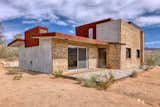
The core of the home’s design features a prominent cube, measuring 25 feet on each side, which serves as the main addition and anchors the structure. This geometric simplicity, combined with the strategic placement of openings and volumes, defines the interior experience, fostering a sense of spaciousness and connection to the outdoors. Rotondi’s designs often challenge conventional notions of space, light, and materiality, and this Joshua Tree home is no exception, offering a contemplative retreat that is both visually arresting and deeply functional.
A Decade of Refinement: The Renovation Journey
While designed in 2007, the property underwent an extensive renovation process spanning 10 years. This prolonged period of refinement is indicative of a dedication to perfecting the home’s integration with its site and enhancing its performance in the desert climate. A decade-long renovation typically involves a multi-faceted approach, moving beyond superficial updates to encompass structural enhancements, system upgrades, and meticulous detailing. For a property of this architectural significance, such a renovation would likely have focused on:
- Material Optimization: Ensuring the Cor-Ten steel’s weathering process was managed correctly and that interior materials were robust and aesthetically harmonious.
- Energy Efficiency and Climate Control: Fine-tuning insulation, window systems, and HVAC to optimally manage the extreme desert temperatures, a critical aspect addressed by the "Mondo central air" system.
- Landscape Integration: Developing exterior spaces and pathways that enhance the connection to the surrounding boulders and desert flora.
- Interior Refinements: Custom millwork, fixture selection, and surface treatments that align with the architect’s original vision while meeting contemporary luxury standards.
- Structural Integrity and Longevity: Addressing any wear and tear from the harsh desert environment and ensuring the building’s long-term resilience.
This extended period of renovation suggests a commitment from the previous owners to elevate the property to its current state of exquisite readiness, transforming it into a turn-key luxury desert retreat. Such a significant investment in time and resources contributes substantially to the property’s current valuation and its appeal to discerning buyers seeking a meticulously maintained, architecturally significant home.
Cor-Ten Steel: A Rugged Elegance for the Desert
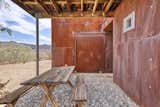
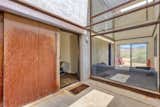
One of the most defining features of the Joshua Tree residence is its exterior cladding of Cor-Ten steel. Cor-Ten, or weathering steel, is an alloy that develops a stable, rust-like appearance after exposure to the elements, eliminating the need for painting and offering exceptional corrosion resistance. This distinctive material choice is more than just an aesthetic statement; it is a pragmatic and environmentally sensitive solution for desert architecture.
Aesthetic Integration: The rich, earthy hues of the rusted Cor-Ten steel naturally harmonize with the rugged desert landscape, particularly the surrounding boulder formations and the subtle palette of the High Desert flora. As the steel ages, its patina deepens, creating a dynamic facade that evolves with time and weather, further blending the structure into its environment. This material choice reflects a design philosophy that embraces natural processes and integrates the building into the ecological narrative of the site.
Durability and Low Maintenance: In the harsh desert environment, characterized by intense sun, wide temperature swings, and occasional high winds, Cor-Ten steel offers superior durability. Its protective rust layer acts as a barrier against further corrosion, making it a low-maintenance material that can withstand extreme conditions without degradation. This longevity and reduced need for upkeep are significant advantages for a remote property.
Thermal Considerations: While metal can typically absorb and conduct heat, the strategic application of Cor-Ten steel in conjunction with appropriate insulation and passive design strategies can contribute to the home’s thermal performance. Modern desert architecture often employs heavy materials with high thermal mass to absorb heat during the day and release it slowly at night, or, conversely, utilize ventilated rain screen systems with Cor-Ten to create a thermal break. The inclusion of "Mondo central air" indicates a comprehensive approach to maintaining interior comfort regardless of external temperatures. The choice of Cor-Ten steel, a material often associated with industrial and sculptural applications, here speaks to a sophisticated understanding of both form and function in an extreme climate.
Seamless Integration with the Landscape: Joshua Tree’s Allure
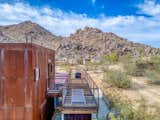
The property’s location at 63131 Rocking Chair Road is integral to its identity and value. Situated just a mile from the entrance of Joshua Tree National Park, it offers unparalleled access to one of California’s most iconic natural landscapes. The immediate surroundings are equally breathtaking, with the house nestled "between two large mounds of boulders," creating a private enclave that feels ancient and untouched. The design strategically leverages these natural formations, with windows thoughtfully positioned to "capture views of the surrounding mountains and desert landscape," culminating in "enhanced by sunset vistas" and panoramic views of the Pinto Mountains.
Joshua Tree National Park, renowned for its unique geological formations, distinctive Joshua Trees, and vibrant desert ecosystem, has witnessed a significant surge in popularity over the past decade. This increased interest has driven a robust demand for real estate in the surrounding communities, transforming Joshua Tree into a sought-after destination for artists, nature enthusiasts, and those seeking a tranquil escape from urban life. The town’s real estate market has seen consistent appreciation, particularly for properties that offer unique architectural design and proximity to the park. The Rotondi residence, with its prime location and distinctive design, stands as a premier example of luxury desert living in this evolving market. The 5-acre lot size further amplifies this connection, providing ample space to commune with nature and ensuring privacy amidst the iconic desert scenery.
Interior Design and Comfort: A Sanctuary in the Sands
Beyond its impressive exterior, the Joshua Tree home offers a meticulously crafted interior designed for comfort and aesthetic pleasure. The two-story floor plan spans 1,845 square feet, accommodating two bedrooms and three bathrooms, providing a luxurious living experience for its size. The thoughtful design extends to the volumetric characteristics of the interior spaces:
- Dramatic Ceiling Heights: The upstairs bedroom boasts a generous 10-foot ceiling, creating an airy and expansive feel. Downstairs, the bedroom features even more dramatic 14-foot-high openings, which not only enhance the sense of space but also likely serve to frame specific views of the desert landscape, drawing the outside in. These varying ceiling heights contribute to the dynamic character of the interior, preventing monotony and adding architectural interest.
- Climate Control: The desert climate necessitates robust climate control systems. The inclusion of "Mondo central air" is a crucial detail, ensuring consistent comfort throughout the home, even during the peak summer months when temperatures can soar well over 100 degrees Fahrenheit (38 degrees Celsius). This system, along with proper insulation and window treatments, transforms the rugged exterior into an interior sanctuary.
- Luxurious Amenities: The primary bedroom features "his-and-hers bathrooms," a hallmark of luxury living that offers convenience and privacy. This detail underscores the home’s commitment to comfort and refined living.
- Outdoor Living Spaces: A separate storage building on the property is topped with a long, narrow roof deck. This accessible roof deck extends the living space outdoors, offering an elevated vantage point for observing the desert’s dramatic sunrises and sunsets, stargazing, or simply enjoying the expansive views of the Pinto Mountains and boulder fields. This feature transforms a utilitarian structure into a key amenity for experiencing the unique desert environment.
The interior spaces, characterized by "simple forms and open volumes," are designed to be both functional and flexible, allowing residents to personalize the home while maintaining its architectural integrity. The large openings and strategically placed windows ensure that natural light permeates the interiors, reducing the reliance on artificial lighting during the day and constantly reminding inhabitants of their connection to the stunning natural world outside.
Investment and Development Potential: More Than Just a Home
Priced at $1,850,000, this Michael Rotondi masterpiece represents a significant investment in the burgeoning Joshua Tree real estate market. The value proposition extends beyond the architectural significance of the main residence, primarily due to the expansive 5-acre lot. Crucially, the agent notes that the property includes 2.5 acres of empty land that could potentially be built on. This additional acreage offers substantial development potential, which could appeal to various buyers:
- Expansion of Living Space: A new owner might consider adding guesthouses, artist studios, or additional recreational structures, enhancing the property’s utility and capacity to host guests or creative endeavors.
- Investment Opportunity: The ability to subdivide (subject to local zoning and regulations) or build a second, separate dwelling unit could offer a significant return on investment in a market where land near the National Park is increasingly scarce and valuable.
- Enhanced Privacy and Buffer: Even if not developed, the large lot provides an invaluable buffer, ensuring maximum privacy and preserving the serene desert experience, a highly desirable trait for luxury properties in natural settings.
The market for architecturally significant homes, particularly those in unique natural environments, has shown resilience and growth. Buyers in this segment are often looking for more than just a house; they seek a lifestyle, a connection to art, and a profound sense of place. The Rotondi residence fulfills these criteria comprehensively, offering not only a masterpiece of modern design but also a tangible asset with considerable intrinsic and potential future value in a dynamic real estate landscape. The asking price reflects both the architectural provenance and the desirable location, positioning it as a premium offering in the high-desert luxury market.
The Broader Context: Sustainable Desert Living and Architectural Statements
This Joshua Tree home by Michael Rotondi is more than just a residence; it is a statement on sustainable desert living and the power of architecture to harmonize with extreme environments. It exemplifies a growing trend towards context-sensitive design, where buildings are conceived not as isolated objects but as integral components of their ecological and cultural landscapes.
The use of Cor-Ten steel speaks to a material honesty and a rejection of superficiality, favoring instead a rugged authenticity that mirrors the desert itself. This approach aligns with principles of biophilic design, which seeks to connect occupants with nature, enhancing well-being. The property’s strategic placement, its engagement with the boulder formations, and its framed views of the Pinto Mountains all contribute to this deep connection.
As climate change increasingly impacts environmental conditions, the design choices made in homes like this become more critical. The emphasis on durable materials, efficient climate control, and thoughtful integration with the natural environment provides a model for resilient architecture in vulnerable ecosystems. The house stands as a beacon for those seeking to live deeply and responsibly within the desert, demonstrating that luxury and environmental consciousness are not mutually exclusive. It contributes to the evolving narrative of modern architecture in Southern California, pushing boundaries while respecting the profound beauty and challenges of its setting. The demand for such unique, experiential homes in iconic locations like Joshua Tree reflects a broader societal shift towards valuing authenticity, design excellence, and a connection to nature in residential spaces.
Conclusion: A Harmonious Blend of Art and Environment
In summary, the Michael Rotondi-designed Cor-Ten steel residence in Joshua Tree is a rare offering that encapsulates artistic vision, meticulous craftsmanship, and an unparalleled connection to its natural environment. From its robust, weathering steel exterior that echoes the desert’s palette to its intelligently designed interiors with dramatic volumes and luxurious amenities, every aspect of the 1,845-square-foot home at 63131 Rocking Chair Road speaks to a considered approach to modern living. Its decade-long renovation ensures its pristine condition, while the 5-acre lot, including 2.5 potentially buildable acres, offers both expansive privacy and significant investment potential. Positioned just a mile from Joshua Tree National Park and embraced by ancient boulder formations, this $1,850,000 property is not merely a house; it is a profound architectural experience, a harmonious blend of art and environment, and a testament to the enduring appeal of the California High Desert.