admin
admin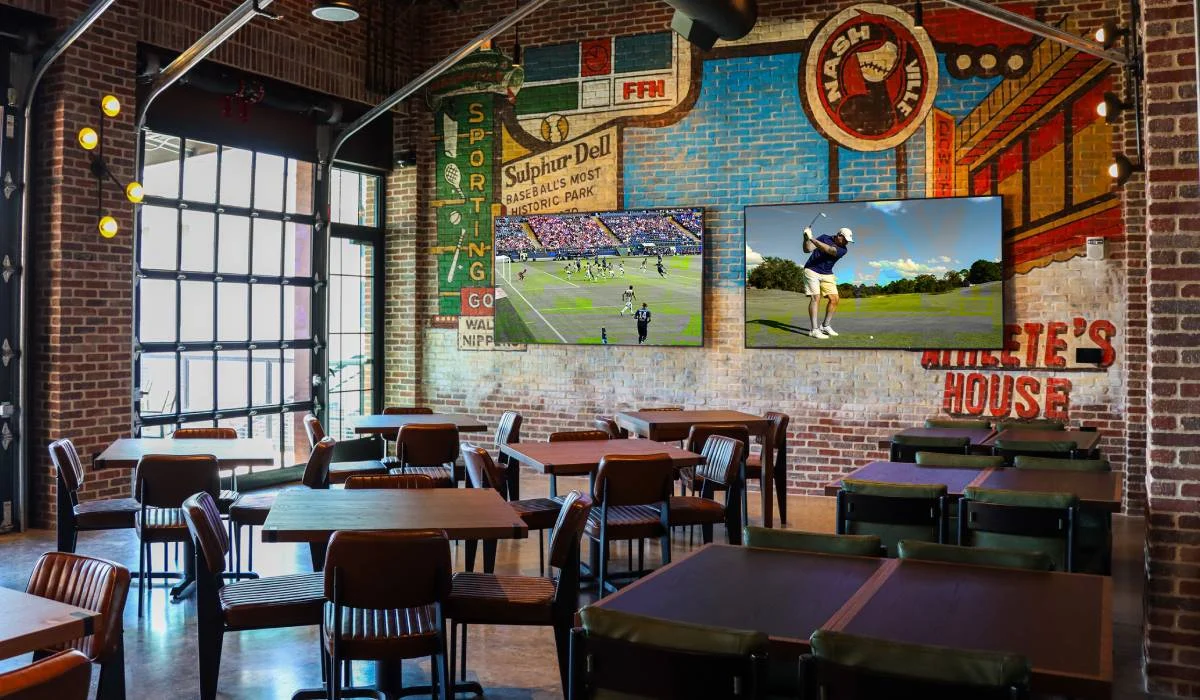
The traditional hotel sports bar, long characterized by dim lighting, standard-issue draft beer, and a handful of modest screens tucked into a corner of the lobby, is undergoing a fundamental transformation across the North American hospitality landscape. As the "experience economy" continues to dictate consumer spending habits, hotel operators are moving away from the utilitarian model of the past toward sophisticated, multi-functional destination venues. These modern iterations prioritize high-end culinary programs, bespoke mixology, modular architectural design, and massive technological investments to compete not only with other hotels but with premier independent dining and entertainment establishments.
This shift is driven by a realization that the modern traveler—particularly the "bleisure" guest who blends business and leisure travel—demands more from on-site food and beverage (F&B) offerings. According to industry data from CBRE Hotels Research, F&B departments can account for 25% to 40% of a full-service hotel’s total revenue, making the optimization of these spaces critical for the bottom line. By evolving the sports bar into a "luxury sports lounge" or a "multi-use fieldhouse," properties are successfully capturing local foot traffic and lucrative private event contracts that were previously out of reach for the category.
From Utility to Destination: The Changing Philosophy of Hotel F&B
For decades, the hotel sports bar served a specific, limited purpose: it was a place of convenience for guests who did not want to leave the property to catch a game. However, the rise of home entertainment technology has disrupted this model. As Nick Kabetso, food and beverage director at Gaylord Opryland Resort & Convention Center, observes, the era of attracting guests simply by having a "large" television is over. With 70-inch and 80-inch 4K displays becoming standard in residential living rooms, hotel venues must offer an experience that is impossible to replicate at home.
The response from major brands like Marriott, Omni, and Gaylord has been to lean into "experiential hospitality." This involves a holistic redesign of the sports bar concept, focusing on five key pillars: technological scale, culinary sophistication, beverage innovation, modular flexibility, and local community integration. The goal is to create a "third place"—a social environment separate from the home and the office—that appeals to a broad demographic, including sports enthusiasts, corporate groups, and local residents seeking an upscale night out.
Technological Arms Race and the Scale of Viewing Experiences
The most visible sign of this evolution is the investment in massive LED installations. At the Foundry Fieldhouse Sports Bar & Taproom within the Gaylord Opryland Resort in Nashville, the centerpiece is a 38-foot LED screen. This technology allows for extreme versatility; it can function as a single cinematic surface for "marquee" events like the Super Bowl or the World Series, or it can be subdivided to show up to 16 different games simultaneously.
This technological scale serves a dual purpose. First, it creates a "wow factor" that justifies the premium pricing of the venue. Second, it ensures that every seat in a high-capacity room—Foundry Fieldhouse seats 707 people—has a direct line of sight to the action. Similar investments are seen at the JW Marriott Indianapolis, where High Velocity features massive video walls that dominate the atmosphere, and at the Marriott Marquis Houston, where Biggio’s Sports Bar & Grill uses dual 30-foot screens to anchor its multi-level space. These setups are designed to mirror the energy of a stadium while providing the comfort of a luxury lounge.
The Culinary Pivot: Moving Beyond Wings and Nachos
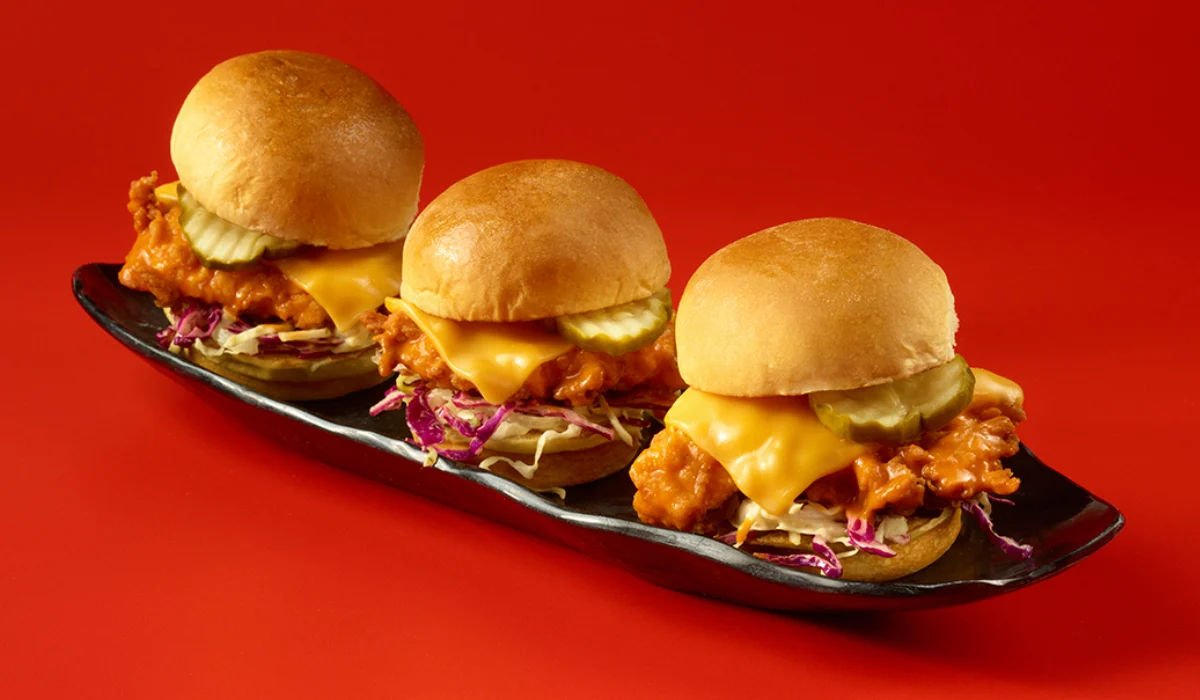
The "elevated" sports bar is defined as much by its kitchen as its screens. The days of frozen appetizers and basic burgers are being replaced by "steakhouse-quality" menus and chef-driven concepts. At High Velocity in Indianapolis, the menu emphasizes high-quality proteins and sophisticated plating, moving the needle toward a fine-dining experience.
In Houston, Biggio’s leverages its namesake—Astros legend Craig Biggio—to create a brand that feels authentic to the city’s sports culture while serving high-end game-day fare. The strategy is to increase the average check size by offering items that guests would typically find in a primary hotel restaurant. By blurring the lines between a traditional bar and a full-service restaurant, hotels are able to keep guests on-property for entire evenings rather than just for the duration of a game.
This culinary shift also includes a significant focus on the beverage program. While beer remains a staple, the "cocktail business" has emerged as a surprising powerhouse in these venues. At Foundry Fieldhouse, artisanal options like smoked Old Fashioneds and espresso martinis have become top sellers, rivaling traditional draft sales. This indicates a shift in the sports bar demographic; today’s patrons are looking for mixology-grade drinks even while wearing a jersey.
Modular Design and the Revenue Multiplier
One of the most significant business drivers for the modern hotel sports bar is "modular flexibility." Large-scale venues are now designed to be "sliced and diced" to accommodate different needs simultaneously. This is particularly vital for convention hotels that cater to large corporate groups.
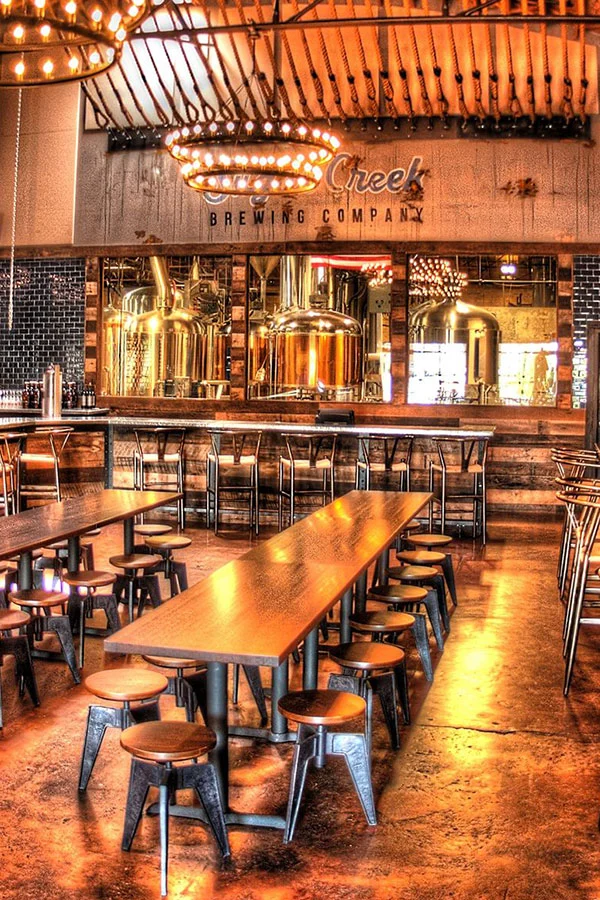
At Gaylord Opryland, the Foundry Fieldhouse was built with multiple indoor and outdoor environments, including a tasting room and an upstairs mezzanine. This allows the property to host a private corporate reception in one section while maintaining normal restaurant operations for leisure guests in another. This ability to monetize the same square footage through multiple channels—walk-ins, hotel guests, and private event buyouts—is a key factor in the category’s ROI.
In Portland, Honorable Mention takes a different approach to modularity by incorporating a "hidden" speakeasy. Accessible via a vintage red phone booth and a daily-changing code, the speakeasy provides an exclusive hideaway for VIPs, visiting sports teams, or private parties. This "layering" of experiences allows a single venue to function as both a high-energy sports hub and a secluded, intimate lounge.
Local Storytelling and Urban Revitalization
The most successful modern hotel sports bars are those that successfully integrate into the local community. Rather than feeling like a generic corporate space, venues like Honorable Mention in Portland’s historic Benson Hotel aim to be "of the city."
Honorable Mention’s ownership group includes local icons like former Portland Trail Blazer Damian Lillard. This local connection is reinforced through the beverage program, which features wines from former Blazer CJ McCollum’s label. By partnering with local athletes and producers, the hotel creates a sense of authenticity that appeals to residents. Natalia Barwegen, director of marketing for Urban Restaurant Group, notes that the venue was designed to contribute to the revitalization of downtown Portland, serving as a gathering place for the community rather than just a convenience for hotel guests.
Similarly, Gaylord Opryland’s partnership with Tennessee Brew Works to create an exclusive "Tennessee Lager" provides a unique selling proposition. Travelers want to experience the local culture, and providing a beer that can only be found at that specific venue creates a "destination" appeal.
Economic Implications and the Future of the Category
The trend toward premium hotel sports bars is more than a design preference; it is a strategic response to shifting market dynamics. The rise of "competitive socializing"—a sector that includes concepts like Topgolf or Puttery—has raised the bar for what consumers expect from an evening out. To compete, hotels must offer environments that are visually stunning, technologically advanced, and socially vibrant.
From an investment perspective, the data suggests that these "destination" venues have a higher resilience to economic fluctuations. While room rates may fluctuate based on travel trends, a popular local F&B venue provides a steady stream of non-room revenue. Furthermore, the ability to host high-margin private events makes these spaces highly attractive to hotel owners and REITs (Real Estate Investment Trusts).
The future of the category likely lies in further integration of technology and personalization. We may see the introduction of augmented reality (AR) stats overlays on screens or personalized "fan zones" within a larger venue. However, the core of the evolution remains rooted in high-quality hospitality. As the industry moves forward, the "hotel sports bar" label may eventually be retired in favor of "social hubs" or "entertainment lounges," reflecting a space where the game is the catalyst for the gathering, but the experience is what defines the stay.
In conclusion, the transformation of the hotel sports bar signifies a broader shift in the hospitality industry toward multi-dimensional, experience-led spaces. By combining the scale of a stadium, the menu of a steakhouse, and the intimacy of a craft cocktail bar, hotels are successfully redefining their role in the urban social fabric. The game may bring the people through the door, but the sophisticated environment, local storytelling, and premium service are what ensure they remain.