admin
admin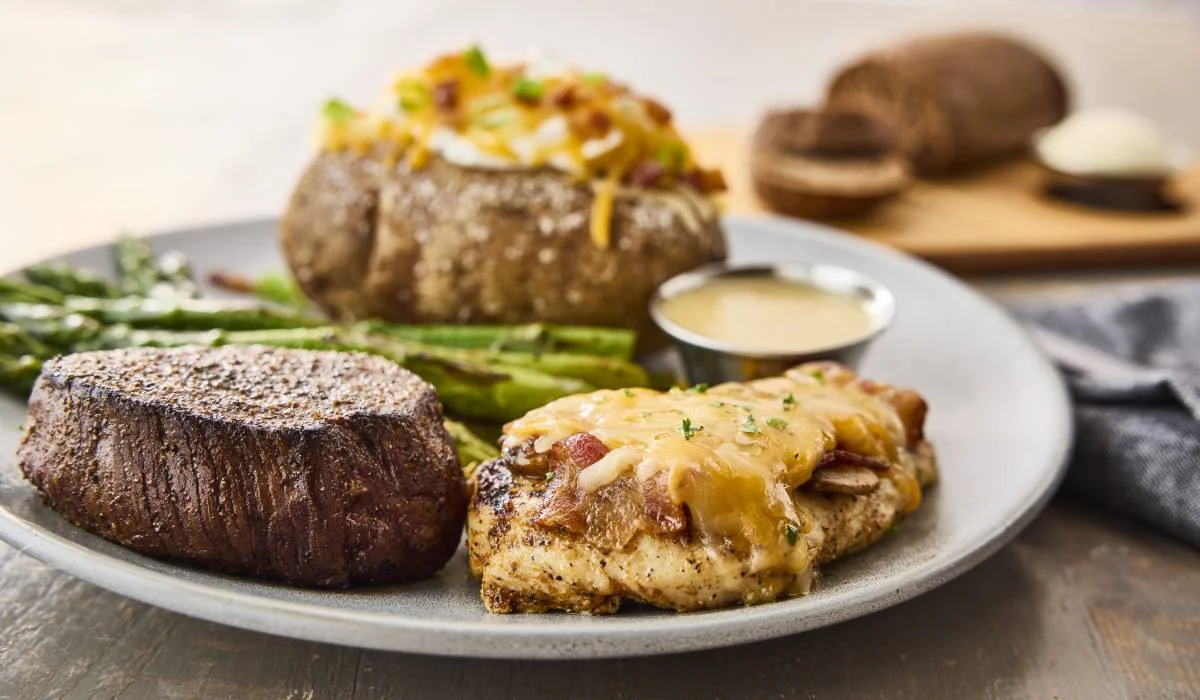
The strategic revitalization of Outback Steakhouse has reached a critical inflection point as the brand enters the second half of the fiscal year, buoyed by a comprehensive four-pillar turnaround plan initiated by Chief Executive Officer Mike Spanos. Following his appointment in September 2024, Spanos, a veteran operations executive formerly of Delta Air Lines, has moved aggressively to stabilize the legacy steakhouse chain through a combination of operational refinement, menu innovation, and physical asset modernization. The efficacy of this strategy was recently underscored during Outback’s first managing partners conference since 2019, held in June. The event served as a pivotal moment for leadership alignment, notably securing the public endorsement of Outback co-founder Tim Gannon—the visionary behind the iconic Bloomin’ Onion. Gannon’s approval of the current trajectory signals a return to the brand’s core values of hospitality and "Aussie" irreverence, which have historically defined its market position.
Quantitative Success in Guest Sentiment and Service Metrics
The second quarter of the fiscal year provided tangible evidence that the strategic pivot is resonating with the consumer base. For the fourth consecutive quarter, Outback achieved significant year-over-year gains in internal guest metric scores. These scores, which aggregate feedback on the dining experience, showed marked improvement across several key performance indicators. Service and atmosphere scores each rose by 7 points compared to the same period in the previous year. Similarly, value perception increased by 7 points, while "intent to return" and food quality scores rose by 5 and 4 points, respectively. Brand trust also saw a 2-point uptick, suggesting that the brand’s efforts to rebuild its reputation for consistency are beginning to take hold.
Financially, the results reflected a complex macroeconomic environment tempered by successful internal optimizations. Same-store sales for the chain rose by 1.4 percent, contributing to a 0.8 percent two-year stack. While traffic remained negative at 2.8 percent—reflecting a broader industry trend of cautious consumer spending—the brand’s ability to drive positive sales growth through check growth and menu mix suggests a more resilient business model. CEO Mike Spanos has maintained a transparent dialogue with investors, emphasizing that the turnaround is a long-term endeavor focused on sustainable, high-quality traffic rather than short-term, dilutive promotions. This is evidenced by the decision in Q2 to bypass several low-margin third-party delivery offerings that had been utilized in the previous year. While off-premises dining remains a significant portion of the business at 26 percent, the current administration is prioritizing the "remarkable dining experience" within the four walls of the restaurant to ensure long-term brand health.
The Four Pillars of the Outback Turnaround
The strategic framework guiding Outback’s recovery is organized into four distinct platforms: delivering a remarkable dining experience, driving brand relevance, reigniting a culture of ownership and fun among staff, and investing in the physical restaurant infrastructure. Supporting these pillars is a broader corporate initiative from parent company Bloomin’ Brands to achieve productivity savings, optimize capital allocation, and foster strong leadership.
The first pillar, the dining experience, saw its most significant development with the introduction of a new steak lineup in November. By upgrading the quality of the core protein offering, Outback has seen steak scores move into the "top box" of customer satisfaction. Data from Ziosk tabletop devices in the second quarter corroborated these improvements, showing year-over-year gains in steak temperature accuracy and overall food quality. To complement the product upgrades, the brand introduced "Craevable Service," a fundamental shift in the labor model designed to enhance guest-server interaction.
Operational Recalibration: The Move to a 4-Table Station
One of the most impactful operational changes under the Spanos administration has been the reduction of the server-to-table ratio. During peak dining hours, Outback has transitioned from a model where one server oversaw six tables to a more focused four-table station. This shift was fully implemented in the second quarter and has yielded immediate dividends in service quality. Absolute service scores reached over 90 percent "top box" ratings, an increase of nearly 3 points over the previous year.
The economic implications of this labor shift have been favorable for both the company and its employees. While the ratio was reduced, server compensation remained largely consistent with previous levels, as increased tip percentages offset the smaller station size. Furthermore, the reduction in shared tips and the increase in individual table ownership have led to higher employee morale. Management reports that "Outbackers" are taking more pride in their service delivery, a factor that Spanos identifies as essential to the brand’s historical identity. To sustain this momentum, the company is launching an intensive hospitality training program this month, focused on the "No Rules, Just Right" philosophy that originally propelled the chain to national prominence.
Menu Engineering and the Barbell Pricing Strategy
In an increasingly bifurcated or "K-shaped" economy, Outback has adopted a "barbell" pricing strategy to appeal to both value-conscious diners and those seeking a premium experience. The centerpiece of this strategy is the "Aussie 3-Course" meal. Originally introduced in late 2023, the offer provides a complete meal starting at $14.99, featuring entry-level options like chopped steak and burgers. This provides a critical entry point for households with annual incomes under $100,000, ensuring the brand remains accessible amidst inflationary pressures.
However, the strategy is also designed to encourage "trading up." Approximately 60 percent of guests who engage with the 3-course platform eventually opt for higher-tier, premium steak options. Furthermore, 20 percent of these diners choose to add desserts or elevated side dishes, such as the newly introduced Parmesan Creamed Corn. This shift in menu mix has been a significant driver of check growth. CFO Eric Christel, who joined the company from the consumer-packaged goods sector, noted that the cost of the turnaround has been partially offset by these improving mix trends. The company originally allocated $25 million for food investments, but due to the success of premium upsells and combo offerings, the actual net investment required has been lower than anticipated.
Infrastructure and Asset Modernization Timeline
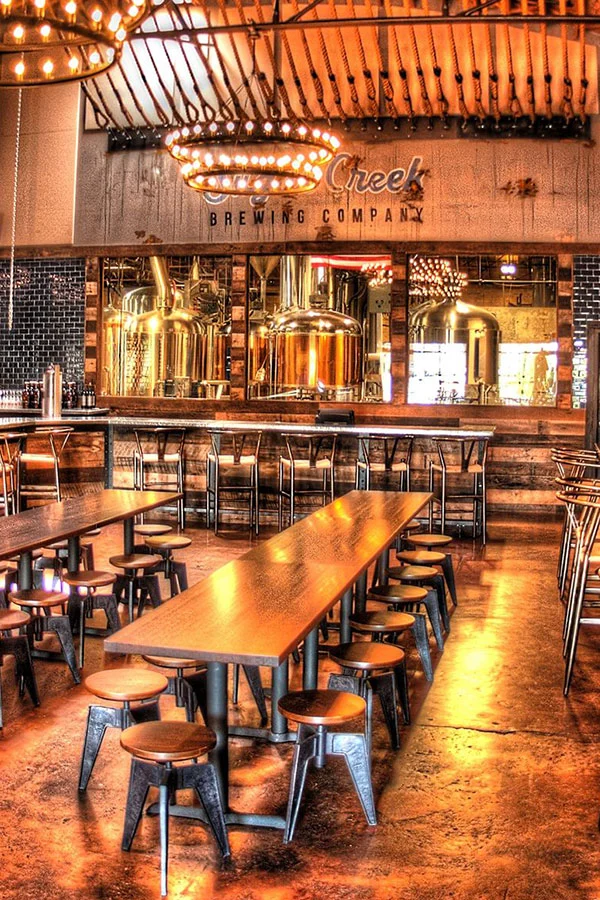
The fourth pillar of the turnaround involves a massive overhaul of Outback’s physical footprint. The company is on track to touch nearly every restaurant in its system by the end of 2028. The revitalization plan involves targeted interior and exterior refreshes, costing between $350,000 and $400,000 per location. These updates are not merely aesthetic; they are designed to improve the ambiance and modernize the guest experience to compete with newer entrants in the casual dining space.
As of late July, Bloomin’ Brands had completed 31 Outback updates, with a goal of reaching 85 by the end of the calendar year. The refreshes include new tables, chairs, flooring, and lighting, along with upgraded bar areas and television packages. Exterior work focuses on landscaping and fresh paint to improve "curb appeal." Currently, about half of the Outback fleet consists of either new builds or recently remodeled locations. This leaves approximately 300 restaurants to be addressed over the next three years, at a rate of roughly 100 per year. Management estimates that these refreshes typically result in a 100- to 200-basis-point lift in sales within six to twelve months of completion.
Broader Portfolio Performance and Future Outlook
While Outback is the primary focus of the turnaround, other brands within the Bloomin’ Brands portfolio have also shown resilience. In the second quarter, Carrabba’s Italian Grill reported a 1.7 percent increase in same-store sales, maintaining a strong two-year stack of 5.6 percent. Bonefish Grill saw a significant 8.1 percent climb in sales, though this was aided by specific promotional timing. Fleming’s Prime Steakhouse & Wine Bar also remained in positive territory with a 1.6 percent sales increase.
Looking ahead, the Outback turnaround is expected to follow a "flywheel" effect, where incremental improvements in service, food quality, and atmosphere build cumulative momentum. Marketing spend is slated to increase in the latter half of 2024 and into 2025, with a strategic shift toward digital and social media channels. The brand aims for a 60/40 split between digital and linear television advertising, focusing on "Aussie irreverence" and the quality of the new steak lineup.
CEO Mike Spanos remains realistic about the challenges of the casual dining sector, noting that progress will not always be linear. However, the stabilization of the managing partner compensation model—which now aligns base salaries with competitive market realities and ties bonuses to restaurant-level profit—is expected to reduce turnover and improve execution at the unit level. By focusing on the "mate" relationship with the guest and ensuring consistent execution, Outback Steakhouse is positioning itself to reclaim its status as a leader in the American steakhouse segment. The cumulative effect of these investments in people, product, and property suggests that the "No Rules, Just Right" brand is successfully navigating its most significant transformation in decades.