admin
admin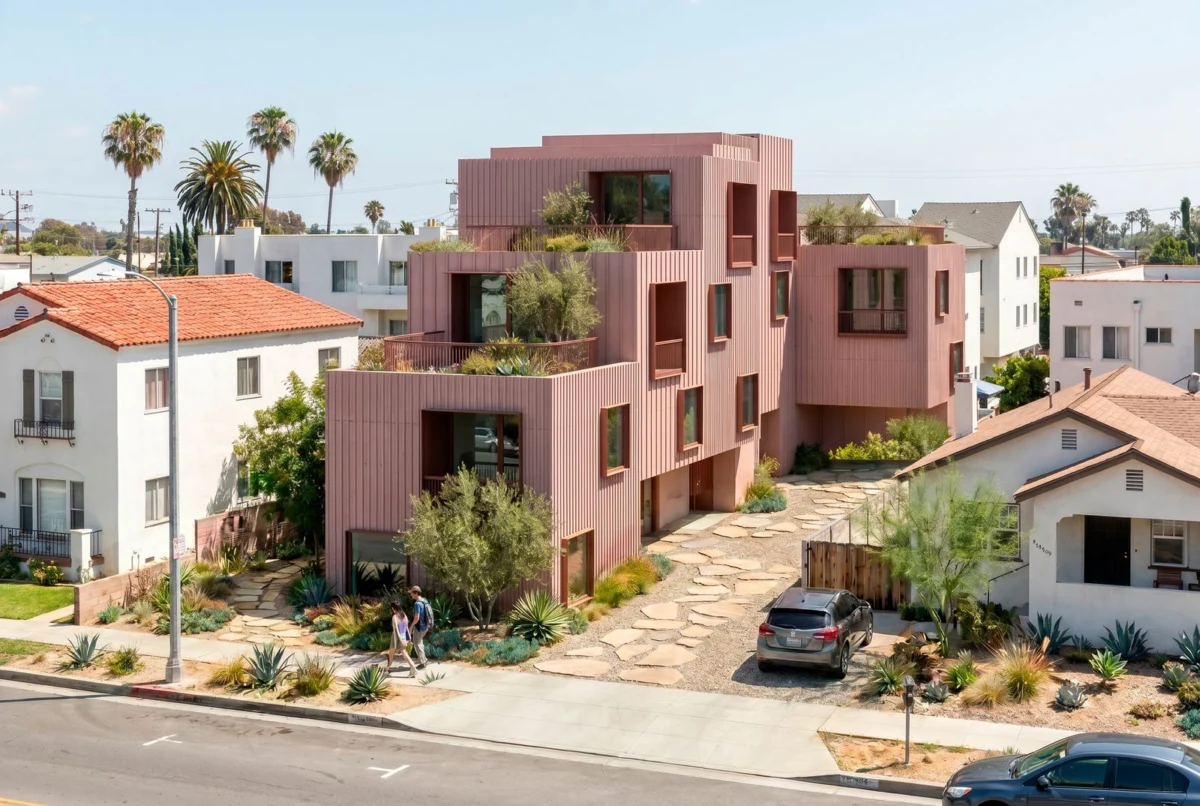
Los Angeles is at the forefront of a nationwide movement to tackle its persistent housing crisis, leveraging a unique confluence of progressive legislative changes and innovative urban development initiatives. In a significant step forward, CityLab-UCLA, an interdisciplinary urban development research hub, in partnership with Genesis LA, has announced three winning teams from its Request for Information (RFI) competition. These teams are poised to construct between three and ten owner-occupied housing units on privately-owned lots smaller than half an acre, marking a pivotal shift towards demonstrating that increased density can be achieved with good design and without exacerbating community resistance. This initiative aims to transform previously underutilized urban spaces into vital housing assets, providing a tangible pathway to addressing the severe housing shortage gripping the region.
Addressing the Housing Dilemma: From Policy to Practice
The challenges surrounding housing development often present a classic "chicken-or-the-egg" paradox. Rapidly increasing housing supply necessitates fundamental legislative reforms that streamline construction and encourage density. Yet, building the requisite public consensus for such legislation – often by overcoming opposition from the "Not In My Backyard" (NIMBY) contingent – demands tangible proof that denser development can be thoughtfully integrated into communities, enhancing rather than detracting from their character. For years, this impasse has stalled progress in many urban centers.
However, Los Angeles and the broader state of California have recently experienced a fortuitous alignment of factors designed to break this cycle. State and city governments have embarked on a concerted effort to dismantle decades of restrictive zoning and development regulations. Simultaneously, academic and research groups like CityLab-UCLA have actively capitalized on these policy shifts, initiating competitions and programs to solicit innovative proposals from the design and development sectors. Their goal is to translate legislative potential into concrete housing projects, particularly by tapping into the city’s vast inventory of vacant or underutilized land.
California’s housing crisis is well-documented, characterized by soaring rents, prohibitive homeownership costs, and a chronic undersupply of housing units. According to various economic reports, California would need to build millions more homes to meet demand and stabilize prices, with Los Angeles County alone facing a deficit of hundreds of thousands of affordable units. This scarcity has led to widespread housing insecurity, increased homelessness, and significant economic strain on residents. The problem is exacerbated by historical zoning practices that favored single-family homes, making it difficult and expensive to build multi-unit dwellings.
The Evolution of CityLab-UCLA’s Housing Initiatives
CityLab-UCLA’s current RFI program is the culmination of a strategic, multi-phased approach to fostering innovative housing solutions. As Dwell previously reported, the journey began last year with the launch of the "Small Lots/Big Impact" design competition. This initial competition focused on soliciting plans for diverse multifamily housing typologies specifically for city-owned land. The competition successfully generated a wealth of creative ideas, and winners were announced in the spring.
However, the transition from award-winning concepts to actual construction is often the most formidable hurdle in design competitions. Recognizing this, CityLab-UCLA strategically partnered with Genesis LA, a local community development financial institution (CDFI), to bridge the gap between ideation and realization. This collaboration led to the introduction of a subsequent competition: a Request for Information (RFI) specifically targeting developers and architects committed to building new owner-occupied housing on privately-owned land. The RFI stipulated projects ranging from three to ten units on parcels smaller than half an acre, aiming to leverage smaller, often overlooked plots that are abundant across the urban landscape.
The shift from city-owned land to privately-owned parcels for the RFI was a deliberate strategic decision. Dana Cuff, CityLab’s director, explained that while the city possesses approximately 4,000 vacant lots, navigating the bureaucratic approvals for public land can introduce significant delays. By focusing on privately-owned land, which numbers around 24,000 vacant parcels in Los Angeles, the initiative could potentially bypass some of these procedural lags, accelerating the development timeline. "We made sure that the winners of the design competition would be the most eligible and promising partners for any development deal – private or public," Cuff stated, emphasizing the rigor applied in selecting partners capable of executing these complex projects. This pivot also significantly expanded the potential inventory of land available for development, tapping into a much larger pool of underutilized assets.
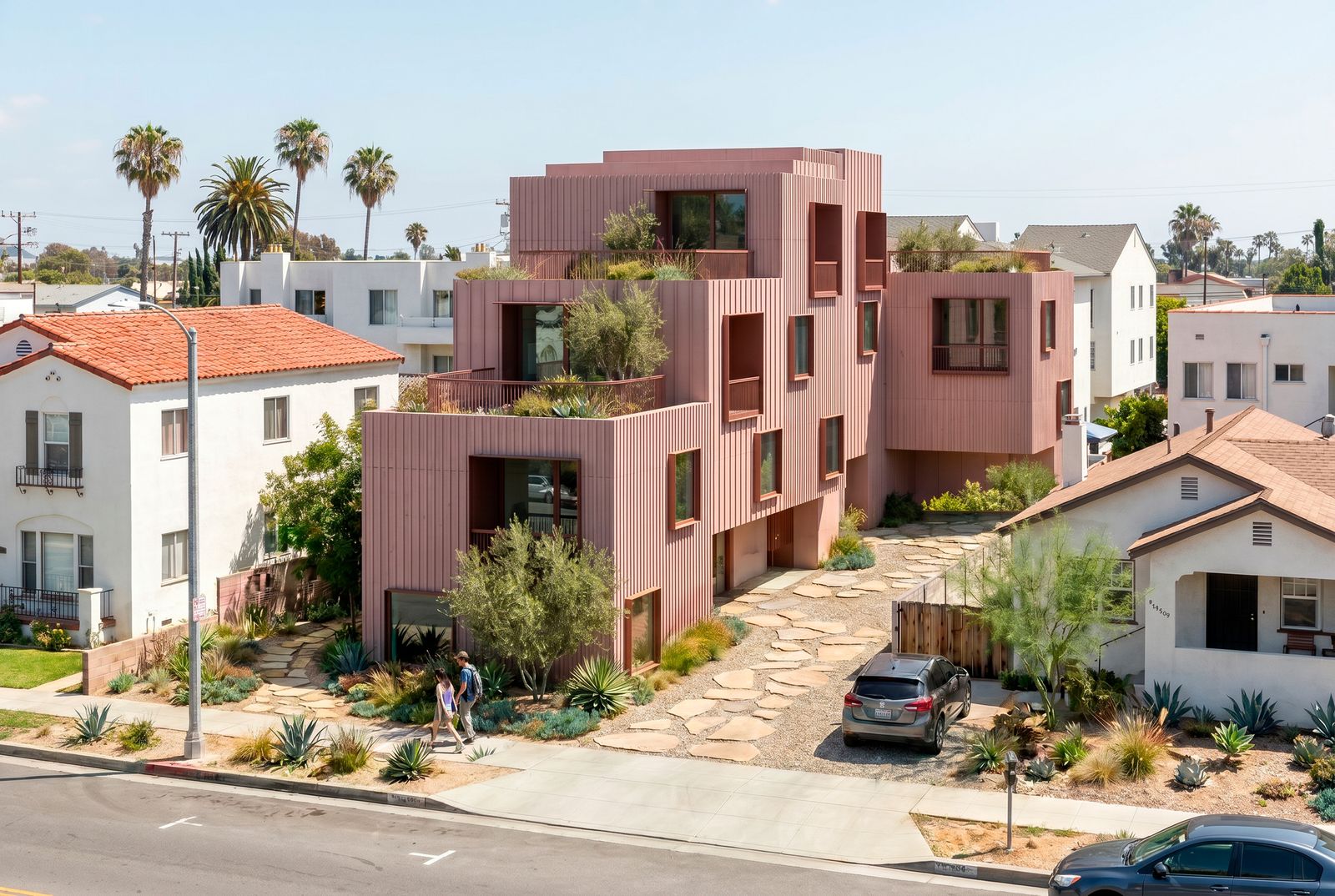
The Winning Proposals: Pioneering New Models of Density
This week, CityLab-UCLA and Genesis LA proudly announced the three winning teams of their RFI competition, each receiving critical funding support from Genesis LA that will cover an impressive 95 percent of the development costs. This substantial financial backing is crucial for de-risking these innovative projects and making them economically viable.
The winning proposals represent a diverse range of architectural and development strategies, each tailored to specific urban contexts and design philosophies:
-
Stayner Architects (Echo Park): On the smaller end of the scale, Stayner Architects plans to construct between five and seven units on a single lot in the vibrant Echo Park neighborhood. Stayner Architects is unique among the winners in that they already own the lot where their project will be built, potentially streamlining the initial stages of development. Their approach is expected to demonstrate how thoughtfully designed smaller-scale infill projects can integrate seamlessly into existing communities.
-
Holos Communities and Assemblage Works (East Hollywood): This collaborative team proposed a modular multifamily development, targeting East Hollywood. Their project aims to showcase the efficiency and potential of modular construction technology. Modular building, which involves fabricating sections of buildings off-site and assembling them on-site, can significantly reduce construction timelines and costs, offering a scalable solution to housing shortages. Holos Communities has a track record of successful projects in Los Angeles, such as the King 1101 Apartments and The Steps on St. Andrews, lending credibility to their ability to deliver.
-
Six Peak Capital and Frolic Community with West of West and Aero Collective (West Side): This formidable team of co-developers and architects plans to build eight units on a single lot on the city’s west side. This area is known for its higher land values, prompting the team to explore alternative homeownership models designed to decouple expensive land costs from unit costs, thereby enhancing affordability. Their proposal exemplifies a strategic approach to developing in high-cost areas while maintaining an commitment to accessible housing.
Emmanuel Proussaloglou, CityLab codirector, underscored the jury’s focus beyond just glossy renderings. "Rather than the usual glossy imagery of many design competitions," he noted, "the RFI jury looked for submitting teams that had completed previous work that aligned with their vision." This emphasis on proven experience and practical execution highlights the initiative’s commitment to tangible outcomes over purely conceptual designs.
The Legislative Backbone: California’s Pro-Density Reforms
The viability of these projects is intrinsically linked to California’s groundbreaking legislative overhauls. Over the past five years, state and local governments have aggressively moved to dismantle barriers to housing production:
- Legalization of ADUs (Accessory Dwelling Units): Statewide legalization and streamlining of ADU construction have allowed homeowners to add secondary units to their properties, significantly increasing backyard density and providing more affordable housing options.
- Streamlined Multifamily Permitting: Laws have been enacted to simplify and expedite the permitting process for multifamily developments, reducing the time and cost associated with obtaining necessary approvals.
- Mitigation of Costly Development Fees: Legislators have targeted high construction fees, which can add tens of thousands of dollars to the cost of a new home, making development less burdensome for builders.
- SB 1123 (Urban Lot Splits): A particularly impactful piece of legislation, SB 1123, passed last year and went into effect last summer, allows for the subdivision of individual residential lots to construct multiple homes on a single parcel. Crucially, developers no longer need complex variances to add up to 10 homes on a lot, a process that historically consumed significant time and financial resources. This law directly enabled the RFI’s focus on smaller, privately-owned lots.
"There wasn’t a particularly economically viable development path on a lot of these lots up until recently, and now there’s a sort of push to see what we can do with it," Proussaloglou explained, highlighting how the CityLab RFI directly capitalizes on the opportunities created by SB 1123. These legislative changes represent a monumental shift away from decades of restrictive single-family zoning, opening up new avenues for infill development and urban densification.
Challenges Ahead and a Vision for Replicability
Despite the significant momentum, the path to completion for these projects is not without its challenges. Winners are responsible for selecting their specific lots (if not already owned) and securing the necessary entitlements – a process that can be notoriously complex and time-consuming in Los Angeles. While Stayner Architects has a head start by owning their lot, the other teams are actively "targeting" specific areas. For instance, Six Peak Capital and Frolic Community are exploring sites in expensive neighborhoods like Venice, where their alternative homeownership models will be crucial. Holos Communities and Assemblage Works aim to establish a proof of concept for modular construction efficiency in East Hollywood.
CityLab recognizes these hurdles and has established a clear timeline for the projects. To mitigate risks, the competition also identified 11 "bench" winners who can step in if any of the primary teams face insurmountable obstacles in securing land or entitlements. Dana Cuff affirmed CityLab’s commitment to active support: "We will be able to work alongside the teams to make sure that the laws that are in place are ones that the planning department and all the different review agencies know how to deploy. Since they are kind of new laws, that will be a job for us to work with alongside the development and design team to make sure that it all goes smoothly and according to law." This hands-on approach is vital, as the novelty of these legislative changes means that city agencies themselves are still adapting to their implementation.
Broader Impact and the Future of Urban Development
While the projected completion of these first 20 or so units by 2029 might seem a distant goal and a modest addition to Los Angeles’s immense housing needs, CityLab organizers emphasize the transformative potential of their transparent, open-source process. Their intention is not merely to construct a handful of homes, but to create replicable models and practical blueprints for future development.
"We are going to share as much as we can about the winning submissions – the designs, the pro formas, the summary documents from all 30 submissions," Proussaloglou confirmed. This commitment to transparency and knowledge sharing is crucial. By making the detailed plans, financial models, and lessons learned publicly available, CityLab-UCLA aims to empower other developers, architects, and community groups to take advantage of the new pro-density laws. The initiative serves as a crucial pilot program, demonstrating the economic viability and community benefits of well-designed infill development on small, privately-owned parcels.
The implications extend beyond just Los Angeles. This model could serve as a valuable blueprint for other cities grappling with housing shortages and community resistance to density. It illustrates how collaborative efforts between academic institutions, financial partners, and visionary developers, underpinned by progressive legislation, can unlock dormant potential within urban landscapes. The successful completion of these projects could significantly alter public perception of density, proving that it can be synonymous with quality design, community integration, and increased homeownership opportunities, rather than simply overcrowding.
In a competitive Los Angeles real estate market, those developers who already own suitable lots and are poised to move quickly will undoubtedly have a significant advantage. The CityLab-UCLA initiative, with its focus on practical implementation and a transparent, shared learning approach, offers a promising pathway for transforming a fraction of the estimated 24,000 vacant private lots into much-needed homes, setting a precedent for a more sustainable and equitable urban future.