admin
admin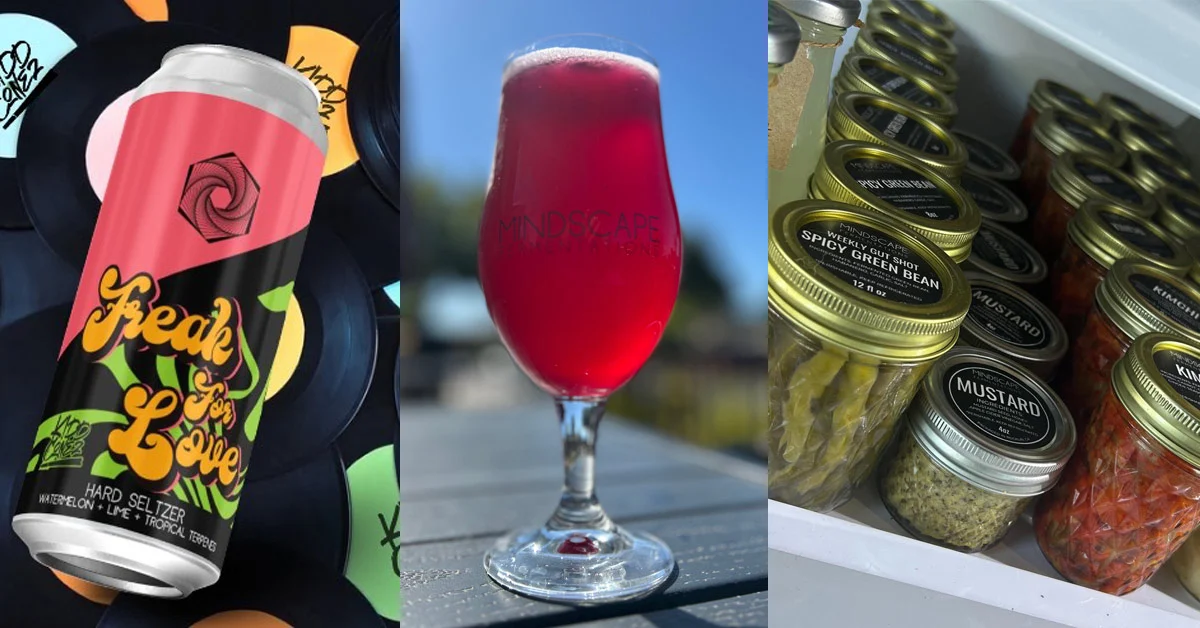
The global craft brewing industry is currently undergoing a structural transformation that transcends the traditional boundaries of beer production and retail. For decades, the industry standard for a successful microbrewery involved a combination of a production floor and an adjacent taproom. However, as the market reaches a state of maturation and economic pressures from rising raw material costs and shifting consumer preferences intensify, a new paradigm is emerging. Modern breweries are increasingly redefining themselves as "third places"—social environments separate from home and work—while adopting radical models of collaboration and diversifying their biological output beyond malt and hops. This evolution represents a strategic shift toward economic resilience, community integration, and environmental sustainability.
The Economic Necessity of Innovation in the Brewing Sector
To understand the current shift toward collaborative and multi-functional spaces, it is essential to examine the economic backdrop of the mid-2020s. According to data from the Brewers Association, while the number of operating craft breweries in the United States and Europe remains at historic highs, the rate of growth in production volume has stabilized or, in some segments, slightly declined. In 2023, the U.S. craft brewing industry saw a 1% decrease in production, the first such decline in the modern era outside of the pandemic-stricken 2020.
The cost of aluminum, CO2, and specialized malts has risen by double-digit percentages since 2021. Furthermore, the "sober-curious" movement and the rise of ready-to-drink (RTD) cocktails have challenged beer’s historical dominance in the taproom. In response, brewery owners are moving away from the "industrial park" model—where breweries were isolated in low-rent manufacturing zones—and are instead seeking locations that offer built-in foot traffic and shared overhead.
The Rise of the Tiers-Lieu: A French Model for Community Brewing
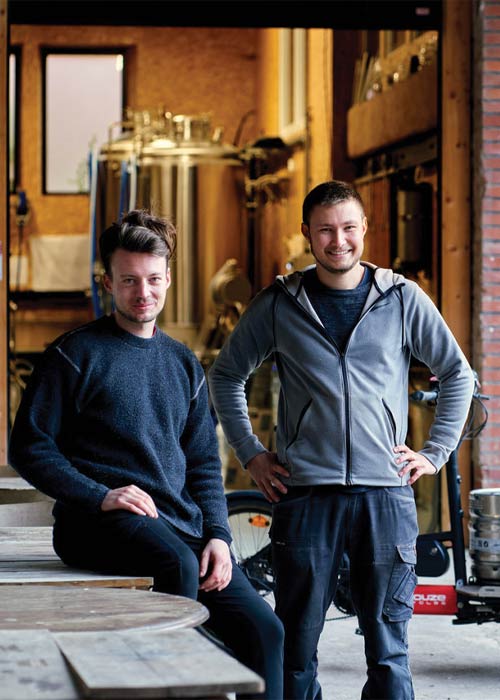
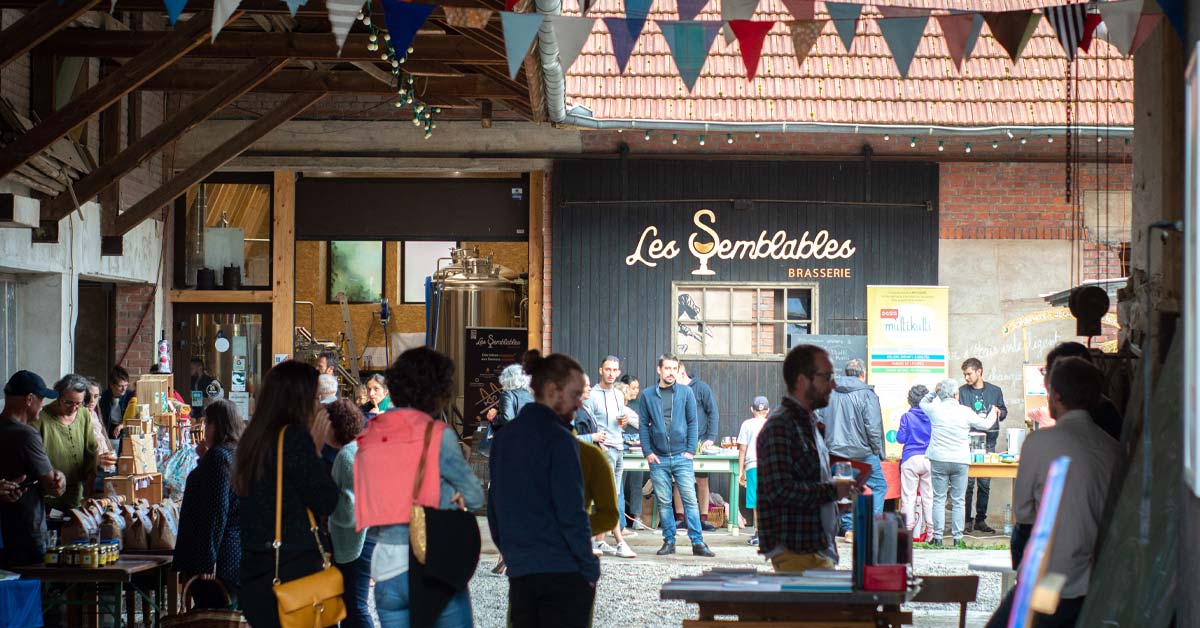
In Alsace, France, Brasserie Les Semblables serves as a primary case study for the integration of brewing into broader social ecosystems. Founders Eliott Pernelle and Etienne Voinson rejected the traditional industrial setting in favor of a tiers-lieu, or "third place." Their facility is located within Oasis Multikulti, a community-managed farm in the village of Mietesheim.
The tiers-lieu concept is fundamentally rooted in the idea of social architecture. By settling in a space that already hosts farmers’ markets, pottery classes, and community gardens, Les Semblables bypasses the significant marketing hurdles faced by new breweries. This model operates on a principle of mutualism; the brewers gain access to an established audience, while the community hub gains a commercial anchor that provides both beverages and volunteer labor. Pernelle notes that the brewery manages the social media and digital presence for the entire collective, a trade-off that reduces their rent and strengthens their ties to the local population.
Shared Infrastructure: The CoHop Collaborative in Brussels
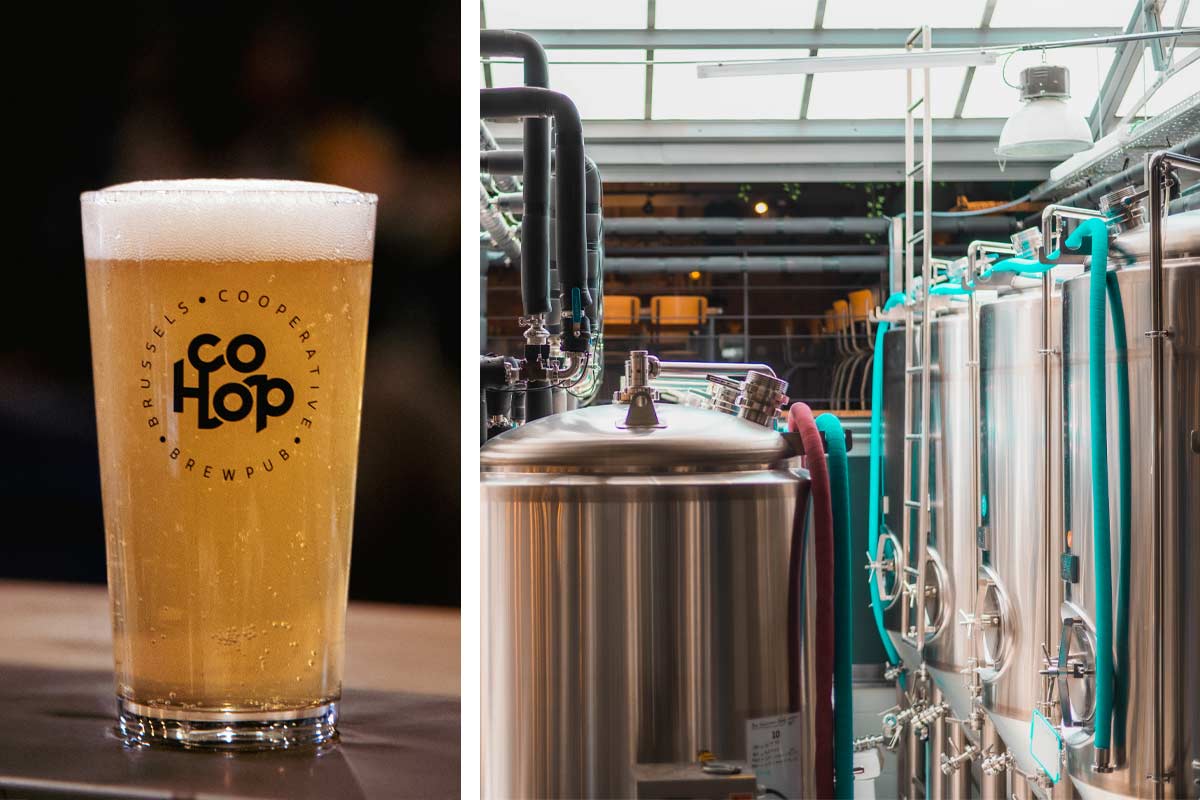
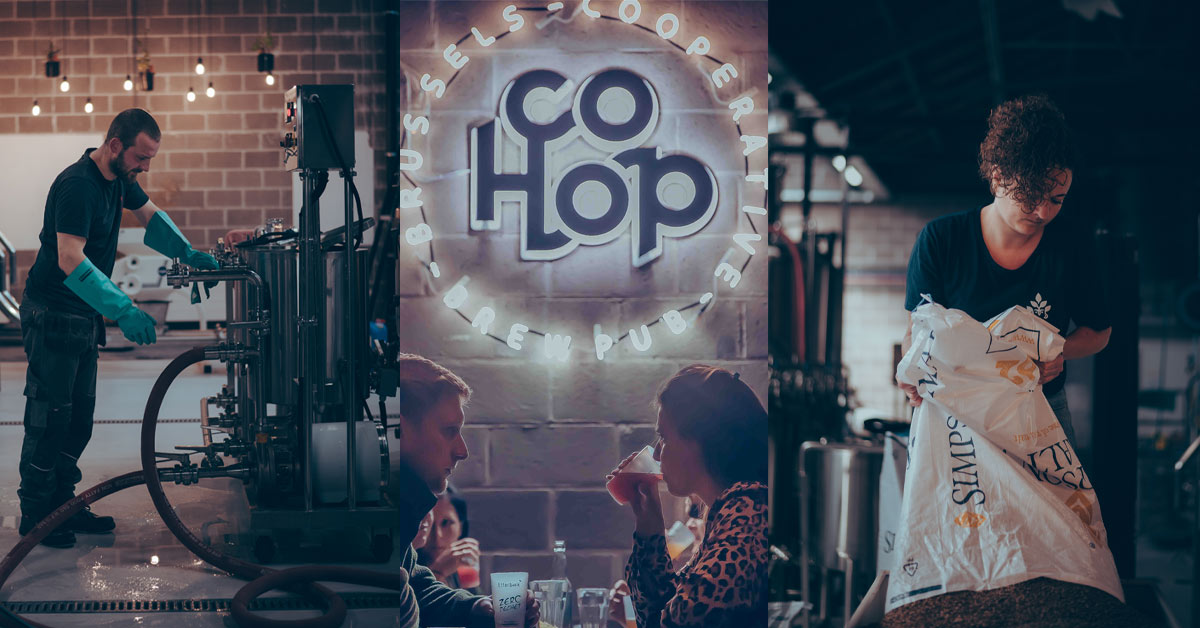
While some breweries share social space, others are sharing the very machinery of production. In Brussels, the CoHop project represents a significant departure from the competitive "one brewery, one brewhouse" mindset. Founded in 2021, CoHop is a cooperative facility shared by five distinct brewing entities: La Bagarre, Janine, 1Bière 2Tartines, La Flaque, and Brasserie Witloof.
The chronology of CoHop’s development illustrates a response to the "contract brewing" trap. Many start-up brewers begin by paying larger facilities to produce their recipes, but they often find the lack of control and high per-barrel costs unsustainable. Conversely, the capital expenditure required to build a standalone 10-hectoliter brewhouse in a metropolitan area like Brussels is often prohibitive.
By pooling resources, the five breweries at CoHop share a single high-end brewhouse, fermentation cellar, and packaging line. This collaborative model extends to operations: one team manages grain procurement for the group, another handles equipment maintenance, and a third oversees the taproom. This synergy allows for "circular" micro-economies, such as the Janine brewery, which functions as both a bakery and a brewery, using spent grain from the brewing process to bake bread and using surplus bread to supplement the grain bill of certain beers.
Historical Precedents: The Zoiglbier Tradition
The move toward shared brewing facilities is not a modern invention but rather a return to pre-industrial traditions. In the Upper Palatinate region of Bavaria, the tradition of Zoiglbier has persisted for over 600 years. In towns like Windischeschenbach and Neuhaus, a communal brewhouse (the Kommunbrauhaus) is owned by the municipality. Citizens who own "brewing rights" attached to their property use the shared facility to make wort, which they then take home to ferment in their private cellars.
In 2018, UNESCO recognized the Zoiglkultur as part of Germany’s Intangible Cultural Heritage. The modern collaborative models seen in Brussels and France are, in many ways, a high-tech iteration of this ancient system. By sharing the "hot side" of production (the most expensive and energy-intensive part of brewing), modern craft brewers are rediscovering a method of production that prioritizes community stability over individual expansion.
From Breweries to Fermentories: Diversifying the Fermenter
Beyond structural changes, there is a burgeoning movement to redefine the biological scope of the brewery. The term "Fermentory" or "Fermentorium" is increasingly used to describe facilities that treat beer as just one of many products created through microbial action. This shift is exemplified by Mindscape Fermentations in Rocklin, California, and Fermentery Form in Philadelphia.
Mindscape Fermentations, led by Lauren Price and Lauren Houston, deliberately avoids the "brewery" label to signal a broader focus. Their production includes:
- Traditional Beer: Focusing on classic and experimental styles.
- Kombucha: Non-alcoholic fermented teas that appeal to health-conscious consumers.
- Fermented Foods: Utilizing the facility’s temperature-controlled environments to produce sauerkraut, kimchi, and other probiotics.
- Alternative Beverages: Seltzers and low-alcohol botanical infusions.
The decision to label a business a "fermentory" is a calculated risk. As Price explains, the term requires more consumer education than "brewery," but it also builds a more resilient business model. If beer sales dip due to seasonal trends or health movements, the production of kombucha or fermented food can provide a stabilizing revenue stream. Furthermore, internal data from such establishments suggest that this diversification attracts a significantly different demographic. Fermentories often report a higher percentage of female patrons and a wider age range than traditional craft beer taprooms, which have historically skewed toward a male-dominated "hop-head" demographic.
Socio-Economic Impact and Broader Implications
The implications of these evolving brewery models are manifold, affecting urban planning, environmental sustainability, and market competition.
1. Sustainability and Resource Management
Shared facilities like CoHop significantly reduce the environmental footprint of beer production. A single large boiler and cooling system serving five breweries is vastly more energy-efficient than five individual systems. Additionally, bulk ordering of raw materials reduces the carbon footprint associated with shipping and logistics.
2. Urban Integration and the "Third Place"
By moving into community hubs and tiers-lieux, breweries are helping to revitalize rural and semi-urban areas. These spaces provide a venue for social interaction in an era where traditional gathering spots—such as post offices and small retail shops—are disappearing. The "brewery as a community center" model provides a social safety net and fosters local identity.
3. Market Resilience
The diversification of the product line—moving into cider, mead, kombucha, and food—protects small businesses from the volatility of the beer market. As the "craft" definition expands, those who master the broader science of fermentation are better positioned to survive shifts in consumer behavior.
Conclusion: The Future of the Craft Landscape
The craft brewery of the future appears less like a secluded factory and more like a multi-faceted laboratory and social forum. Whether through the shared equipment of the Brussels cooperatives, the community-integrated farms of Alsace, or the multi-product fermentories of California, the industry is moving toward a more holistic definition of what it means to be a "maker."
As the economic climate continues to challenge traditional business models, the success of these collaborative and diversified ventures suggests that the path forward for craft beer lies in collective strength and biological versatility. By embracing the role of the "third place" and the "fermentation hub," brewers are ensuring that their facilities remain essential fixtures of the local community, regardless of fluctuations in the global economy. For the modern brewer, the question is no longer just "What can I brew?" but rather "How can we grow together?"