admin
admin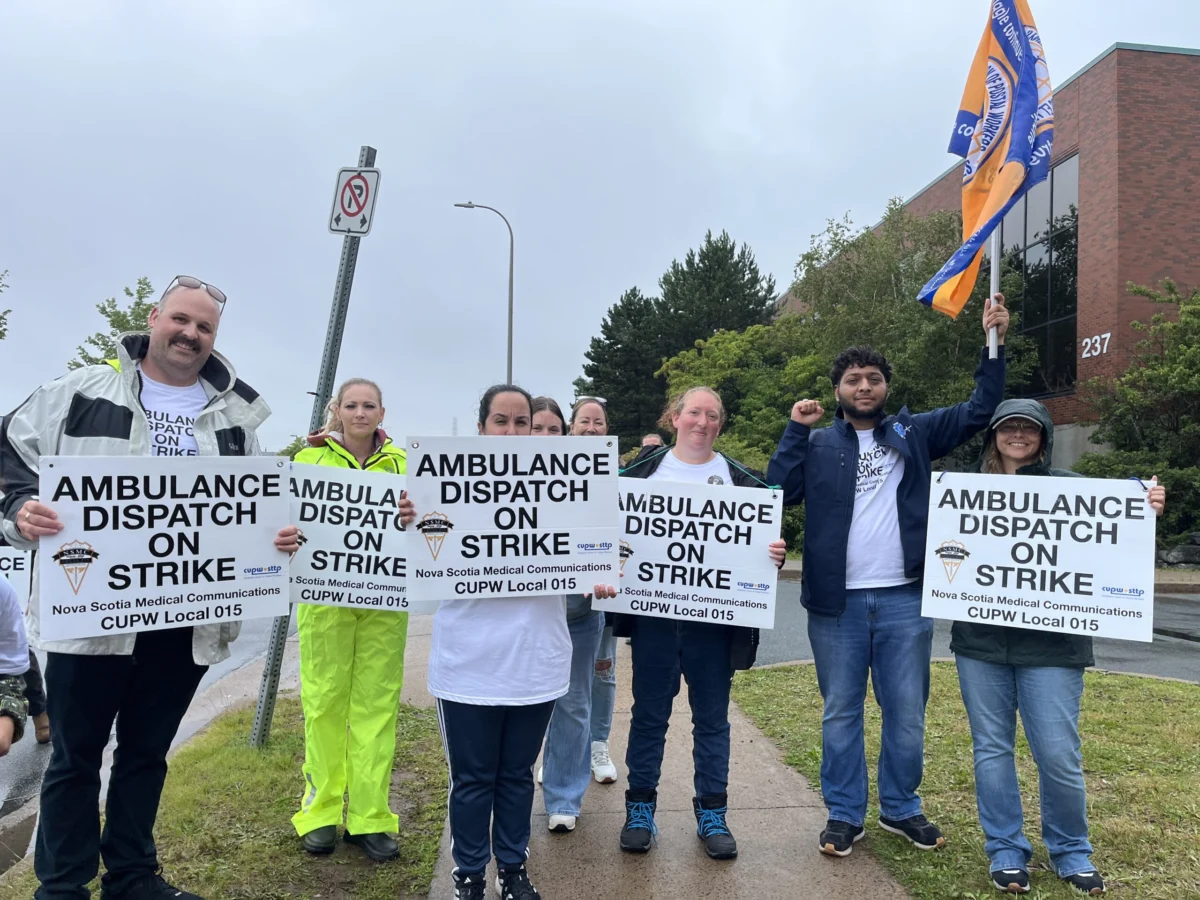
The vital emergency dispatch services across Nova Scotia have been significantly impacted as the strike by emergency medical dispatch workers enters its third week, intensifying calls for their employer, Emergency Medical Care Inc. (EMC), to return to the negotiating table. These critical frontline workers, represented by the Canadian Union of Postal Workers (CUPW) Local 015, are the unseen heroes who answer 911 medical calls and coordinate the deployment of ground and air ambulances, forming the initial and often most crucial link in the chain of emergency response. Their work is a high-stakes endeavor, where every decision can have life-or-death consequences, making the current labor dispute a matter of profound public concern for the province of over a million residents.
The Unsung Heroes of Emergency Response
The role of an emergency medical dispatcher extends far beyond simply answering a phone. These professionals are trained to rapidly assess situations, provide vital pre-arrival instructions to callers during medical emergencies—from CPR guidance to childbirth assistance—and accurately dispatch the appropriate resources under immense pressure. They are the calm voices in moments of crisis, guiding frantic callers through their worst nightmares while simultaneously coordinating complex logistics. Jordan MacVay, a communications training officer with EMC, vividly articulated the daily burden, stating, "Every day when I come in, I’m asked to make quick decisions that have life or death consequences." This inherent stress, coupled with what workers describe as insufficient resources and uncompetitive wages, has created an untenable situation that led to the strike action. The approximately 60 workers dedicated to handling medical 911 calls for the entire province bear an extraordinary responsibility, a responsibility they argue is not adequately recognized or compensated.
A Prolonged Stalemate: The Bargaining Breakdown
The current labor dispute is not a sudden eruption but the culmination of over a year of stalled negotiations between CUPW Local 015 and EMC. The union initiated strike action on July 17, following a prolonged period where, despite extensive discussions, the two sides remained "far apart" on fundamental issues, primarily wages and staffing levels. The workers’ frustration reached a boiling point, manifesting in a rally held recently outside EMC’s offices in Dartmouth. Picket lines have become a visual testament to their determination, with dispatchers voicing their collective grievances and demanding a fair contract that reflects the gravity of their work and the economic realities of their lives. The union’s leadership has consistently reiterated that the core demands are not extravagant but necessary to ensure both the well-being of the workers and the integrity of the emergency response system.
The Staffing Crisis: A System Under Duress
One of the most alarming aspects of the dispute revolves around staffing levels, which CUPW asserts have reached "dangerously" low points even before the strike. This claim is underscored by a critical observation made by Craig Power, CUPW’s Atlantic lead negotiator. Under Nova Scotia’s essential services agreement, EMC is mandated to maintain a minimum of 20 dispatchers during the strike to ensure critical services continue. Power highlighted the irony of this mandate, noting that "That’s 33 per cent higher than the average staffing levels in 2025 during the weekdays, and we are on strike." This stark comparison suggests that the staffing levels deemed essential during a labor dispute actually surpass the regular, non-strike operational capacity, raising serious questions about the sustainability and safety of the pre-strike working conditions.

Chronic understaffing has far-reaching consequences. For the dispatchers, it translates into increased workload, heightened stress, and a pervasive sense of burnout. They are often forced to work mandatory overtime, foregoing breaks and personal time, all while managing high-pressure calls. For the public, insufficient staffing can lead to longer wait times for 911 calls to be answered, delays in dispatching ambulances, and a greater potential for errors in critical situations. In a province already grappling with an overburdened healthcare system, where emergency room closures and long wait times are common, any further strain on the emergency response chain can have dire and potentially fatal outcomes. The union argues that the current staffing model is not merely inefficient but fundamentally jeopardizes public safety, a point they have pressed vigorously at the bargaining table and on the picket lines.
The Wage Disparity: A Call for Fair Compensation
Central to the dispute are the wage discrepancies and the overall inadequacy of compensation for the demanding work performed by emergency dispatchers. Craig Power shed light on a significant internal disparity: non-paramedic dispatchers, who perform the same critical functions as their paramedic colleagues, earn approximately $8 less per hour. This substantial wage gap, accumulating to thousands of dollars annually, is a major driver of discontent and contributes directly to high turnover rates. As Power articulated, "They can go to the police, they can go to Costco and make the same amount of money, right? That’s how bad it is…. That’s a hard job, taking those calls from people. They take calls from people on the worst day."
In Nova Scotia, like many other Canadian provinces, the cost of living has escalated sharply in recent years. Rising housing costs, inflation, and general economic pressures mean that a living wage is more crucial than ever for essential service workers. When highly specialized, stressful work pays less than entry-level positions in other sectors, it becomes exceedingly difficult to attract and retain qualified personnel. This not only impacts the current workforce but also creates a perpetual cycle of recruitment and training, which is costly for the employer and disruptive to service continuity. The union’s demand for competitive pay is thus framed not just as a matter of fairness for individual workers but as an investment in the stability and quality of Nova Scotia’s emergency services infrastructure. Without wages that keep pace with the economy and reflect the complexity and importance of the job, the province risks a continued exodus of experienced dispatchers, further exacerbating the staffing crisis and leaving the public vulnerable.
The Employer and Government Response
EMC, a private company operating under contract with Nova Scotia’s Emergency Health Services, has publicly stated its commitment to the collective bargaining process. In a statement to Global News, the company affirmed, "We value all employees and are committed to the collective bargaining process, so a fair and comprehensive agreement can be reached." While this signals an acknowledgment of the ongoing negotiations, the union maintains that this commitment has yet to translate into meaningful progress at the bargaining table. As a contracted entity, EMC’s ability to meet wage demands may also be influenced by the funding allocated by the provincial government for emergency health services. This adds another layer of complexity to the negotiations, as the ultimate financial capacity to resolve the dispute could implicitly rest with the province.
The Nova Scotia Department of Health and Wellness has also weighed in, expressing its hope that both parties will "make every effort" to reach an agreement. While this statement acknowledges the importance of the situation, it stops short of direct intervention or offering specific solutions. The government’s role in monitoring essential service strikes is crucial, balancing the rights of workers to strike with the public’s right to access critical services. The province’s stance emphasizes a trust in the bargaining process, yet the prolonged nature of the strike and its implications for public safety may eventually necessitate a more active role, potentially through mediation or arbitration, if the impasse continues.

Broader Implications for Nova Scotia’s Healthcare System
The strike by emergency dispatchers is not an isolated incident but a symptom of broader systemic pressures within Nova Scotia’s healthcare landscape. The province has been grappling with significant challenges, including a severe shortage of family doctors, frequent emergency room closures, and lengthy wait times for various medical procedures. The disruption to 911 services directly compounds these existing vulnerabilities. Any delay in emergency response can lead to worse patient outcomes, increased demand on already strained hospital emergency departments, and a further erosion of public trust in the healthcare system.
The implications extend beyond immediate operational disruptions. A protracted strike could set a precedent for future labor negotiations within essential services, highlighting the critical need for robust dispute resolution mechanisms. It also underscores the necessity for governments and contracted service providers to proactively address issues of compensation, workload, and working conditions for frontline healthcare workers. Failure to do so not only risks further labor unrest but fundamentally undermines the resilience of the entire healthcare system. Experts in public administration and healthcare policy might suggest that such strikes serve as a crucial indicator of underlying systemic issues that require comprehensive, long-term solutions, rather than just crisis management.
The Human Cost: More Than Just Numbers
Beneath the statistics of staffing levels and wage percentages lies the profound human cost of this dispute. The dispatchers are professionals who chose this demanding career because they are driven by a desire to help people in their most vulnerable moments. Jordan MacVay’s poignant reflection encapsulates this sentiment: "We do it because we want to help people. But it becomes harder to do that when you got a job that’s stressful and people keep leaving it." The emotional toll of consistently handling traumatic calls, coupled with the frustration of feeling undervalued and underpaid, takes a significant personal toll. This burnout not only impacts their personal lives but also their ability to perform optimally in a role where precision and composure are paramount.
The strike, therefore, is a desperate plea for recognition—recognition of the invaluable service they provide, the immense pressure they endure, and the fair compensation they believe they deserve. Their demands are rooted in a desire to create a sustainable working environment that allows them to continue serving Nova Scotians effectively, without having to sacrifice their own well-being or financial stability.
As the strike continues into its third week, the pressure on both EMC and the provincial government to facilitate a resolution intensifies. The public’s safety and the stability of Nova Scotia’s emergency response system hang in the balance, awaiting a fair and comprehensive agreement that acknowledges the critical role of these unsung heroes.