admin
admin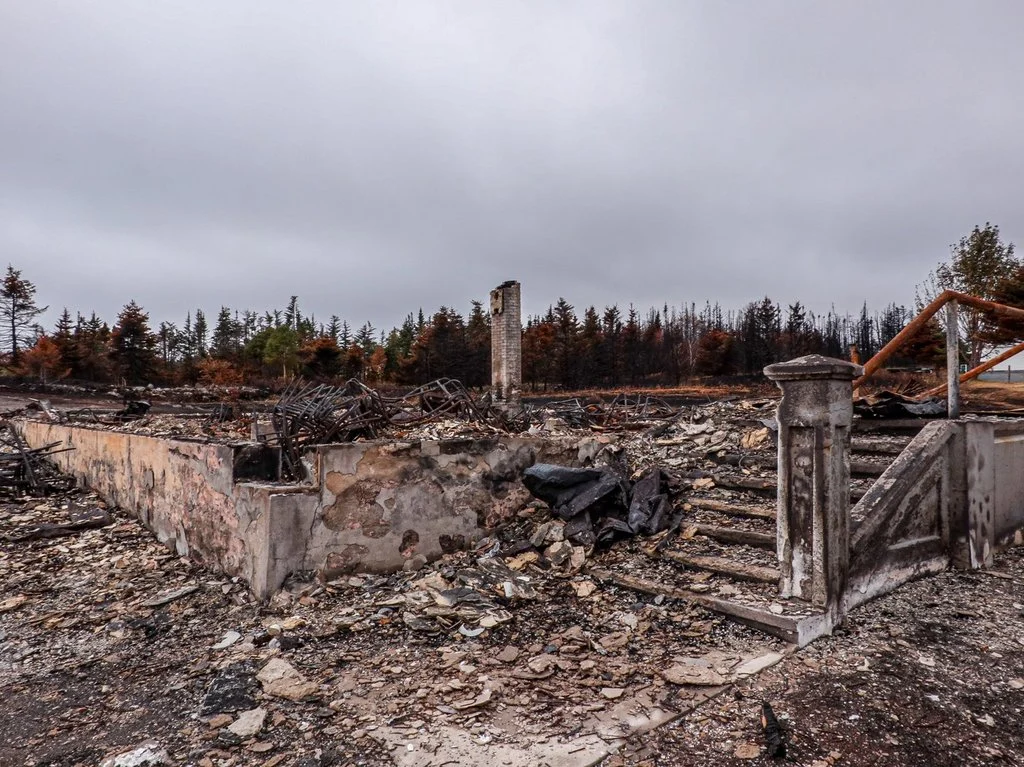
The Royal Canadian Mounted Police (RCMP) has reiterated its urgent call for public cooperation in its ongoing investigation into the catastrophic wildfire that ravaged Conception Bay North, Newfoundland and Labrador, in August 2025, destroying nearly 200 structures and displacing numerous residents. Almost a year after the blaze, which is officially deemed suspicious, the force’s Major Crimes Unit continues to lead a complex probe, acknowledging the profound frustration within affected communities while emphasizing the active and critical nature of the investigation. Authorities believe there are individuals, potentially even direct witnesses, who possess vital information yet to be shared with police, and their testimony is crucial to bringing resolution to a tragedy that profoundly reshaped several coastal communities.
The Devastation of Conception Bay North
On August 3, 2025, a series of wildfires erupted across eastern Newfoundland, with the most destructive igniting within the scenic and historically rich region of Conception Bay North. The fire quickly escalated, fueled by dry conditions and strong winds, engulfing a vast area that included the communities of Small Point-Adam’s Cove-Blackhead-Broad Cove. This cluster of picturesque fishing villages, renowned for its heritage buildings, rugged coastlines, and close-knit communities, bore the brunt of the devastation. The inferno, which raged for days, ultimately consumed approximately 200 structures, including cherished family homes, small businesses, and significant historical landmarks, leaving behind a landscape of charred ruins and profound loss. The image captured on August 29, 2025, depicting the skeletal remains of a historic building, served as a stark visual testament to the widespread destruction that forever altered the physical and emotional fabric of these communities. Many residents, some of whom had lived in the area for generations, found themselves homeless, their livelihoods disrupted, and their sense of place shattered. The scale of the disaster prompted a massive emergency response and a prolonged period of recovery that continues to this day.
A Catastrophic Timeline: The 2025 Wildfire

The unfolding of the Conception Bay North wildfire in 2025 was a harrowing sequence of events that began with an innocuous ignition and quickly spiralled into a regional catastrophe.
- August 3, 2025: The initial reports of brush fires emerged in eastern Newfoundland. The fire in Conception Bay North, specifically, began to spread with alarming speed, driven by prevailing winds and unusually dry summer conditions. Early efforts by local volunteer fire departments were quickly overwhelmed by the intensity and rapid expansion of the blaze.
- August 4-6, 2025: As the fire grew, provincial firefighting resources, including water bombers and ground crews from the Newfoundland and Labrador Forest Service, were deployed. Despite their best efforts, the inferno breached containment lines, forcing mandatory evacuation orders for residents in several communities, most notably Small Point-Adam’s Cove-Blackhead-Broad Cove. Hysteria and confusion mingled with organized efforts as families scrambled to gather essential belongings and leave their homes, many unsure if they would ever return to find them standing. The Royal Newfoundland Constabulary (RNC) and local RCMP detachments coordinated evacuation routes and maintained security in the affected areas.
- Mid-August 2025: The fire, while still active, began to show signs of being brought under control through a combination of sustained firefighting efforts and a shift in weather patterns, including some much-needed rainfall. The immediate danger to human life receded, but the full extent of the structural damage became devastatingly clear. Damage assessment teams began the painstaking process of cataloguing the losses, confirming the destruction of nearly 200 structures.
- Late August 2025: With the fire largely contained, attention shifted to the immediate aftermath and the beginning of the long road to recovery. The photo of the ruins, dated August 29, 2025, captures this period of initial assessment and the grim reality faced by returning residents. Psychological support services were initiated, and preliminary disaster relief efforts commenced.
- September 2025 – June 2026: The focus remained on providing emergency housing and financial aid to displaced families. The provincial government established various support programs, attempting to navigate the complex challenges of rebuilding homes and lives. The RCMP’s Major Crimes Unit formally took over the investigation into the fire’s origins, classifying it as suspicious based on preliminary findings and the pattern of ignition.
- July 30, 2026: Officer Adam Palmer of the RCMP provides an update to reporters in St. John’s, N.L., confirming the ongoing nature of the investigation, the clearing of some individuals, the lack of arrests, and the crucial need for public assistance, nearly a year after the fire first ignited. This update underscored the protracted nature of such investigations and the persistent search for truth and accountability.
RCMP Intensifies Suspicious Fire Probe
The decision by the RCMP to classify the Conception Bay North wildfire as "suspicious" from an early stage, and to assign its Major Crimes Unit to lead the investigation, underscores the gravity of the situation and the potential for human involvement. Officer Adam Palmer, who oversees investigative support services in Newfoundland and Labrador, addressed the media in St. John’s, emphasizing the unit’s rigorous approach. "This is not a cold case; this is an active and dynamic investigation," Palmer stated, aiming to allay fears of stagnation within the community. He confirmed that a number of individuals initially considered persons of interest have been thoroughly investigated and subsequently cleared. However, Palmer was explicit in clarifying that no arrests have been made to date, nor has the force definitively concluded that arson was the cause, despite the suspicious nature of the fire. The distinction is critical: "suspicious" indicates a lack of clear natural cause and raises red flags, prompting a criminal investigation, but does not equate to confirmed arson until irrefutable evidence is found.
Investigators are meticulously piecing together evidence, employing forensic analysis at the fire scene, reviewing witness accounts, and examining any potential leads. Palmer highlighted the belief that crucial information remains untapped within the community. "We believe there may be people – even witnesses – with key information who haven’t yet spoken to police," he urged, making a direct appeal for these individuals to come forward. The complexity of wildfire investigations, particularly those suspected of criminal origin, often hinges on eyewitness testimony and detailed accounts from those who may have been in the vicinity during the initial stages of the blaze. The call for individuals to "go on record" suggests that while some may have offered informal tips, the formal, documented statements required for a criminal prosecution are still lacking. The RCMP understands the emotional toll and potential reluctance some witnesses might have but assures them that their information is vital for justice and closure.
The Lingering Toll: Human Impact and Government Support

The Conception Bay North wildfire left an indelible scar on the affected communities, extending far beyond the physical destruction. For the nearly 200 households whose homes and properties were obliterated, the immediate aftermath brought profound shock, grief, and uncertainty. The loss of personal belongings, irreplaceable mementos, and the very foundations of their daily lives plunged many into a state of emotional crisis. The social fabric of these tight-knit communities also faced immense strain, as neighbours and friends found themselves dispersed, their routines shattered, and their shared spaces reduced to rubble. Children experienced trauma from displacement and witnessing the devastation, impacting their sense of security and continuity. Mental health services became a critical component of the recovery effort, addressing anxiety, depression, and post-traumatic stress among survivors.
One year on, the struggle for recovery is far from over. As of last month, the provincial government of Newfoundland and Labrador continues to provide direct assistance to 48 households still grappling with the long-term effects of the fire. This ongoing support, costing approximately $51,000 per month, highlights the enduring need for aid long after the smoke clears. This financial assistance likely covers temporary housing, essential living expenses, and other critical needs for families still unable to return to permanent homes or fully rebuild their lives. Beyond direct financial aid, the government, in collaboration with local municipalities and non-governmental organizations, has also been involved in coordinating efforts related to debris removal, environmental remediation, and providing guidance on insurance claims and rebuilding permits. The magnitude of the displacement and the protracted nature of the recovery underscore the devastating human cost of such large-scale disasters, emphasizing the need for comprehensive and sustained support systems.
Rebuilding and Resilience: Community and Economic Outlook
The path to recovery for Conception Bay North is multifaceted, encompassing not only the physical reconstruction of homes and infrastructure but also the revitalization of community spirit and the local economy. The affected communities, historically reliant on fishing, small businesses, and a growing tourism sector, faced significant economic disruption. Local businesses, many of which were family-owned and operated, were either destroyed or severely impacted by the loss of local clientele and tourist traffic. The challenge of rebuilding extends to the very infrastructure that supports these industries, from wharves and processing facilities to hospitality venues.
Despite the profound losses, there is a strong undercurrent of resilience within the communities. Neighbours have rallied to support one another, demonstrating the enduring strength of Newfoundland and Labrador’s community spirit. Volunteer groups, both local and provincial, played a crucial role in the immediate aftermath, providing food, clothing, and shelter, and continue to assist with long-term recovery efforts. The long-term economic outlook will depend heavily on sustained government investment, the ability of residents to secure adequate insurance settlements, and the willingness of entrepreneurs to restart and innovate. Rebuilding historic structures, where possible, will also be vital for preserving the cultural identity and tourism appeal of the region. The process is expected to take several years, requiring continued collaboration between residents, local councils, provincial authorities, and potentially federal partners to ensure a robust and sustainable recovery.

Preventing Future Tragedies: Broader Implications
The Conception Bay North wildfire serves as a stark reminder of Newfoundland and Labrador’s vulnerability to such catastrophic events, particularly in a changing climate. While this specific fire is under investigation for suspicious origins, the broader context of increasing wildfire frequency and intensity across Canada cannot be ignored. The 2023 Canadian wildfire season, which saw unprecedented destruction across vast swaths of the country, highlighted the escalating risks posed by hotter, drier summers and more extreme weather patterns. Even human-caused fires are often exacerbated by these environmental conditions, turning a spark into an inferno.
This event prompts critical questions about wildfire preparedness, prevention, and response strategies in the province. Discussions around enhanced forest management practices, stricter regulations on outdoor burning, improved early detection systems, and community-level FireSmart programs will undoubtedly gain traction. For instance, creating defensible spaces around homes and using fire-resistant building materials can significantly mitigate damage in the event of a blaze. Furthermore, the incident underscores the importance of public awareness campaigns regarding the dangers of human-caused fires, whether accidental or intentional. The environmental impact of such fires is also considerable, leading to habitat loss for wildlife, soil erosion, and significant carbon emissions. Learning from the 2025 Conception Bay North wildfire is not just about seeking justice for those affected, but also about fortifying communities against future threats, ensuring that prevention and preparedness are at the forefront of regional planning and public policy. The RCMP’s ongoing investigation into the fire’s origins is therefore a crucial step, not only for accountability but also for informing future prevention efforts, understanding potential vulnerabilities, and safeguarding the province’s natural landscapes and cherished communities.
The RCMP’s persistent appeal for witnesses underscores the critical role the public plays in solving complex criminal investigations. Officer Adam Palmer’s message remains clear: any piece of information, no matter how insignificant it may seem, could be the missing link that brings resolution to the victims and helps prevent similar tragedies in the future. Those with information are urged to contact the RCMP or Crime Stoppers confidentially.