admin
admin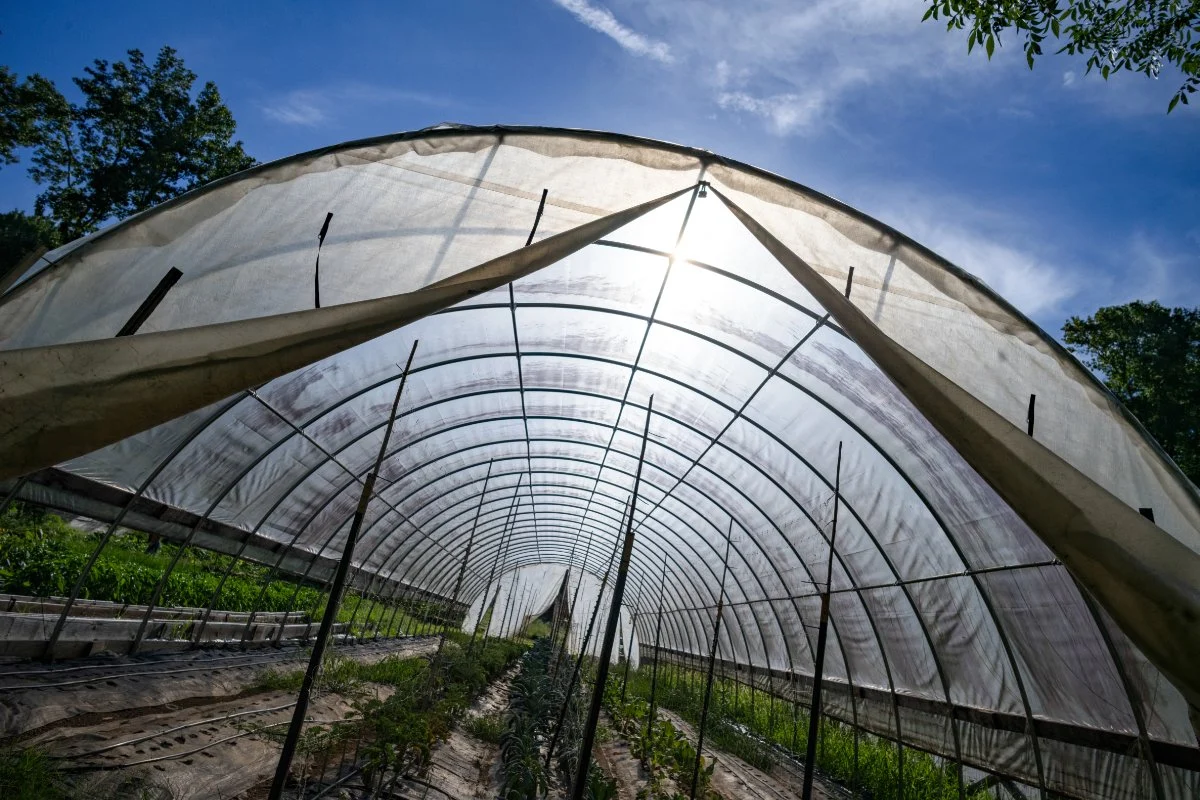
The landscape of food access in urban centers across the United States is frequently characterized by disparities, with many low-income and minority communities grappling with the challenge of limited access to fresh, healthy produce. In southwest Atlanta, this reality spurred Jamila Norman, a dedicated urban farmer and community advocate, to transform a personal frustration into a thriving enterprise: Patchwork City Farms. Her journey began with a simple yet profound desire to provide her family and neighbors with nutritious food options, ultimately evolving into a significant independent organic urban farm that challenges prevailing narratives about food deserts and champions the resilience of Black farmers.
The Genesis of a Movement: Addressing Food Insecurity in Southwest Atlanta
Jamila Norman’s commitment to cultivating fresh food began in a deeply personal space. Upon moving to southwest Atlanta with her family, she encountered a stark reality: a scarcity of healthy food choices in a neighborhood predominantly composed of African American residents across various income levels. "All the food options were trash," Norman recounted, reflecting on the limited availability of fresh produce. This personal observation was not an isolated incident but a symptom of a broader systemic issue commonly termed a "food desert," where supermarkets offering diverse, high-quality groceries are conspicuously absent, leaving residents reliant on convenience stores or requiring extensive travel to access nutritious provisions. Norman found herself "hightailing across town to other communities" just to buy fresh food, a situation she deemed "ridiculous."

Driven by this frustration, Norman resolved to create a local solution. Her initial step was grassroots, initiating a community garden at a neighborhood park situated just two blocks from her home. This endeavor marked the informal beginning of what would become a cornerstone of the southwest Atlanta community. The success and community engagement surrounding this initial garden laid the groundwork for a more formalized operation. In 2010, the project officially incorporated as Patchwork City Farms, following the acquisition of a lease from a dissolving nonprofit that had also established a garden at a local middle school. This strategic move allowed Norman to expand her reach and solidify her commitment to urban agriculture.
Acquiring Land and Establishing an Independent Farm
A pivotal moment in the evolution of Patchwork City Farms arrived in 2016 when Jamila Norman embarked on a quest for permanent land. Her vision was clear: to own the ground upon which her agricultural dreams could flourish independently. A simple Google search for "land for sale in Atlanta" led her to a remarkable discovery: a 1.2-acre parcel available at an "insanely low" price. This affordability, likely a reflection of historical undervaluation of land in predominantly Black neighborhoods, was a fortuitous circumstance that Norman seized. "I cannot believe somebody is selling this property for this. They have no idea what’s going on in this city," she recalled thinking, recognizing the immense potential of the land.
Financing the acquisition of this land was a testament to Norman’s resourcefulness and community support. She leveraged a combination of personal savings, a refund from the IRS, and a modest $2,000 loan from a friend, collectively amassing the necessary cash to secure the property. The purchase in 2016 marked a significant milestone, enabling Patchwork City Farms to transition from leased spaces to a permanent, independently owned site. By 2017, Norman had fully committed to farming full-time, a decision from which she has "never looked back." This commitment underscores the dedication required to establish and sustain an urban agricultural enterprise, particularly one focused on organic practices and community engagement.

Challenging Narratives: Beyond the "Food Desert" Label
Jamila Norman is keenly aware of the prevailing narrative that labels southwest Atlanta a "food desert." While acknowledging the factual basis of this designation – namely, the failure of conventional retailers to adequately service the community with fresh and healthy food options – she advocates for a more nuanced understanding. Norman emphasizes that the term often overlooks the inherent resilience and ingenuity within affected communities. "What we were not uplifting was the fact that the community, despite all of that, was just like, ‘Well, we’re gonna figure out our own options and come up with solutions to our own issues,’" she articulated.
This perspective shifts the focus from a deficit-based narrative to one of community agency and self-determination. Patchwork City Farms stands as a living testament to this resilience, demonstrating how local initiatives can actively address food insecurity and build alternative food systems. Norman’s work highlights that while external factors contribute to food access challenges, internal community strength can generate powerful, sustainable solutions.
Uplifting Black Farmers: A Legacy of Resilience and Ingenuity
Beyond her work at Patchwork City Farms, Jamila Norman is an active member of and collaborates with several organizations dedicated to supporting and uplifting Black farmers in the Southeast. This involvement is rooted in a profound understanding of the historical and ongoing struggles faced by Black agriculturalists in the United States. Norman passionately asserts the importance of highlighting the often-untold stories of survival and innovation within this community. "Black farmers have gone through so much in this country, but we’re not talking about the story of resilience and how people farmed despite this—the incredible, amazing, mind-blowing stories of survival and ingenuity," she stated.

Historical Context: The Decline of Black Farming in America
The history of Black farming in the U.S. is marked by both significant contributions and systemic discrimination. Following emancipation, many formerly enslaved people acquired land, and by 1910, Black farmers owned over 16 million acres of land, representing about 14% of the nation’s farmers. However, the 20th century saw a dramatic decline, largely due to discriminatory practices, land theft, violence, and unequal access to federal programs and loans. The U.S. Department of Agriculture (USDA), for instance, has a documented history of denying loans and assistance to Black farmers, contributing to massive land loss. By 1997, Black farmers owned less than 2 million acres, and today, they represent less than 2% of the nation’s farmers. This precipitous decline, from over a million Black farmers in 1910 to fewer than 50,000 currently, represents a significant loss of wealth, cultural heritage, and food system diversity.
Organizations like those Norman is involved with work to reverse this trend, providing resources, advocacy, and community for Black farmers. Their efforts aim to ensure that new generations can access land, capital, and training, and that the historical contributions and enduring resilience of Black farmers are recognized and supported. This broader movement directly complements Norman’s work by fostering an ecosystem where farms like Patchwork City can thrive and serve as models.

The Broader Impact and Vision for the Future of Food
Jamila Norman’s vision extends beyond the boundaries of Patchwork City Farms, encompassing a fundamental reimagining of the global food system. She advocates for greater recognition and awareness of the true origins of our daily food, emphasizing the critical role played by small-scale farmers worldwide. "The future I imagine is more recognition and awareness of where the food that we eat every day actually comes from," she explained. "And it really does come from small farms. Globally, small farmers, small landholders, are the ones producing food. Big Ag produces commodities."
This distinction is crucial to Norman’s philosophy. "Big Ag," or industrial agriculture, often prioritizes monoculture and mass production of staple crops for global markets, driven by efficiency and profit. While contributing to global food supply in terms of caloric output, this model often comes at the expense of biodiversity, local economies, and environmental sustainability. In contrast, small farms, like Patchwork City Farms, typically focus on diverse crops, sustainable practices, and direct sales to consumers, fostering local food security and community engagement.
Challenges and the Need for Systemic Support

Norman warns against the perilous over-reliance on industrial agriculture, noting that "we can’t build a system on luck." The current trajectory, she highlights, sees "we’re losing farmers by the many thousands every year." This loss is attributable to numerous factors, including the high cost of land, inadequate access to capital, insufficient infrastructure for small-scale distribution, competition from large agribusinesses, and the aging farmer population without clear succession plans. Without robust support systems, the future of diversified, locally sourced food remains precarious.
The implications of this decline are profound. "If we do not replace small farmers, if we do not replace family farms, individual farms, if we leave food up to Big Ag, the variety is going to plummet even more," Norman cautioned. The industrial food system already contributes to a dramatic reduction in crop diversity, focusing on a handful of high-yield varieties, which can make the food supply more vulnerable to pests, diseases, and climate change. Furthermore, the human element of food production – the hands-on care, community connection, and specialized knowledge – is diminished. "Today, it’s still people, it’s still hands, it’s still communities, it’s still individuals that are really growing your food, picking it, harvesting it, packaging it, all of that," she emphasized.
Fostering a New Generation of Farmers

Despite the challenges, Norman observes a growing "interest from people wanting to become farmers." This renewed enthusiasm, particularly among younger generations and those seeking more sustainable livelihoods, represents a beacon of hope. However, translating interest into viable farming careers requires systemic change and dedicated support. "We have to figure out a way to make it viable," she stressed. This includes policies that facilitate land access for new farmers, provide financial incentives and training, support local food infrastructure (like farmers markets and food hubs), and recognize the ecological and social value of small-scale agriculture.
Patchwork City Farms serves as a practical example and an inspiration for this future. By demonstrating the economic and social viability of an organic urban farm in a historically underserved community, Norman provides a blueprint for others. Her engagement with Black farmer organizations also underscores the importance of collective action and mentorship in overcoming historical disadvantages and building a more equitable and resilient food system.
Conclusion: A Model of Food Sovereignty and Community Empowerment
Jamila Norman’s journey with Patchwork City Farms is more than just a story of growing vegetables; it is a powerful narrative of food sovereignty, community empowerment, and historical resilience. From a personal response to food scarcity, she has cultivated an independent, organic urban farm that not only provides fresh produce to southwest Atlanta but also challenges systemic inequities and champions the vital role of small-scale agriculture.

Her work stands as a testament to the idea that communities can and will find their own solutions to complex problems, particularly when leaders like Norman emerge to guide the way. By actively participating in organizations that uplift Black farmers and advocating for a food system that values small producers over industrial giants, Norman is not merely planting seeds in the soil; she is sowing the seeds of a more equitable, sustainable, and resilient future for food in America and beyond. Patchwork City Farms exemplifies how local action, rooted in historical awareness and a clear vision, can transform food deserts into fertile grounds of opportunity and hope.