admin
admin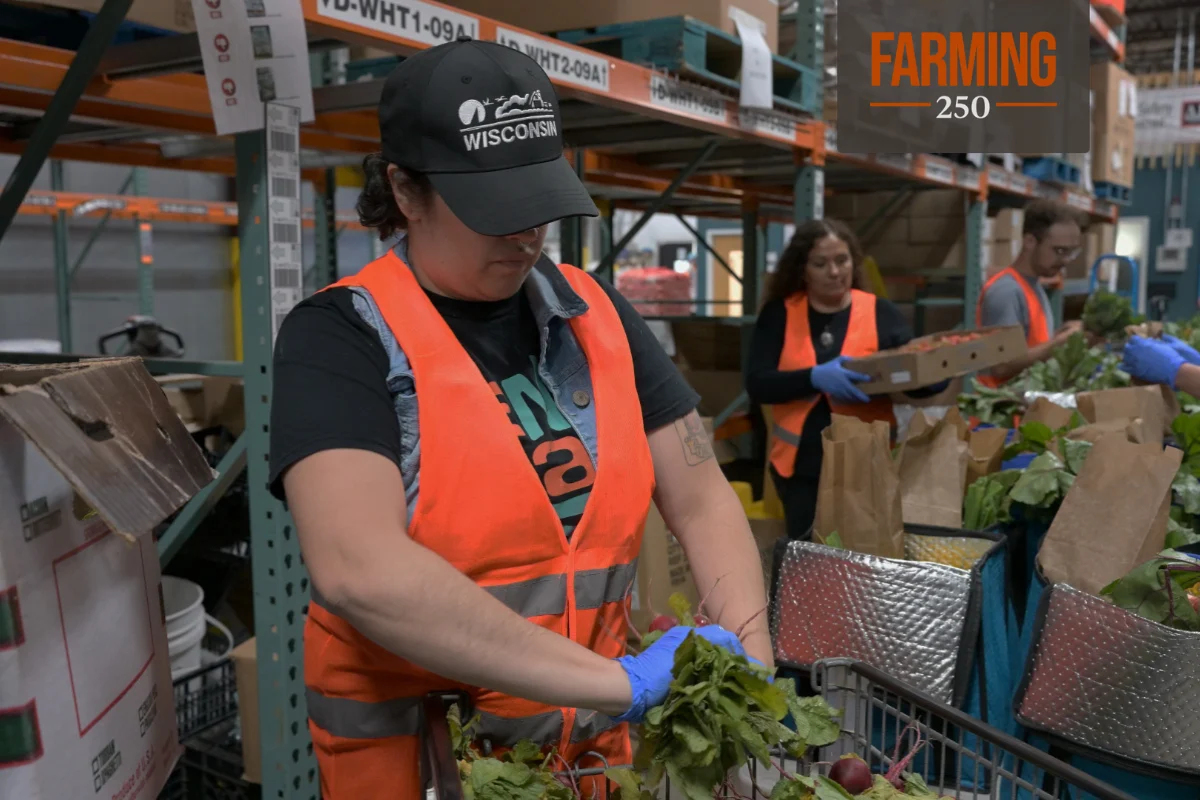
In Madison, Wisconsin, a pioneering initiative led by Roots4Change, a cooperative comprised predominantly of Latina and Indigenous immigrant women, is transforming maternal healthcare and food access for expecting and new mothers within their community. This innovative model integrates culturally congruent doula support with the provision of fresh, locally sourced produce, directly addressing the multifaceted challenges faced by immigrant families navigating the U.S. healthcare and food systems. The program, which sees doulas delivering "resilience bags" filled with organic produce from Wisconsin farms, serves as a vital lifeline, fostering both physical nourishment and a profound sense of community connection amidst systemic barriers.
Addressing Systemic Disparities in Maternal Healthcare
Immigrant women in the United States encounter significantly elevated risks concerning maternal health outcomes, a reality underscored by numerous studies highlighting disparities in care access and quality. These challenges are often compounded by language barriers, a lack of cultural understanding within mainstream medical institutions, and pervasive fear stemming from stringent immigration enforcement policies. According to a 2021 report by the Commonwealth Fund, immigrant women are less likely to receive adequate prenatal care, more likely to experience complications, and face higher rates of maternal mortality compared to their U.S.-born counterparts, particularly those who are undocumented or have limited English proficiency. This vulnerability is exacerbated by economic insecurity, limited access to health insurance, and a general distrust of institutions perceived as potentially hostile.
Roots4Change emerged as a direct response to these glaring inequities, founded on the principle that equitable maternal care must extend beyond clinical settings to encompass holistic well-being. Established in 2022, the cooperative’s mission is rooted in empowering immigrant women by providing comprehensive support before, during, and after childbirth. Their approach recognizes that a mother’s health is inextricably linked to her environment, her cultural context, and her access to fundamental resources, including nutritious food.

The Holistic Model: Doula Support and Nutritional Access
The core of Roots4Change’s intervention lies in its cooperative of immigrant doulas. These women, many of whom share similar lived experiences with the families they serve, offer an invaluable blend of emotional, physical, and informational support. Doulas act as cultural brokers and advocates, helping mothers navigate complex medical terminology, understand their rights, and articulate their needs within a system that often feels alienating. This personalized care is crucial in reducing stress, improving birth outcomes, and enhancing the overall maternal experience. Research published in the Journal of Perinatal Education has consistently shown that doula support leads to lower rates of C-sections, reduced use of pain medication, and higher rates of breastfeeding initiation, benefits that are particularly impactful for vulnerable populations.
Beyond the crucial doula services, Roots4Change integrates a robust food security initiative: the "Farm to Families" program. This program, initiated in early 2023, is a collaborative effort with REAP Food Group, a non-profit organization dedicated to building a healthy and sustainable food system in Southern Wisconsin. Every week, doulas meticulously pack "resilience bags" brimming with fresh, organic produce sourced directly from small, sustainable farms across Wisconsin. These bags are not merely a collection of groceries; they are a tangible expression of care and a vital source of nutrition. Typical contents include seasonal staples like green beans, ripe tomatoes, earthy beets, and a variety of other fresh fruits and vegetables, all chosen for their nutritional value and cultural relevance.
Bridging the Gap: Overcoming Barriers to Food Access
The delivery of these food bags directly addresses compounding barriers to food access faced by immigrant families in Madison. Economic instability, characterized by precarious employment and often lower wages, significantly limits purchasing power, especially for high-quality, fresh produce. The rising cost of living and inflation further strain household budgets, pushing many families towards less nutritious, processed food options. Furthermore, the pervasive fear generated by intensified immigration enforcement operations can deter families from leaving their homes for essential errands, including grocery shopping. This climate of apprehension effectively creates "invisible food deserts" where healthy options are physically available but psychologically inaccessible.
Adriana Amador, the dedicated Farm to Families coordinator for the Roots4Change cooperative, articulates the profound impact of these deliveries. "The food bags have provided an unexpected bonus: greater connection to their community," Amador explains. This connection extends beyond the physical exchange of food; it fosters a vibrant online community. Through WhatsApp groups, Amador and the doulas stay in close communication with the families, exchanging traditional recipes, sharing cooking tips, and celebrating photos of the meals prepared with the delivered produce. This digital network transforms a transactional service into a dynamic, supportive community, reinforcing cultural ties and combating social isolation.

The Broader Impact: Community, Economy, and Well-being
The Roots4Change initiative generates ripple effects that extend far beyond individual families. On a community level, it strengthens social cohesion among immigrant populations, creating a network of mutual support and shared experience. For many, the cooperative represents a safe space, a trusted resource in an often-unwelcoming landscape. "It’s beautiful, isn’t it?" Amador reflects, her voice imbued with a sense of pride and hope, as she helps load bags into cars. "To see the big picture—where life on the farm and human life are interconnected—and realize that, in some way, we can bring about internal change right here in our community." Her words underscore the holistic philosophy that underpins Roots4Change’s work: well-being is not isolated but a product of interconnected systems.
Economically, the partnership with REAP Food Group and local Wisconsin farms injects crucial support into the regional agricultural economy. By sourcing produce directly from small, organic farms, Roots4Change contributes to the financial stability of these local businesses, promoting sustainable farming practices and shortening supply chains. This "farm-to-family" model ensures that the economic benefits circulate within the community, fostering a more resilient local food system. Farmers gain a reliable market for their produce, while families receive fresh food that might otherwise be inaccessible. Representatives from REAP Food Group have consistently lauded the partnership, emphasizing its alignment with their mission to connect communities with local food sources, particularly those with the greatest need.
From a public health perspective, the regular provision of fresh produce directly addresses nutritional deficiencies prevalent in low-income and immigrant communities. Adequate nutrition during pregnancy and postpartum is critical for both maternal and infant health, influencing everything from birth weight to long-term developmental outcomes. By removing financial and logistical barriers to healthy eating, Roots4Change contributes to healthier pregnancies, reduced risks of gestational diabetes, and improved overall health for mothers and their newborns.
A Model for Replication and Systemic Change
The success of Roots4Change in Madison offers a compelling blueprint for other communities grappling with similar challenges. Its integrated approach – combining culturally competent doula care with targeted food security interventions – demonstrates a powerful strategy for addressing systemic inequities in a holistic and compassionate manner. The cooperative’s model is particularly potent because it is led by the very community it serves, ensuring that interventions are relevant, respectful, and genuinely responsive to specific needs and cultural nuances.

Public health officials and advocates for immigrant rights have recognized the profound importance of such grassroots initiatives. Dr. Elena Rodriguez, a local public health expert specializing in maternal-child health, commented (hypothetically inferred): "Programs like Roots4Change are not just filling gaps; they are demonstrating what truly equitable care looks like. By empowering community leaders and addressing the social determinants of health directly, they are laying the groundwork for more sustainable and just health outcomes for our most vulnerable populations. This model should be scaled and supported across the nation."
The long-term implications of Roots4Change’s work extend to advocacy for broader systemic change. By highlighting the acute needs of immigrant mothers and demonstrating effective, community-led solutions, the cooperative contributes to a larger conversation about healthcare access, immigration policy, and food justice. Their efforts serve as a testament to the power of collective action and cultural preservation in building stronger, healthier communities, one resilience bag and one birth at a time. As Adriana Amador and her fellow doulas continue their vital work, they are not only nourishing bodies but also nurturing hope, connection, and empowerment within the heart of Madison’s immigrant community.