admin
admin
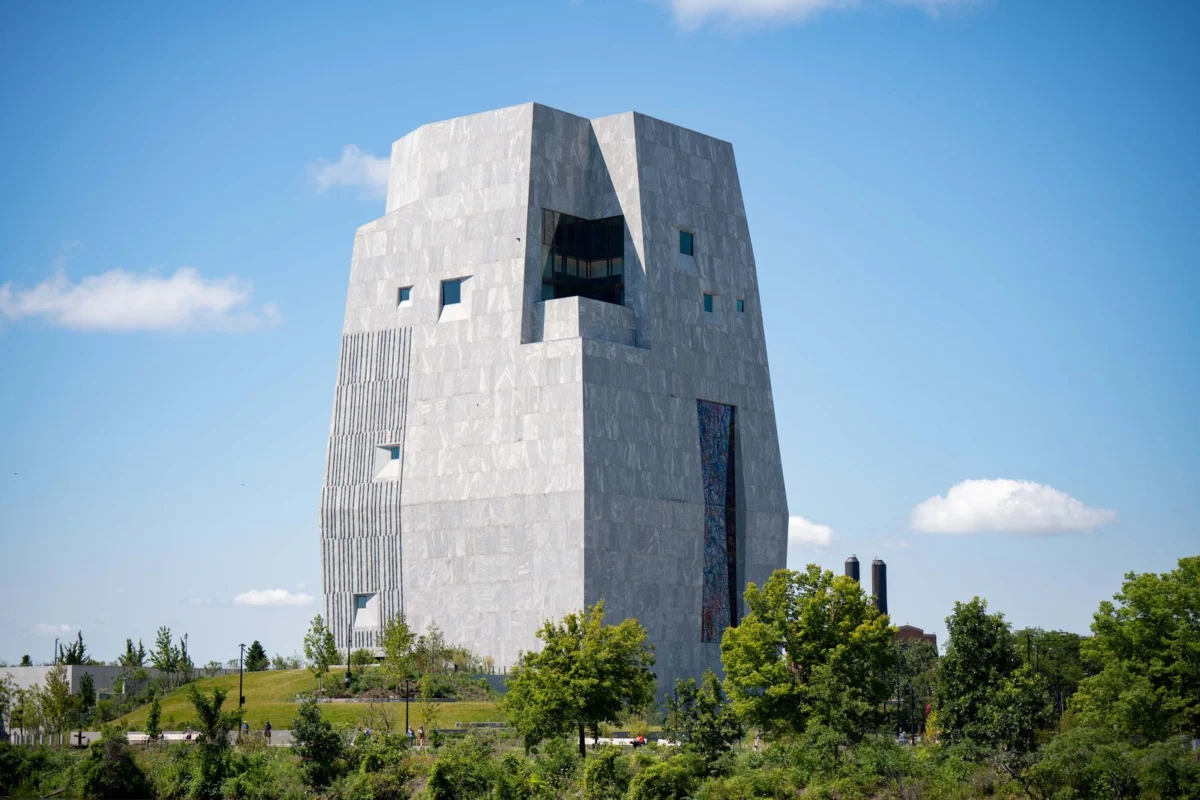
The rapid proliferation of data centers, the unseen behemoths powering the digital age, has increasingly brought them into conflict with local communities and environmental advocates. As these critical infrastructure facilities grow in number and scale, architects are actively exploring whether more thoughtful and aesthetically pleasing design can effectively mitigate public opposition and foster greater acceptance. This architectural pivot represents a significant shift from the traditionally utilitarian, often stark, designs that have characterized data centers for decades.
The Unseen Giants: The Exponential Rise of Data Centers
Data centers are the foundational infrastructure of the modern digital economy, housing the servers, storage systems, and networking equipment that process, store, and transmit vast amounts of data. Their growth has been exponential, driven by the relentless expansion of cloud computing, artificial intelligence (AI), machine learning, big data analytics, and the Internet of Things (IoT). From streaming services and online banking to advanced scientific research and autonomous vehicles, nearly every digital interaction relies on these facilities.
Globally, the data center market is projected to continue its robust expansion, with estimates placing its value in the hundreds of billions of dollars and anticipating sustained double-digit annual growth rates. This expansion translates directly into a demand for more physical infrastructure. According to a 2023 report by Synergy Research Group, the number of hyperscale data centers alone surpassed 900 worldwide, a figure expected to climb significantly in the coming years. Major tech companies, telecommunications providers, and colocation operators are continually investing billions in building new facilities or expanding existing ones to keep pace with insatiable data demands. This surge in construction, however, has not been without its challenges, particularly regarding their integration into existing landscapes and communities.
The Roots of Opposition: Why Communities Resist Data Center Development
Despite their undeniable economic and societal benefits, data centers frequently encounter substantial opposition from local communities, often falling under the "Not In My Backyard" (NIMBY) phenomenon. This resistance stems from a confluence of environmental, aesthetic, and logistical concerns.
Environmentally, data centers are notorious for their significant energy consumption. Powering servers and cooling equipment demands immense electricity, often sourced from fossil fuels, contributing to carbon emissions. A 2022 study by the International Energy Agency indicated that data centers account for approximately 1-1.5% of global electricity demand, a figure projected to rise with AI’s rapid adoption. Furthermore, cooling systems frequently require vast quantities of water, raising concerns in drought-prone regions. Noise pollution from cooling fans and generators can also be a nuisance to nearby residents.
Aesthetically, traditional data centers are often perceived as monolithic, windowless boxes, devoid of architectural character and visually disruptive. Their large footprints can consume significant tracts of land, displacing agricultural areas or natural habitats. Logistically, their presence can strain local infrastructure, demanding upgrades to power grids, water supply, and transportation networks, which communities often bear the cost of, directly or indirectly. Concerns over potential electromagnetic interference, though often unsubstantiated, can also contribute to public apprehension.
Architects to the Forefront: Design as a Solution for Integration
Recognizing the escalating tensions, a growing number of architects, urban planners, and data center developers are actively rethinking the design paradigm for these essential facilities. The core hypothesis is that by integrating thoughtful aesthetics and sustainable practices, data centers can become less of an eyesore and more of an asset, fostering community acceptance and mitigating environmental impact. This shift involves moving beyond purely functional, warehouse-like structures towards designs that consider context, materiality, and public interface.
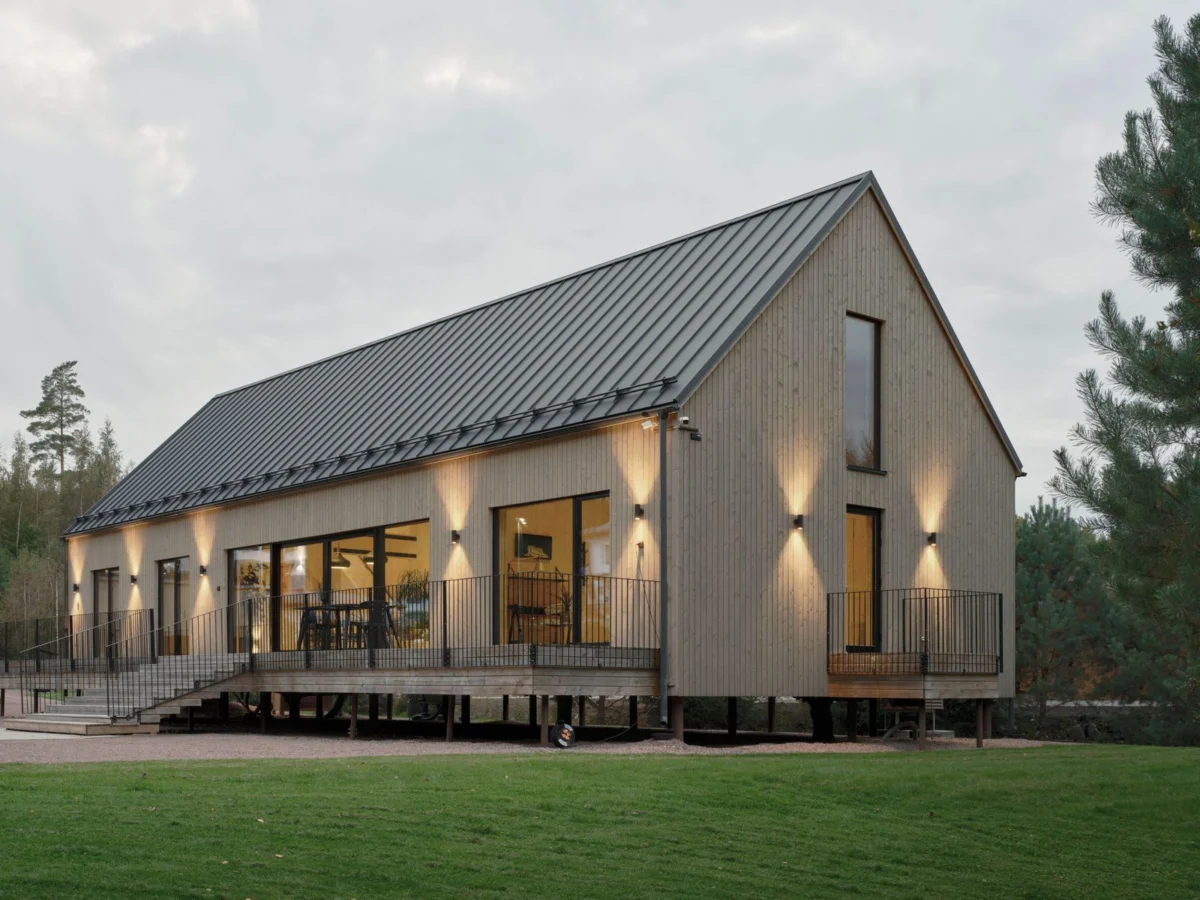
The design philosophy now emphasizes blending the data center into its surroundings, rather than isolating it. This can involve using local building materials, incorporating green roofs and living walls, and employing facade treatments that break up the visual mass of the building. Some innovative approaches even propose integrating public amenities, such as parks, walking trails, or community spaces, around or even within the data center campus, transforming a traditionally exclusionary facility into a more permeable and engaging urban element.
Case Studies in Transformation: Examples of Aesthetic Integration
Several pioneering projects worldwide are demonstrating the potential of this new architectural approach. In regions like Northern Virginia, a global hub for data centers, developers are increasingly facing pressure to adopt more aesthetically pleasing designs. For instance, some newer facilities are featuring extensive landscaping, incorporating tree lines, berms, and natural plantings to soften their visual impact and create a buffer zone.
One notable example is the Bahnhof Pionen data center in Stockholm, Sweden, famously housed in a former Cold War-era nuclear bunker. While an extreme case of adaptive reuse, its unique subterranean location minimizes surface disruption and its interior, designed by Albert France-Lanord Architects, is strikingly modern with glass, waterfalls, and vibrant lighting, transforming a functional space into an architectural marvel. Although not directly visible to the public, it showcases how design can elevate the perception of a data center.
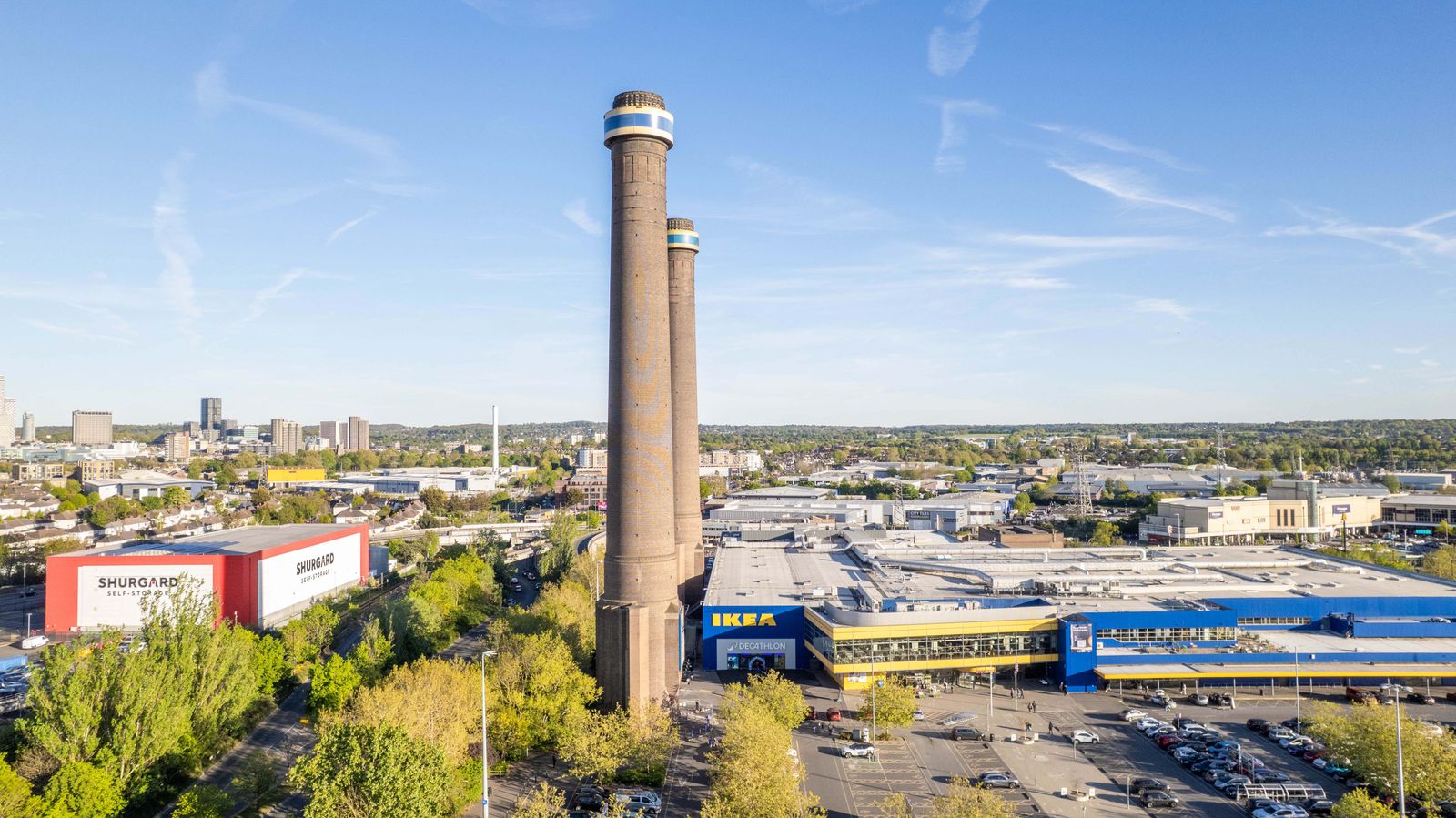
More conventional examples include facilities that integrate public art installations or design facades that reflect local architectural styles or natural elements. In some European countries, urban data centers are being designed with offices and even retail spaces on lower floors, allowing them to seamlessly blend into mixed-use developments, rather than standing as isolated industrial blocks. The focus is on creating structures that, instead of demanding attention for their sheer scale, subtly integrate and even enhance their immediate environment.
The Green Imperative: Sustainability and Design Intertwined
The architectural transformation of data centers is inextricably linked with the imperative for greater sustainability. "Prettier design" often goes hand-in-hand with "greener design." Architects are now incorporating features that reduce energy consumption, minimize water usage, and decrease the overall carbon footprint.
Strategies include optimizing building envelopes for thermal performance, utilizing natural ventilation and free cooling where climate permits, and integrating renewable energy sources directly into the data center’s design. Solar panels on roofs and facades are becoming more common, and some facilities are exploring geothermal cooling or leveraging waste heat for district heating systems in nearby communities. The waste heat from servers, traditionally expelled into the atmosphere, can be captured and repurposed to warm homes, offices, or even greenhouses, transforming a negative byproduct into a valuable resource.
Water conservation is another critical area. Advanced cooling technologies, closed-loop systems, and rainwater harvesting are being implemented to reduce reliance on municipal water supplies. These sustainable features not only reduce the environmental impact but can also enhance the building’s aesthetic appeal, for instance, through visible green infrastructure or thoughtful integration of water features.
Economic and Social Calculus: Weighing the Benefits and Costs
The shift towards more aesthetically pleasing and sustainable data center design presents a complex economic and social calculus. On the economic front, while initial investment costs for architecturally significant or environmentally advanced designs might be higher, these can be offset by long-term operational savings from reduced energy and water consumption. Moreover, a more integrated and accepted data center can avoid costly delays from community opposition and litigation, and potentially enhance brand reputation for developers. The presence of data centers can also bring significant tax revenue and skilled job opportunities to local areas, though these benefits are sometimes overshadowed by community concerns.
Socially, the implications are profound. A well-designed data center can move beyond being merely an infrastructural necessity to become a point of local pride or, at the very least, a less contentious neighbor. By demonstrating a commitment to environmental stewardship and community integration, developers can build trust and foster more positive relationships with local residents. This can lead to smoother permitting processes and a more harmonious coexistence, addressing the core issue of softening opposition. Urban planners also benefit from having critical infrastructure that can be more easily integrated into broader development schemes, rather than requiring isolated industrial zones.
Voices from the Field: Perspectives on the Shift
Architects involved in data center design emphasize the evolving nature of their role. "We’re moving beyond the black box," states Sarah Jenkins, a principal architect at a firm specializing in critical infrastructure. "Our goal is to make these buildings good neighbors – not just functional, but contributing positively to their environment, both visually and ecologically. It’s about creating structures that communities can live with, and ideally, be proud of."
Developers, initially focused purely on efficiency and security, are increasingly acknowledging the value of design. Mark Harrison, a spokesperson for a global data center operator, notes, "Public perception matters. Investing in thoughtful architecture and sustainability isn’t just a cost; it’s an investment in our social license to operate. It helps us secure permits faster and builds better relationships with the communities we serve."
Community reactions, while still cautious, show signs of evolving. Evelyn Reed, a community activist from a region heavily impacted by data center development, observes, "We still have concerns about power consumption and land use. But when developers come to the table with designs that include green spaces, public access, and a genuine effort to blend in, it certainly makes a difference. It shows they’re listening, and that’s a step in the right direction."
The Path Forward: Challenges and Opportunities
The journey towards universally accepted and aesthetically integrated data centers is ongoing. Challenges remain, including the sheer scale required for many modern facilities, the need for stringent security measures that often dictate opaque exteriors, and the constant pressure to optimize costs. Furthermore, the rapid pace of technological change means that designs must be adaptable to future hardware and cooling innovations.
However, the opportunities for innovation are immense. Architects are exploring modular designs that allow for flexible expansion while maintaining aesthetic coherence. The integration of advanced materials, smart facades that respond to environmental conditions, and biomimicry in design are all areas of active research and development. The future of data center architecture likely involves a holistic approach, where environmental performance, community integration, and striking design are not mutually exclusive but rather complementary elements of essential infrastructure. As our digital dependency grows, the buildings that house our data will increasingly need to reflect a commitment to both technological advancement and harmonious coexistence with the world around them.