admin
admin
The intersection of horticulture, chemical engineering, and craft brewing has found an unlikely focal point in the humble banana. While once relegated to the background notes of German wheat beers, the fruit has undergone a radical transformation within the American craft beer industry. From the experimental use of baby food to the high-stakes importation of rare Thai cultivars, brewers are increasingly obsessed with "unpeeling" the aromatic and textural potential of bananas. This shift reflects a broader movement in the beverage industry toward nostalgic, dessert-forward profiles, even as it presents significant technical and regulatory challenges for producers.
The Innovation of Necessity: The DankHouse Brewing Case Study
In early 2020, the logistical hurdles of sourcing fruit became a catalyst for one of the more unorthodox success stories in the Ohio craft beer scene. Josh and Heather Lange, founders of Newark-based DankHouse Brewing, were preparing for the Juicy Brews IPA festival in Pittsburgh. Their flagship offering, Banana Peel’d—a hazy IPA designed to mimic the profile of a banana puree—fell short of their flavor expectations just days before the event.
The Langes discovered that bulk aseptic banana puree, the industry standard for consistency and shelf stability, could not be delivered in time for the festival. Their attempts to use store-bought bananas resulted in rapid oxidation, turning the beer an unmarketable brown. Dried banana chips similarly failed to provide the necessary flavor punch. Through ingredient analysis, the couple realized that their preferred commercial puree shared a nearly identical composition with Gerber banana baby food.
To save the batch, the Langes executed what they termed a "scooping party," sourcing every available jar of banana baby food from grocery stores across Newark, a city located 40 miles east of Columbus. The resulting beer was served alongside world-renowned labels like The Alchemist’s Heady Topper. The anecdote highlights a recurring theme in modern brewing: the lengths to which independent producers will go to achieve specific, high-intensity flavor profiles that resonate with a consumer base increasingly driven by "pastry" and "smoothie" aesthetics.
The Chemical Disconnect: Gros Michel vs. Cavendish
To understand why brewers struggle to replicate "true" banana flavor, one must look at the history of global agriculture. A century ago, the dominant commercial banana was the Gros Michel, or "Big Mike." This variety was characterized by high concentrations of isoamyl acetate, a fruity ester that provides the pungent, sweet aroma associated with banana-flavored candies like Runts or Laffy Taffy.
In the 1950s, Panama disease, a fungal outbreak, decimated the Gros Michel population, leading to the global adoption of the Cavendish banana. While more resistant to disease, the Cavendish contains significantly lower levels of isoamyl acetate. This creates a sensory disconnect for modern consumers: the "artificial" banana flavor found in candy is actually a faithful recreation of an extinct commercial reality, whereas the "real" fruit in grocery stores feels aromatically muted by comparison.
In the brewing process, isoamyl acetate is a naturally occurring byproduct of fermentation. While it is present in almost all beers—including mainstream lagers like Coors Banquet, which develops a subtle banana note during its cold fermentation—excessive amounts are traditionally viewed as a "flaw" in many styles. However, in specific categories like the German hefeweizen, this ester is the signature characteristic.
Technical Mastery: Coaxing Banana from Yeast
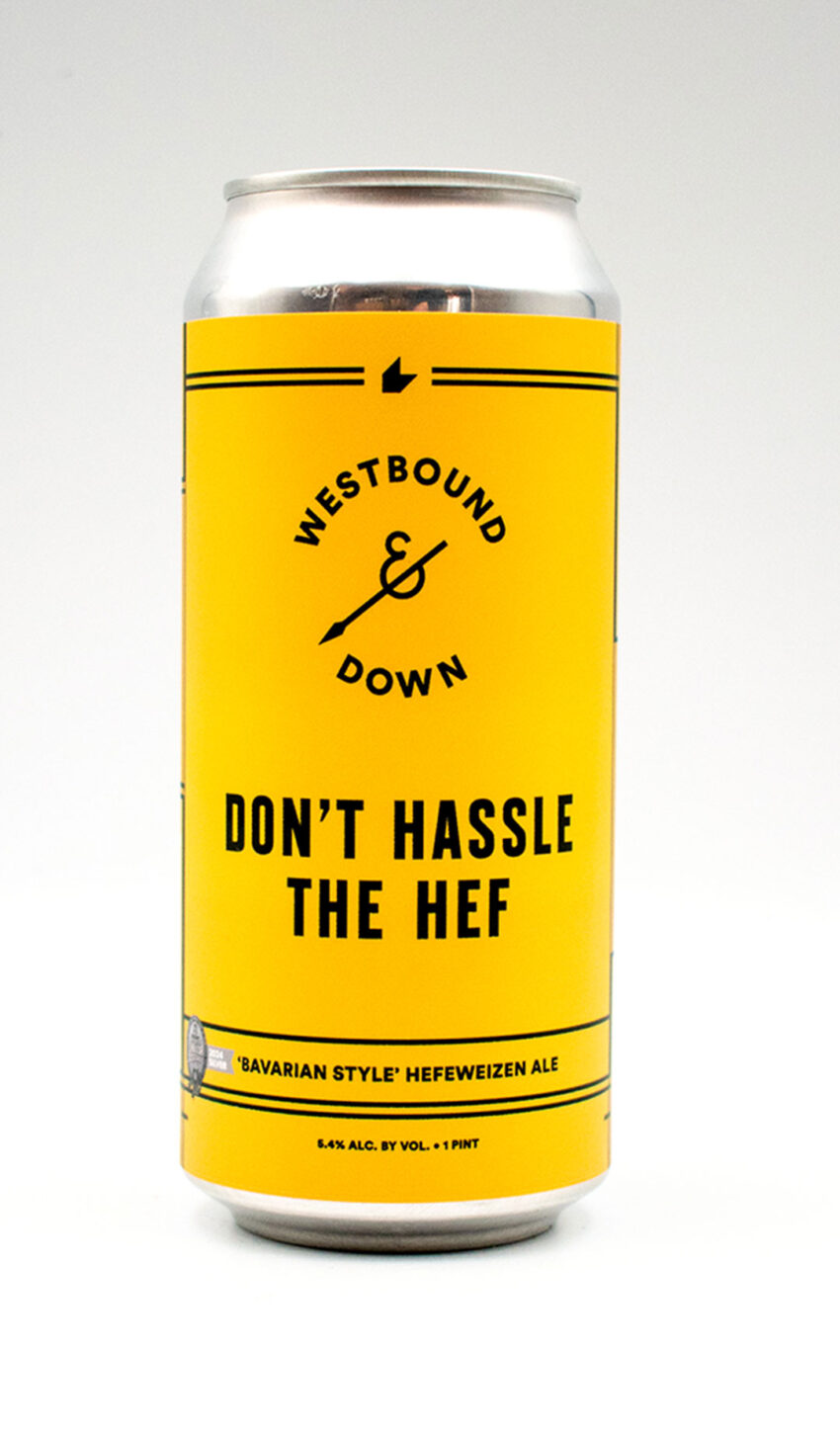
Achieving the perfect banana profile without adding fruit requires precise control over yeast stress. Derek Goodman, head brewer at Westbound & Down Brewing in Colorado, recently secured a silver medal at the 2024 Great American Beer Festival for "Don’t Hassle the Hef," a beer that exemplifies this technical balance.
Goodman’s method involves intentionally under-pitching the yeast—using only one-third of the recommended amount—and limiting oxygen availability. This environment forces the yeast into a state of rapid, "greedy" reproduction to compensate for the lack of resources. The metabolic stress experienced by the yeast during this phase results in the overproduction of fruity esters, specifically isoamyl acetate.
This demand for yeast-driven banana profiles is reflected in industry sales data. Jeff Mello, founder of Nashville-based yeast suppliers Bootleg Biology and Spot Yeast, reports that hefeweizen strains have risen to become the second best-selling products in his catalog, trailing only the ubiquitous hazy IPA yeasts. The popularity of these strains has led to events like the "Banana Brunch" at Nashville’s Fait La Force Brewing, where hefeweizens are paired with ice cream to lean into their dessert-like qualities.
Regulatory Shifts and the TTB Formula Exemptions
Until recently, the use of bananas in commercial brewing was hampered by federal red tape. The Alcohol and Tobacco Tax and Trade Bureau (TTB) traditionally classified bananas as a non-traditional brewing ingredient. This meant that any brewery wishing to sell a banana-infused beer across state lines had to submit a complex formula exemption request, a process that could take weeks or months.
However, in late 2022, the TTB expanded its list of ingredients exempt from formula requirements, finally recognizing bananas as a standard additive for malt beverages. This regulatory easing has opened the floodgates for smaller breweries to experiment with the fruit without the administrative burden that once stifled innovation in the "pastry stout" and "smoothie sour" categories.
The Economics of the "Grand Cru" Banana
For high-end imperial stouts and barleywines, simple purees are often insufficient. Brewers seeking a concentrated, jammy character without the dilution of water-heavy purees have turned to a specialized ingredient: dried wild Thai bananas.
Rodrick Markus, CEO of Chicago-based Rare Tea Cellar, began importing these bananas over a decade ago, primarily for the granola industry. He describes them as the "Grand Cru of bananas" due to their intense fructose content and concentrated aromatics. When the COVID-19 pandemic decimated his restaurant wholesale business, the craft beer industry became his primary lifeline. At the height of the pandemic, Rare Tea Cellar was moving approximately 1,000 pounds of Thai bananas per week to breweries like Other Half and Evil Twin.
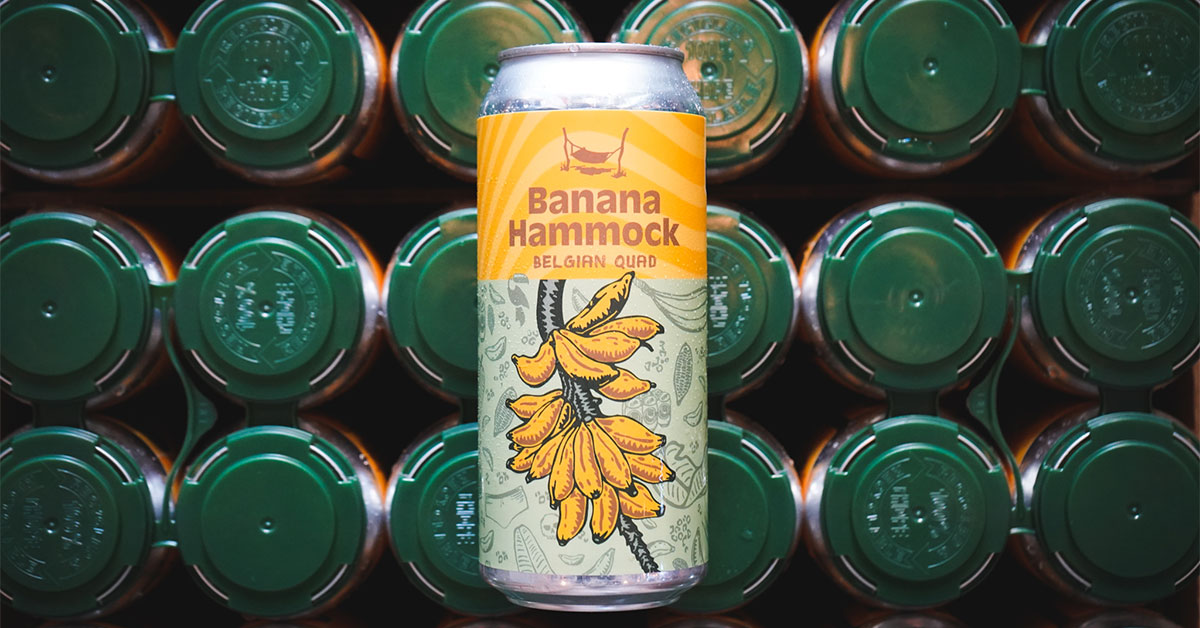
However, this premium ingredient comes with a significant price tag. Matt Tarpey, co-founder of The Veil Brewing in Richmond, Virginia, notes that achieving a "crazy banana character" requires upwards of 10 pounds of dried fruit per barrel. With current prices hovering around $50 per pound—compounded by 35% tariffs on Thai imports—the cost of goods for a single batch can be astronomical. Tarpey admits that beers like "Sky Summoner," which features vanilla, coconut, and Thai bananas, are often "labors of love" with razor-thin profit margins.
Challenges of Texture and Fermentation
Beyond cost and regulation, bananas present unique physical challenges in the brewhouse. Adding fruit during active fermentation can lead to the production of excess sulfur and other off-flavors. Nick Panchamé, president of HOMES Brewery and the Smooj hard smoothie brand, prefers adding banana puree post-fermentation. This method preserves residual sweetness and contributes to the thick, "smoothie-like" body that has become a hallmark of the modern craft scene.
However, this texture is divisive. "There’s a subset of people who really do hate it," Panchamé notes, referring to the viscous mouthfeel that banana additions create. Furthermore, Larry Horwitz of Crooked Hammock Brewery points to the "Cheetos dilemma" of yeast health. When yeast is presented with the simple sugars of a banana puree late in the process, it may "shut down" and stop processing more complex sugars, leading to unstable final products if not managed correctly.
Conclusion: A Permanent Fixture in the Craft Lexicon
The evolution of banana-centric beers reflects the maturation of the craft industry’s palate. What began as a rigid adherence to German tradition (hefeweizens) has expanded into a playful, albeit expensive, exploration of culinary boundaries. Whether through the scientific manipulation of yeast esters or the logistical gymnastics of importing dried fruit from Southeast Asia, brewers have proven that the banana is no longer a fringe ingredient.
As the TTB continues to modernize its definitions of "traditional" ingredients and as global supply chains for specialized fruits stabilize, the presence of banana in the taproom is likely to grow. From the budget-friendly "scooping parties" of Ohio to the $50-a-pound stouts of Virginia, the industry has embraced the peel, ensuring that the banana remains a cornerstone of the modern brewer’s toolkit.