admin
admin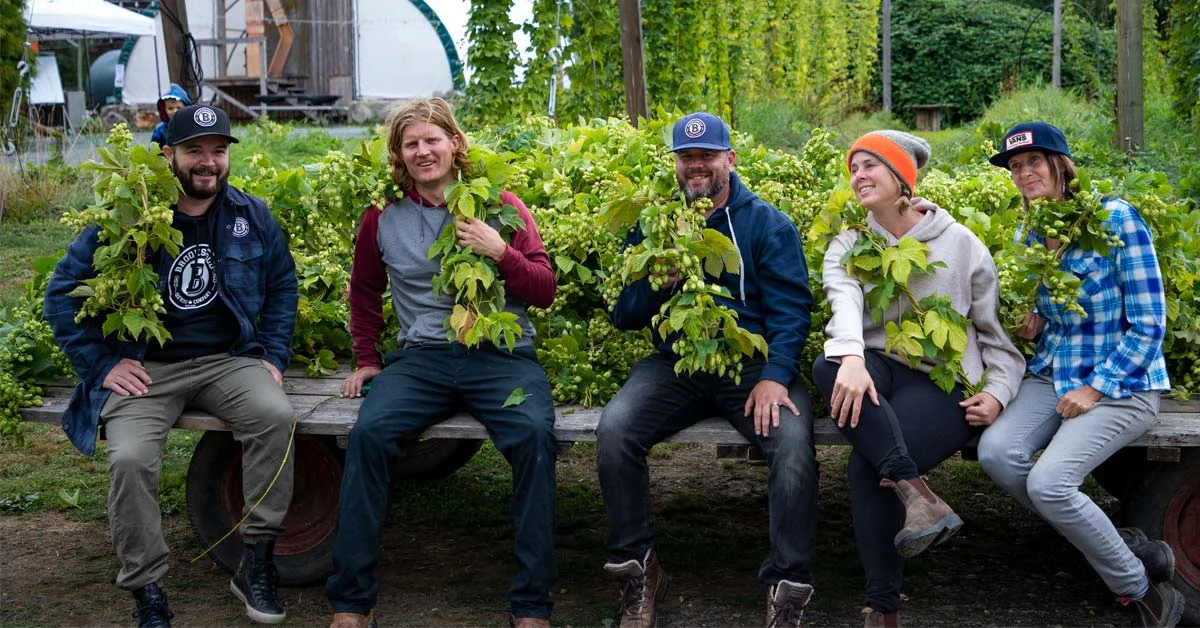
The 2021 launch of the Celebrating Sisters campaign, a nationwide initiative spearheaded by the Indigenous Brew Crew (IBC), marked a pivotal moment of both celebration and profound tension within the Canadian craft beer landscape. Designed to support Indigenous women through the medium of craft brewing, the campaign inadvertently reignited a national conversation regarding the historical trauma, legislative exclusion, and modern-day sovereignty of First Nations, Métis, and Inuit peoples in relation to alcohol. While the project aimed to foster empowerment, it encountered a landscape scarred by a century of systemic marginalization, ultimately leading to the dissolution of the IBC and a renewed focus on how Indigenous entrepreneurs navigate an industry that was once legally weaponized against them.
The Legislative Legacy: Alcohol as a Tool of Colonial Control
To understand the current friction within the Indigenous brewing community, one must analyze the historical framework established by the Canadian government. The Indian Act of 1876 served as the primary vehicle for state-led "cultural genocide," a term formally recognized by the 2015 Truth and Reconciliation Commission (TRC). Under this Act and its subsequent amendments, Indigenous identity was strictly regulated, and traditional governance systems were dismantled.
Central to this control was the prohibition of alcohol. For decades, Indigenous people were legally barred from purchasing, consuming, or manufacturing alcohol. In many instances, the only legal option available to them was non-alcoholic beer, which became derisively known as "Indian Beer." This exclusion was not merely a matter of public health; it was a socio-economic barrier that prevented Indigenous participation in a growing Canadian industry.
Simultaneously, historical records indicate that settlers and colonial officials frequently used alcohol as a tool of exploitation during trade negotiations, upending traditional Indigenous economic systems. This created a cycle of dependency that was exacerbated by the trauma of the residential school system and the "Sixties Scoop," during which Indigenous children were forcibly removed from their families. Professor Niigaan Sinclair, an Anishinaabe scholar, notes that while fermented substances existed in traditional medicines and ceremonies, the modern struggle with alcohol is inextricably linked to coping with generational trauma.
Chronology of Reform and the 2021 Turning Point
The legal landscape began to shift between the 1950s and 1980s as provincial and federal laws were gradually amended to allow Indigenous people the same access to alcohol as other Canadian citizens. However, the removal of prohibition did not equate to the removal of stigma or the restoration of economic parity.
In March 2021, the IBC sought to reclaim this space. The "Celebrating Sisters" campaign featured a collaboration with Anishinaabe artist Chief Lady Bird, who designed a label depicting a blackbird against a woodland backdrop. The project was intended to raise funds and awareness for Indigenous women’s causes. However, the response was polarized. Online platforms became a battleground between those who viewed the project as an act of modern sovereignty and those who saw it as a betrayal of communities still reeling from alcohol-related harm.
Chief Lady Bird addressed these concerns publicly, engaging in a dialogue about the difficulty of reconciling the craft beer industry with Canada’s history of exploitation. Despite the artistic and charitable intentions, the IBC dissolved months later, highlighting the absence of an easy resolution to the "brewing while Indigenous" paradox.

Profiles in Sovereignty: The New Wave of Indigenous Brewers
Despite the controversies, a growing number of Indigenous-led breweries are redefining the industry by prioritizing land stewardship, community representation, and cultural pride.
Locality Brewing and the Responsibility of Identity
Melanie MacInnes, a Métis entrepreneur and co-owner of Locality Brewing in Langley, British Columbia, exemplifies the internal conflict many Indigenous owners face. MacInnes initially hesitated to define her business through her heritage, fearing the weight of the responsibility. After accepting a nomination for Best Indigenous-Led Business in 2022—and subsequently winning—MacInnes embraced the role. She argues that Indigenous representation in every facet of the Canadian economy is essential to the country’s fabric. Locality Brewing focuses on the "farm-to-glass" model, utilizing family land to grow hops and barley, thereby connecting the business to the earth in a manner consistent with Indigenous values.
Kahnawake Brewing: Establishing a Foothold on Indigenous Land
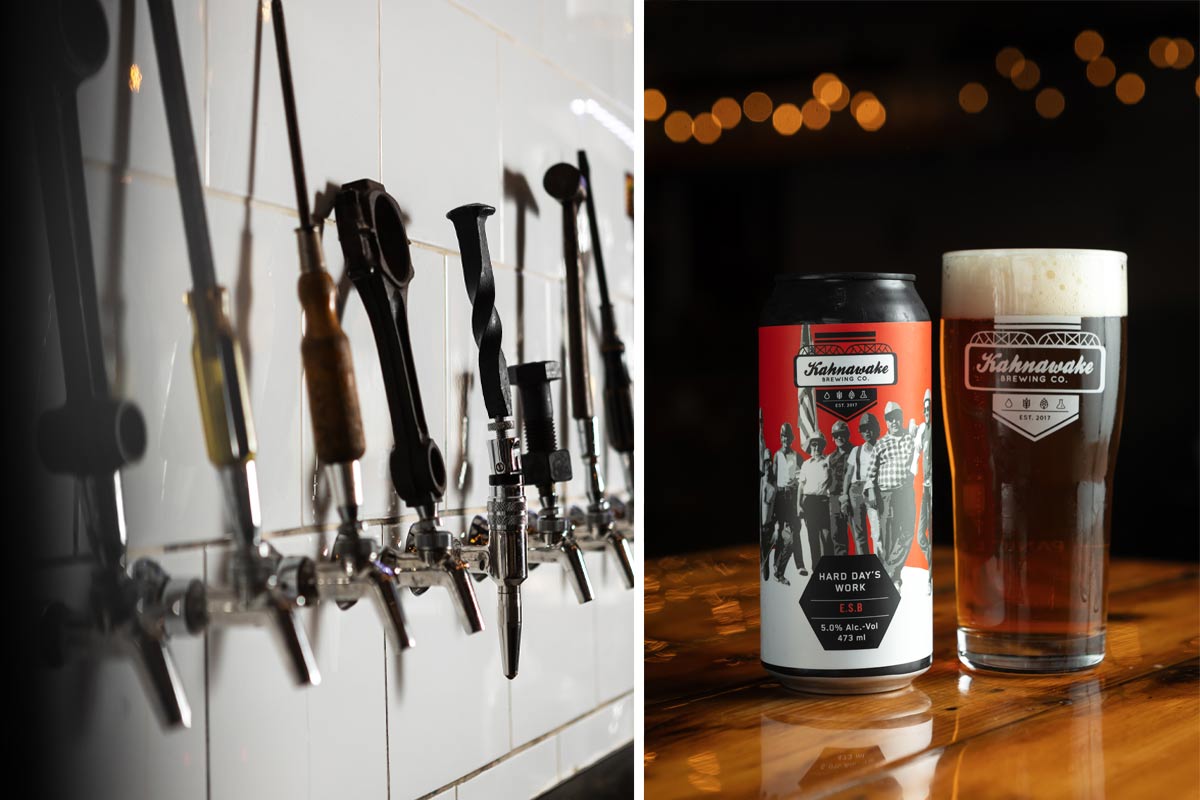
Quebec’s Kahnawake Brewing Company holds the distinction of being the first openly Indigenous-owned craft brewery located on Indigenous land. Co-owner Fred Leblanc, a former ironworker, integrated local history into the brand’s identity. The "Black Bridge" in the brewery’s name refers to the Saint-Laurent Railway Bridge, a structure built in 1900 by Mohawk ironworkers and French laborers. By winning multiple medals at the Canada Beer Cup in 2024 and 2025, Kahnawake Brewing has demonstrated that Indigenous-owned businesses can achieve elite status in the competitive beverage market while maintaining deep community roots.
Red Tape Brewery and Inuit Representation
In Toronto, Sarabeth Holden, an Inuit author and co-owner of Red Tape Brewery, navigates the industry from a unique perspective. Holden specializes in bespoke beers and often incorporates ingredients significant to the Inuit experience, such as orange pekoe tea—a staple in northern hunting and fishing trips—and dwarf fireweed (Paunnat). While Holden reports facing occasional skepticism from industry tradespeople who do not associate her with the "traditional" look of a brewer, she maintains strong support from her community, including family members who abstain from alcohol but view her entrepreneurship as a point of pride.

Economic Infrastructure and the Path to Inclusion
The success of these enterprises is increasingly supported by Indigenous-oriented financial and marketing infrastructure. The Manitoba Métis Federation and Farm Credit Canada have been cited by brewers like Matthew Sabourin of Nonsuch Brewing and Jason Tremblay of Two Loons Brewing as vital resources for navigating the capital-intensive nature of the brewing industry.
Darnell Stager of Indigenous Tourism BC frames this movement as a matter of self-determination. Stager points out that the "Indian status" cards issued by the government historically labeled Indigenous individuals as "wards of the state," a designation that limited their economic agency. He argues that the ability to work in any industry, including alcohol production, is a fundamental component of Indigenous sovereignty.
Defining "Indigenous Beer" Through Ethics and Ingredients
The industry is currently grappling with what constitutes an "Indigenous beer." For many in the sector, it is not merely about the heritage of the owner, but the ethics of the production process. Key indicators identified by industry leaders include:
- Ethical Land Use: Prioritizing sustainable farming and respecting the traditional territories upon which the brewery operates.
- Cultural Symbolism: Using ingredients like spruce tips, alfalfa, and fireweed that have historical and medicinal significance.
- Community Engagement: Initiatives like Nonsuch Brewing’s "Beer Bannock" experience, where patrons learn about Métis history and the legacy of Louis Riel while engaging in traditional food preparation.
- Supply Chain Visibility: Increasing the presence of Indigenous people in malt houses, hop farms, and distribution networks.
Nadine Jopson, a Cree Nation member and founder of Heartberry Soda, previously developed the Askî Oci saison for Another Beer Co. The product featured a label that explicitly addressed the Indian Act, stating that healing the community’s relationship with alcohol must begin with Indigenous people themselves. This "healing through participation" philosophy suggests that the path forward involves transforming alcohol from a tool of oppression into a medium for storytelling and economic independence.

Industry Implications and the Future of Reconciliation
The Canadian craft beer industry is at a crossroads. As the market matures, the demand for diversity and authentic storytelling has increased. However, for non-Indigenous brewery owners, the path to inclusion requires more than symbolic gestures. Inez Cook, a member of the Nuxalk Nation and co-founder of Salmon n’ Bannock, emphasizes that reconciliation must be rooted in direct, personal relationships. She suggests that breweries should proactively reach out to local tribal nations not as corporations, but as neighbors.
The insights provided by Professor Sinclair suggest that while alcohol remains a "violent intrusion" for many, the natural elements of beer—water, grain, and hops—can be reclaimed through a responsible relationship. This perspective shifts the focus from consumption to sovereignty, emphasizing that Indigenous people must have the right to make their own decisions regarding their participation in the industry.
Ultimately, the evolution of Indigenous brewing in Canada is a microcosm of the broader national struggle with reconciliation. By breaking the silence surrounding the historical trauma of the Indian Act and fostering an environment where Indigenous entrepreneurs can thrive, the craft beer community may find a sustainable path forward. The values of land respect, community priority, and transparent dialogue are increasingly viewed not just as ethical choices, but as the necessary components for the industry’s long-term survival and relevance in a post-colonial Canada.