admin
admin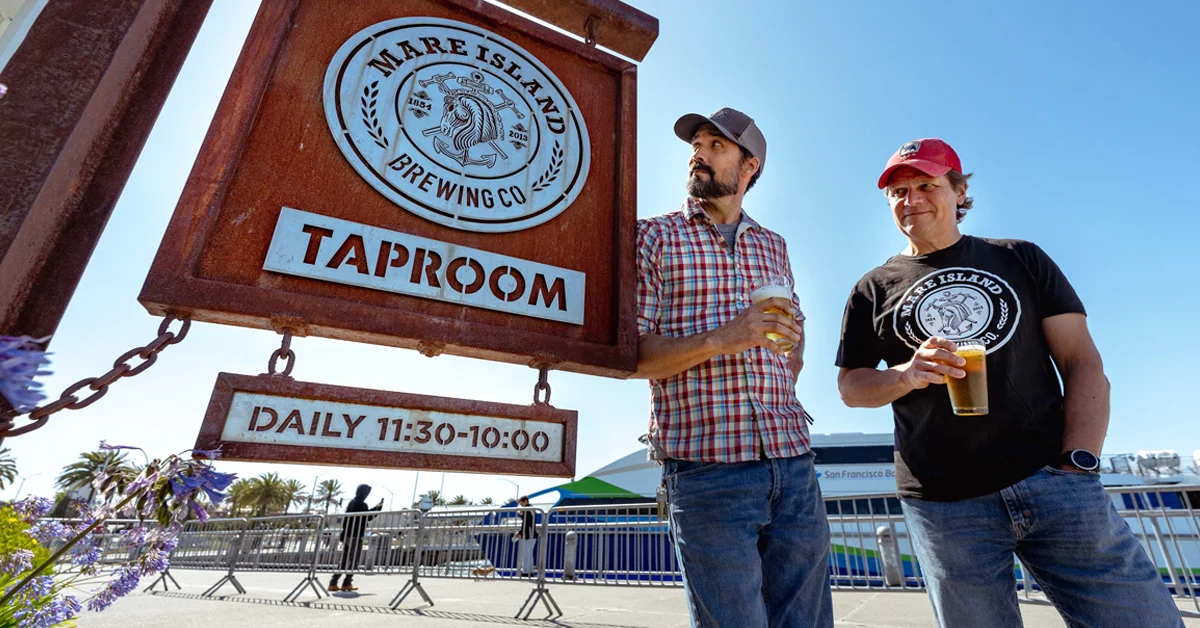
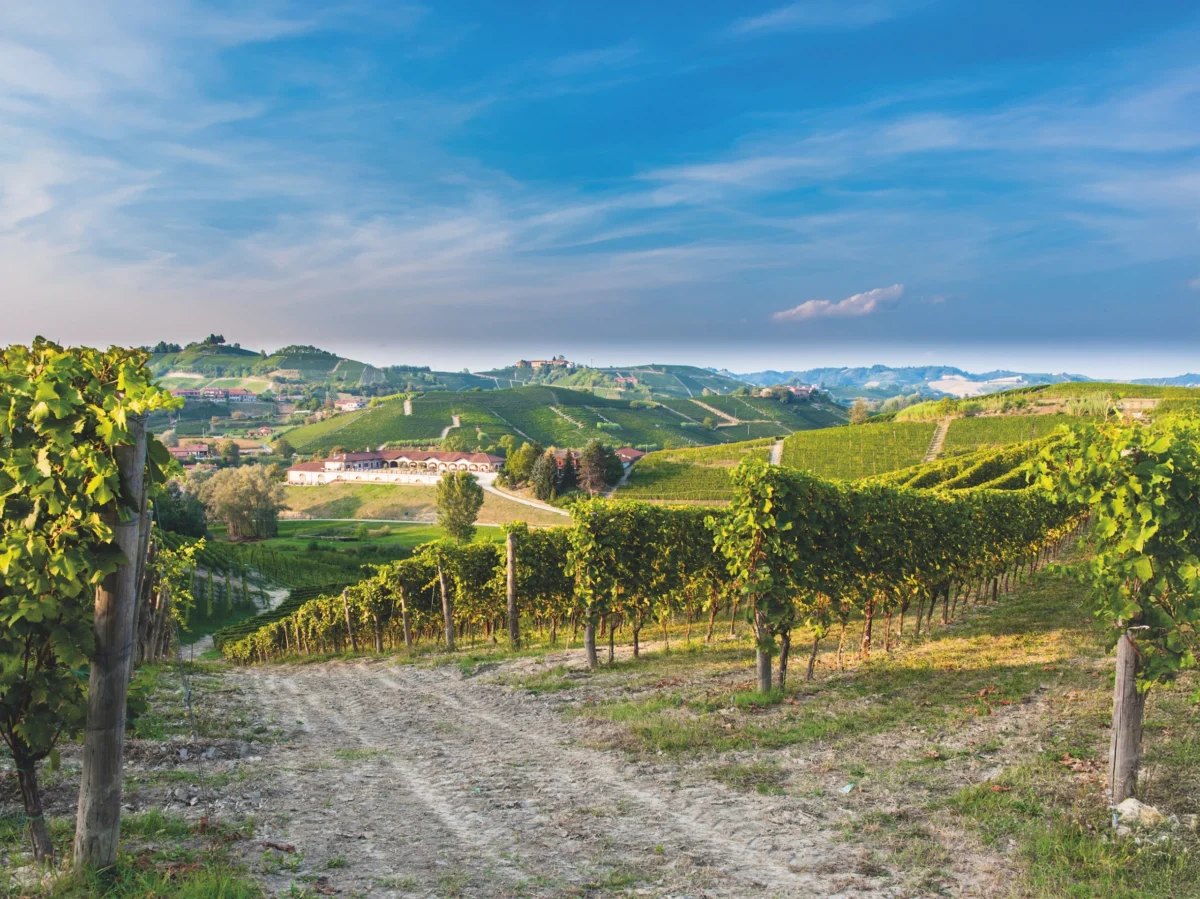
In the sun-drenched valleys of California, where the rows of grapevines meet the stainless steel of modern brewhouses, a unique professional synergy has emerged among the state’s elite beverage producers. For decades, an informal adage has circulated through the cellars of Napa, Sonoma, and Paso Robles: "It takes a lot of beer to make good wine." While often dismissed as a lighthearted remark among exhausted cellar hands during the frantic "crush" season, the statement underscores a profound technical and cultural intersection between the worlds of viticulture and brewing. Today, this intersection is no longer merely anecdotal; it is represented by a growing cohort of artisans who have mastered both crafts, leveraging the precision of brewing and the artistry of winemaking to redefine California’s liquid landscape.
The Palate Cleansing Phenomenon and the "Post-Crush" Culture
The transition from the wine cellar to the taproom is often driven by a physiological necessity known as palate fatigue. Winemakers spend their days evaluating samples that are high in acidity, tannins, and alcohol. Over hours of sensory analysis, the tongue’s receptors become saturated, making it difficult to discern the subtle nuances of a vintage.
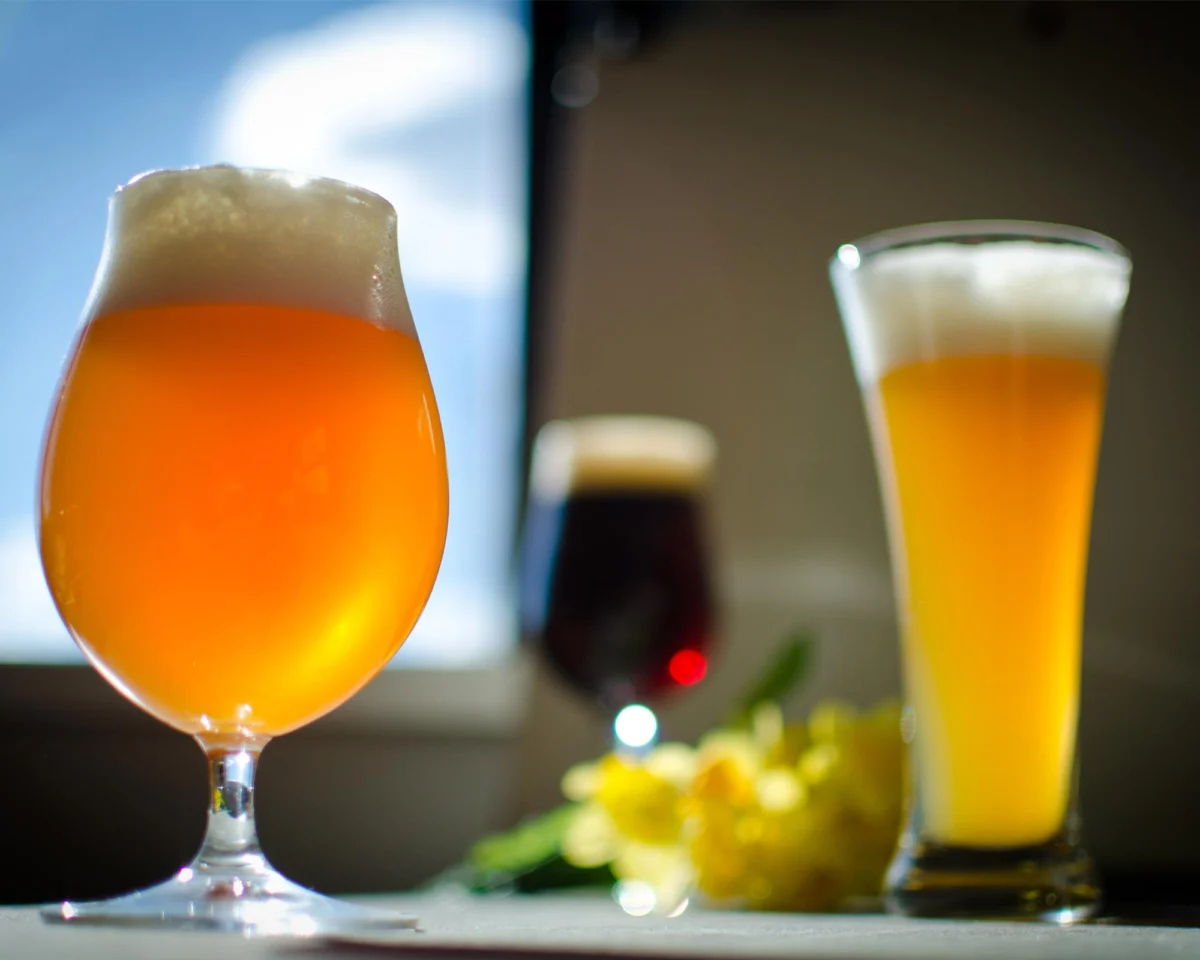
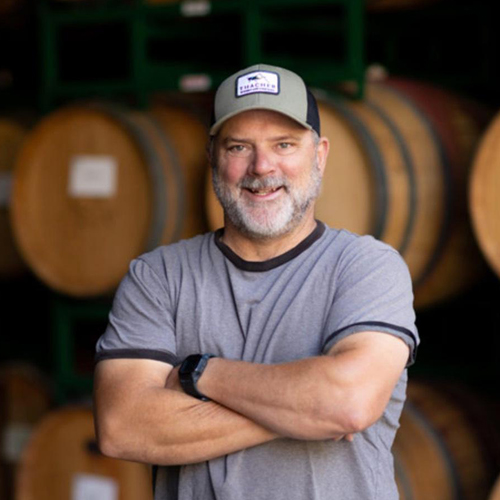
Sherman Thacher, the founder and winemaker of Thacher Winery in Paso Robles, notes that beer serves as the ultimate functional contrast to wine. According to Thacher, beer is a "perfectly refreshing palate cleanser" because it is typically served cold, contains carbonation that physically scrubs the tongue, and possesses a lower acid profile than wine. Thacher’s perspective is informed by a dual career; before establishing his reputation in the Paso Robles wine scene, he spent fourteen years as a brewmaster at the Los Gatos Brewing Company, primarily producing traditional German-style lagers and ales from 1992 to 2006.
This trend is not isolated to individuals but is a hallmark of the California beverage industry. As the United States’ largest producer of both wine and craft beer, California provides a unique ecosystem where the two industries share labor, technology, and educational resources. The state’s economic data supports this crossover: the wine industry contributes over $57 billion annually to the state economy, while the craft brewing sector adds approximately $9 billion. The overlap in these sectors has created a specialized class of "fermentation experts" who view grapes and grains not as competing interests, but as different expressions of the same biological processes.
A Chronology of Crossover: From Naval History to Modern Brewing
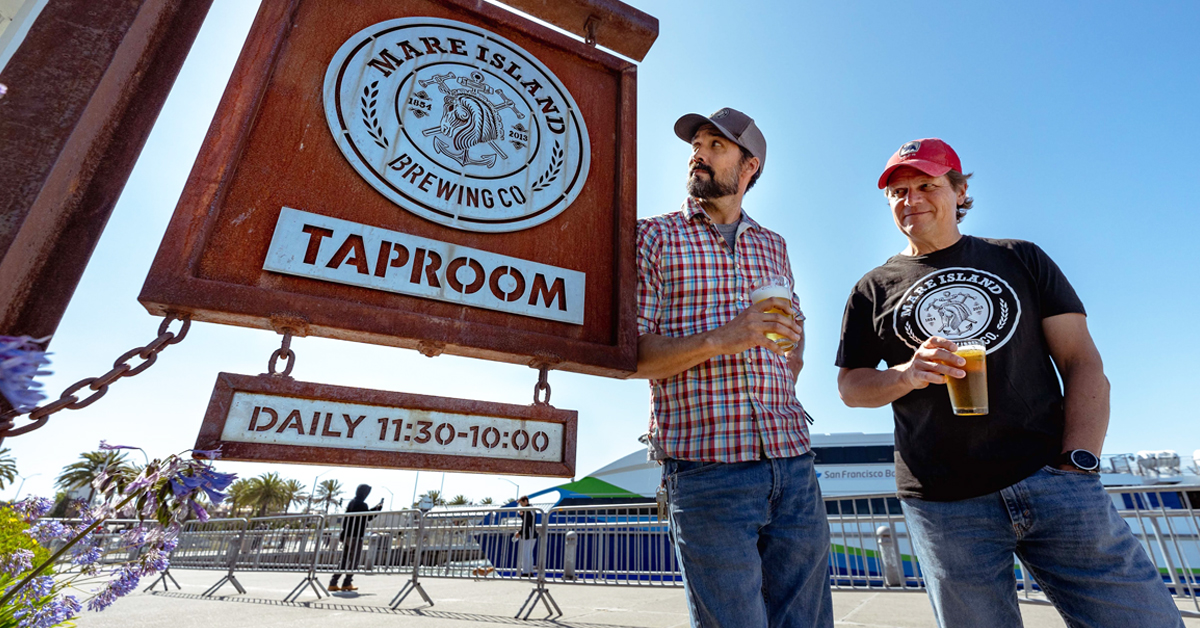
The professional journey of Kent Fortner and Ryan Gibbons, co-founders of Mare Island Brewing Co., illustrates the natural evolution from winemaking to brewing. The pair met on a Napa Valley crush pad, the epicenter of wine production, where they were both training as winemakers. Their shared background in enology (the study of wine) laid the groundwork for their transition into the beer market.
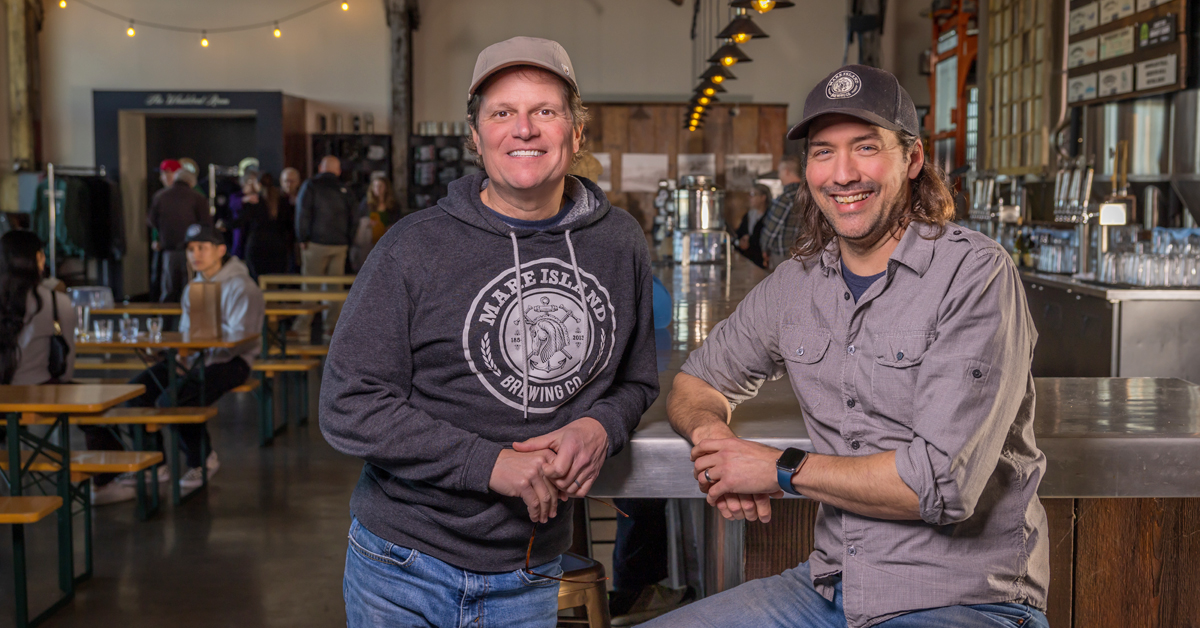
In 2013, they brewed their inaugural beer, Saginaw Golden Ale. The naming of the beer and the brewery itself reflects a deep integration with local history. Mare Island, established in 1854 as the first U.S. naval shipyard on the West Coast, served as the inspiration. The shipyard was a hub of American industrial might until its decommissioning in 1996. By naming their first ale after the first ship built on the island, Fortner and Gibbons positioned their brewery as a steward of regional heritage.
The expansion of Mare Island Brewing Co. followed a strategic timeline:
- 2013: Founding and first brew of Saginaw Golden Ale.
- 2014: Opening of the Ferry Taproom on the Vallejo waterfront.
- Post-2014: Expansion to the Coal Shed Brewery on the Mare Island waterfront and the First Street Taproom in downtown Benicia.
Despite the success of the brewery, the "call of the vine" remains. Fortner continues to operate Road 31 Wine Co., a venture he started over two decades ago. His focus remains on a singular Napa Valley (Carneros) Pinot Noir, sold primarily through a dedicated mailing list. This dual-track career is common among California’s elite producers, who often find that the seasonal nature of winemaking complements the year-round production cycle of brewing.
The Influence of Enology on Brewing Standards
While the raw materials—grapes versus malted barley and hops—are vastly different, the underlying science of fermentation remains constant. Winemakers who transition into brewing often bring a rigorous, science-based approach to the brewhouse. This is particularly evident in the career of Remy Martin, co-founder of Fogbelt Brewing in Sonoma County.
Martin’s lineage is steeped in winemaking; his father, the late Dennis Martin, spent 30 years as the winemaker for Fetzer Vineyards. However, Martin’s path took him toward the "Master Brewers Program" at the University of California, Davis. UC Davis is globally renowned for its viticulture and enology department, and the fact that it also houses a premier brewing program highlights the academic link between the two fields.
The technical carryover from wine to beer includes:
- Microbiological Control: Both industries require an obsessive focus on sanitation to prevent spoilage by wild yeast or bacteria.
- pH Management: Managing the acidity of the "must" (wine) or "wort" (beer) is critical for yeast health and flavor stability.
- Anaerobic Practices: Preventing unwanted oxidation is a shared priority. Techniques used in wine to "top off" barrels to eliminate headspace are often mirrored in the production of barrel-aged beers.
Sherman Thacher emphasizes that while wine is arguably more resilient due to its higher alcohol content and lower pH, the disciplined habits of a brewer—where consistency is king—are invaluable when applied to the cellar. Conversely, the "winemaker’s lens" often influences the marketing and branding of beer. Ryan Gibbons of Mare Island notes that they purposefully avoid the "cheeky or crass" labels common in the craft beer market, opting instead for a brand aesthetic that mirrors the elegance and classicism of the wine world.
Consistency Versus Complexity: The Divergent Philosophies of Production
Despite the technical overlaps, the philosophical approach to wine and beer production often diverges. This is most apparent in the concept of "vintage variation." In the wine world, the weather patterns of a specific year are celebrated. A "good vintage" is one where the climate allowed the grapes to express unique characteristics, and consumers expect each year’s bottling to be slightly different.
In contrast, the craft beer industry is built on the pillar of consistency. A flagship IPA or pilsner is expected to taste identical whether it was brewed in January or July. Remy Martin of Fogbelt Brewing points out that this creates a different kind of pressure for brewers. "Beer is celebrated when it is made the same consistently," Martin notes. This requires a level of process control that can be more demanding than winemaking, where the fruit itself does much of the heavy lifting.
Furthermore, the production cycles differ significantly:
- Seasonality: Winemaking is a burst of intense activity during the autumn harvest, followed by months of aging.
- Continuous Production: Brewing is a year-round endeavor. As Martin observes, there is no "slow time" for brewers, as fermentation tanks must be constantly cycled to meet market demand.
Economic Synergy and the Future of California’s Fermentation Sector
The crossover between these two industries has significant implications for California’s tourism and retail sectors. Regions like Sonoma and Paso Robles have transformed into "fermentation destinations" where visitors can experience high-end wine tastings and craft beer flights within the same square mile. This synergy has led to a rise in dual-licensed facilities and collaborative taprooms.
Mare Island Brewing Co. exemplifies this by pouring Fortner’s Road 31 wines alongside their beers and partnering with Fifth Hill wines in Sonoma. This "one-stop" approach appeals to a broader demographic and mitigates the seasonal fluctuations of wine tourism.
Moreover, the shifting preferences of modern consumers are playing a role. Ryan Gibbons highlights a growing trend toward "sessionable" beverages—drinks with lower alcohol by volume (ABV) that allow for social consumption without excessive intoxication. While wine typically sits between 12% and 15% ABV, many craft beers offer a more moderate 4% to 6% range. This makes beer an attractive option for professionals who want to enjoy a drink at the end of a long day of tasting high-alcohol wines.
Conclusion: A Shared Future
As the craft beverage market continues to mature, the lines between the winemaker and the brewer will likely continue to blur. The shared expertise in fermentation, coupled with a mutual respect for local ingredients and history, has created a robust sub-culture within California’s agricultural economy.
Whether it is Sherman Thacher utilizing his brewmaster’s precision to craft nuanced cuvées in Paso Robles, or the Mare Island team applying wine-world elegance to the Vallejo waterfront, the result is a more sophisticated and diverse beverage landscape. The adage that "it takes a lot of beer to make good wine" has evolved from a cellar-floor joke into a business model that celebrates the best of both worlds. In the Golden State, the flow of beer and wine remains inextricably linked, driven by a common goal: the mastery of fermentation and the pursuit of the perfect pour.