admin
admin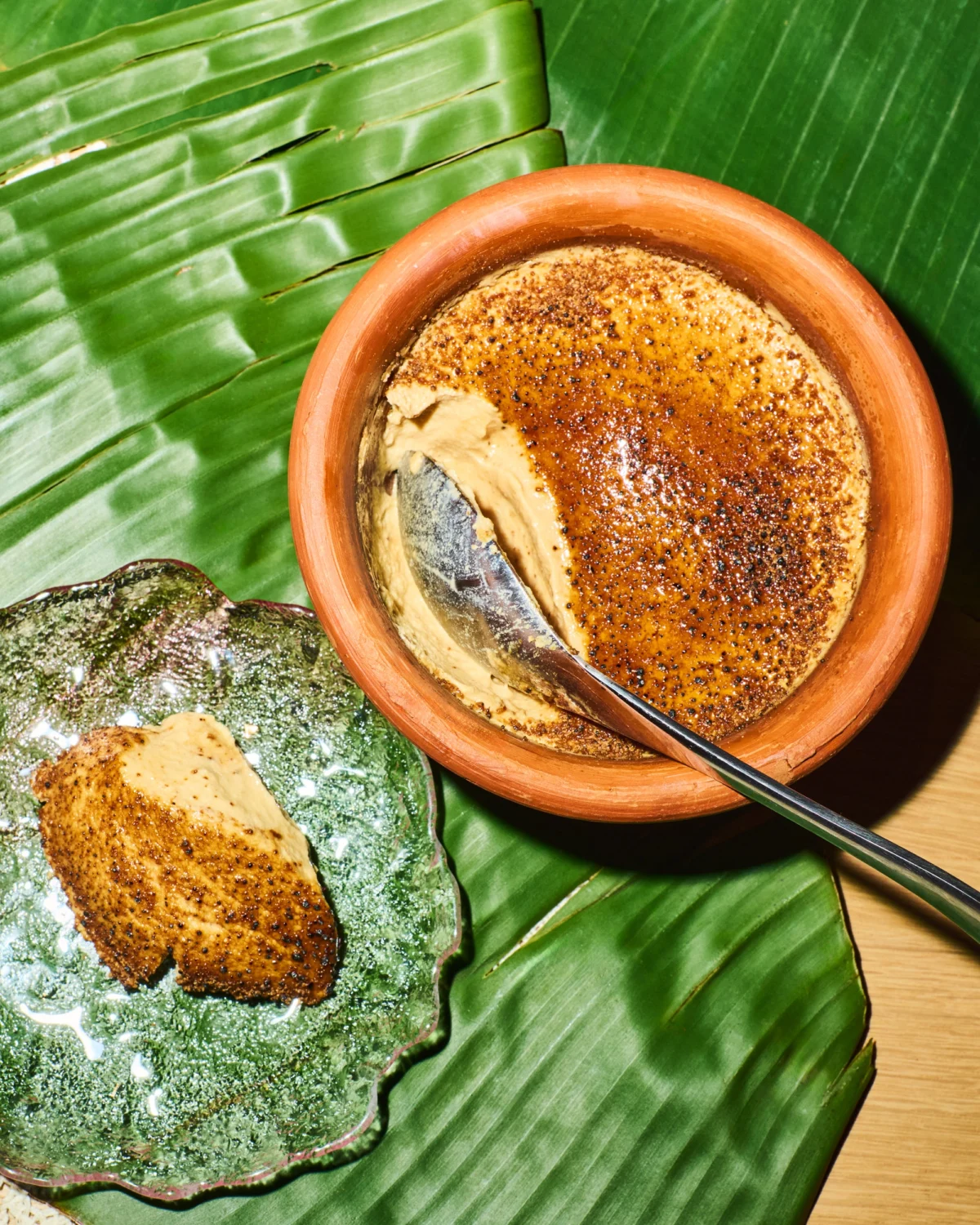
In the heart of Bengali culinary heritage, Mishti Doi stands as an indispensable emblem of joy and festivity. This beloved dessert, characterized by its unique tangy, creamy texture and often crowned with a delightful torched jaggery topping, is more than just a sweet treat; it is a cultural cornerstone deeply intertwined with the fabric of Bengali celebrations. The preparation of Mishti Doi is a testament to patience and tradition, involving a slow fermentation process that can extend for up to 48 hours, culminating in a dessert that is both comforting and sophisticated.
The intrinsic essence of Mishti Doi lies in its deceptively simple yet meticulous creation. The process begins with the careful boiling of milk until it reaches a significantly thickened state. This concentrated milk is then introduced to a starter culture and left to ferment in traditional terracotta clay pots. The porous nature of these pots aids in the gradual evaporation of whey, contributing to the dessert’s signature dense and creamy consistency. While modern kitchens might opt for simpler methods, the authentic preparation emphasizes the slow, natural setting process, allowing the beneficial bacteria to work their magic over extended periods. The characteristic tang of Mishti Doi is a direct result of this lacto-fermentation, a process that transforms simple milk into a complex and delightful dessert.
Sweetening is traditionally achieved using jaggery, an unrefined palm sugar that imparts a distinct earthy sweetness and a subtle caramel undertone. This contrasts beautifully with the inherent tang of the yogurt, creating a flavor profile that is both balanced and deeply satisfying. While jaggery is the preferred choice, modern adaptations sometimes incorporate coconut sugar or even refined sugar, though purists argue that these alternatives do not fully capture the nuanced flavor profile of traditional jaggery. The recipe itself, while seemingly straightforward, demands a keen understanding of milk reduction and fermentation temperatures, underscoring the skill and intuition honed by generations of Bengali home cooks and professional chefs alike.
The journey of Mishti Doi from a simple dairy product to a celebrated dessert is deeply rooted in the agricultural and social landscape of Bengal. Historically, milk has been a readily available and vital resource, and the art of preserving and enhancing it through fermentation and sweetening was a natural progression. The terracotta pots, often crafted by local artisans, are not merely vessels but integral components of the preparation, facilitating the precise environmental conditions required for fermentation. This connection to local crafts and resources further solidifies Mishti Doi’s place as a dish that embodies regional identity and tradition.
The timeline for achieving the perfect Mishti Doi is a significant aspect of its allure. The extended incubation period, ranging from 36 to 48 hours, is not a sign of inefficiency but a deliberate choice that allows for the development of its characteristic texture and flavor. During this time, the yogurt undergoes a slow transformation, becoming firmer and developing a smooth, custard-like consistency. A gentle "jiggle test" is often employed to gauge its readiness, a subtle yet crucial indicator of successful fermentation. Even if the yogurt is not entirely set, it can be refrigerated to firm up further, though it might retain a slightly runnier consistency. This flexibility in the final setting allows for a range of textures, all while retaining the beloved tangy, fermented flavor.
The finishing touch, the torched jaggery topping, adds an element of dramatic flair and a contrasting textural and flavor dimension. When jaggery is torched, it caramelizes, creating a brittle, slightly bitter-sweet crust that shatters with a satisfying crack upon being scooped. While this caramelized layer does not possess the same crystalline structure as the burnt sugar in a classic crème brûlée, it offers a unique toasty note that beautifully complements the creamy sweetness of the Mishti Doi beneath. This element of the dessert highlights the ingenuity of Bengali cooks in adapting techniques to achieve delightful flavor combinations.
The availability of key ingredients, particularly jaggery, has expanded globally, making this traditional dessert accessible to a wider audience. South Asian grocery stores and online retailers now stock various types of jaggery, allowing culinary enthusiasts worldwide to recreate this authentic Bengali delicacy. The recipe’s instruction to preheat the oven to a low 200°F and then switch it off, utilizing only the oven light, is a clever technique to maintain a consistent, warm environment essential for the slow fermentation process, mimicking the traditional ambient temperatures. This detail underscores the adaptability of traditional recipes to modern kitchen appliances.
The culinary process itself is a dance of precise temperatures and patient observation. The initial step of boiling jaggery with water to create a syrup that reaches 235°F is crucial for achieving the correct sweetness and setting properties. The subsequent addition of evaporated and whole milk, along with aromatic spices like cardamom and cinnamon, transforms this base into a rich, reduced mixture. The reduction by half, taking approximately 35-38 minutes, concentrates the milk solids, contributing to the final dessert’s density. The cooling of this mixture to between 110°F and 115°F is critical before incorporating the yogurt starter, ensuring the active cultures are not killed by excessive heat.
The amalgamation of the yogurt starter with the cooled milk mixture requires thorough whisking to ensure homogeneity, preventing lumps and promoting an even fermentation. Pouring this mixture into terracotta dishes or individual ramekins is a visual prelude to the transformation that will occur over the next two days. The tight wrapping with foil and placement on a baking sheet within the gently warmed oven are essential for maintaining the ideal incubation environment, shielding the delicate mixture from drafts and fluctuations in temperature.
The final step, the bruléeing of the jaggery topping, is an act of culinary artistry. The even sprinkling of jaggery and the careful application of a kitchen torch create a caramelized layer that, while not crackling like its French counterpart, provides a distinct depth of flavor. This textural contrast, the crisp topping giving way to the velvety smooth yogurt, is a hallmark of a well-executed Mishti Doi. The acknowledgment that it won’t crackle like a classic crème brûlée is an honest and informative note, highlighting the unique characteristics of this Bengali adaptation.
Supporting Data and Cultural Significance
Mishti Doi is not merely a dessert; it is an integral part of Bengali social customs. It is invariably present at weddings, religious festivals like Durga Puja and Pohela Boishakh (Bengali New Year), birthdays, and even simple family gatherings. The act of sharing Mishti Doi signifies prosperity, auspiciousness, and the sweetness of relationships. In many households, the preparation of Mishti Doi is a multi-generational activity, with elders passing down their knowledge and techniques to younger family members, ensuring the continuity of this culinary tradition.
Studies on fermented dairy products consistently highlight their health benefits, including improved digestibility and the presence of probiotics. While Mishti Doi is primarily enjoyed for its taste, its fermented nature might offer subtle nutritional advantages. The use of jaggery, as opposed to refined sugar, also means a slightly higher mineral content, including iron and magnesium, though it is still a dessert and should be consumed in moderation.
The terracotta pots used in the preparation of Mishti Doi have their own cultural narrative. These pots are often handcrafted by local potters, supporting traditional artisanal skills and local economies. The porous nature of terracotta allows for a slow and steady evaporation of moisture, which is crucial for achieving the dense, creamy texture of Mishti Doi. This ecological aspect of the preparation, relying on locally sourced, natural materials, further enhances its traditional appeal.
Timeline of Preparation and Enjoyment
The creation of Mishti Doi is a deliberate and time-intensive process, reflecting a culinary philosophy that values patience and quality over speed.
- Day 1 (Preparation):
- Morning: Milk is boiled and reduced to thicken. Jaggery syrup is prepared. Spices are added to the milk mixture.
- Afternoon: The milk mixture is cooled to the optimal temperature for inoculation.
- Evening: Yogurt starter is mixed with the milk mixture, and the combination is poured into terracotta pots. The pots are wrapped and placed in the pre-warmed, then switched-off oven with the light on.
- Day 1 to Day 3 (Incubation): The Mishti Doi ferments in the controlled environment of the oven for 36 to 48 hours. Occasional visual checks might be made.
- Day 3 (Chilling): Once the desired set is achieved, the Mishti Doi is transferred to the refrigerator for at least 2 hours to chill and firm up further.
- Day 3 onwards (Serving): The chilled Mishti Doi is ready to be served. The jaggery topping is torched just before serving to ensure a crisp texture. Mishti Doi can be stored in the refrigerator for up to 4 days.
Broader Impact and Implications
The enduring popularity of Mishti Doi speaks to the power of traditional culinary practices to transcend generations and geographical boundaries. As global interest in diverse cuisines grows, dishes like Mishti Doi offer a delicious entry point into the rich tapestry of Bengali culture. The detailed recipe provided not only empowers home cooks to recreate this dessert but also serves as a valuable educational resource, preserving and disseminating a cherished culinary heritage.
The success of Mishti Doi also highlights the broader trend of appreciating slow food and traditional preparation methods. In an era often dominated by instant gratification, the dedication required to make authentic Mishti Doi resonates with a growing movement that values artisanal quality, natural ingredients, and time-honored techniques. This appreciation extends beyond mere taste, encompassing the cultural narrative and the human effort embedded in the dish.
Furthermore, the global availability of ingredients like jaggery and the increasing accessibility of international recipes online mean that cultural dishes are no longer confined to their regions of origin. Mishti Doi, once a specialty of Bengal, is now enjoyed in homes and restaurants across the world, fostering cultural exchange and appreciation. This global reach also presents opportunities for culinary tourism and the promotion of regional specialties on an international stage. The meticulous process, from milk reduction to slow fermentation and the final torched topping, exemplifies a culinary philosophy that prioritizes depth of flavor and textural complexity, a philosophy that continues to gain traction in the global food landscape. The act of making and sharing Mishti Doi is, in essence, an act of cultural preservation and celebration.