admin
admin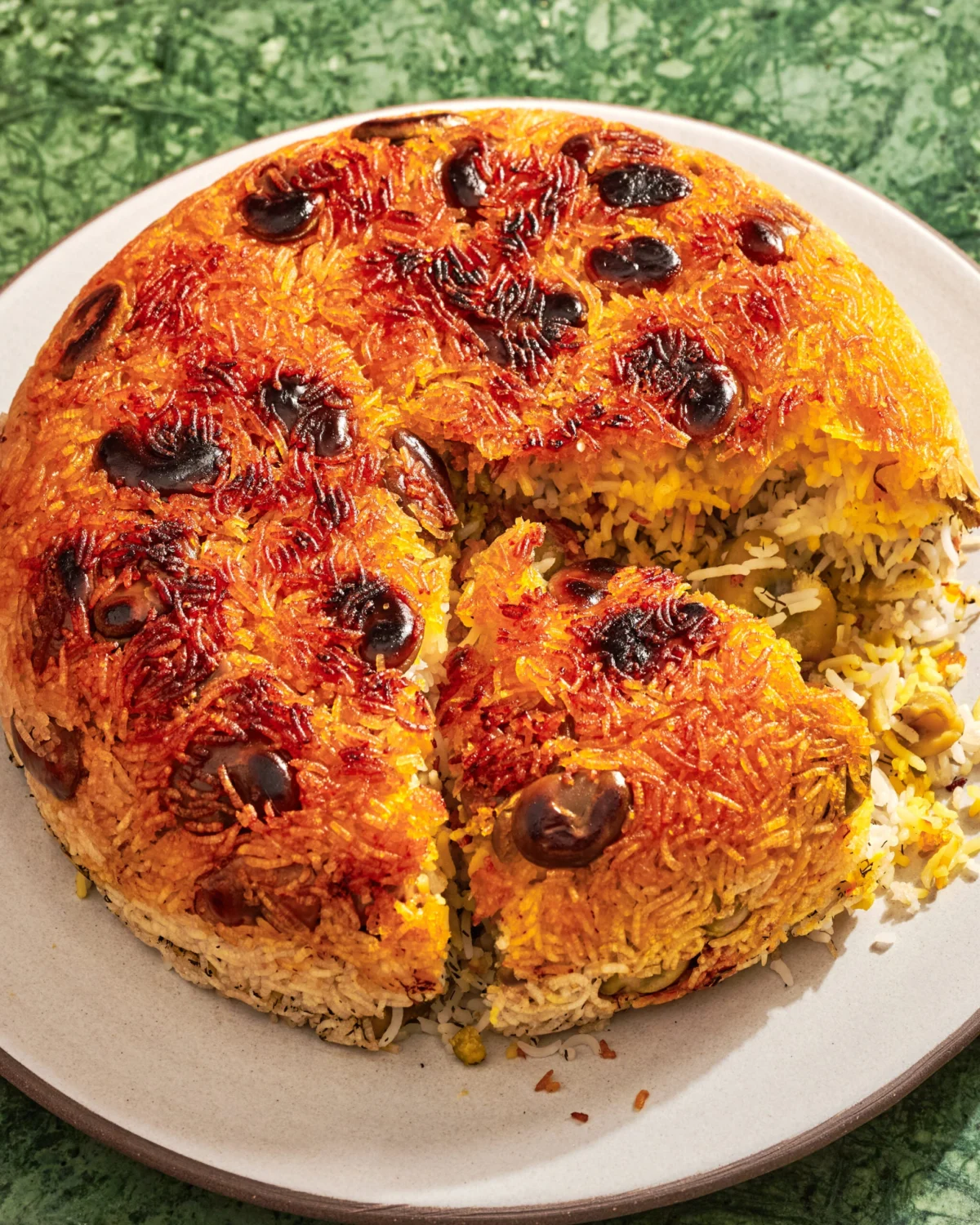
A crispy, golden tahdig makes this beloved Iranian dish a showstopper for Nowruz and beyond, symbolizing prosperity and renewal as spring arrives. This quintessential Persian rice dish, known as Baghali Polo, transcends its culinary status to become a cultural emblem, particularly during the celebrations of Nowruz, the Persian New Year. The intricate preparation and the resulting textural and aromatic masterpiece highlight the significance of this meal in Iranian tradition, marking the transition from winter’s dormancy to spring’s vibrant awakening.
The foundation of Baghali Polo lies in the meticulous preparation of basmati rice, which is first soaked and then par-cooked to achieve a delicate tenderness. This fluffy rice is then artfully combined with tender, buttery fava beans and the fresh, grassy notes of dill. The magic truly unfolds during the steaming process, where a coveted layer of tahdig forms at the bottom of the pot. Tahdig, translating to "bottom of the pot" in Farsi, is a testament to the chef’s skill, resulting in a crispy, golden crust that is highly prized. The addition of brewed saffron water, splashed between the rice layers, infuses the dish with its characteristic golden hue, exquisite aroma, and a subtle, complex flavor profile.
Traditionally, Baghali Polo is a centerpiece dish, often served alongside succulent braised lamb or a whole roasted fish. This pairing is not merely for culinary delight but carries deep symbolic meaning for Nowruz. The lamb, a symbol of fertility and abundance, and the fish, representing life and renewal, complement the rice dish in a feast designed to welcome the new year with blessings of prosperity and good fortune. The celebration of Nowruz itself dates back millennia, with roots in Zoroastrianism, the ancient Persian religion. It is a time when families gather, homes are cleansed, and new beginnings are embraced. The astronomical event of the vernal equinox, marking the first day of spring, is the precise moment of the New Year’s arrival, often falling on March 20th or 21st. The ancient Persians believed that this transition held immense power, and rituals and feasts were developed to honor this celestial shift and invoke blessings for the year ahead. Baghali Polo, with its elements of earth (rice, beans) and sun (saffron), embodies this connection to nature and the cyclical rhythm of life.
The cultural significance of Baghali Polo extends beyond the Nowruz period. It is a dish frequently prepared for special occasions, family gatherings, and when hosting esteemed guests, signifying hospitality and generosity. Its presence on the table is a clear indicator of a celebration or a moment of familial warmth and connection. The meticulous layering and the pursuit of the perfect tahdig are often passed down through generations, with each family perhaps having its own subtle variations or secrets to achieving that coveted crispiness.
For those unable to procure fresh fava beans, lima beans emerge as a readily available and suitable substitute, offering a similar texture and a complementary flavor profile. The recipe’s success hinges significantly on the equipment used; a pot with a tight-fitting lid is crucial for ensuring the even steaming of the rice and the formation of a uniform tahdig. This attention to detail in the cooking process mirrors the broader Iranian culinary philosophy, which emphasizes patience, precision, and the use of high-quality ingredients to create dishes that are both nourishing and deeply satisfying.
The Culinary Art of Baghali Polo: A Step-by-Step Journey
The creation of Baghali Polo is a process that rewards patience and careful execution. It begins with the rice, the canvas upon which this culinary masterpiece is painted.
Step 1: The Rice Foundation
The journey commences with the rice. In a medium bowl, the basmati rice is thoroughly washed. This is achieved by rinsing and draining the grains multiple times until the water runs clear, a crucial step that removes excess starch and ensures the fluffiness of the cooked rice. Following this, the rice is submerged in water and allowed to soak for approximately two hours. This soaking period is vital; it rehydrates the grains, allowing them to absorb moisture evenly during cooking and preventing them from breaking apart. After soaking, the water is drained, preparing the rice for the next stage.
Step 2: Par-Cooking and Infusion
A large pot is filled with generously salted water and brought to a rolling boil. The drained rice is then added to this boiling water and cooked for a mere five minutes, or until it reaches a state of being just tender, or "al dente." This par-cooking step is critical for achieving the perfect texture; the rice will continue to cook during the steaming process. Once par-cooked, the rice is carefully drained. It is then transferred to a large bowl where it is gently mixed with the prepared fava beans and freshly chopped dill. This combination introduces the signature flavors and textures of the dish, with the vibrant dill and the tender beans permeating the fluffy rice.
Step 3: The Golden Elixir of Saffron
Saffron, the most prized spice in Persian cuisine, plays a pivotal role in Baghali Polo. In a small, heatproof bowl, a pinch of saffron threads is combined with about a quarter cup of boiling water. This mixture is allowed to steep, releasing its intoxicating aroma and vibrant golden color. This saffron-infused water will be strategically drizzled between the layers of rice, imbuing the dish with its characteristic hue and a complex, floral fragrance that is unmistakably Persian. The quality of the saffron used significantly impacts the final flavor and appearance of the dish, with high-grade saffron yielding a richer color and a more profound aroma.
Step 4: Building the Layers of Flavor and Texture
The assembly of the Baghali Polo takes place in a medium-sized nonstick pot, heated over medium-high heat. A generous amount of oil is added to coat the bottom of the pot. A portion of the rice mixture, sufficient to form a complete layer across the bottom, is then added. This initial layer is crucial for the development of the tahdig. Approximately one tablespoon of the prepared saffron water is drizzled over this rice layer, and it is gently mixed to ensure even distribution. The rice mixture is then pressed down firmly to create a compact, even layer. This process of layering the rice and drizzling with saffron water is repeated until all the rice and saffron water have been used, creating distinct strata of flavor and color within the pot. Each layer is built with care, ensuring that the saffron water is distributed throughout, enhancing the visual appeal and taste of the final product.
Step 5: The Art of Steaming and Tahdig Formation
With the rice carefully layered, the next step focuses on creating the iconic tahdig. Using the handle of a wooden spoon, several holes are poked throughout the rice mixture, reaching down to the bottom of the pot. These perforations allow steam to circulate evenly, promoting consistent cooking. Cubes of butter are then nestled into these holes. The butter will melt and contribute to the richness and crispiness of the tahdig. A kitchen towel is then wrapped around the lid of the pot, and the lid is secured tightly. This technique helps to create a tight seal, trapping the steam inside and ensuring that the rice cooks evenly without drying out. The pot is then placed over medium-high heat for approximately ten minutes, during which the edges of the rice begin to brown, signaling the formation of the tahdig. Subsequently, the heat is reduced to low, and the rice is allowed to steam for an additional 50 minutes, or until it is completely cooked through.
Upon completion of the steaming process, the pot is removed from the heat. The bottom of the pot is then briefly run under cold water. This rapid cooling helps to loosen the tahdig from the pot’s base. A large plate is then placed on top of the pot, and with a swift and careful motion, the pot is inverted, allowing the entire cake of rice, with the golden tahdig exposed, to slide onto the plate. In the rare instance that the tahdig does not release perfectly, the rice can be scooped out onto the plate, and the tahdig can be removed from the bottom of the pot and served alongside or on top of the rice. The visual reveal of the perfectly golden tahdig is a moment of triumph for any cook, symbolizing the culmination of effort and skill.
Cultural Significance and Symbolism
The preparation and consumption of Baghali Polo during Nowruz are imbued with profound cultural and symbolic meaning. Nowruz, meaning "new day," marks the first day of spring and the vernal equinox, a time of rebirth, renewal, and the triumph of light over darkness. The celebration itself is ancient, with roots stretching back over 3,000 years to the traditions of the Persian Empire. It is a time when families engage in the ritual of "khaneh tekani" (house shaking), thoroughly cleaning their homes to welcome the new year with a fresh start. The Haft-Seen table, a meticulously arranged spread of seven symbolic items, each starting with the Persian letter "seen" (س), is central to the celebration. These items represent different aspects of life and nature, such as rebirth, health, wealth, and fertility.
Baghali Polo, with its vibrant green dill reminiscent of spring’s first shoots and its golden saffron evoking the sun’s warmth, perfectly embodies the spirit of renewal and abundance associated with Nowruz. The fava beans themselves, as one of the first vegetables to appear in spring, also symbolize the burgeoning life of the season. The act of sharing this elaborate dish with family and friends reinforces the communal aspect of the holiday, strengthening bonds and fostering a sense of togetherness. The crispy tahdig, often described as a delicacy, is a reward for meticulous preparation and a symbol of good fortune and prosperity for the year ahead. The communal anticipation and the collective enjoyment of this dish underscore its role as more than just food; it is a cultural touchstone, a shared experience that connects generations to their heritage.
The tradition of Baghali Polo also reflects the importance of agriculture and the bounty of the earth in Iranian culture. The careful cultivation and preparation of rice, a staple food, along with fresh herbs and legumes, highlight a deep respect for natural resources and the cycles of nature. The intricate cooking process itself can be seen as a metaphor for the patience and care required to nurture growth and achieve a fruitful outcome, much like the transition from winter to spring.
Broader Impact and Culinary Analysis
The enduring popularity of Baghali Polo speaks to its culinary excellence and its deep cultural resonance. As a dish that is both comforting and celebratory, it appeals to a wide range of palates. The interplay of textures – the fluffy rice, the tender beans, and the crispy tahdig – combined with the aromatic notes of dill and saffron, creates a complex and satisfying sensory experience. This dish exemplifies the Persian culinary philosophy of balancing flavors and textures, creating harmonious and deeply flavorful meals.
In a global culinary landscape, Baghali Polo represents the richness and sophistication of Middle Eastern cuisine. Its popularity has grown beyond Iranian borders, with many international food enthusiasts and chefs appreciating its unique ingredients and preparation methods. The dish’s adaptability, with the suggested substitution of lima beans, also makes it accessible to a broader audience, fostering culinary exploration and exchange. The meticulous technique required to achieve perfect tahdig, in particular, has become a subject of fascination and a benchmark of skill in rice cookery.
The economic implications of dishes like Baghali Polo are also worth noting. The demand for high-quality basmati rice, saffron, and fresh produce supports agricultural communities and local markets. The cultural significance of the dish also drives tourism and interest in Iranian culture, potentially benefiting the food and hospitality sectors. As a dish that is intrinsically linked to a major cultural festival, its preparation and consumption contribute to a vibrant cultural ecosystem.
The continued celebration of Baghali Polo is a testament to its status as a culinary icon. It is a dish that nourishes not only the body but also the spirit, connecting individuals to their heritage, their community, and the enduring rhythms of nature. Its presence on the table, particularly during Nowruz, serves as a vibrant reminder of the cyclical nature of life, the promise of new beginnings, and the deep-seated traditions that continue to shape Iranian identity and culture. The pursuit of that perfect, golden tahdig remains a cherished culinary endeavor, a delicious symbol of Iranian hospitality and celebratory spirit.