admin
admin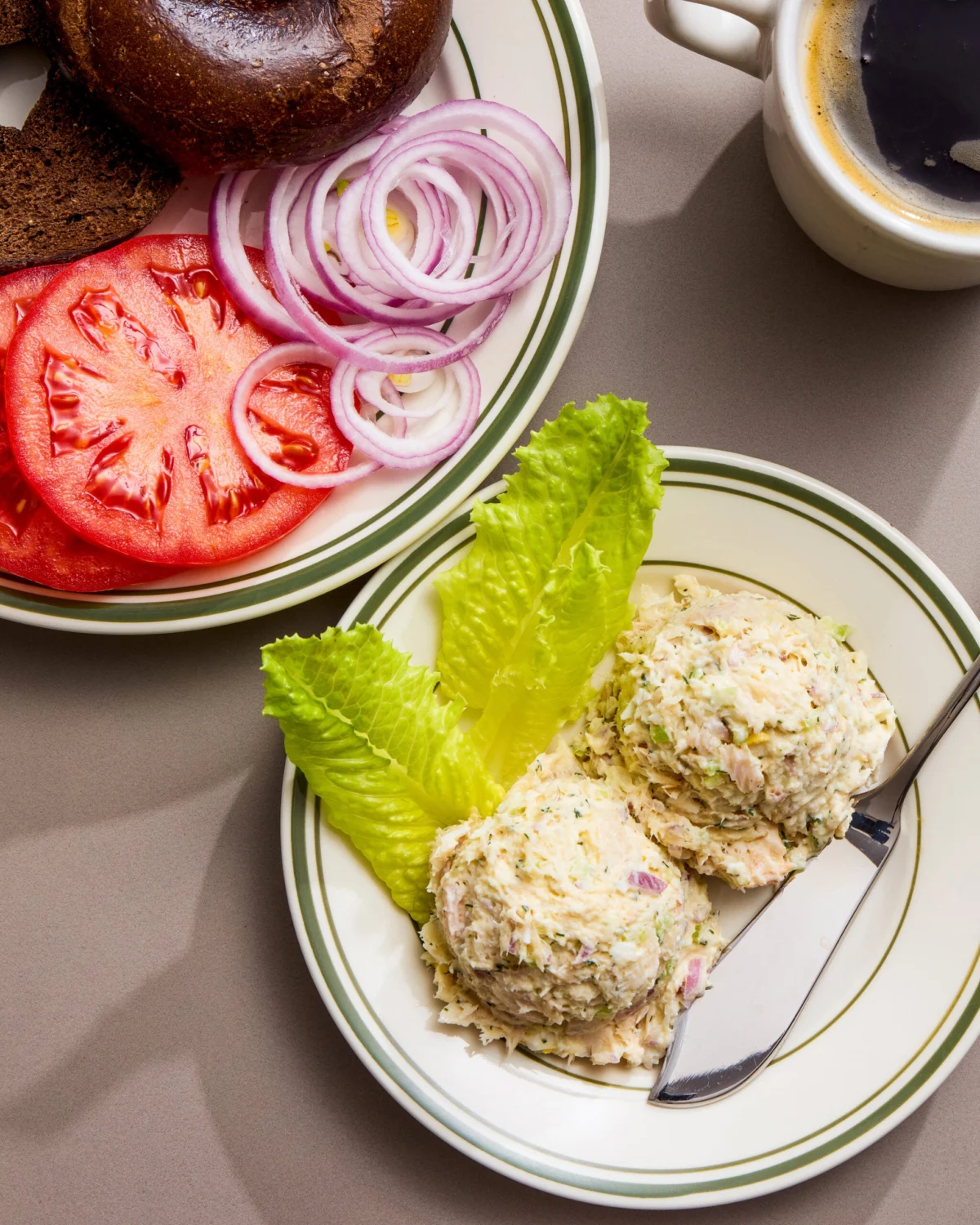
Whitefish salad, a cherished delicacy that evokes nostalgia for a bygone era of Jewish deli culture, continues to captivate palates with its harmonious blend of flavors and textures. This particular rendition, adapted from the legendary Wolfie Cohen’s Rascal House in Sunny Isles, Florida, offers a deeply satisfying spread, rich with mayonnaise, tangy sour cream, and the comforting presence of a hard-boiled egg. The addition of crisp celery and sharp red onion provides a delightful textural contrast, while fresh dill and a bright squeeze of lemon cut through the inherent saltiness and smoky depth of the whitefish. The recipe, a testament to classic deli craftsmanship, suggests serving this versatile creation atop crisp matzo or nestled within the embrace of a toasted bagel half, adorned with slices of ripe tomato and more onion.
The story of Wolfie Cohen’s Rascal House is intrinsically linked to the vibrant culinary landscape of South Florida, particularly its strong Jewish heritage. For decades, the Rascal House stood as more than just a restaurant; it was a community hub, a place where generations gathered to share meals, celebrate milestones, and experience the authentic flavors of a New York-style Jewish deli. Its closure marked the end of an era, leaving a void in the hearts of many who grew up with its iconic dishes. This recipe serves as a culinary preservation, allowing home cooks to recreate a taste of that beloved institution, a tangible connection to cherished memories.

The preparation of this whitefish salad is straightforward, embodying the unpretentious yet delicious nature of deli fare. The initial step involves a simple yet crucial technique for the red onion: soaking it in cold water for fifteen minutes. This process, often overlooked, effectively mellows the onion’s sharp bite, transforming it into a more palatable component that complements, rather than overpowers, the other ingredients. This attention to detail is a hallmark of recipes designed to balance robust flavors.
Following the onion’s preparation, the flaked whitefish forms the heart of the salad. The act of gently flaking the fish with a fork ensures a pleasing texture, avoiding the mushiness that can arise from over-processing. The subsequent combination with the softened onion, creamy mayonnaise, rich sour cream, fragrant dill, zesty lemon juice, and crisp celery creates a complex yet cohesive mixture. The inclusion of the chopped hard-boiled egg adds another layer of richness and a subtle, grounding flavor. Seasoning is then adjusted to personal preference, typically with freshly ground black pepper, as the inherent saltiness of the whitefish often suffices. The salad is best enjoyed fresh, allowing the flavors to meld beautifully, though it can be stored in an airtight container in the refrigerator for up to four days, making it a convenient option for meal preparation or entertaining.
The Enduring Appeal of Deli Classics
The enduring popularity of deli-inspired dishes like whitefish salad speaks to a broader cultural appreciation for comfort food that is both satisfying and deeply rooted in tradition. Jewish delis, in particular, have played a pivotal role in the culinary identity of many American cities, offering a unique blend of Eastern European and American influences. These establishments often served as informal community centers, fostering a sense of belonging and shared heritage. The Rascal House, with its expansive menu and lively atmosphere, was a prime example of this phenomenon. Its ability to draw a diverse clientele, from locals to tourists, underscored its status as a true institution.
The economic impact of such beloved establishments, even after their closure, can be significant. While the physical presence of the Rascal House is gone, the culinary legacy it leaves behind continues to influence home cooking and restaurant menus. Recipes adapted from iconic establishments become cultural touchstones, preserving flavors and techniques for future generations. The demand for authentic deli experiences remains strong, with many consumers seeking out the nostalgic tastes and warm hospitality that these establishments traditionally provided.
Culinary Preservation and Nostalgia
The act of recreating a dish like the Rascal House whitefish salad is more than just a culinary endeavor; it is an act of culinary preservation. In a world where food trends can be fleeting, traditional recipes offer a sense of continuity and connection to the past. The ingredients themselves—mayonnaise, sour cream, dill, lemon, celery, onion, and of course, whitefish—are humble yet potent flavor builders. Their careful combination in this recipe highlights the art of simple, high-quality ingredients speaking for themselves.
The mention of serving the salad on matzo or a bagel further anchors it within its cultural context. Matzo, a staple of Passover and a common accompaniment to deli fare, provides a crisp, neutral canvas. The toasted bagel, another quintessential deli offering, provides a more substantial and satisfying base, especially when topped with complementary fresh ingredients like tomato and onion. This versatility makes the whitefish salad a flexible addition to any meal, from a light lunch to a substantial appetizer.
The process of adapting recipes from well-loved, but now-closed, establishments like Wolfie Cohen’s Rascal House is a common practice in the culinary world. It allows food writers, chefs, and home cooks to pay homage to culinary heritage while also making these treasured dishes accessible to a wider audience. The detailed instructions provided ensure that the essence of the original dish is captured, offering a taste of nostalgia that can be enjoyed in kitchens around the world. The success of such adaptations often lies in their ability to evoke the same feeling and flavor profile that made the original so special, bridging the gap between memory and present-day enjoyment. The care taken in sourcing ingredients and following the precise steps is crucial in achieving this authentic taste. For many, this whitefish salad is not just a recipe; it’s a portal to cherished memories and a celebration of a culinary legacy that continues to resonate.