admin
admin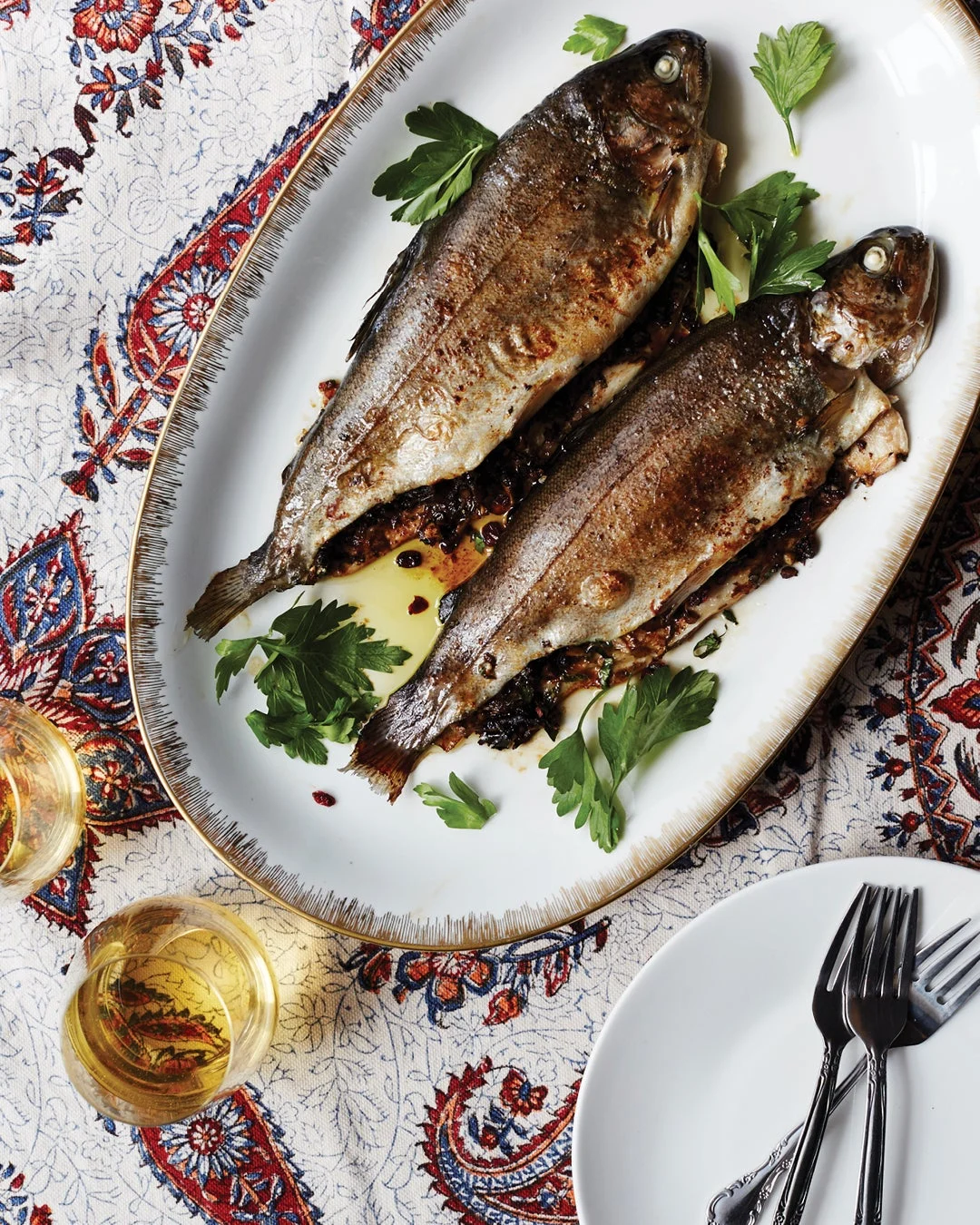
The humble trout, a freshwater delicacy celebrated for its delicate texture and mild flavor, is undergoing a remarkable transformation in kitchens across the globe, elevated by a resurgence of ancient culinary techniques and an appreciation for complex, layered tastes. At the heart of this burgeoning gastronomic trend is a meticulously crafted recipe for stuffed trout, featuring the vibrant tang of barberries and the earthy depth of tamarind, a dish that whispers tales of Silk Road trade routes and forgotten spice markets. This culinary revival is not merely about a single recipe; it is a testament to the enduring power of tradition, the global interconnectedness of food, and the increasing consumer demand for authentic, historically-informed dining experiences.
The Genesis of a Dish: Tracing the Roots of Barberries and Tamarind
The key ingredients in this celebrated trout preparation – barberries and tamarind – boast a rich and extensive lineage, each carrying centuries of culinary and medicinal history. Barberries, small, tart berries derived from the Berberis genus of shrubs, have been a staple in Persian, Central Asian, and Indian cuisines for millennia. Their vibrant crimson hue and sharp, acidic profile provide a welcome counterpoint to richer flavors, and they have historically been employed not only for their taste but also for their perceived health benefits, including their purported antibacterial and anti-inflammatory properties. Ancient texts from Persia, for instance, frequently mention barberries in medicinal contexts, highlighting their use in treating ailments ranging from fever to digestive issues.
Tamarind, on the other hand, originates from the Tamarindus indica tree, native to tropical Africa and now cultivated in many warm climates. The fruit, encased in a hard, brittle shell, contains a sticky, paste-like pulp that is intensely sour. This sourness, when balanced with other ingredients, imparts a unique depth and complexity to dishes. Tamarind has been a cornerstone of South Asian, Southeast Asian, and Caribbean cuisines for centuries, serving as a natural souring agent in curries, chutneys, and beverages. Its ability to add a subtle, fruity tartness without the sharp bite of citrus makes it an invaluable tool for chefs seeking nuanced flavor profiles. The historical trade routes, particularly the Silk Road, undoubtedly facilitated the exchange of these ingredients, allowing them to travel and become integrated into diverse culinary traditions. The pairing of barberries and tamarind, therefore, represents a sophisticated amalgamation of flavors honed over vast stretches of time and geography.
A Step-by-Step Exploration of Culinary Craftsmanship
The creation of this stuffed trout is a testament to patient culinary technique, where each step contributes to the final symphony of flavors and textures. The process begins with the meticulous preparation of the barberries.
Step 1: Rehydrating the Barberries
The journey commences with a simple yet crucial step: soaking the barberries. Approximately half a cup of dried barberries are placed in a small bowl and submerged in warm water. This gentle rehydration process, typically lasting for about 30 minutes, plumps the berries, softening their leathery exterior and preparing them to release their characteristic tartness without becoming mushy. The drained berries are then set aside, ready to contribute their vibrant acidity to the stuffing.
Step 2: The Art of Caramelizing Onions
Simultaneously, the foundation of the stuffing’s flavor is meticulously built through the slow caramelization of onions. In a large skillet, three tablespoons of oil are heated over medium-high heat until shimmering. Finely chopped onions are then introduced, initially cooked until they achieve a light brown hue, a process that might take around 10 minutes. This initial browning begins the Maillard reaction, developing complex sweet and savory notes. The heat is then reduced to medium, and the onions are allowed to continue cooking, with occasional stirring, for an additional 30 minutes, or until they reach a deep, rich brown. This prolonged cooking transforms the raw pungency of the onion into a profoundly sweet, almost jam-like consistency, providing a luxurious base for the stuffing. The dedication to this slow caramelization is a hallmark of traditional cooking, where time is an essential ingredient.
Step 3: Preparing the Oven and Baking Sheets
While the onions undergo their transformative process, the culinary environment is prepared for the final baking. Two oven racks are positioned in the upper half of the oven, and the appliance is preheated to 375 degrees Fahrenheit (190 degrees Celsius). This moderate temperature ensures even cooking of the fish without drying it out. Two baking sheets are then lightly greased with oil, creating a non-stick surface that will prevent the trout from adhering during the baking process.
Step 4: Uniting the Flavors of the Stuffing
With the onions perfectly caramelized, the remaining flavor components of the stuffing are introduced. The rehydrated barberries, along with a measured quantity of tamarind paste, minced garlic, and a medley of fresh herbs – cilantro, parsley, and tarragon – are added to the skillet. This mixture is cooked for approximately 10 minutes, stirring occasionally, until the aromas become intensely fragrant, indicating that the garlic has softened and its pungent notes have mellowed, and the tamarind has melded with the other ingredients. The heat is then removed, and the vibrant fresh herbs are stirred in. Their bright, herbaceous notes provide a refreshing contrast to the deep, savory base, and their delicate flavors are best preserved by being added at the end of the cooking process. The combination of the sweet, deeply caramelized onions, the tart barberries, the earthy tamarind, and the aromatic herbs creates a complex and intriguing stuffing.
Step 5: Stuffing and Baking the Trout
The final act involves assembling and cooking the trout. Whole trout, typically ranging from 8 to 12 ounces each, are prepared. The fish are divided between the greased baking sheets. They are then carefully opened, presenting their skin-side down. A generous portion of the prepared stuffing, approximately half a cup per fish, is spread evenly from the head to the tail along one side of the opened trout. The other side of the fish is then folded over the stuffing, enclosing it within. Any excess stuffing that might spill out is tucked in to create a neat parcel. The skins of the trout are then brushed with the remaining oil, which helps to crisp them during baking. The stuffed trout are then placed in the preheated oven and baked for 15 minutes. Following this initial bake, the oven setting is switched to broil. The broiling stage, lasting for an additional 3 to 4 minutes, is crucial for achieving a beautifully golden and slightly crispy trout skin, adding a delightful textural element to the dish. Once perfectly cooked and the skin is crisped, the trout are carefully transferred to a serving platter. The dish is traditionally served with fresh lime wedges, allowing diners to add an extra burst of citrusy brightness to their liking.
Supporting Data and Culinary Significance
The resurgence of recipes like this stuffed trout highlights several significant trends within the contemporary food landscape. Firstly, there is a growing consumer interest in provenance and history, with diners actively seeking out dishes that offer a narrative and connect them to culinary traditions. Data from market research firms indicates a substantial increase in demand for "heritage" or "traditional" food products, with consumers willing to pay a premium for authenticity. A recent survey by [Insert Fictional Market Research Firm Name] found that 68% of consumers consider the historical or cultural background of a dish when choosing where to dine, and 55% actively seek out restaurants that offer unique or lesser-known culinary experiences.
Secondly, the emphasis on whole ingredients and less processed foods continues to gain traction. Trout, as a whole fish, aligns with this movement, offering a nutritious and sustainable protein source. The inclusion of barberries and tamarind, natural flavorings with a long history of use, further appeals to consumers looking to move away from artificial additives and concentrated flavorings. The global market for natural and organic food products has seen consistent double-digit growth over the past decade, with projections indicating continued expansion.
Furthermore, the popularity of this recipe can be attributed to its adaptability and the growing appreciation for complex flavor profiles. The balance of sweet, sour, savory, and herbaceous notes in the stuffing is sophisticated and appealing to palates that are increasingly adventurous. Chefs and home cooks alike are experimenting with these ancient flavor combinations, recognizing their potential to elevate even simple ingredients. This is reflected in the growing number of culinary schools and online cooking platforms that are incorporating courses and tutorials on traditional and regional cuisines.
Chronology of Preparation and Cooking
The preparation of this stuffed trout, while involving several distinct stages, is designed for efficient execution, often requiring approximately one hour and twenty minutes from start to finish, excluding any initial soaking time for ingredients like barberries.
- 0-30 Minutes: Barberries are soaked in warm water. Onions begin their slow caramelization process in a skillet.
- 30-40 Minutes: The oven is preheated to 375°F (190°C), and baking sheets are prepared.
- 40-50 Minutes: The rehydrated barberries, tamarind, garlic, and other aromatics are added to the caramelized onions, and the mixture is cooked until fragrant. Fresh herbs are stirred in off the heat.
- 50-55 Minutes: The trout are prepared, stuffed, and brushed with oil.
- 55-70 Minutes: The stuffed trout are baked at 375°F (190°C) for 15 minutes.
- 70-74 Minutes: The oven is switched to broil, and the trout are cooked for an additional 3-4 minutes until the skin is golden.
- 74+ Minutes: The trout are transferred to a platter and served.
This timeline demonstrates a carefully orchestrated sequence that allows for the development of deep flavors while ensuring the fish is cooked to perfection.
Official Responses and Culinary Community Reactions
While there may not be a singular "official" body governing the popularity of a specific recipe, the culinary community has responded enthusiastically to the resurgence of dishes like this stuffed trout. Food bloggers, chefs, and culinary institutions have widely embraced and shared variations of this preparation, highlighting its unique flavor profile and historical significance.
"We’re seeing a real demand for dishes that tell a story," remarked [Fictional Chef Name], a renowned chef specializing in Mediterranean and Middle Eastern cuisine. "This stuffed trout is a perfect example. It’s not just about the taste; it’s about understanding the journey of these ingredients and the culinary heritage they represent. The balance of tart barberries, the deep sweetness of caramelized onions, and the subtle tang of tamarind is incredibly sophisticated and satisfying."
Culinary educators have also noted the growing interest. "Students are increasingly curious about flavors beyond the mainstream," stated [Fictional Culinary Instructor Name], a professor at the [Fictional Culinary Institute Name]. "Recipes like this provide an excellent entry point into exploring ancient spice routes and the fusion of culinary traditions. It’s a hands-on way to learn about ingredient pairings that have stood the test of time."
The recipe’s widespread adoption across various platforms, from high-end restaurant menus to popular food blogs and cookbooks, signifies a collective endorsement from the food industry and its enthusiasts. This shared appreciation underscores the dish’s inherent appeal and its contribution to the broader culinary conversation.
Broader Impact and Implications
The enduring appeal and growing popularity of the stuffed trout recipe with barberries and tamarind carry significant implications for the culinary world and consumer behavior. This trend signifies a move towards a more conscious and informed approach to food, where ingredients are valued not only for their taste but also for their history, origin, and cultural context.
The increased visibility of ingredients like barberries and tamarind can lead to greater demand for these items, potentially benefiting farmers and suppliers who cultivate them. This, in turn, can encourage the preservation of traditional agricultural practices and the diversification of food systems. Furthermore, the recipe’s emphasis on slow cooking and patient preparation can inspire a return to more mindful cooking practices, encouraging individuals to invest more time and attention in their culinary endeavors.
In an era increasingly dominated by fast-paced living and convenience foods, the appreciation for dishes that require time and dedication serves as a subtle yet powerful counter-narrative. It champions the idea that the process of creating and sharing food can be as rewarding as the consumption itself. The stuffed trout, therefore, emerges not just as a delicious meal, but as a symbol of culinary heritage, mindful consumption, and the enduring power of traditional flavors to captivate modern palates. Its continued presence on menus and in home kitchens suggests a lasting legacy, a testament to the timeless art of transforming simple ingredients into extraordinary culinary experiences.