admin
admin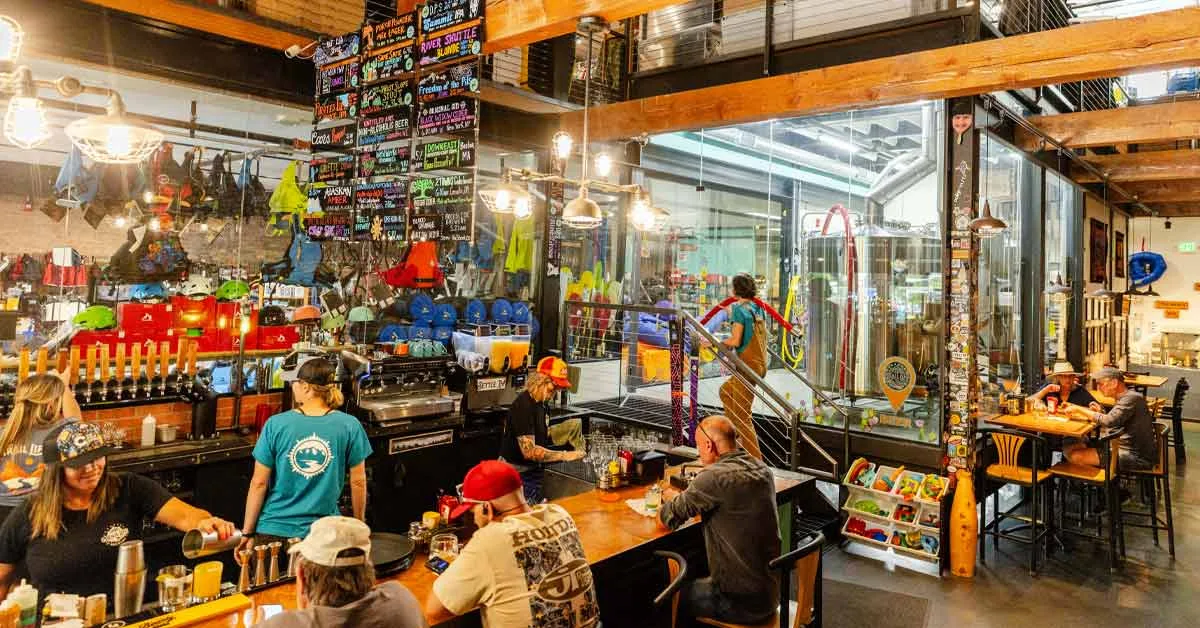
Grand Junction, Colorado, situated at the confluence of the Colorado and Gunnison Rivers, is currently undergoing a significant transformation as it positions itself as a premier destination for both outdoor enthusiasts and craft beer connoisseurs. While the region has long been defined by its proximity to the Colorado National Monument and the Grand Mesa, a recent influx of specialized breweries and hospitality ventures has created a unique "adventure-hospitality" ecosystem. This development marks a shift in Colorado’s tourism landscape, offering an alternative to the heavily congested corridors of the Front Range and more famous national parks like the Grand Canyon or Arches.
Industry analysts and local business owners suggest that Grand Junction’s appeal lies in its "undiscovered" status. According to Adam Kinsey, a prominent figure in the local scene and founder of Handlebar Tap House and WestCo Brewing, the city offers a level of serenity and accessibility that is increasingly rare in established tourist hubs. As Denver and Fort Collins continue to dominate the "beer tourism" headlines, Grand Junction has quietly cultivated a diverse and sophisticated brewing culture that mirrors the rugged, adventurous spirit of its residents.
The Geographic and Natural Foundation of the Grand Valley
To understand the rise of Grand Junction’s craft beer scene, one must first consider the geographical factors that define the region. The city’s name is a historical reference to the junction of the Gunnison River and the Colorado River, the latter of which was known as the "Grand River" until 1921. This convergence created a fertile valley surrounded by three distinct and dramatic landscapes: the Colorado National Monument to the west, the Grand Mesa to the east, and the Book Cliffs to the north.
The Colorado National Monument provides a backdrop of red rock canyons and towering monoliths. Despite its visual parity with the Grand Canyon, it remains significantly less crowded, allowing for a more intimate experience with the high desert environment. To the east, the Grand Mesa stands as the largest flat-top mountain in the world, encompassing over 500 square miles and reaching elevations of over 11,000 feet. These natural features do more than provide recreation; they provide the high-quality water sources essential for high-altitude brewing, a factor that local brewers cite as a key component of their product’s profile.
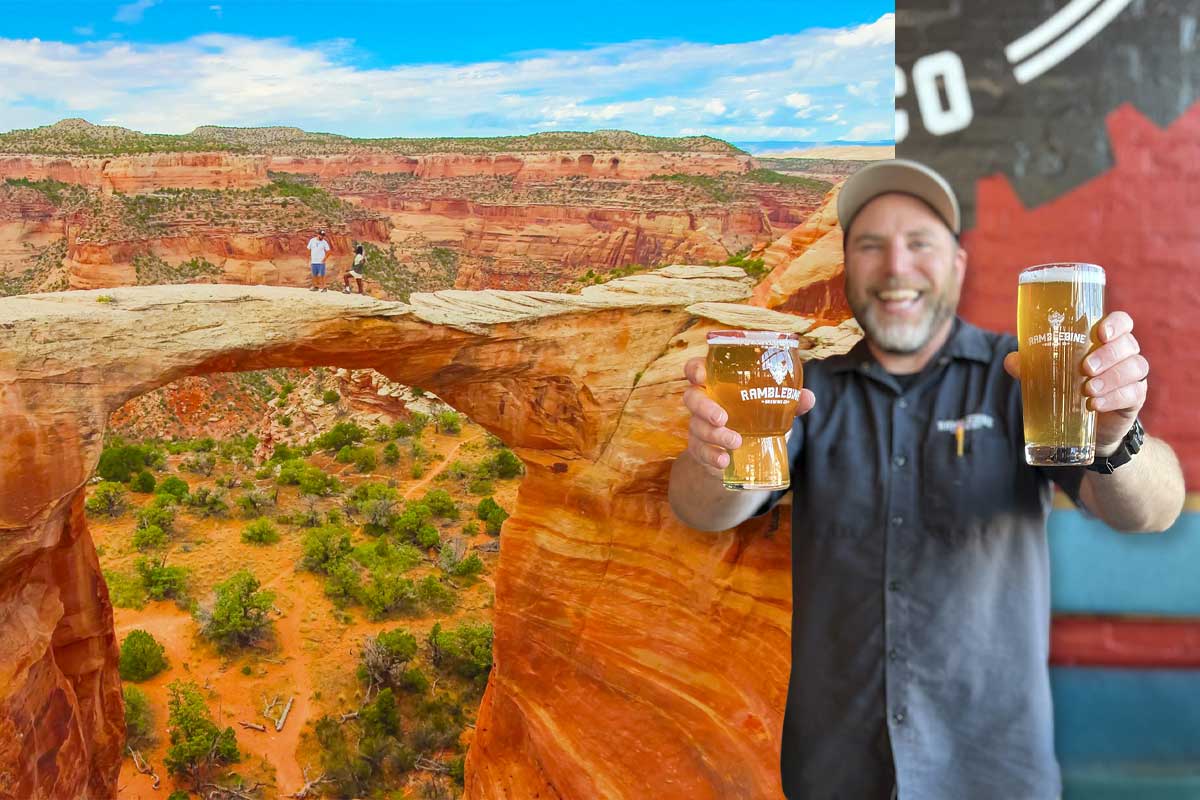
Furthermore, the region is home to the Rattlesnake Arches, which boasts one of the highest concentrations of natural arches outside of Arches National Park in Utah. This density of natural wonders has historically drawn hikers, mountain bikers, and climbers, creating a demographic of "active consumers" who have become the primary patrons of the city’s burgeoning taprooms.
A Chronology of the Grand Junction Brewing Industry
The evolution of the craft beer scene in Grand Junction has occurred in distinct phases, moving from early pioneering efforts to a modern era of high-concept, specialized establishments.
The Early Pioneers (1990s – 2010s):
The foundation was laid in 1994 with the opening of The Rockslide Brew Pub. As the "OG" of the local craft scene, Rockslide introduced the brewpub model to a community that was primarily focused on agriculture and traditional industry. For over two decades, it remained the primary destination for locally produced ales and lagers, fostering a nascent appreciation for craft fermentation.
The Second Wave and Specialization (2010s – 2019):
As mountain biking and outdoor recreation became central to the city’s economic identity, new businesses began to integrate hospitality with outdoor retail. Establishments like Handlebar Tap House emerged, strategically located near trailheads and bike shops to capture the "post-ride" market. During this period, the city also saw the rise of Base Camp Beer Works, which expanded the local palate with more experimental offerings, such as fruit-infused cream ales and seasonal porters.
The Modern Era (2020 – Present):
Despite the global challenges of the COVID-19 pandemic, the period between 2020 and 2024 saw a surge in new brewery openings. Ramblebine Brewing launched in 2020, bringing a focus on technical excellence and diverse yeast strains. This was followed by Trail Life Brewing and, most recently, WestCo Brewing in 2024. This modern era is characterized by "destination breweries"—spaces that are as much about the culinary experience and community gathering as they are about the beer itself.
Profile of Key Market Participants
The current market is defined by several key players who have shaped the city’s reputation for quality and variety.
Ramblebine Brewing: Technical Diversity
Founded by Eli Gerson and Rob James, Ramblebine Brewing has gained recognition for its refusal to be pigeonholed into a single style. While their portfolio includes staples like West Coast IPAs and lagers, they have gained a following for God Hammer, a Norwegian red ale fermented with Kveik yeast. This ancient yeast strain, known for its ability to ferment at high temperatures without producing off-flavors, represents the brewery’s commitment to technical experimentation. Their taproom serves as a educational hub, where staff focus on introducing patrons to nuanced styles like hoppy Pilsners and barrel-aged stouts.
Trail Life Brewing: The Adventure Integration
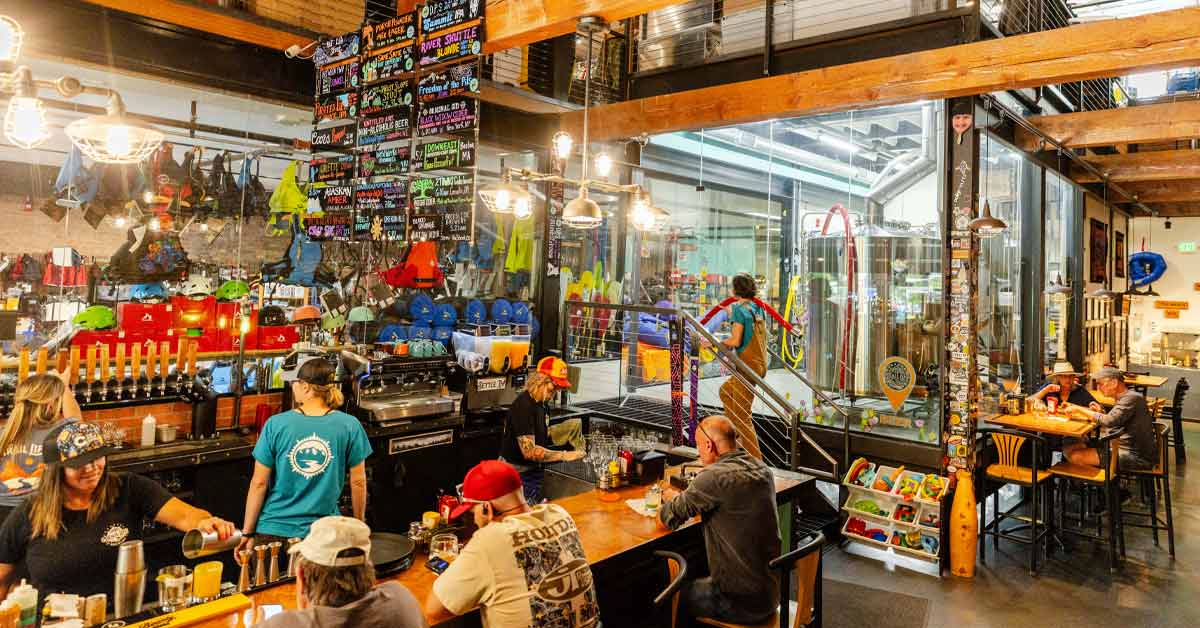
Trail Life Brewing exemplifies the synergy between the outdoor industry and the craft beer sector. Physically attached to a mountain bike shop, the brewery operates as a community center for the city’s "adventure-first" population. Their tap list is designed for sessionability—beers that can be enjoyed after physical exertion—featuring Mexican-style lagers and blonde ales, alongside more complex offerings like their Black IPA.
WestCo Brewing: Culinary and Community Focus
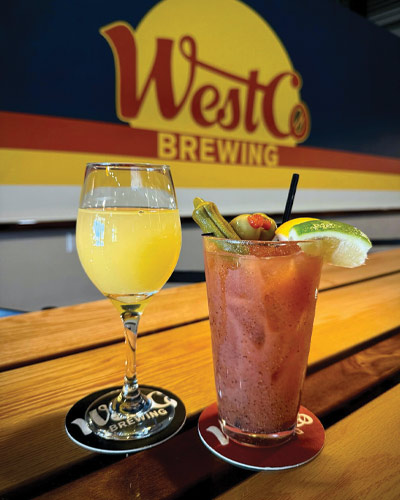
The most recent addition to the scene, WestCo Brewing, is a collaboration between Adam Kinsey and head brewer Danny Wilson. Located adjacent to the Amphitheater at Las Colonias Park, WestCo is designed to leverage the city’s investment in public spaces and live music. The brewery distinguishes itself through a sophisticated culinary program that moves beyond standard pub fare. Their menu features Japanese-inspired dishes like katsu fried chicken and ramen, paired with easy-drinking styles such as Japanese-style rice lagers and fruited sours. This "high-low" approach—pairing complex food with accessible beer—is a hallmark of the new Grand Junction hospitality model.
Supporting Data and Economic Context
The growth of the brewing industry in Grand Junction reflects broader trends within the state of Colorado. According to data from the Brewers Association, Colorado consistently ranks in the top five states for the number of craft breweries per capita. In 2023, the craft brewing industry contributed billions of dollars to the state’s economy, supporting thousands of jobs.
In Grand Junction, the impact is particularly visible in the revitalization of the downtown and riverfront areas. The development of Las Colonias Park, which houses WestCo Brewing, represents a multi-million dollar investment by the city to turn former industrial land into a recreation and business hub. This "riverfront restoration" model has been successful in other Western cities, but Grand Junction’s lower cost of living and lack of "over-tourism" give it a competitive advantage in attracting both entrepreneurs and visitors.
Visitor data for the Colorado National Monument also shows a steady increase, with annual attendance figures often exceeding 400,000. While this is a fraction of the millions who visit the Grand Canyon, the economic impact per visitor is significant when those tourists stay in the city to patronize local breweries and restaurants rather than just passing through.
Broader Impact and Industry Implications
The emergence of Grand Junction as a beer destination has several implications for the future of the industry and regional tourism.
First, it demonstrates the viability of "secondary markets." As major cities become saturated with breweries, the opportunity for growth shifts to smaller, recreation-focused towns. Grand Junction’s success suggests that a high-quality beer scene can be a major driver of economic diversification, helping a city transition from a resource-based economy to a service- and tourism-based one.
Second, the "bike-and-brew" model seen at Trail Life and Handlebar is likely to be replicated in other outdoor hubs. This model creates a "lifestyle ecosystem" where the interests of the consumer are met across multiple touchpoints—equipment, recreation, and social relaxation.
Finally, the focus on community and "serenity" remains a fragile but essential part of Grand Junction’s brand. As the city gains national attention, local leaders and business owners face the challenge of managing growth without losing the "untouched" quality that makes the area special. The current emphasis on "small and independent" breweries, as championed by organizations like the Brewers Association, serves as a safeguard for the authenticity of the local culture.
In conclusion, Grand Junction has successfully leveraged its natural assets to build a sophisticated and resilient craft beer industry. By integrating the outdoor lifestyle with a diverse range of brewing styles and culinary innovation, the city has created a blueprint for sustainable tourism. For the beer enthusiast, the "embarrassment of riches" found in the Grand Valley is no longer a local secret but a compelling reason to look west of the Continental Divide.