admin
admin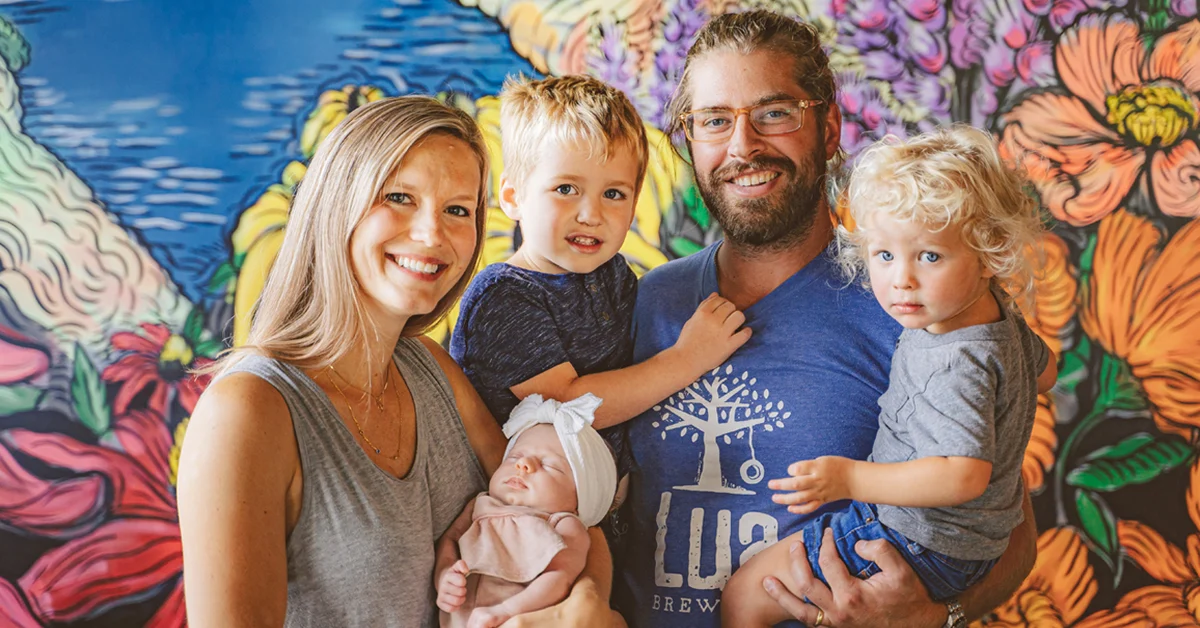
The modern craft beer landscape is undergoing a significant demographic and cultural shift as women, particularly mothers, move from the periphery of the industry into pivotal leadership and ownership roles. While the brewing world has historically been viewed as a male-dominated space, a growing cohort of female entrepreneurs is leveraging the unique perspectives gained through motherhood to foster more inclusive, family-oriented, and community-centric business models. This evolution is exemplified by the trajectories of Whitney Selix of Lua Brewing, Lindsey Mrav of Grain & Grit Beer Co., and Amanda McLamb of Resident Culture Brewing, three women who are simultaneously navigating the complexities of the multi-billion-dollar craft beer industry and the demands of early parenthood.
The Changing Face of Brewery Ownership
According to data from the Brewers Association, the primary trade group for small and independent U.S. craft brewers, women make up approximately 24% of brewery owners, with only a fraction of those serving as sole or lead owners. Despite these figures, the influence of women in the "front of house" and management sectors is rising. The narrative of the "alewife"—the historical term for female brewers who dominated the trade before the industrialization of beer—is being reclaimed in a contemporary context. For many modern women, the entry into the craft beer world is not merely a career choice but a reclamation of a space where hospitality, science, and community intersect.
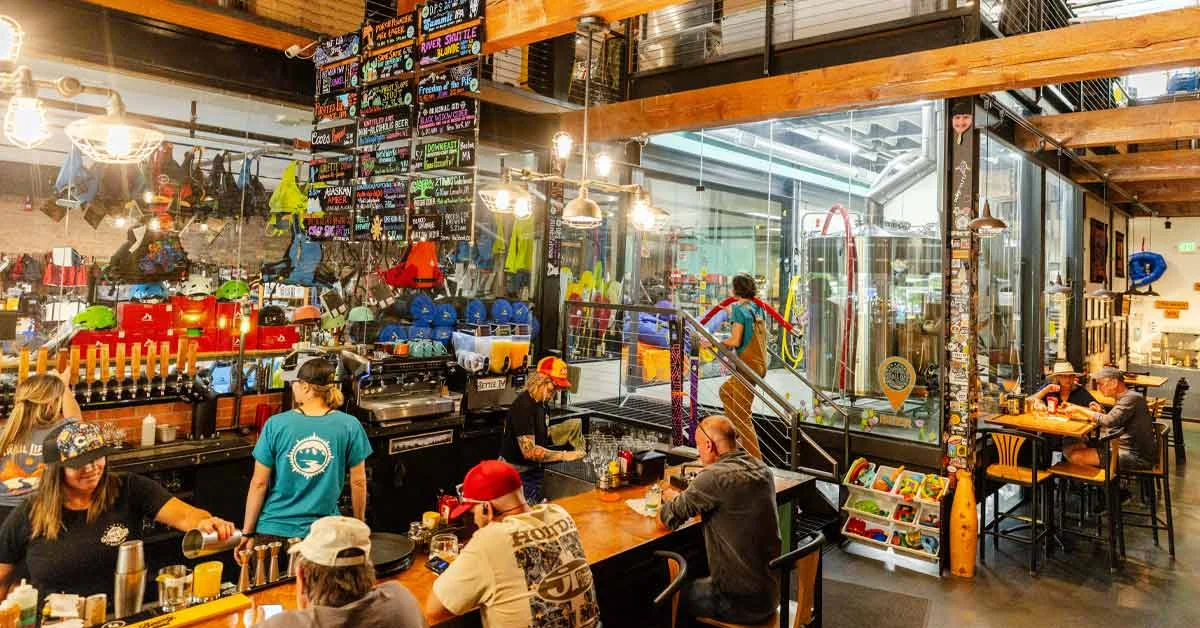
The integration of family life into the brewery environment is a direct response to the "always-on" nature of the hospitality industry. For owners who are also parents, the traditional boundaries between work and home are often non-existent. This has led to a reimagining of the taproom as a "third space"—a communal area outside of home and work where families are not just tolerated but welcomed as integral parts of the ecosystem.
Lua Brewing: Integrating Family and Enterprise in Des Moines
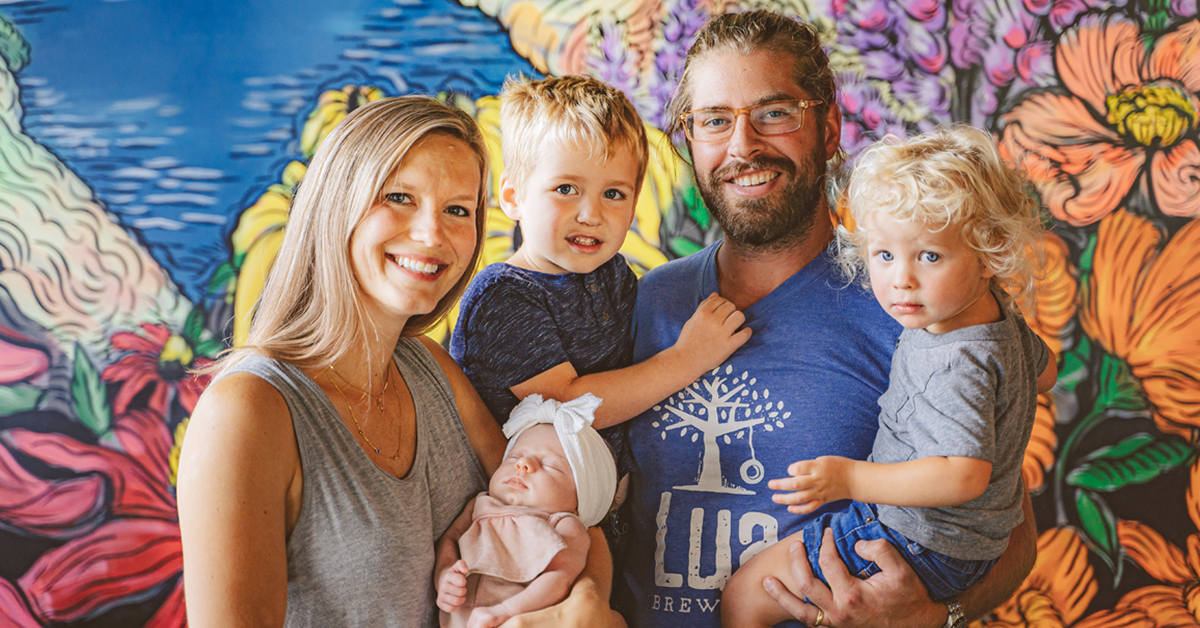
For Whitney Selix, the co-owner of Lua Brewing in Des Moines, Iowa, the professional and the personal have been inextricably linked since the brewery’s inception. Selix, an alumna of the University of Iowa with a background in restaurant management, transitioned into brewery ownership alongside her husband, Scott, in 2019. The timing of their business launch coincided with the expansion of their family, creating a high-pressure environment where Selix was frequently conducting staff interviews while nursing or managing brewery operations with a newborn in tow.

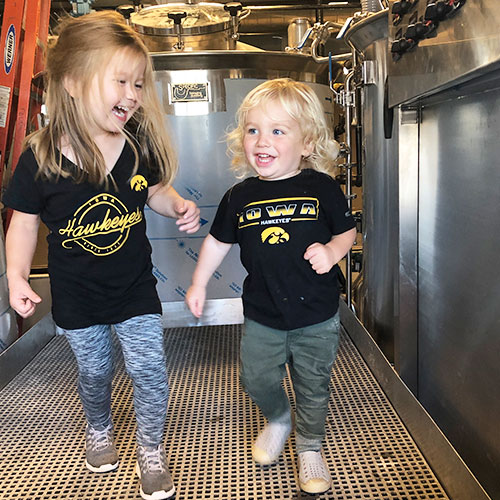
The Selix family has made a deliberate effort to ensure Lua Brewing reflects their reality as parents of three young children. This philosophy has manifested in both the brewery’s physical environment and its product development. Selix notes that her children have essentially grown up within the walls of the brewery, a situation that provides them with a unique perspective on entrepreneurship and labor.
Furthermore, the creative process at Lua is often filtered through the lens of parenting. A notable example is the upcoming release of "Dance Mode," a piña colada sour inspired by the popular children’s program Bluey. Selix attributes this creative spark to the "light" that children bring to life, suggesting that the joy and spontaneity of childhood can serve as a powerful antidote to the heavy responsibilities of adulthood. Beyond branding, Selix has become a vocal advocate for systemic change within the hospitality sector, pushing for more robust parental leave policies and flexible scheduling to accommodate the needs of working parents.
Grain & Grit: The Evolution of the Mom and Pop Taproom
In Hamilton, Ontario, Lindsey Mrav of Grain & Grit Beer Co. has demonstrated how a hobbyist’s passion can evolve into a community cornerstone. Mrav, a former freelance graphic designer, and her husband Joe, a mechanical engineer, opened their brewery in 2017 after transforming a dilapidated auto garage. At the time of opening, they were raising two children, aged four and seven, necessitating a grueling balance of manual labor and childcare.
Grain & Grit has distinguished itself by prioritizing events that cater specifically to mothers rather than just "family-friendly" generic programming. By hosting clothing swaps, vintage markets, book clubs, and dedicated "mom meetups," Mrav has positioned the brewery as a support network for women navigating the isolation that can sometimes accompany motherhood.
Mrav’s leadership style is characterized by an emphasis on logistical flexibility. Recognizing the inherent challenges of the hospitality industry, she has implemented internal policies that allow her small team to prioritize family obligations, such as medical appointments or parental leave. This approach reflects a broader industry trend where small-scale "mom and pop" operations are often more agile and empathetic in their management styles than larger corporate entities.
Resident Culture: Cultural Fusion and the Resident Ethos
Amanda McLamb’s journey with Resident Culture Brewing in Charlotte, North Carolina, highlights the intersection of cultural heritage and modern craft beer. McLamb, whose grandparents immigrated from China, grew up with a deep appreciation for the communal power of food and drink. This background, combined with a professional history in food writing and real estate, informed the 2017 launch of Resident Culture in a repurposed warehouse.
The brewery’s name is a double entendre: in scientific terms, "resident culture" refers to the wild yeast and bacteria that drive fermentation; in a social sense, it refers to the community of employees and customers who define the space. McLamb and her husband Phillip became parents to their daughter Piper just five months before the brewery opened, a period she describes as an "intense identity shift."
Resident Culture has gained national acclaim not only for its innovative beers but also for its commitment to cultural representation. The brewery hosts one of Charlotte’s largest Lunar New Year celebrations, an event McLamb initiated to share her heritage with her daughters and the broader community. This commitment to "weirdness" and authenticity is encapsulated in the brewery’s slogan, "Where Your Weird Is Welcome," which serves as a guiding principle for inclusivity.
Economic and Social Implications for the Industry
The shift toward family-inclusive breweries carries significant economic implications. As the craft beer market becomes increasingly saturated, breweries that successfully court the "parent demographic" tap into a loyal and consistent customer base. Research suggests that millennial and Gen X parents are more likely to frequent establishments where they feel their children are safe and entertained, leading to increased daytime revenue for taprooms that traditionally relied on evening crowds.
However, this transition is not without its challenges. The presence of children in taprooms remains a polarizing topic within the beer community, with some patrons advocating for adult-only spaces. Owners like Selix, Mrav, and McLamb argue that the solution lies in thoughtful design and clear community standards rather than exclusion.
From a labor perspective, the influence of these women is driving a much-needed conversation about sustainability in the hospitality workforce. The "rising tides" mentality mentioned by McLamb refers to a collaborative industry culture where sharing best practices—including those related to employee well-being—benefits the whole. By advocating for better leave and flexible hours, these entrepreneurs are addressing the chronic turnover issues that plague the service industry.
Chronology of a Movement: From Alewives to Entrepreneurs
To understand the current impact of mothers in craft beer, it is essential to view their progress through a chronological lens:
- Pre-Industrial Era: Brewing is primarily a domestic task managed by women (alewives).
- Late 19th – Mid 20th Century: Commercialization and industrialization move brewing into the factory, largely excluding women from the professional trade.
- 1980s – 1990s: The "First Wave" of craft brewing begins; women like Teri Fahrendorf and Carol Stoudt break barriers as brewers and owners.
- 2010s: The "Third Wave" sees an explosion of taprooms. Women like Selix, Mrav, and McLamb enter the market, prioritizing the "taproom-as-community-hub" model.
- 2020 – Present: The COVID-19 pandemic forces a reckoning with labor practices and business resilience. Mothers in leadership roles lead the charge in creating more flexible, empathetic work environments.
Analysis of Leadership Traits Derived from Motherhood
The experiences shared by these three women suggest that motherhood provides a unique "training ground" for the skills required in brewery management. Selix highlights the "deeper well of empathy, patience, and perspective" that parenting provides, which translates directly into more effective leadership during times of crisis. The ability to pivot when plans fail—a daily occurrence in both brewing and parenting—is a critical asset in a volatile market.
The "resident culture" fostered by these women is one of resilience. By integrating their roles as mothers into their professional identities, they are dismantling the outdated notion that parenthood is a hindrance to business success. Instead, they are proving that the qualities required to raise a family—multitasking, long-term planning, and community building—are the same qualities that ensure a brewery’s longevity.
As the craft beer industry continues to mature, the influence of mothers as owners and operators is likely to grow. Their focus on inclusivity, family-friendly policies, and community engagement is not just a personal preference but a strategic business model that reflects the changing values of the modern consumer. Through their work at Lua Brewing, Grain & Grit, and Resident Culture, these women are ensuring that the future of craft beer is as diverse and welcoming as the communities they serve.