admin
admin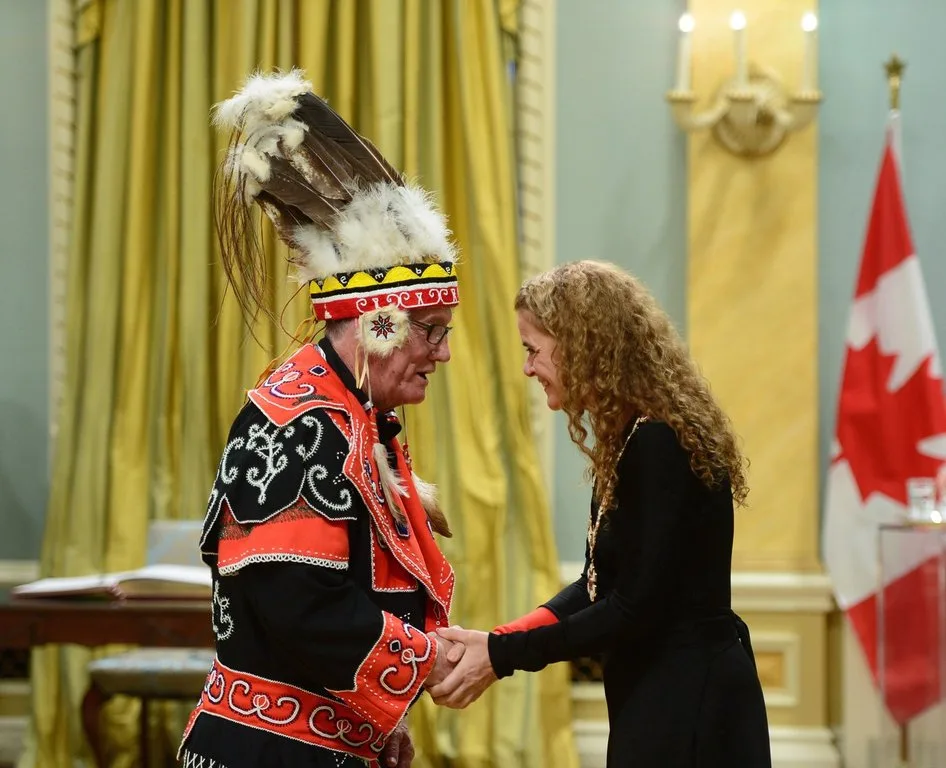
Membertou First Nation, an Indigenous government in Nova Scotia, has unequivocally declared that the provincial government and Royal Canadian Mounted Police (RCMP) lack the authority to enforce cannabis regulations on its sovereign lands. This assertive resolution, issued by the council of Cape Breton’s Membertou First Nation, led by Chief Terry Paul, marks a significant escalation in the ongoing dispute over jurisdiction concerning cannabis and tobacco sales, as provincial officials intensify raids on operations they deem illegal. The resolution, released on Friday, March 14, 2026, firmly asserts Membertou’s inherent treaty right to self-governance, a right explicitly recognized and affirmed by the Canadian Constitution.
Historical Context of Mi’kmaq Treaty Rights and Self-Governance
The foundation of Membertou First Nation’s position rests on a complex legal and historical framework of Indigenous rights in Canada. The Mi’kmaq people, the original inhabitants of Mi’kma’ki (which includes what is now Nova Scotia), entered into a series of Peace and Friendship Treaties with the British Crown in the 18th century, notably the Treaty of 1752. These treaties, unlike land cession treaties, were agreements of peace and mutual respect, affirming the Mi’kmaq’s right to their traditional way of life, including hunting, fishing, and trade, without surrendering their sovereignty.
For centuries, these treaties were largely ignored or misinterpreted by colonial and later Canadian governments. However, landmark Supreme Court of Canada decisions, particularly R. v. Marshall (1999), reaffirmed the contemporary validity of these treaties and their protection under Section 35 of the Constitution Act, 1982. The Marshall decision specifically affirmed the Mi’kmaq’s right to earn a moderate livelihood from traditional resources, laying a precedent for Indigenous economic activity that often operates outside conventional provincial regulatory frameworks. While Marshall primarily focused on fishing rights, its broader implications for Indigenous economic self-determination have been central to subsequent discussions around resource management and commercial ventures, including the emerging cannabis industry.
The federal legalization of cannabis in 2018 under the Cannabis Act presented a new arena for these long-standing jurisdictional debates. While the federal government established a framework for legal production and sale, it largely delegated retail regulation to the provinces. This provincial authority, however, has consistently clashed with the aspirations of many First Nations to establish their own cannabis industries, not only as a means of economic development but also as an exercise of their inherent right to self-governance and treaty rights. Indigenous communities argue that they should have the primary jurisdiction to regulate commercial activities on their lands, consistent with their nation-to-nation relationship with the Crown.

Escalation of Tensions: A Recent Chronology
The current surge in tensions can be traced to a directive issued by Nova Scotia’s Attorney General, Scott Armstrong, in December 2025. This directive instructed provincial police agencies, including the RCMP, to increase enforcement on what the province identifies as "illegal" cannabis operations across Nova Scotia. The provincial government’s rationale for this directive, as articulated by Minister Armstrong, centered on public safety concerns, the integrity of the regulated market, and the collection of provincial tax revenue.
- December 2025: Attorney General Scott Armstrong issues a directive calling for heightened enforcement against unregulated cannabis operations across Nova Scotia. This move is presented by the province as a necessary step to ensure public safety, uphold the rule of law, and protect the integrity of the provincially regulated cannabis market.
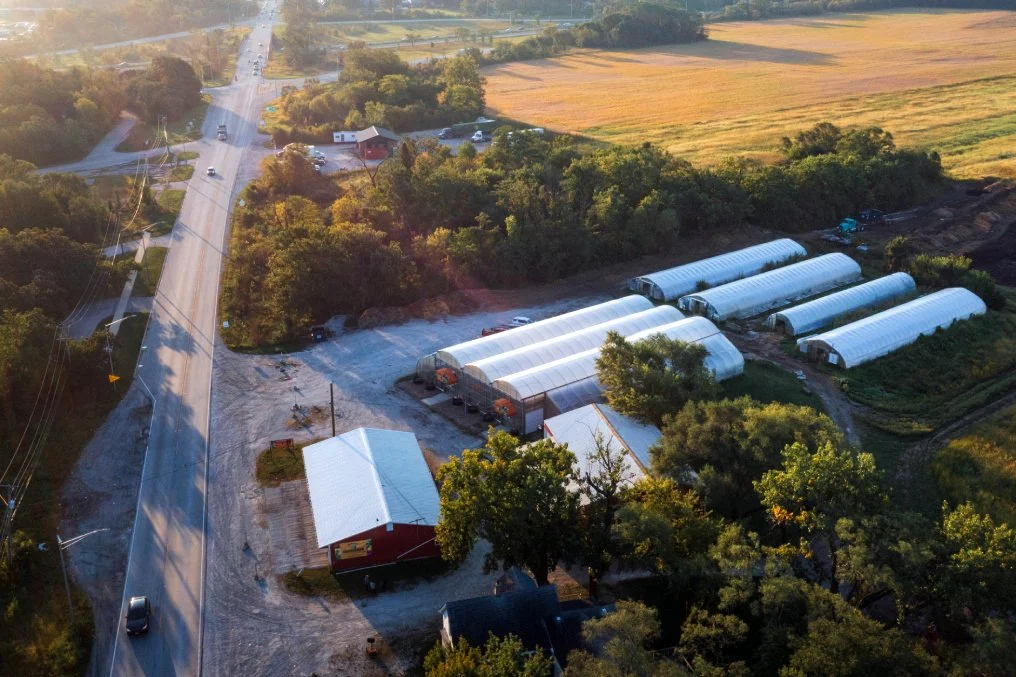
- Early January 2026: Initial raids and inspections begin, primarily targeting cannabis dispensaries not licensed by the Nova Scotia Liquor Corporation (NSLC), the province’s sole legal retailer. These operations include several Indigenous-run businesses that assert their right to operate under their own community-specific regulations.
- Mid-January 2026: Several Mi’kmaw chiefs vocally condemn the provincial directive and the subsequent enforcement actions. They argue that these actions disregard inherent Indigenous rights and treaty obligations, representing a colonial approach rather than one of partnership and reconciliation.
- Late January 2026: The Sipekne’katik First Nation takes a drastic step, issuing a public statement banning Premier Tim Houston and several of his cabinet ministers, including Attorney General Armstrong, from stepping foot onto their band lands. This unprecedented move signals a deep fracture in the relationship between the province and certain Mi’kmaw communities, highlighting the severity of the perceived infringement on their sovereignty.
- February 2026: Dialogue between provincial officials and some Mi’kmaw leadership stalls, with both sides reaffirming their positions. Premier Houston stands firm on the government’s stance regarding the rule of law, while Indigenous leaders emphasize their right to self-determination and economic autonomy.
- March 14, 2026: Membertou First Nation releases its formal resolution, directly challenging the provincial and RCMP authority on its lands. The resolution explicitly states that Membertou has the right to regulate cannabis and tobacco sales and views the provincial enforcement actions as an "unlawful assertion of authority."
Membertou’s Resolution: A Declaration of Sovereignty
The resolution from Membertou First Nation is not merely a protest; it is a formal declaration rooted in constitutional and international law. It explicitly states that the community possesses a treaty right to self-governance, a right that predates and supersedes provincial legislation. By regulating cannabis and tobacco sales within its territory, Membertou asserts it is exercising this inherent right, not engaging in "illegal" activity.
Chief Terry Paul, a highly respected and influential leader, has consistently championed Membertou’s economic development and self-sufficiency. Under his leadership, Membertou has become a model of economic success among First Nations in Canada. The resolution underscores the community’s belief that economic development, including regulated commerce like cannabis sales, is integral to its self-governance and the well-being of its members. The document views the provincial government’s use of the RCMP and government inspectors as a direct affront to Membertou’s sovereignty, interpreting these actions as attempts to "assert their unlawful authority" over the community’s affairs.
Supporting Data and Economic Implications

The economic stakes in this dispute are considerable. While precise figures for the unregulated Indigenous cannabis market in Nova Scotia are challenging to ascertain, industry estimates suggest that these operations collectively represent a significant portion of the province’s overall cannabis sales. Some analysts estimate that Indigenous-run dispensaries could account for upwards of 15-20% of the market share, particularly in regions where they have established a strong presence and offer competitive pricing.
For First Nation communities like Membertou, these businesses are vital economic engines. They provide much-needed employment opportunities, often in areas with higher unemployment rates than the provincial average. Revenue generated from these enterprises is frequently reinvested directly into community services, infrastructure projects, cultural programs, and social initiatives that are otherwise underfunded by federal and provincial transfers. For instance, an average Indigenous-run dispensary might employ 5-15 community members, contributing hundreds of thousands, if not millions, of dollars annually in wages and community contributions.
Conversely, the Nova Scotia government argues that unregulated sales undermine the provincially licensed market, which contributes substantial tax revenue to provincial coffers, estimated to be in the tens of millions annually. The province also cites concerns over product safety, quality control, and the potential for sales to minors, although many Indigenous dispensaries have implemented their own rigorous standards and age verification protocols. The licensed cannabis industry in Nova Scotia, through its provincial association, has also voiced concerns about the unfair competitive advantage held by unregulated sellers, who do not bear the same tax burdens or regulatory compliance costs.
Official Responses and Legal Perspectives
Following Membertou’s resolution, reactions from provincial officials have been measured but firm. Attorney General Scott Armstrong, while acknowledging Chief Paul’s leadership, reiterated his disagreement on the cannabis issue. "Chief Paul is a great leader for Membertou, and we respect his dedication to his community," Armstrong stated in a press briefing last week. "However, the laws of Nova Scotia apply across the province, and our mandate is to ensure public safety and a level playing field for all businesses. We remain open to dialogue, but our commitment to enforcing the law is unwavering."
Premier Tim Houston has consistently echoed this sentiment, emphasizing the importance of a single, unified regulatory framework for cannabis. "Our government has a responsibility to all Nova Scotians," Premier Houston remarked recently. "That includes ensuring that all commercial operations adhere to the same standards, for the safety of consumers and the fairness of the market. We believe in reconciliation, but that must occur within the established legal framework of our province and country."

The RCMP, when approached for comment on the Membertou resolution, stated that they operate under the direction of the provincial government regarding enforcement of provincial statutes. A spokesperson for the RCMP indicated, "Our officers are mandated to enforce all laws within our jurisdiction. We approach every situation with professionalism and a commitment to community safety, and we continue to engage respectfully with all communities." They did not offer specific comments on the legal challenge posed by Membertou’s resolution, deferring to the provincial government on policy matters.
Legal scholars specializing in Indigenous and constitutional law highlight the intricate nature of this dispute. Dr. Eleanor Vance, a professor of law at Dalhousie University, commented, "This is a classic jurisdictional clash at the intersection of modern commerce and constitutionally protected Indigenous rights. Membertou’s resolution draws a clear line, asserting that their inherent right to self-governance, underpinned by treaty, means provincial laws are not automatically applicable on their lands for certain economic activities. The province, conversely, is asserting its delegated federal power to regulate a commodity. The Supreme Court has repeatedly affirmed that Section 35 rights are not ‘frozen in time’ and evolve with modern economic realities."
She added, "The lack of a comprehensive federal framework for Indigenous cannabis regulation leaves this vacuum where provincial governments step in, often leading to these kinds of confrontations. A negotiated path, potentially involving co-management agreements or revenue-sharing models, is usually the most sustainable solution, but it requires political will from all parties."
Broader Impact and Implications
The standoff between Membertou First Nation and the Nova Scotia government carries significant implications across legal, economic, and political spheres.
- Legal Precedent: Should this dispute escalate to the courts, it could set a crucial legal precedent regarding the scope of Indigenous self-governance and treaty rights in the context of modern commercial enterprises like cannabis. A ruling could further clarify the boundaries of provincial jurisdiction on First Nation lands, potentially influencing similar disputes across Canada.
- Reconciliation Efforts: The escalating tensions severely strain the delicate process of reconciliation between the Crown and Indigenous peoples. Actions perceived as infringements on sovereignty can erode trust and reverse progress made in fostering respectful nation-to-nation relationships. The ban by Sipekne’katik First Nation is a stark indicator of this deteriorating trust.
- Economic Sovereignty: For First Nations, the ability to generate independent revenue through self-regulated businesses is a cornerstone of economic sovereignty and a pathway to greater self-sufficiency, reducing reliance on federal funding. Provincial enforcement actions are seen as directly undermining these efforts.
- Public Safety vs. Self-Regulation: The provincial government’s emphasis on public safety through regulated sales is a valid concern. However, many Indigenous communities argue they are fully capable of, and committed to, implementing their own robust safety and quality standards, often tailored to their specific community needs and values.
- Federal Role: The federal government, as the ultimate custodian of Crown-Indigenous relations and the creator of the Cannabis Act, finds itself in an awkward position. Its reluctance to establish a clear federal framework for Indigenous cannabis operations has effectively offloaded the issue onto provinces, leading to fragmented and often contentious approaches. There is growing pressure for Ottawa to intervene and facilitate a national solution that respects Indigenous jurisdiction.
The resolution from Membertou First Nation is more than a local news item; it is a profound declaration of inherent rights and a direct challenge to the conventional exercise of provincial power. As Nova Scotia grapples with these growing tensions, the path forward will undoubtedly require sustained dialogue, a deep respect for treaty rights, and potentially innovative solutions that acknowledge and integrate Indigenous self-governance within Canada’s broader legal and economic landscape. The outcome of this dispute could have lasting repercussions for Indigenous rights and reconciliation efforts nationwide.