admin
admin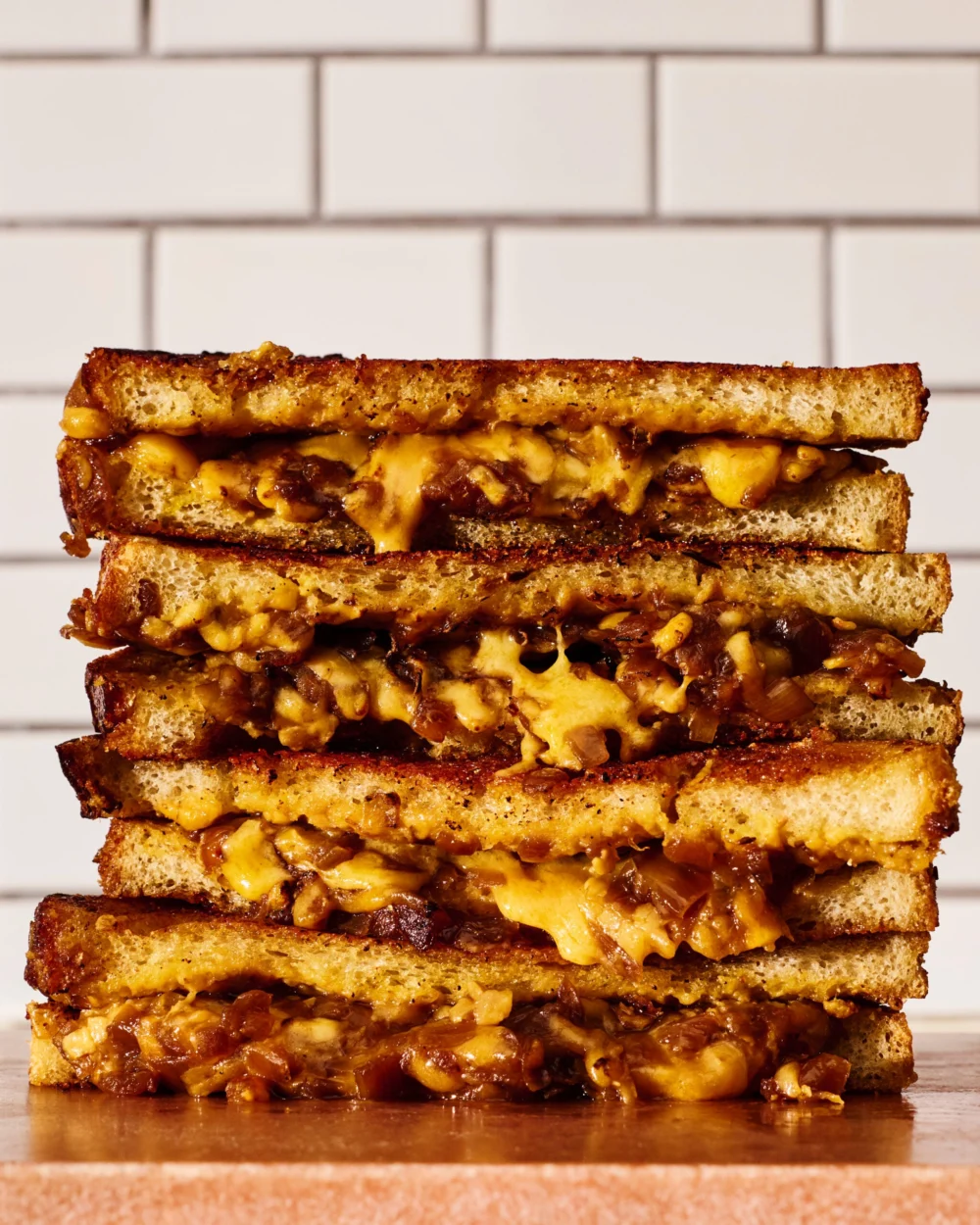
A meticulously detailed recipe for an elevated Marmite and cheddar grilled cheese sandwich has recently surfaced, offering a gourmet twist on a beloved comfort food classic. The instructions, broken down into four distinct steps, outline a precise method for crafting a sandwich that promises a depth of flavor and a satisfyingly crispy exterior. This recipe, appearing to originate from a culinary blog or publication, has garnered attention for its emphasis on specific techniques, from the preparation of a seasoned Marmite butter to the slow caramelization of onions and the precise cooking of the assembled sandwich.
The Art of the Sandwich: A Step-by-Step Culinary Breakdown
The recipe begins with the preparation of a "Marmite butter," a crucial component that infuses the bread with the distinctive umami-rich flavor of the yeast extract. This is achieved by combining softened butter with Marmite "to taste" in a small bowl, stirred until thoroughly blended. This foundational step suggests a deliberate effort to integrate the Marmite’s potent flavor profile directly into the fat, ensuring an even distribution during the grilling process.
The second, and perhaps most labor-intensive, step involves the creation of the sandwich’s filling. It commences with heating a large skillet over medium-high heat, incorporating butter and oil. Sliced onions are then added and coated, with the heat subsequently reduced to medium-low. The onions are cooked, with occasional stirring, for an extended period of 15 to 20 minutes, until they begin to soften and achieve a golden hue. This slow cooking process is indicative of the recipe’s focus on developing complex flavors through caramelization. Following this, Marmite is stirred into the softened onions, and the mixture continues to cook for an additional 5 to 10 minutes until it becomes fragrant and a deep golden brown. This second addition of Marmite, cooked directly with the onions, aims to further intensify the savory notes and create a richer, more concentrated filling. The mixture is then removed from the heat and allowed to cool to room temperature before cheddar cheese is stirred in. The recipe notes that this cheese and onion filling can be refrigerated, covered, for up to a week, suggesting its potential as a make-ahead component for busy home cooks.
The third step focuses on the assembly of the sandwich. Each slice of bread is spread with one teaspoon of mustard, a surprising addition that likely serves to cut through the richness of the Marmite and cheese, adding a subtle tang. The prepared onion and cheese filling is then divided equally between two mustard-coated bread slices, spread evenly. Another slice of bread, mustard-side down, is placed on top. Finally, the exterior of each assembled sandwich is coated with one teaspoon of the pre-made Marmite butter. This layering of flavors – mustard on the inside, Marmite butter on the outside – indicates a thoughtful approach to maximizing the savory impact of the sandwich.
The final step details the grilling of the sandwich. The assembled sandwiches are placed in a large skillet over medium heat, gently pressed down with the back of a spatula. They are cooked for 3 to 4 minutes until golden and lightly toasted. The sandwiches are then flipped, pressed again, and cooked for an additional 2 to 3 minutes on the other side, until toasted and the filling begins to ooze. The recipe concludes with instructions to transfer each sandwich to a plate, cut in half, and serve immediately, emphasizing the importance of enjoying the sandwich at its optimal temperature and texture.
Context and Potential Origins
While the specific origin of this detailed recipe remains unconfirmed, its meticulous nature suggests it may have emerged from a platform dedicated to culinary exploration, such as a food blog, a cooking magazine’s online portal, or even a social media influencer’s channel. The precise measurements and cooking times point towards a recipe that has been tested and refined, aiming for a consistently excellent outcome. The inclusion of a make-ahead option for the filling further indicates a consideration for practical application by home cooks.
The popularity of grilled cheese sandwiches, and the growing trend of elevating classic comfort foods with gourmet ingredients, provide a fertile ground for such a recipe. Marmite, a divisive but beloved British yeast extract, is known for its intense umami flavor, often described as salty, savory, and slightly bitter. Pairing it with mature cheddar cheese, another staple in the grilled cheese pantheon, creates a flavor profile that is both familiar and exciting. The addition of caramelized onions further deepens the savory complexity, transforming a simple sandwich into a more sophisticated dish.
Supporting Data: The Appeal of Umami and Comfort Food
The appeal of recipes like this can be understood through broader culinary trends. The concept of "umami," the fifth basic taste, has gained significant traction in recent years. Marmite is a prime example of a food rich in umami compounds, which are known to enhance the palatability and depth of flavor in dishes. Studies have shown that foods rich in glutamate, a key component of umami, can increase saliva production and stimulate taste receptors, leading to a more satisfying eating experience.
Furthermore, comfort food has experienced a resurgence, particularly in times of uncertainty or stress. The familiarity and nostalgic associations of dishes like grilled cheese provide a sense of security and well-being. This recipe taps into that comfort by taking a well-loved classic and enhancing it with ingredients and techniques that elevate its flavor profile, making it a more indulgent and rewarding experience. The economic factor also plays a role; while gourmet ingredients can be expensive, the fundamental ingredients of this recipe – bread, cheese, onions, butter – are generally affordable, making it an accessible way to enjoy a more luxurious meal.
Potential Reactions and Expert Commentary
Culinary experts and food bloggers are likely to view this recipe as a testament to the ongoing innovation within home cooking. The detailed instructions suggest a recipe developer who understands the nuances of flavor and texture.
Chef Anya Sharma, a proponent of ingredient-driven cooking, might comment, "The slow caramelization of the onions is key here. It’s not just about sweetness; it’s about developing deep, complex savory notes that will complement the intensity of the Marmite. The Marmite butter on the exterior is a stroke of genius, ensuring that every bite, from the crust inwards, is infused with that signature flavor."
Food critic David Chen could add, "This recipe demonstrates a thoughtful approach to layering flavors. The mustard on the inside acts as a crucial counterpoint to the richness, preventing the sandwich from becoming too heavy. It’s a well-balanced composition that respects the traditional grilled cheese while pushing its boundaries."
Home cooks who are fans of Marmite would likely express excitement about a recipe that specifically highlights its use in a savory context, beyond simply spreading it on toast. Conversely, those unaccustomed to Marmite might approach it with curiosity, perhaps even trepidation, given its polarizing reputation. Online forums and social media platforms dedicated to food would likely see discussions about the ideal Marmite-to-butter ratio and the best type of cheddar to use.
Broader Impact and Implications
The existence and dissemination of such detailed recipes have broader implications for the culinary landscape. They contribute to the democratization of gourmet cooking, providing home cooks with the knowledge and techniques previously associated with professional kitchens. The emphasis on specific cooking methods, like slow caramelization and controlled grilling, empowers individuals to experiment and refine their culinary skills.
Furthermore, this recipe highlights the growing appreciation for ingredient-focused cooking. By drawing attention to the specific properties of Marmite and cheddar, and the techniques required to bring out their best qualities, it encourages a more mindful approach to food preparation. The fact that the filling can be made ahead of time also speaks to the evolving needs of modern consumers, who often seek convenient yet high-quality meal solutions.
The potential for this recipe to go viral on social media is significant. Visually appealing food, especially comfort food with a gourmet twist, performs exceptionally well online. If shared with high-quality photography and engaging video content, it could inspire a wave of home cooks to attempt it, further popularizing this specific iteration of the grilled cheese. This, in turn, could lead to increased demand for Marmite and artisanal cheddar cheeses.
Ultimately, this detailed Marmite and cheddar grilled cheese recipe serves as more than just a set of instructions; it represents a culinary philosophy that values depth of flavor, thoughtful execution, and the elevation of everyday dishes into something truly special. It’s a testament to the enduring appeal of comfort food, reimagined for a discerning palate.