admin
admin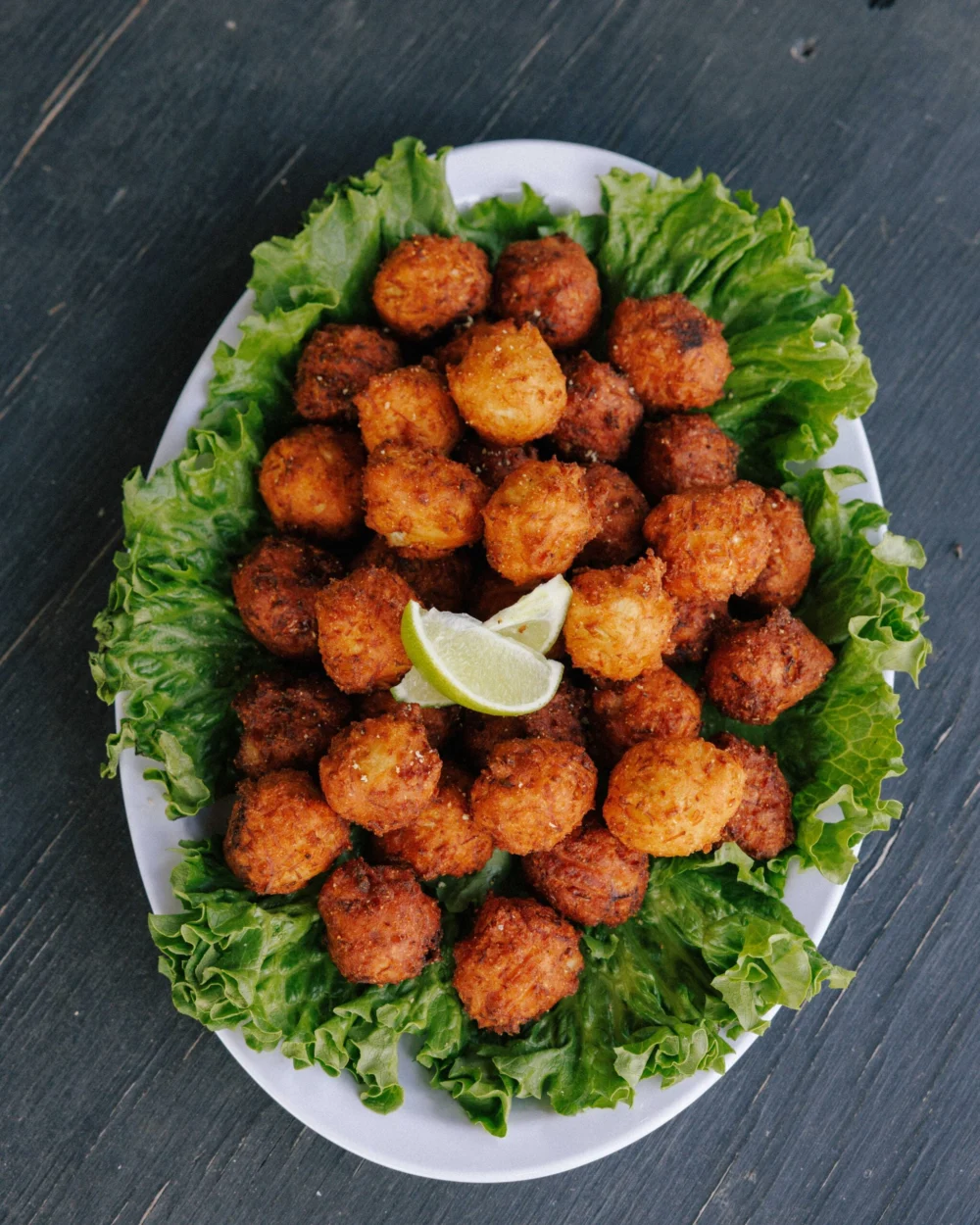
The culinary landscape is experiencing a subtle yet significant shift, with a once-understated ingredient, the hearts of palm, emerging as the star of a new wave of gastronomic innovation. This transformation is most notably embodied in the burgeoning popularity of hearts of palm fritters, a dish that, while seemingly simple, represents a confluence of evolving consumer palates, a growing appreciation for versatile plant-based ingredients, and a renewed focus on accessible yet sophisticated home cooking. What began as a niche offering in certain regional cuisines is now rapidly gaining traction, appearing on menus from casual eateries to fine dining establishments, and inspiring home cooks to explore its potential beyond its traditional applications. This meteoric rise is not an isolated incident but rather a reflection of broader trends in the food industry, signaling a potential paradigm shift in how we perceive and utilize vegetables.
The Genesis of a Gastronomic Darling
The journey of the hearts of palm from a humble, often overlooked canned good to a celebrated culinary centerpiece is a story that spans decades and continents. Native to tropical palm trees, the edible inner core of the palm shoot has been a staple in various indigenous cuisines for centuries. However, its introduction to the global market, primarily through canning, positioned it as a somewhat utilitarian ingredient, often relegated to salads or as a substitute for more expensive seafood. The canned variety, while convenient, often lacked the nuanced texture and delicate flavor that fresh hearts of palm possess. This perception began to change as culinary exploration expanded, and chefs and home cooks alike started to investigate the inherent qualities of this unique vegetable.
The advent of readily available fresh hearts of palm, coupled with a growing demand for plant-based and gluten-free options, created a fertile ground for innovation. The inherent mildness and slightly nutty flavor of hearts of palm, combined with its firm yet tender texture, made it an ideal candidate for absorbing flavors and mimicking the mouthfeel of other ingredients, particularly seafood. This adaptability is a key factor in its current ascendancy.
The Anatomy of a Beloved Fritter
The seemingly straightforward recipe for hearts of palm fritters, as outlined in recent culinary demonstrations and online recipe sharing, belies a sophisticated understanding of flavor and texture. The process begins with the preparation of the hearts of palm themselves. Whether fresh or canned, the initial step involves softening the vegetable. For fresh hearts of palm, this requires a lengthy simmering process, typically 30 to 40 minutes, to achieve the desired tenderness. This crucial step unlocks the vegetable’s subtle sweetness and prepares it for further culinary manipulation. The reserved cooking liquid, a nuanced broth imbued with the essence of the hearts of palm, is a vital component, adding depth and moisture to the final batter.
The subsequent amalgamation of ingredients forms the heart of the fritter’s creation. The tenderized hearts of palm are then combined with the reserved cooking liquid, a source of protein like crab meat (though vegetarian and vegan variations are increasingly prevalent), a binder such as flour, a leavening agent like baking powder to ensure a light and airy texture, and an egg to bind the mixture. Aromatics like onion, and a judicious amount of salt, are incorporated to enhance the overall flavor profile. The gentle tossing of these components is critical, ensuring that the delicate hearts of palm are not pulverized, thus preserving their distinctive texture.
The transformation from batter to fritter is a testament to the art of frying. The immersion in hot oil, maintained at a precise temperature of 375°F (190°C), is a critical juncture. This temperature ensures that the fritters cook through evenly while developing a beautifully crisp, golden-brown exterior. The process is typically executed in batches, with each fritter requiring approximately three minutes of frying, a testament to the efficiency of this cooking method. The mid-fry stir is a subtle but important technique, guaranteeing uniform browning and preventing any single side from becoming overcooked. The final flourish of sprinkling with salt immediately after frying is a simple yet effective way to elevate the flavor and enhance the textural contrast. The serving suggestion of lime wedges, hot sauce, and ketchup speaks to the fritter’s versatility, offering a range of acidic, spicy, and tangy accompaniments that complement its savory profile.
Data-Driven Insights into the Culinary Shift
The rise of hearts of palm fritters is not merely anecdotal; it is supported by observable trends in consumer behavior and market data. According to recent reports from food industry analytics firms, searches for "hearts of palm recipes" have seen a significant year-over-year increase, with a notable surge in queries related to fritters and plant-based alternatives. This indicates a growing consumer curiosity and a proactive engagement with the ingredient.
Furthermore, market research on plant-based food consumption reveals a consistent upward trajectory. Data from organizations like the Plant Based Foods Association (PBFA) highlight the growing demand for versatile plant-based ingredients that can serve as direct substitutes for animal products. Hearts of palm, with its seafood-like texture when prepared appropriately, fits perfectly into this category, appealing to a broad demographic that includes vegetarians, vegans, flexitarians, and even those simply looking to reduce their meat consumption.
The increasing presence of hearts of palm products in mainstream grocery stores, beyond the specialty aisles, is another indicator of its growing acceptance. This accessibility further fuels consumer experimentation and recipe development. The global market for hearts of palm is projected to continue its growth, driven by health consciousness and the increasing adoption of plant-forward diets. This economic validation underscores the legitimacy of the culinary trend.
Voices from the Culinary Frontier
Chefs and restaurateurs have been instrumental in elevating the hearts of palm from a supporting role to a starring one. Chef Anya Sharma, proprietor of "The Verdant Table," a critically acclaimed plant-based restaurant, noted, "We’ve been experimenting with hearts of palm for years. Its ability to mimic the texture of crab or scallops is uncanny, but it also has its own beautiful, delicate flavor that we wanted to showcase. The fritter format is perfect because it allows for that delightful crunch on the outside and a tender, moist interior." Sharma’s establishment has seen a consistent demand for their hearts of palm "crab" cakes, a testament to the dish’s broad appeal.
Across the country, at "Salt & Vine," a popular seafood-focused bistro, Executive Chef Marco Rossi has introduced a seasonal hearts of palm fritter. "Initially, it was a way to offer a plant-based alternative that still felt indulgent and satisfying," Rossi explained. "But the feedback has been overwhelmingly positive. People are genuinely surprised by how delicious and versatile hearts of palm are. It’s become one of our most talked-about appetizers, and it’s encouraging us to explore more innovative uses for plant-based ingredients."
Home cooks are also embracing the trend, with social media platforms abuzz with shared recipes and visual representations of these culinary creations. Food bloggers and influencers have played a significant role in democratizing the recipe, making it accessible and inspiring for a wider audience. The ease with which the fritters can be prepared, coupled with the relatively affordable cost of the ingredients, makes it an attractive option for everyday cooking.
Broader Implications: Sustainability, Health, and Culinary Innovation
The ascendancy of hearts of palm fritters carries broader implications that extend beyond mere culinary fashion. From a sustainability perspective, the cultivation of hearts of palm can be more environmentally friendly than traditional livestock farming, often requiring less land and water. As consumers become increasingly conscious of their environmental footprint, ingredients that align with sustainable practices are gaining favor.
Nutritionally, hearts of palm are a good source of fiber, potassium, and several B vitamins. When prepared as fritters, they offer a satisfying alternative to traditional protein sources, particularly for individuals seeking to reduce their intake of animal products without sacrificing flavor or texture. The ability to adapt the fritter recipe to be gluten-free, by using alternative flours, further broadens its appeal to those with dietary restrictions.
The continued exploration of ingredients like hearts of palm signifies a maturing of the culinary industry. It suggests a move away from reliance on a limited palette of "staple" ingredients towards a more creative and inclusive approach to food. This culinary evolution not only enriches our dining experiences but also promotes a more mindful and sustainable relationship with food production and consumption. The humble hearts of palm, once overlooked, has firmly established its place as a versatile and celebrated ingredient, heralding a new era of plant-forward culinary innovation. The trajectory suggests that this is not a fleeting trend but a lasting shift in our gastronomic preferences, with the hearts of palm fritter serving as a delicious emblem of this exciting transformation. The ongoing research and development in agricultural practices related to palm cultivation, coupled with continued culinary experimentation, will likely ensure that this versatile vegetable remains a significant player in the food landscape for years to come. The story of the hearts of palm fritter is, in essence, a microcosm of a larger movement towards more inventive, health-conscious, and environmentally aware eating.