admin
admin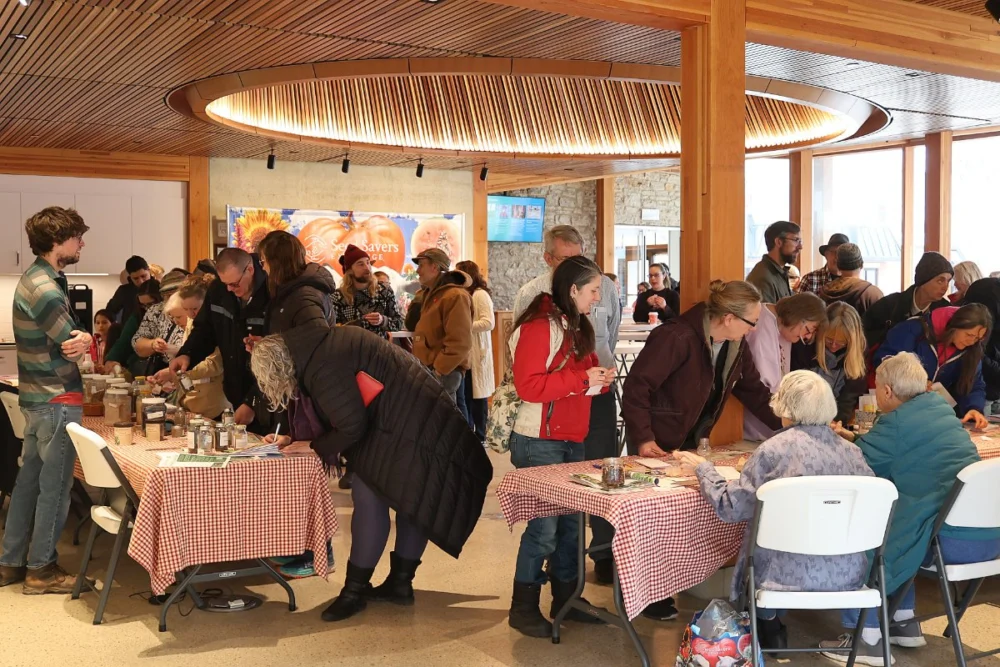
On the last Saturday in January, the Vesterheim Norwegian-American Museum in Decorah, Iowa, transformed into a vibrant hub of agricultural exchange, hosting an annual seed swap that underscored a growing national movement. Organized by Natalie Aird, inventory coordinator, and Josie Flatgard, exchange coordinator, both representing the renowned Seed Savers Exchange, the event brought together a diverse assembly of farmers, experienced gardeners, curious newcomers, and excited children. Tables laden with a rich tapestry of open-pollinated and heirloom seeds – from grayish-brown French Breakfast radish seeds and arrow-shaped Prairie Blazing Star wildflowers to a large jar of pink-speckled Mayflower bean seeds – served as a tangible testament to the nation’s burgeoning commitment to seed stewardship. As attendees arrived, stamping snow from their boots, they eagerly contributed their own treasured seeds: spiky marigolds, glossy multi-colored flint corn, flat squash seeds, and tiny round broccoli seeds, each packet a miniature repository of genetic heritage and a story waiting to be shared.
The Vanishing Garden: A Crisis of Seed Diversity
This communal exchange, replicated in hundreds of communities across the United States each winter and spring, is far more than a simple transaction; it is a critical bulwark against a profound crisis in agricultural biodiversity. For millennia, human civilization has relied on the careful cultivation and saving of seeds, a practice that fostered an astonishing array of plant varieties adapted to diverse climates and culinary traditions. Farmers and gardeners were the primary custodians of this genetic wealth, meticulously selecting and propagating seeds that performed best in their specific local environments.
However, the advent of industrial agriculture in the 20th century, particularly after the 1930s and accelerating with the Green Revolution, heralded a dramatic shift. The focus turned to maximizing yield and uniformity through the widespread adoption of hybrid varieties. While hybrids offered initial benefits in terms of predictable performance and disease resistance, they came at a steep cost: a drastic reduction in genetic diversity. Unlike open-pollinated varieties, F1 hybrids do not produce "true to type" offspring in subsequent generations, effectively compelling farmers and gardeners to purchase new seeds annually from commercial suppliers. This economic model, combined with consolidation within the seed industry, led to a rapid narrowing of the genetic base of our food supply. Disturbing estimates indicate that the United States lost an astonishing 93 percent of its seed diversity between 1903 and 1983. This immense genetic erosion has left modern agriculture vulnerable, as a limited gene pool makes crops more susceptible to new pests, diseases, and the escalating challenges of climate change.
Ira Wallace, a revered figure often called "the godmother of Southern seeds" and a member of Southern Exposure Seed Exchange, articulated this concern succinctly. "Seed swaps are one of the activities that pulls people back into maintaining seeds themselves and not having all the controls be by big multinational companies offering a more limited range of what type of seeds and food is available to you," Wallace emphasized. Her statement highlights the profound implications of corporate dominance over seed stock, which not only limits choice but also concentrates power, potentially jeopardizing food security and local agricultural autonomy.

A Movement Takes Root: The Rise of Seed Saving Initiatives
In response to this alarming decline, a grassroots movement dedicated to preserving and promoting agricultural biodiversity began to emerge. Organizations like the Seed Savers Exchange, founded in 1975, and Southern Exposure Seed Exchange, established in 1982, were instrumental in cataloging, preserving, and distributing rare and endangered open-pollinated and heirloom varieties. These pioneering efforts laid the groundwork for a broader public engagement in seed saving.
The concept of community seed swaps gained significant traction as a practical and accessible way to decentralize seed conservation. National Seed Swap Day, observed on the last Saturday in January, exemplifies this growing enthusiasm. While its precise origin as a formally designated day is relatively recent, the tradition of sharing seeds amongst neighbors and communities dates back centuries. The modern National Seed Swap Day serves as a focal point, encouraging widespread participation and drawing attention to the importance of seed diversity at the start of the planting season. This annual event has become a catalyst for hundreds of smaller, local swaps, fostering a network of seed stewards across diverse geographic and demographic landscapes.
Guardians of Genetic Heritage: The Power of Open-Pollinated and Heirloom Seeds
At the heart of the seed swap movement lies a deep appreciation for open-pollinated and heirloom seeds, distinct categories that are crucial for maintaining agricultural diversity. Open-pollinated seeds are those that are pollinated naturally by insects, birds, wind, or human hands, without controlled cross-breeding. Crucially, if properly isolated and managed, these seeds produce offspring that are genetically stable and "true to type," meaning they will yield plants with characteristics identical to the parent plant. This predictability allows gardeners and farmers to save seeds from their harvests year after year, perpetuating desirable traits and adapting varieties to local conditions.
Heirloom seeds are a special subset of open-pollinated varieties. They are distinguished by their history of being passed down through generations within a family or community, often for 50 years or more. These seeds carry not just genetic material but also cultural narratives, culinary traditions, and a proven track record of resilience and flavor. The ‘Angelica’s Little Diablo’ pepper offers a compelling example. Originating in Oaxaca, Mexico, where Angelica’s family cultivated it for over a century, these spicy pepper seeds were brought to the United States in the 1970s. After being shared with gardener Norma Ortiz, they were eventually donated to the Seed Savers Exchange around 2020, ensuring their proliferation in home gardens and their continued legacy. Similarly, Southern Exposure Seed Exchange’s flagship tomato, ‘Radiator Charlie’s Mortgage Lifter,’ embodies resilience and ingenuity. Bred by M.C. Byles in the 1930s, this variety helped him pay off his mortgage by selling seedlings in the 1940s, cementing its place in horticultural history. Such stories underscore the profound cultural and historical value embedded within each heirloom seed.

Cultivating Community: More Than Just a Swap
Beyond their role in genetic preservation, seed and plant swaps serve as powerful engines for community building and knowledge exchange. These events often require no prior contribution from participants, making them exceptionally welcoming for beginners. Flatgard and Aird from Seed Savers Exchange deliberately ensure a wide array of popular, easy-to-save crops like beans, tomatoes, cucumbers, squash, and radishes are available, specifically to encourage new gardeners. "It’s so cool to see people nerd out about seeds," Aird remarked, highlighting the infectious enthusiasm these events generate, particularly among younger participants. She recounted helping a young family new to seed-saving eagerly select cowpeas—a delicious, drought-tolerant, and easy-to-grow legume—to start their journey. This initial interaction often blossoms into deeper engagement, as evidenced by the same family returning to a later swap, proudly sharing the cowpea seeds they had saved. "It was a full-circle moment. This is the whole point of us sharing the seeds: So people can grow them out, enjoy them, and then bring the extras to share," Flatgard observed, encapsulating the reciprocal spirit of the movement.
These gatherings facilitate the direct transfer of invaluable knowledge that often gets lost in commercial agriculture. Gardeners share growing tips, recipes, and personal stories associated with their seeds, creating a rich tapestry of localized agricultural wisdom. This informal education is particularly vital for urban communities and younger generations disconnected from traditional farming practices, fostering a deeper understanding of food origins and ecological cycles.
Sowing the Seeds of Change: How to Organize a Successful Swap
The beauty of the seed swap movement lies in its accessibility; anyone can initiate a successful event in their community. Seed Savers Exchange and Southern Exposure Seed Exchange, with their vast experience, actively encourage grassroots efforts.
-
Securing Your Seed Stock: Organizers should begin by reaching out to local seed companies, gardening clubs, or existing seed-saving groups in the fall or early winter. Many such entities are willing to donate surplus open-pollinated seeds or send speakers to offer presentations on the fundamentals of seed saving. Ira Wallace emphasized the educational component: "I like to arrange it so that someone at the beginning talks a bit about seed saving and how it can give you personal independence and the possibility of carrying family heirlooms into the future." Additionally, local nurseries or community garden programs can be valuable partners for plant and seed donations. Any surplus seeds or plants at the end of an event can be donated to community gardens or sustainable agriculture nonprofits, extending their impact.

-
Finding a Welcoming Venue: Community organizations are often keen to host events that benefit their constituents. Libraries, churches, farmers’ markets, food co-ops, master gardener groups, community gardens, and agricultural organizations are ideal locations. Large institutions like the Vesterheim Norwegian-American Museum or Seed Savers Heritage Farm offer ample space, as do partnerships with public broadcasting stations, like the one Seed Savers Exchange maintains with PBS Wisconsin for a Madison swap. Smaller, more intimate settings can also foster a strong sense of community. Resources for organizing a swap, including detailed guides, are available on the websites of Seed Savers Exchange and Southern Exposure Seed Exchange, as well as in seminal books like Seed to Seed by Suzanne Ashworth and Seedswap: The Gardener’s Guide to Saving and Swapping Seeds by Josie Jeffery.
-
Establishing Clear Guidelines: To ensure a positive and productive event, clear guidelines are paramount. While formats can vary—some swaps involve participants directly engaging with their seeds, others offer a more open browsing experience—the types of seeds and plants accepted should be clearly communicated. Seed Savers Exchange, for instance, encourages open-pollinated, locally saved, excess purchased, and donated seeds. Conversely, they advise against bringing illegal, genetically engineered (GE), F1 hybrids, poisonous, noxious, controlled, patented, or unknown seeds from volunteer plants. This ensures the integrity of the genetic pool and prevents the spread of undesirable or harmful species. F1 hybrids, while common commercially, do not breed true, negating the purpose of saving seeds for future generations. Noxious weeds, often non-native and invasive, can displace native flora and cause ecological harm. These rules should be prominently displayed on promotional materials and reiterated verbally at the event.
-
Effective Outreach and Promotion: Once the logistical framework is in place, promoting the event is crucial. Announcing the swap at least a month in advance allows participants ample time to prepare their contributions. Leveraging community partners’ social media networks, posting on local Facebook groups, and utilizing traditional flyers in food co-ops, health food stores, libraries, and community bulletin boards can ensure broad reach. Timing is also key: winter swaps are ideal for seeds that require early starts, like peppers and tomatoes, while spring swaps are better suited for plants ready for immediate transplanting.
-
Creating an Engaging Event Environment: The physical setup of the swap should be conducive to both education and interaction. If a presentation or educational session is planned, ensure adequate space and seating. Simultaneously, allow for comfortable movement around the seed tables, encouraging casual conversation and exchange. Incorporating snacks and drinks, perhaps in a potluck style, can further foster a relaxed atmosphere, encouraging participants to linger, connect, and share over food.
-
Fostering Lasting Connections: An annual, reliably scheduled swap can become a cornerstone of a thriving plant community. Consistent events encourage individuals to actively save seeds throughout the growing season, knowing they will have a venue to share their bounty. This continuity is vital for nurturing a long-term culture of seed stewardship and ensures that the genetic legacy of heirloom varieties continues to flourish.
Broader Implications: Resilience in a Changing World

The proliferation of community seed swaps carries profound implications for the future of food systems and ecological resilience. By safeguarding diverse seed varieties, these initiatives directly contribute to global food security. A broader genetic base allows for the development of crops more resistant to emerging diseases, pests, and the erratic weather patterns exacerbated by climate change. Heirloom varieties, often selected over generations for their specific adaptations, can offer crucial traits like drought tolerance or flood resistance that are invaluable in a rapidly changing environment.
Moreover, seed swaps decentralize control over agriculture, empowering individuals and communities to become active participants in their food supply. This shift away from corporate reliance fosters economic independence for gardeners and small farmers, reducing input costs and increasing local food sovereignty. The cultural dimension is equally significant; by preserving heirloom seeds, communities protect the intangible heritage associated with food, stories, and traditional practices. This collective act of stewardship builds stronger, more connected communities, fostering a shared sense of responsibility for the natural world.
Looking Ahead: The Future of Seed Stewardship
The enthusiasm witnessed at the Vesterheim Norwegian-American Museum is a microcosm of a much larger, vibrant movement gaining momentum across the United States. As awareness of agricultural biodiversity loss grows, and as communities seek greater resilience in the face of environmental and economic uncertainties, seed and plant swaps are poised to play an increasingly vital role. They are not merely events for exchanging seeds; they are powerful platforms for education, community engagement, and the preservation of a shared natural and cultural heritage. By fostering these invaluable exchanges, individuals and communities are collectively ensuring that the rich tapestry of plant life, and the knowledge to cultivate it, will endure for generations to come.