admin
admin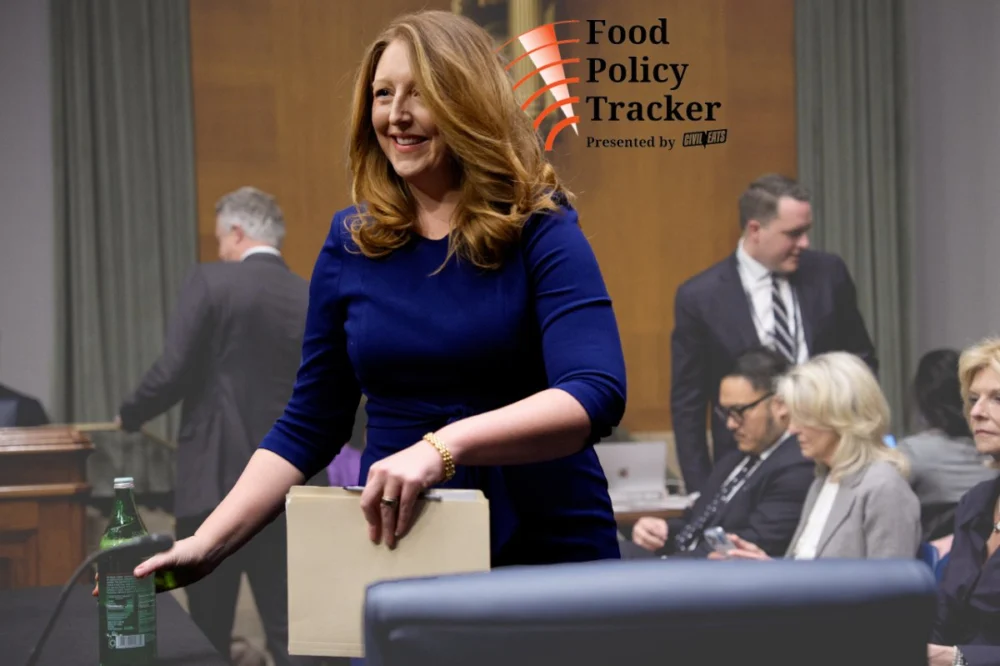
Dr. Casey Means, President Donald Trump’s nominee for U.S. Surgeon General, underwent a rigorous confirmation hearing before the Senate Committee on Health, Education, Labor and Pensions (HELP) on Wednesday, February 26, 2026, where she committed to leveraging the influential office to issue strong public warnings about the pervasive dangers of ultra-processed foods. Her testimony, however, also brought to the forefront her controversial stances on vaccines and birth control, signaling a potentially transformative, yet divisive, tenure should she be confirmed.
A New Focus for the Nation’s Top Doctor
The confirmation hearing for the Surgeon General nominee typically scrutinizes a candidate’s medical qualifications, public health philosophy, and alignment with the administration’s broader health agenda. Dr. Means, a prominent health entrepreneur and proponent of lifestyle medicine, articulated a vision centered on combating chronic disease through dietary reform. She unequivocally stated her intention to make ultra-processed foods a primary target of her public health messaging. "I think you’ll be frustrated by how much I will be talking about ultra-processed foods," Means told senators, underscoring her commitment to this issue. This focus marks a significant departure from the priorities of many previous Surgeons General, who have historically addressed issues like smoking, HIV/AIDS, and mental health.
The scientific consensus increasingly points to a strong correlation between the consumption of ultra-processed foods and a range of adverse health outcomes, including obesity, type 2 diabetes, cardiovascular disease, and certain cancers. Data from the Centers for Disease Control and Prevention (CDC) consistently show alarming rates of these conditions in the United States, with over 42% of American adults classified as obese and more than 37 million living with diabetes. A 2023 study published in the American Journal of Clinical Nutrition revealed that ultra-processed foods constitute nearly 60% of the average American’s daily caloric intake, a figure that Dr. Means and her supporters frequently cite as a national health crisis. Her proposed public health campaign would likely involve consumer education initiatives, similar to past efforts to reduce tobacco use, highlighting the hidden sugars, unhealthy fats, and artificial additives prevalent in these products.
The "Make America Healthy Again" Movement and Its Ascendancy
Dr. Casey Means is widely recognized as a leading voice within the "Make America Healthy Again" (MAHA) movement, a health advocacy initiative that champions a holistic approach to wellness, emphasizing diet, lifestyle, and environmental factors as primary determinants of health. The movement, co-founded with her brother, Calley Means, who currently serves as a senior adviser for the Department of Health and Human Services, advocates for a paradigm shift away from what it views as an overreliance on pharmaceutical interventions and towards "root cause" medicine.
The MAHA philosophy often critiques the influence of large pharmaceutical and food industries on public health policy and individual health choices. Calley Means, in various public appearances and writings, has been a vocal critic of the healthcare system’s incentives, arguing that it often prioritizes treatment over prevention. If confirmed, Casey Means would wield the considerable authority of the Surgeon General’s office to elevate MAHA’s core tenets to a national platform, potentially reshaping the public discourse on health and wellness. This alignment with a specific health movement, rather than solely relying on established public health institutions, represents a novel approach for the Surgeon General’s role.
A Contentious Nomination: Vaccines and Birth Control
While Dr. Means’ strong stance on ultra-processed foods garnered some bipartisan interest, her views on other critical public health issues proved more contentious during the HELP Committee hearing. Democratic senators, in particular, pressed her on previously expressed concerns regarding vaccine safety and efficacy. During questioning, Dr. Means notably declined to outright reject disproved claims suggesting a link between vaccines and autism. This hesitation immediately drew sharp criticism from committee Democrats, who emphasized the overwhelming scientific consensus, reaffirmed by bodies like the World Health Organization (WHO), that such claims are baseless. The WHO’s expert group analysis in December 2025 specifically reiterated that there is no causal link between vaccines and autism.
Public health experts and medical associations have long stressed the importance of widespread vaccination for preventing infectious diseases and maintaining herd immunity. A Surgeon General who expresses skepticism about established vaccine science could, critics argue, undermine public trust in crucial health interventions and potentially contribute to vaccine hesitancy, a growing concern for global health security. The National Institutes of Health (NIH) and the CDC have consistently championed vaccination as one of the most effective public health tools in history, eradicating diseases like smallpox and significantly reducing the incidence of others like polio and measles.
Democrats also raised concerns about a 2024 appearance Dr. Means made on the Tucker Carlson Show, where she controversially claimed that birth control pills are prescribed "like candy." This statement sparked apprehension among reproductive health advocates and medical professionals, who view access to contraception as a fundamental component of women’s health and reproductive autonomy. Organizations like Planned Parenthood and the American College of Obstetricians and Gynecologists (ACOG) advocate for comprehensive reproductive healthcare, including readily available and affordable birth control, citing its role in family planning, maternal health, and managing various medical conditions. Means’ remarks were interpreted by some as dismissive of the medical necessity and societal benefits of contraception, raising questions about her broader approach to women’s health policy.
Dietary Guidelines and Economic Realities
A key component of Dr. Means’ "vision" for the Surgeon General’s role is to promote "whole, healthy foods" and reshape federal nutrition programs to increase access. She expressed strong support for the latest Dietary Guidelines for Americans, released in January 2026 by the Trump administration, which emphasize animal protein and dairy. Means suggested these guidelines would be instrumental in achieving her goal of getting more nutritious foods on Americans’ plates.
However, critics quickly pointed out the significant economic hurdles that many Americans face in adhering to such guidelines. A report published in late January 2026 highlighted that food prices had continued to increase during the Trump administration’s first year, making whole, unprocessed foods often prohibitively expensive for low-income families. Food security advocates and organizations like Feeding America frequently underscore the challenge of affording nutrient-dense foods in a landscape where highly processed, calorie-dense, but nutrient-poor options are often cheaper and more accessible. The concept of "food deserts," areas where access to affordable and healthy food is limited, remains a persistent issue across the nation. Critics argue that without addressing the systemic economic barriers and inequities in the food system, simply promoting "healthy foods" risks widening existing health disparities.
The Surgeon General’s "Bully Pulpit": Historical Context and Future Potential
The U.S. Surgeon General, often referred to as "the Nation’s Doctor," does not direct policy in the legislative sense but serves as the leading spokesperson and authority on public health matters. The office carries significant moral authority and the power of the "bully pulpit" to inform and influence public opinion. The most famous example is Dr. Luther Terry, Surgeon General from 1961 to 1965, who issued the groundbreaking 1964 report on smoking and health, unequivocally linking cigarette smoking to lung cancer and other diseases. This report ignited a national anti-smoking campaign that fundamentally reshaped public health policy and social norms around tobacco use.
Nutritionist and author Marion Nestle, a member of the Civil Eats advisory board, noted that few Surgeons General have prioritized food policy or specifically targeted ultra-processed foods. "The surgeon general has a fabulous opportunity to push the ‘Eat real food, limit ultra-processed food’ message," Nestle told Civil Eats, emphasizing the potential for Means to make a significant impact. However, Nestle cautioned that the true test would be whether Means could sustain this message and translate her advocacy into meaningful public health initiatives, particularly given the powerful economic interests of the ultra-processed food industry.
The unique nature of Dr. Means’ nomination lies in her blend of a strong, almost activist, stance on diet and lifestyle, coupled with views on other medical issues that diverge from established public health consensus. Her potential tenure could mark a period where the Surgeon General’s office becomes a more visible and vocal advocate for specific dietary principles, akin to how previous Surgeons General tackled major public health scourges.
Pesticides and Agricultural Policy: A Balancing Act
Beyond dietary concerns, senators also probed Dr. Means on her stance regarding pesticide use in American agricultural systems, an issue with significant implications for both public health and the economy. Dr. Means has previously been critical of pesticide use, particularly advocating for more sustainable farming practices. However, during the hearing, she appeared to temper her approach, acknowledging the complexities of agricultural production. "I have the utmost respect for the American farmer," Means stated, adding, "Obviously changing anything overnight would be devastating to the American farmer and the American consumer."
This softened position aligns with broader administration directives. Health Secretary Robert F. Kennedy Jr. took a similar stance following President Trump’s executive order in February 2026, which directed the USDA to boost domestic production of glyphosate, a widely used herbicide. Glyphosate has been the subject of intense debate regarding its potential health impacts, with some international bodies classifying it as a probable human carcinogen, while regulatory agencies like the U.S. Environmental Protection Agency (EPA) maintain it is safe when used as directed.
Dr. Means indicated that the administration is committed to investigating the cumulative impacts of chemical exposures, including pesticides and herbicides, on human health. This commitment suggests a more nuanced approach than outright condemnation, possibly seeking to balance environmental and health concerns with the economic realities faced by farmers. The agricultural sector is a powerful lobby, and any significant shift in policy regarding pesticides would require careful navigation to avoid alienating a key constituency while addressing legitimate public health concerns.
The Path Forward
Dr. Means’ nomination will first face a vote from the Senate Committee on Health, Education, Labor and Pensions. If approved by the committee, it will then proceed to a full Senate vote for final confirmation. The timeline for these votes remains unclear, but the hearing has clearly established the parameters of the debate surrounding her candidacy.
The implications of Dr. Means’ potential confirmation are far-reaching. Her emphasis on ultra-processed foods could catalyze a national conversation about dietary choices, potentially influencing everything from school lunch programs to food labeling regulations and advertising standards. However, her controversial positions on vaccines and birth control risk alienating segments of the medical community and public health organizations, potentially creating divisions within the very institutions she would lead. Her tenure, if realized, promises to be a dynamic period for public health, marked by an unprecedented focus on food as medicine, but also by intense scrutiny over the scientific basis of her advice and her ability to unite rather than divide the nation on critical health issues.