admin
admin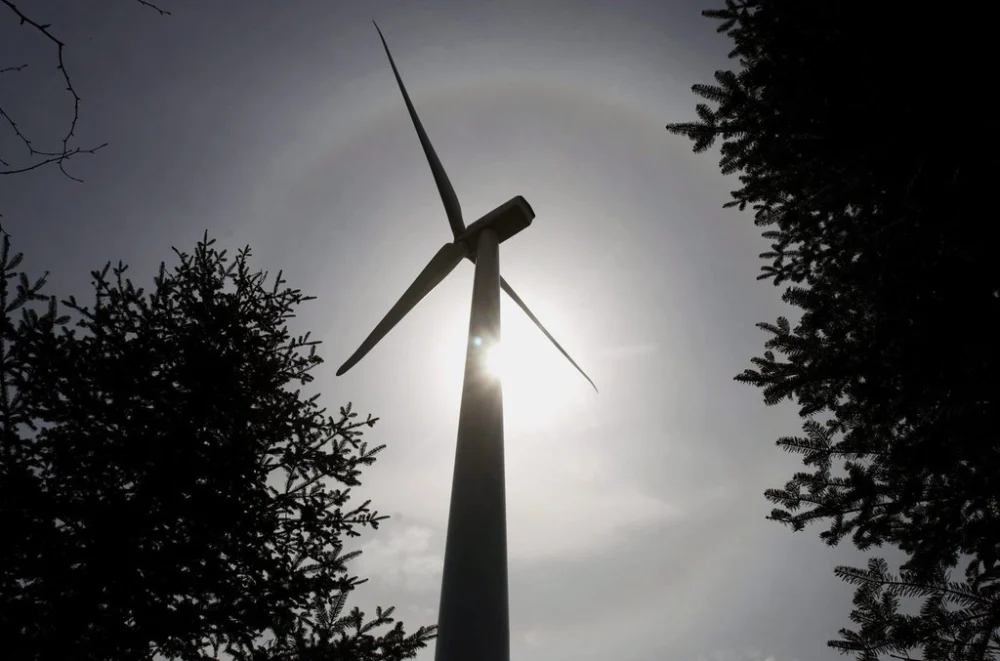
EverWind Fuels, a leading clean energy developer, has successfully secured $240 million in financing to advance the construction of onshore wind farms and an associated green hydrogen and ammonia production facility in Nova Scotia. This landmark investment, backed by a significant ownership stake from local First Nations, positions the project as the first of its kind in Atlantic Canada, aiming to become a crucial component in the global energy transition. The capital infusion, provided by New York-based investment manager Nuveen Infrastructure Credit, marks a pivotal moment for the region’s burgeoning green economy and Canada’s ambitions as a clean hydrogen exporter.
Project Vision and Scale: A Multi-Phase Green Energy Hub
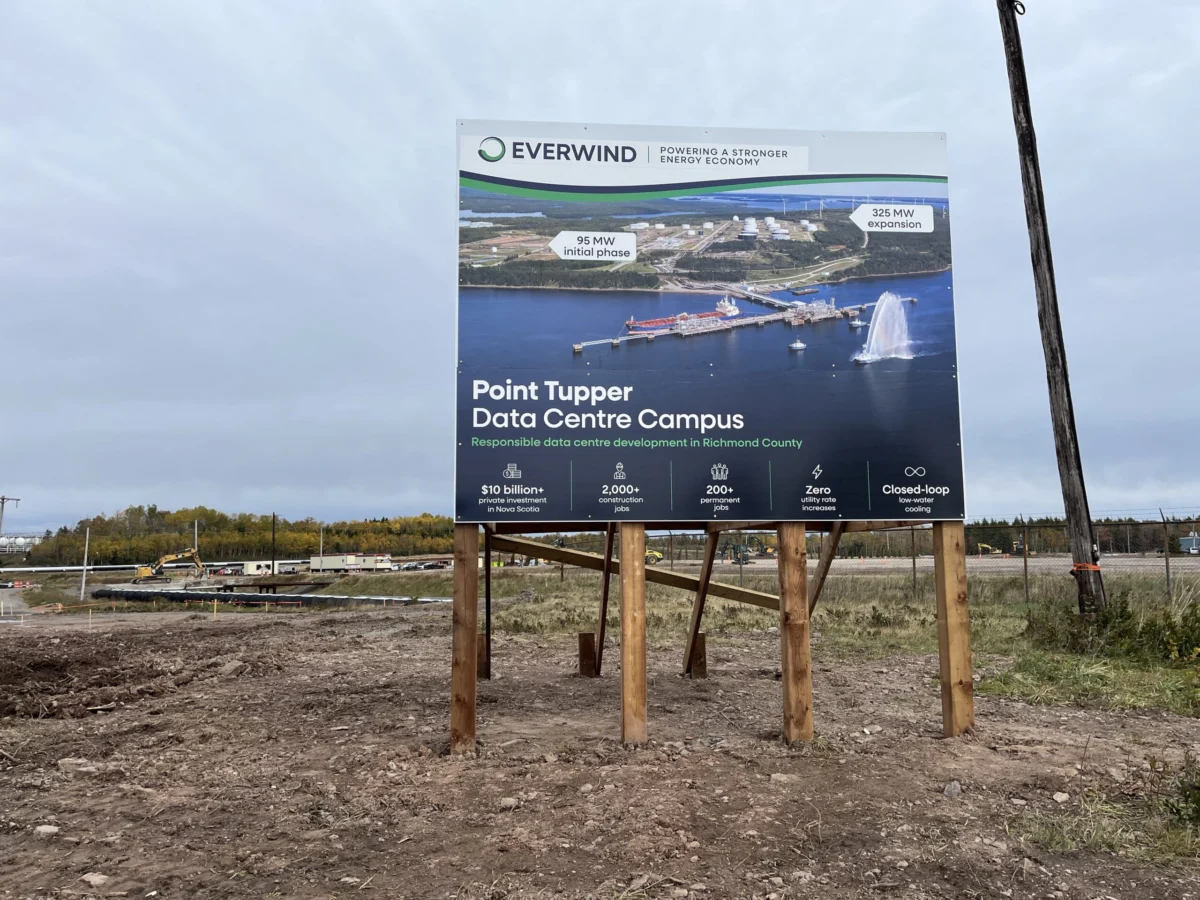
The financing will propel the initial phase of EverWind’s ambitious project, centered around the development of wind turbines designed to power a state-of-the-art hydrogen and ammonia plant located in Point Tupper, Richmond County, Cape Breton. According to Trent Vichie, CEO of EverWind Fuels, this first phase encompasses four distinct wind turbine projects strategically located across Nova Scotia, collectively boasting a capacity to generate more than 650 megawatts (MW) of clean electricity. This output is sufficient to power approximately 200,000 homes, underscoring the project’s substantial contribution to renewable energy generation within the province.
The electricity generated by these wind farms will be seamlessly integrated into the provincial power grid before being directed to EverWind’s Point Tupper facility. The project timeline anticipates the first flow of wind energy by 2028, with the hydrogen and ammonia plant expected to commence operations a few years thereafter. Upon completion of Phase 1, the facility is projected to produce approximately 200,000 tonnes of clean ammonia annually. Ammonia serves as a highly efficient and widely accepted carrier for shipping hydrogen over long distances, making it an ideal medium for international export.
Looking beyond the initial stage, EverWind has outlined plans for a second phase, which will include the addition of another wind farm and a dedicated transmission line. This expansion is projected to significantly boost the plant’s output, adding an estimated 800,000 tonnes of ammonia production per year. The cumulative investment for the first phase alone is anticipated to exceed $2 billion, signifying a monumental commitment to renewable energy infrastructure in the region. Among the key components of Phase 1 is the 47-turbine Windy Ridge project, located approximately 30 kilometers northwest of Truro, N.S., where land-clearing activities have already commenced.
The Green Hydrogen Imperative: Decarbonizing Global Energy
The EverWind project is deeply embedded within a broader global shift towards decarbonization, with green hydrogen emerging as a critical tool for achieving net-zero emissions. Green hydrogen is produced through the electrolysis of water, powered exclusively by renewable energy sources such as wind or solar. This process yields hydrogen with virtually no carbon emissions, making it a sustainable alternative to traditional "grey" hydrogen, which is typically derived from natural gas through carbon-intensive processes.
The strategic importance of green hydrogen lies in its versatility. It can be used as a clean fuel in hard-to-abate sectors like heavy industry (steel, cement production), long-haul transportation (shipping, aviation, heavy-duty trucking), and as a feedstock for chemicals and fertilizers. Many nations, including Canada, have developed national hydrogen strategies to capitalize on its potential. Canada’s National Hydrogen Strategy, launched in 2020, outlines a vision for Canada to become a global leader in the production, utilization, and export of clean hydrogen, leveraging its abundant renewable energy resources.
Atlantic Canada, in particular, possesses a unique confluence of advantages that make it an ideal hub for green hydrogen production. Its vast onshore and offshore wind resources provide a consistent and powerful source of renewable electricity. Coupled with deep-water ports offering direct shipping routes to European markets, the region is strategically positioned to serve international demand for clean energy. The EverWind project, therefore, is not merely a local initiative but a foundational element of Canada’s broader clean energy export strategy.
A Landmark Indigenous Partnership: Economic Reconciliation and Stewardship

A defining feature of the EverWind project is its profound partnership with local First Nations. An Indigenous consortium, spearheaded by Cape Breton’s Membertou First Nation, holds a controlling 51 percent ownership stake in the first phase of the wind portfolio. The Paqtnkek and Potlotek First Nations are also integral partners in this groundbreaking venture. This level of Indigenous ownership represents a significant stride towards economic reconciliation and self-determination within major energy infrastructure projects.
Membertou Chief Terry Paul articulated the profound significance of this collaboration, stating, "This financing marks a significant step forward in delivering clean energy projects that Indigenous communities are helping lead and shape. It signals confidence in the strength of the partnership, the quality of the work completed to date and the long-term vision behind these developments." Chief Paul further emphasized that for Membertou, this participation extends beyond mere economic gain. It is about "creating enduring economic opportunity while ensuring projects are developed with care, accountability and respect for Mi’kma’ki (traditional lands)." This commitment reflects a deeper philosophy of environmental stewardship and sustainable development that aligns with Indigenous traditional knowledge and values.
This partnership serves as a powerful model for future resource development, demonstrating how meaningful Indigenous engagement and ownership can foster more equitable and sustainable outcomes. It moves beyond consultation to true collaboration, empowering First Nations communities to be active decision-makers and beneficiaries in projects that directly impact their territories and futures.
Strategic Financing and Investor Confidence: Nuveen’s Role
The securing of $240 million in financing from Nuveen Infrastructure Credit underscores the growing confidence of major institutional investors in the green energy sector, particularly in projects that integrate renewable electricity with hydrogen production. Nuveen, a prominent investment manager with a global portfolio valued at US$1.4 trillion, brings significant expertise and financial clout to the project.
Trent Vichie described the financing as "structured financing," a complex financial instrument often tailored to specific project needs and designed to manage credit risk. While specific details were not disclosed, Vichie noted that the financing exhibits "debt- and equity-like characteristics." Such arrangements typically involve a combination of loans and equity-like investments, providing flexibility while ensuring robust capital deployment for large-scale infrastructure. The involvement of an investor of Nuveen’s stature sends a strong signal to the market regarding the viability and attractiveness of EverWind’s vision and the broader green hydrogen economy. It highlights a maturing investment landscape where sustainable infrastructure is increasingly seen as a sound, long-term asset class.
Forging the Canada-Germany Hydrogen Corridor: International Collaboration
The EverWind project is a tangible manifestation of a strategic international partnership between Canada and Germany aimed at diversifying Europe’s energy supply and accelerating global decarbonization efforts. The genesis of this collaboration dates back to August 2022, when former Canadian Prime Minister Justin Trudeau and former German Chancellor Olaf Scholz signed a joint declaration of intent in Stephenville, Newfoundland. This agreement committed both nations to working together on hydrogen development, with a clear objective of lessening Germany’s dependence on Russian energy following the invasion of Ukraine.
Further solidifying this commitment, the European Union announced in January a pledge of 200 million euros to support the production of renewable hydrogen and its derivatives in Canada. This significant financial commitment is designed to unlock matching funds from the Canadian government, creating a robust framework for Canadian suppliers to export clean fuels to Germany. The EU projects that the hydrogen fuel supplied through this initiative could lead to a reduction of almost 2.5 million tonnes of carbon dioxide in the atmosphere, highlighting the substantial environmental benefits.
To facilitate these exports, auctions for Canadian hydrogen suppliers seeking rights to supply Germany are scheduled for 2027, with up to 300 MW of capacity on offer. The procured hydrogen will then be auctioned off to German buyers, establishing a structured pathway for trade. EverWind’s project, with its significant production capacity and strategic location, is ideally positioned to become a key player in this nascent Canada-Germany hydrogen corridor, contributing directly to Germany’s energy security and climate goals.
Economic Catalyst for Nova Scotia: Jobs and Prosperity

Beyond its environmental benefits and international significance, the EverWind project is poised to deliver substantial economic benefits to Nova Scotia. Trent Vichie highlighted the creation of "100 long-term skilled jobs" and "500 construction jobs" as direct outcomes of Phase 1 development. These jobs will span various sectors, from engineering and project management to skilled trades and operational roles, contributing to a diversified and resilient provincial workforce.
Moreover, the project is expected to generate "over $1 billion in contracts and procurement opportunities in Nova Scotia." This significant investment will stimulate local economies, supporting a wide range of businesses involved in construction, manufacturing, logistics, and service provision. The economic ripple effect will extend across the province, particularly benefiting communities in Richmond County and around the wind farm locations, such as those near Truro. The development of such a large-scale industrial project will necessitate a robust local supply chain, fostering growth and innovation within Nova Scotia’s business landscape.
Navigating the Emerging Market: Challenges and Precedents
While the prospects for green hydrogen in Atlantic Canada are bright, the path to implementation is not without its challenges. The nascent nature of the large-scale hydrogen market, coupled with the complexities of developing significant infrastructure projects, presents various hurdles.
A recent example comes from Newfoundland and Labrador, where several companies hoping to build wind-powered hydrogen operations faced setbacks. Last month, the Newfoundland and Labrador government announced it was owed more than $34 million in land reserve fees and subsequently decided not to renew land reserves for three companies, including EverWind, World Energy GH2, and Toqlukuti’a’k Wind and Hydrogen. EverWind CEO Trent Vichie confirmed on Monday that the company remains in discussions with the Newfoundland government regarding this matter, indicating the ongoing negotiation and regulatory complexities inherent in such large-scale developments.
The situation in Newfoundland also highlighted broader financial vulnerabilities within the emerging sector. World Energy GH2’s project, which was in partnership with CFFI Ventures—an investment firm led by seafood magnate John Risley—faced severe financial distress. CFFI announced a plan to transfer assets to a new owner to manage its substantial debt, reportedly exceeding US$776 million. World Energy GH2 has since filed for creditor protection. These events underscore the high capital requirements, market risks, and the critical importance of robust financial planning and secure off-take agreements for nascent hydrogen ventures. They serve as cautionary tales, emphasizing the need for clear regulatory frameworks, transparent land-use policies, and comprehensive risk mitigation strategies to ensure the long-term viability of green hydrogen projects.
Future Outlook and Broader Implications
The $240 million financing secured by EverWind Fuels represents a significant milestone, not just for the company, but for Nova Scotia and Canada’s role in the global energy transition. It validates the strategic importance of combining abundant renewable energy resources with innovative clean fuel production. The project’s multi-phase approach, culminating in over 1 million tonnes of clean ammonia production annually, positions Atlantic Canada as a major contender in the international green hydrogen market.
The success of EverWind’s venture, particularly its model of strong Indigenous partnership and robust international collaboration, will offer invaluable lessons for future large-scale green energy projects across Canada and globally. As the world accelerates its efforts to combat climate change, initiatives like EverWind’s green hydrogen and wind energy project are critical in demonstrating the feasibility and economic potential of a decarbonized future. Nova Scotia, through this pioneering effort, is poised to become a vital hub in the global network of clean energy production and export, contributing significantly to Canada’s net-zero targets and global climate action.