admin
admin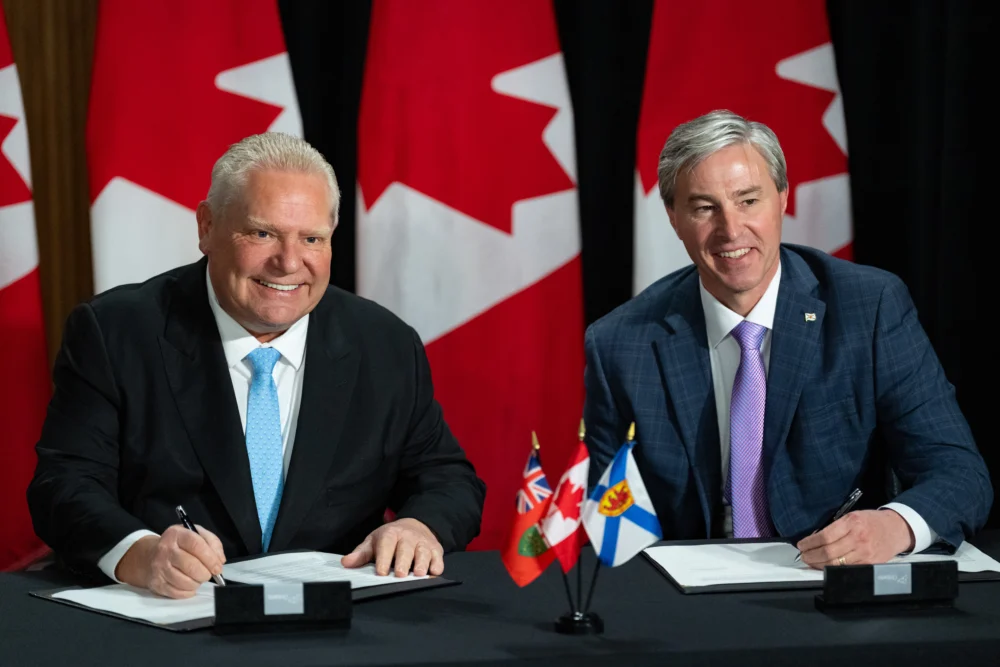
Ontario and Nova Scotia have officially inked a groundbreaking agreement allowing direct interprovincial sales of alcohol from local producers, a significant step towards dismantling long-standing internal trade barriers within Canada. The pact, formalized on March 2, 2026, represents a direct challenge to the traditional monopolistic control exercised by provincial liquor boards and promises to unlock unprecedented market access for craft breweries, wineries, and distilleries in both jurisdictions. This bilateral accord is an immediate outcome of a broader national framework established last year, aimed at fostering freer movement of goods and services across provincial lines, yet it uniquely carves out a specific path for alcohol, a sector historically fraught with protectionist policies.
Canada’s Intricate Web of Alcohol Regulation: A Historical Overview
The landscape of alcohol sales and distribution in Canada is a complex tapestry woven from historical events, cultural shifts, and deeply entrenched provincial jurisdictions. Following the tumultuous era of temperance movements and subsequent prohibition in the early 20th century, provinces moved to establish government-controlled liquor boards. Entities like the Liquor Control Board of Ontario (LCBO), the Nova Scotia Liquor Corporation (NSLC), the Société des alcools du Québec (SAQ), and the British Columbia Liquor Distribution Branch (BCLDB) were created with a dual mandate: to regulate the sale and consumption of alcohol for public health and safety, and to generate significant revenue for provincial coffers.
These boards effectively established monopolies, dictating which products could be sold, at what price, and through what channels. This system, while providing a stable revenue stream and a degree of control over alcohol availability, also inadvertently created substantial barriers to interprovincial trade. For decades, a consumer in one province found it nearly impossible to purchase alcohol directly from a producer in another province, with purchases often restricted to what was listed and stocked by their local liquor board.
The constitutional basis for this provincial control stems primarily from Sections 92(13) and 92(16) of the Constitution Act, 1867, which grant provinces authority over "Property and Civil Rights in the Province" and "Generally all Matters of a merely local or private Nature in the Province." This has often been interpreted to give provinces wide latitude in regulating commerce within their borders. In contrast, Section 121, which states that "All Articles of the Growth, Produce, or Manufacture of any one of the Provinces shall, from and after the Union, be admitted free into each of the other Provinces," has been subject to a much narrower judicial interpretation.

A pivotal moment in the debate over interprovincial trade barriers came with the Supreme Court of Canada’s 2018 ruling in R. v. Comeau. The case involved a New Brunswick man fined for bringing excessive amounts of alcohol from Quebec. While the Court acknowledged the spirit of Section 121, it ultimately upheld the provinces’ right to regulate the sale of alcohol, provided that the primary purpose of such regulation was not to restrict trade for protectionist reasons, but rather to serve legitimate public policy objectives (e.g., public health, safety, morality). This ruling, while disappointing to many free trade advocates, effectively affirmed that a comprehensive, top-down federal solution to eliminate alcohol trade barriers was unlikely, thereby highlighting the necessity of bilateral or multilateral agreements between willing provinces.
The Broader Framework: A Catalyst for National Economic Integration
The agreement between Ontario and Nova Scotia did not emerge in a vacuum. It follows a significant "broader framework" reached by several Canadian provinces in late 2025, which committed signatories to identify and reduce internal trade barriers across various sectors. This overarching initiative, driven by persistent calls from economists, business leaders, and advocacy groups, recognized that Canada’s internal trade impediments cost the economy billions annually in lost productivity, reduced competitiveness, and higher consumer prices. Organizations like the Canadian Chamber of Commerce have repeatedly highlighted that these barriers can be more restrictive than international tariffs, hindering economic growth and innovation.
While the initial framework might have been aspirational in many sectors, the specific exemption of alcohol and food from comprehensive free trade agreements – due to their unique regulatory histories and public policy implications – has historically made these sectors prime candidates for targeted, bilateral solutions. The federal government, while generally supportive of reducing internal trade barriers, has largely deferred to provincial jurisdiction on alcohol regulation. This bilateral agreement exemplifies a pragmatic, "coalition of the willing" approach to tackle complex, politically sensitive areas where a national, one-size-fits-all solution remains elusive, demonstrating that provinces can take proactive steps to foster economic integration.
Details of the Ontario-Nova Scotia Pact: A New Era for Producers and Consumers
The agreement, formally signed by Ontario Premier Doug Ford and Nova Scotia Premier Tim Houston, explicitly abolishes existing provincial regulations that mandated alcohol purchases go through their respective provincial liquor monopolies for out-of-province products. For Ontario residents, this means an end to the LCBO’s exclusive gateway for alcohol sourced from Nova Scotia, while Nova Scotians will no longer be solely reliant on the NSLC for products originating from Ontario.
Under the terms of the new deal, craft producers – including breweries, wineries, and distilleries – in both provinces will soon be authorized to ship their products directly to consumers in the partner province. This direct-to-consumer model is a radical departure from the traditional wholesale-to-board-to-retailer system. Premier Ford highlighted the mutual benefits of this progressive step, stating in a public announcement, "Ontario is leading the way to unlock free trade within Canada. Our agreement means Nova Scotia residents can conveniently purchase any of their favourite Ontario craft beers, wines and more, while Ontario residents will be able to buy the very best Nova Scotia has to offer."

Premier Houston echoed this sentiment, underscoring the "stepping stone" nature of the deal. He emphasized the particular significance for Nova Scotia’s smaller producers, who will now gain unprecedented access to the vast Ontario market, home to nearly 15 million potential customers. This expansion represents a monumental opportunity for growth that was previously unimaginable.
The implementation phase, expected to commence "in the coming weeks," will involve both provincial governments establishing the necessary logistical and regulatory mechanisms to facilitate these direct sales. This includes developing clear guidelines for online ordering platforms, secure shipping protocols, and harmonized taxation procedures to ensure fairness and compliance. While the exact date for formalizing these changes has not yet been announced, the rapid timeline suggests a concerted effort to bring the benefits of this agreement to fruition swiftly.
Industry Reactions and Opportunities: Cheers from Craft Makers
The announcement has been met with widespread enthusiasm and relief from the craft alcohol industries in both provinces. Industry associations, such as the Ontario Craft Brewers, Wine Growers Ontario, and their Nova Scotian counterparts like the Craft Brewers Association of Nova Scotia and Wine Growers Nova Scotia, have long advocated for such reforms. Leaders within these organizations have consistently pointed to the restrictive nature of provincial monopolies as a significant impediment to growth, innovation, and market reach for small and medium-sized producers.
For a Nova Scotian winery, for example, gaining direct access to Ontario’s population of nearly 15 million represents an exponential market expansion beyond their home province of just over one million. This move allows them to bypass the often-onerous and costly listing processes required by provincial liquor boards, which can be particularly challenging for smaller, niche producers. The direct-to-consumer model offers a more agile and potentially more profitable distribution channel, allowing producers to retain a larger share of the retail price and build direct relationships with their customers.
Conversely, Ontario’s diverse and robust craft scene, from the renowned vineyards of Niagara and Prince Edward County to the burgeoning microbreweries and distilleries across the province, can now tap into the East Coast market. This creates new avenues for sales and brand recognition, fostering greater resilience within the industry. The ability to reach new consumers directly can also lead to more targeted marketing and product development, as producers gain better insights into customer preferences across different regions. Industry leaders predict a surge in specialized orders, unique collaborations, and a general uplift in the vitality of the craft sector.

Consumer Impact: Enhanced Choice and Accessibility
For Canadian consumers, this agreement signifies a long-awaited victory for choice, convenience, and a richer appreciation of domestic products. Previously, acquiring unique or specialty alcoholic beverages from another province often involved cumbersome processes, personal travel, or navigating grey market channels that lacked legal clarity and consumer protection.
With direct shipments soon to be available, consumers can now effortlessly explore the diverse offerings of Ontario’s established wine regions and innovative craft beer scene, or discover Nova Scotia’s emerging Tidal Bay wines, unique fruit wines, and artisan spirits. This increased accessibility not only enriches the consumer experience but also fosters a broader appreciation for the quality and variety of Canadian-made products. Imagine an Ontario resident being able to order a specific, award-winning sparkling wine directly from a small Annapolis Valley producer, or a Nova Scotian connoisseur receiving a limited-edition barrel-aged stout from a Toronto microbrewery at their doorstep.
The ability to order directly from a small producer also fosters a more intimate and direct relationship between consumer and creator. This connection can lead to more personalized service, opportunities for exclusive releases, and a deeper understanding of the craftsmanship behind the product. Furthermore, by increasing competition and expanding market reach, the agreement could indirectly contribute to a wider range of products and potentially more competitive pricing over time.
Economic Implications: Boosting Local Economies and National Productivity
Economists have consistently identified internal trade barriers as a significant drag on Canada’s economic potential. The International Monetary Fund (IMF) and the Bank of Canada have both highlighted that reducing these barriers could add several percentage points to Canada’s GDP. While this agreement focuses on a specific sector, it serves as a tangible example of how reducing these impediments can stimulate economic activity at the provincial and national levels.
For producers, increased sales directly translate into higher revenues, which can be reinvested into local economies through various channels. This includes job creation within production, marketing, and logistics, facility expansion to meet increased demand, and increased demand for local agricultural inputs such as grapes, hops, and grains. The growth of the craft sector has already demonstrated its significant economic footprint, and this agreement is expected to amplify that effect, particularly for smaller, rural-based operations.

Moreover, the agreement fosters healthy competition, encouraging producers to innovate, improve product quality, and diversify their offerings to appeal to a broader market. This dynamic environment benefits the entire industry. The deal is also poised to boost the tourism sector, as unique regional products become more widely known and sought after, potentially drawing visitors who wish to experience the source of their favourite beverages. By facilitating the free flow of goods, the agreement helps Canada move closer to realizing its full economic potential by reducing the friction that has historically hampered interprovincial commerce.
Challenges and Implementation Hurdles: Navigating the New Landscape
While the enthusiasm surrounding the Ontario-Nova Scotia alcohol trade agreement is palpable, the implementation of this groundbreaking initiative will not be without its challenges. Both provinces must now rapidly develop and harmonize the necessary regulatory frameworks to ensure smooth and compliant operations. This includes establishing clear licensing requirements for out-of-province shippers, developing robust age verification systems to prevent underage access, and implementing transparent taxation protocols. The harmonization of sales taxes (HST/PST) and excise duties will be particularly crucial to avoid confusion for both producers and consumers and to ensure that provincial governments continue to collect their due revenues.
Logistics will also play a crucial role. Establishing efficient and cost-effective shipping networks capable of handling fragile products like bottles and cans across vast distances will be essential. Considerations for shipping costs, delivery times, and methods to prevent damage during transit will need careful planning and potentially new partnerships with courier services. Existing provincial liquor boards, while not directly bypassed in their in-province retail function, may also need to adapt to this new competitive landscape, potentially by enhancing their own offerings or streamlining their processes.
Furthermore, ensuring compliance and enforcement across two distinct provincial legal systems will require close coordination and communication between regulatory bodies in Ontario and Nova Scotia. Monitoring sales, addressing consumer complaints, and ensuring adherence to responsible consumption guidelines will be ongoing tasks. The "coming weeks" timeline suggests a rapid, but potentially complex, bureaucratic undertaking to lay the groundwork for this new era of direct alcohol trade.
A Precedent for the Future of Canadian Trade: A Call to Action for Other Provinces
This bilateral agreement between Ontario and Nova Scotia is more than just a localized trade deal; it sets a powerful precedent for other Canadian provinces. It demonstrates conclusively that meaningful progress on interprovincial trade can be achieved through targeted, willing partnerships, even in historically protected sectors like alcohol. The success of this agreement could provide a blueprint and renewed impetus for other provinces, particularly those with significant craft alcohol industries like British Columbia, Quebec, and Alberta, to enter similar agreements.

Imagine a future where a resident in Vancouver could easily order a specific craft gin from Newfoundland, or a Montrealer could enjoy a unique cider from Manitoba, all delivered directly to their door. Such a network of bilateral agreements could collectively form a de facto national free trade zone for alcohol, circumventing the challenges of a single, overarching federal mandate and the restrictive interpretations of constitutional law. This step underscores a growing recognition among provincial leaders that economic prosperity and national unity are strengthened by dismantling internal divisions rather than reinforcing them. It sends a clear message that consumer choice and producer opportunity should not be artificially constrained by provincial borders.
The Ontario-Nova Scotia alcohol trade agreement marks a pivotal moment in Canada’s ongoing journey to modernize its internal trade policies. By empowering local producers and offering consumers greater choice, it promises tangible economic benefits and a richer cultural exchange of regional products. While implementation details remain to be fully ironed out, this accord stands as a beacon of progress, illustrating that collaboration and a shared vision for a more integrated Canadian economy can indeed overcome deeply entrenched historical barriers, setting a hopeful trajectory for future interprovincial cooperation and a more unified Canadian marketplace.