admin
The traditional image of a brewery as a sterile industrial facility dedicated solely to the production of malt beverages is rapidly becoming a relic of the past. Over the last decade, the craft beer industry has undergone a profound metamorphosis, driven by a combination of economic necessity, shifting consumer demographics, and a desire for deeper community integration. What began as the addition of simple taprooms has evolved into a sophisticated reimagining of the "third place"—the social surroundings separate from the two usual social environments of home and the workplace. Today, breweries are increasingly functioning as coworking spaces, boutique hotels, agricultural cooperatives, and multi-disciplinary fermentation laboratories. This evolution represents a strategic pivot for an industry facing a saturated market and a complex global economic climate.
The Economic Imperative for Evolution
The shift toward diversified business models is not merely a creative choice but a response to significant headwinds in the beverage industry. According to data from the Brewers Association, while the number of operating craft breweries in the United States reached an all-time high of over 9,500 in recent years, the rate of growth has stabilized as the market nears maturation. Simultaneously, brewers have faced soaring costs for raw materials—including aluminum for canning, carbon dioxide for carbonation, and specialized grains—compounded by global supply chain disruptions and inflation.
To remain viable, many operators are moving away from the high-volume distribution model, which offers slim margins and intense competition for shelf space, toward "own-premise" sales. By creating multifaceted destinations, breweries can capture a larger share of consumer spending and foster brand loyalty that extends beyond the glass. This has led to the rise of the "brewery-plus" model, where the production of beer serves as the anchor for a broader suite of services and social experiences.
The Rise of the Tiers-Lieu: Brasserie Les Semblables
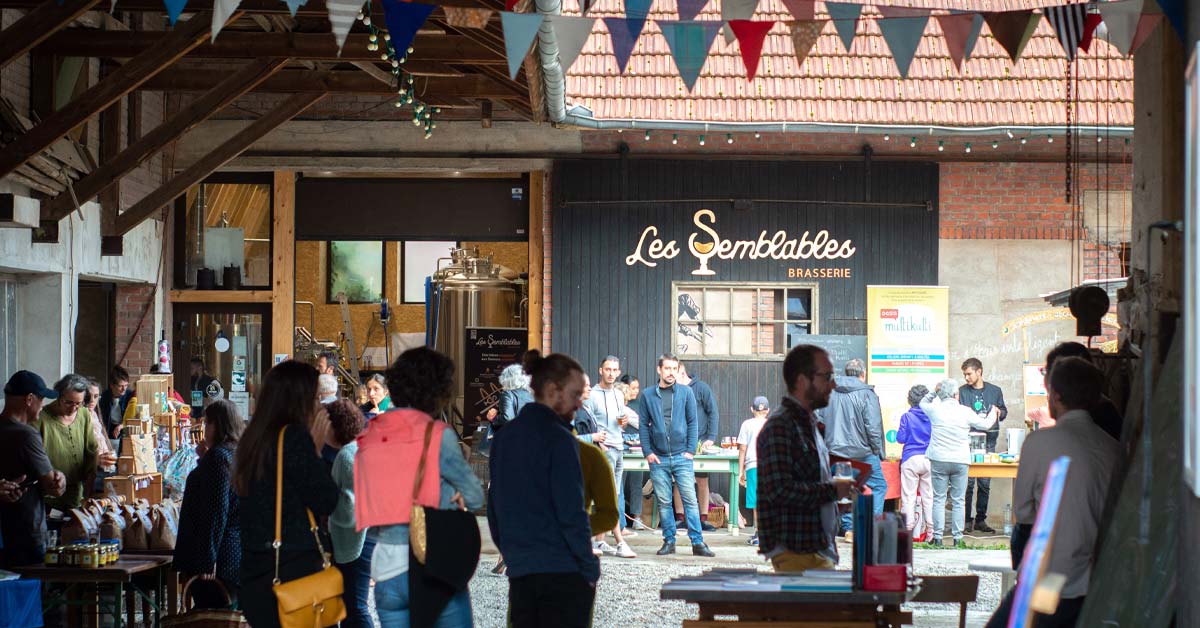
In continental Europe, particularly in France, this evolution is manifesting through the concept of the tiers-lieu, or "third place." This model prioritizes social utility, sustainability, and cultural education over pure commercialism. A primary example of this trend is Brasserie Les Semblables, located in the Alsatian village of Mietesheim. Founded by Eliott Pernelle and Etienne Voinson, the brewery deliberately avoided the traditional industrial park setting in favor of Oasis Multikulti, a community collective situated on a refurbished historic farm.
The integration of a brewery into such a space represents a symbiotic relationship between commerce and community service. Oasis Multikulti is managed by volunteers and hosts a diverse array of activities, including pottery, knitting, and community gardening. By installing their brewing equipment in former stables, Pernelle and Voinson inherited an established audience of locals who visit for the farmer’s market or educational workshops.
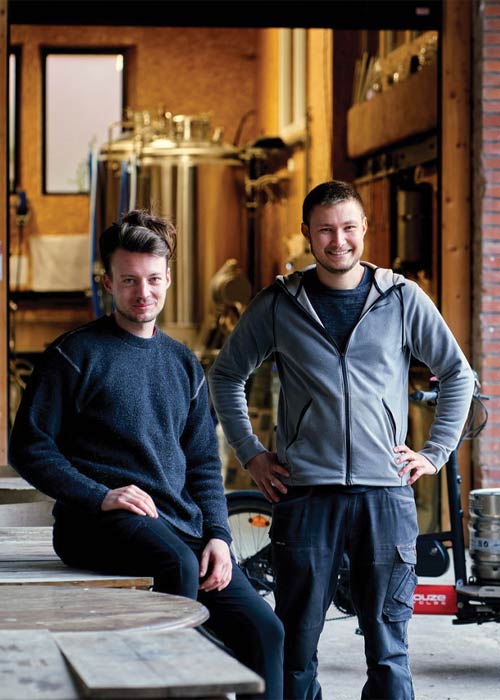
However, the tiers-lieu model requires a different kind of investment. To maintain their place within the collective, the brewers act as active participants in the farm’s upkeep, contributing labor toward social media management and event coordination. This model suggests that the future of the rural brewery may lie in its ability to function as a civic asset rather than just a private business.
Shared Infrastructure and the Collaborative Economy
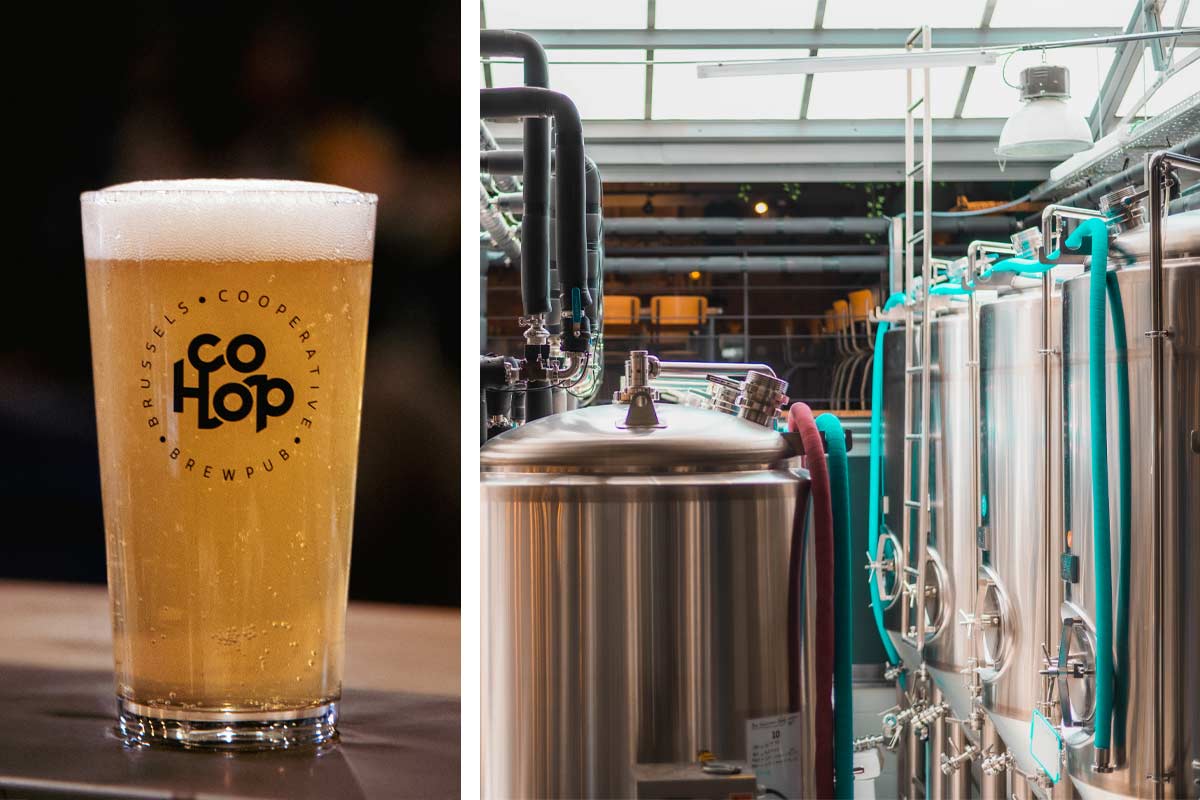
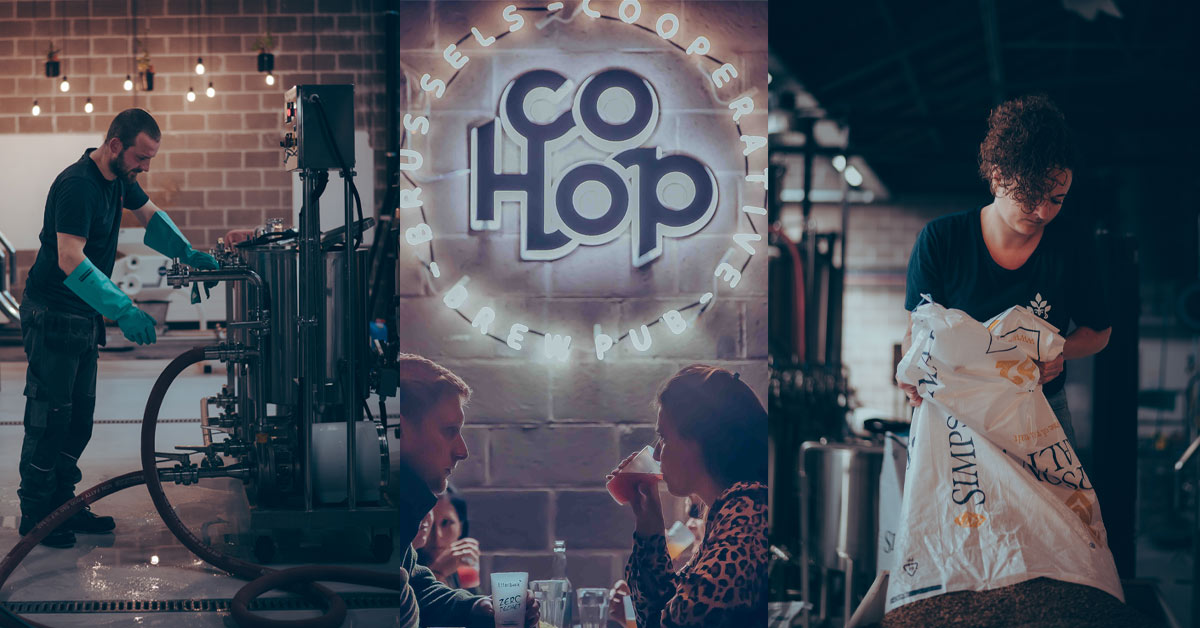
As the capital expenditure (CAPEX) required to start a brewery remains high, some entrepreneurs are looking to history to find modern solutions for shared resources. In Brussels, the CoHop collective has pioneered a model of "communal brewing" that shares equipment, space, and administrative burdens among five distinct brands: La Bagarre, Janine, 1Bière 2Tartines, La Flaque, and Brasserie Witloof.
This approach draws inspiration from the centuries-old German tradition of Zoiglbier. Recognized by UNESCO as part of Germany’s intangible cultural heritage, Zoiglbier involves non-professional brewers in Bavarian towns sharing a communal brewhouse. CoHop applies this logic to the professional craft sector. By centralizing production in a single facility, the member breweries significantly reduce their individual environmental footprints and overhead costs.
The logistics of such a project are complex and require a rigid organizational structure. At CoHop, each brewery is assigned a specific operational pillar: one manages the brewing schedule, another handles raw material procurement, and a third oversees equipment maintenance. This division of labor allows each brand to maintain its unique identity and creative direction while benefiting from the economies of scale typically reserved for much larger corporations. Furthermore, the onsite taproom and bakery (operated by Janine) create a circular economy where beer and bread production—both yeast-dependent processes—exist in harmony.
Broadening the Scope: From Brewery to Fermentarium
While some breweries are redefining their physical and social space, others are redefining the very science of what they produce. The "fermentarium" or "fermentery" model represents a move away from beer-centricity toward a broader exploration of zymology. This shift is particularly relevant as consumer interest in "Better-for-You" beverages and low-alcohol alternatives continues to rise.
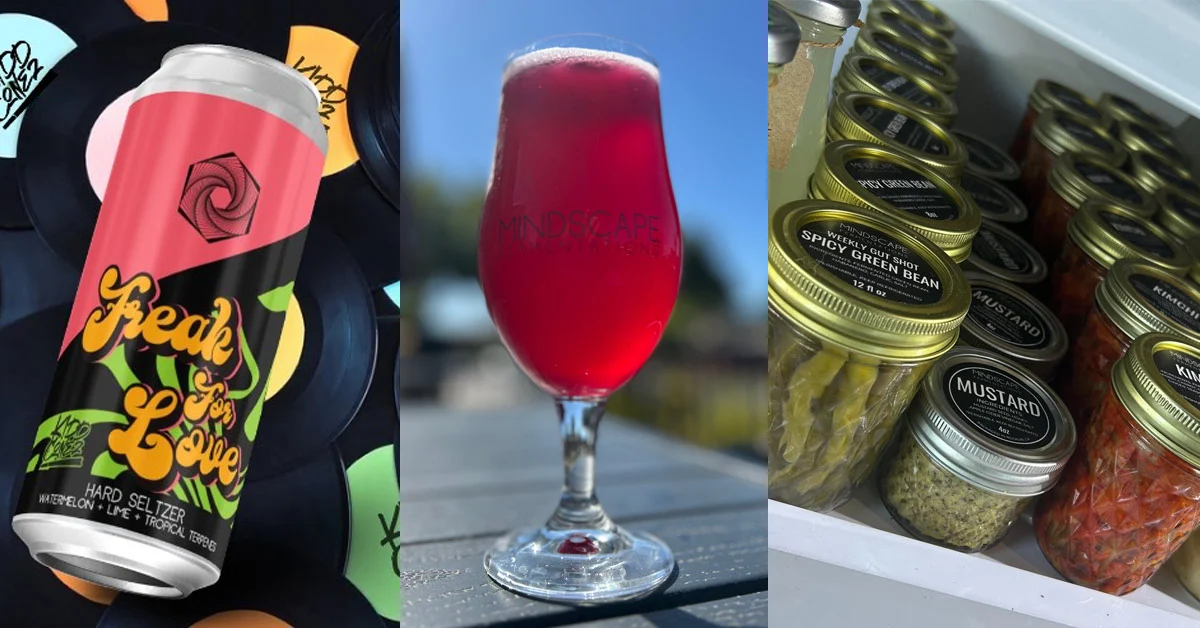
Mindscape Fermentations in Rocklin, California, founded by Lauren Price and Lauren Houston, exemplifies this transition. By identifying as a fermentarium rather than a traditional brewery, the founders have positioned themselves to weather fluctuations in the beer market. Their portfolio includes not only craft beer but also kombucha, seltzers, and fermented foods.
The strategic advantage of this model is twofold:
- Demographic Diversification: Traditional craft beer spaces have historically skewed male. By offering a wider variety of fermented products, such as probiotic-rich kombuchas and low-ABV options, establishments like Mindscape report a significantly more diverse clientele, particularly among women and health-conscious consumers.
- Risk Mitigation: As beer consumption patterns shift—with younger generations often opting for spirits, canned cocktails, or non-alcoholic options—a facility capable of producing a wide range of fermented goods is better insulated against industry-specific downturns.
Other notable examples of this trend include Fermentery Form in Philadelphia, which utilizes winemaking techniques like the Solera system for beer aging, and Fox Tale Fermentation Project in San Jose, which integrates botanical ingredients and non-traditional microbes into their beverages.
Historical Context and the Return to the Public House
The current trend toward multi-use breweries is, in many ways, a return to the historical roots of the "public house." In the pre-industrial era, breweries and taverns were the central nervous systems of their communities, serving as post offices, courtrooms, and meeting halls. The 20th-century shift toward industrialization and mass distribution stripped many breweries of this local utility, turning them into closed-off manufacturing sites.
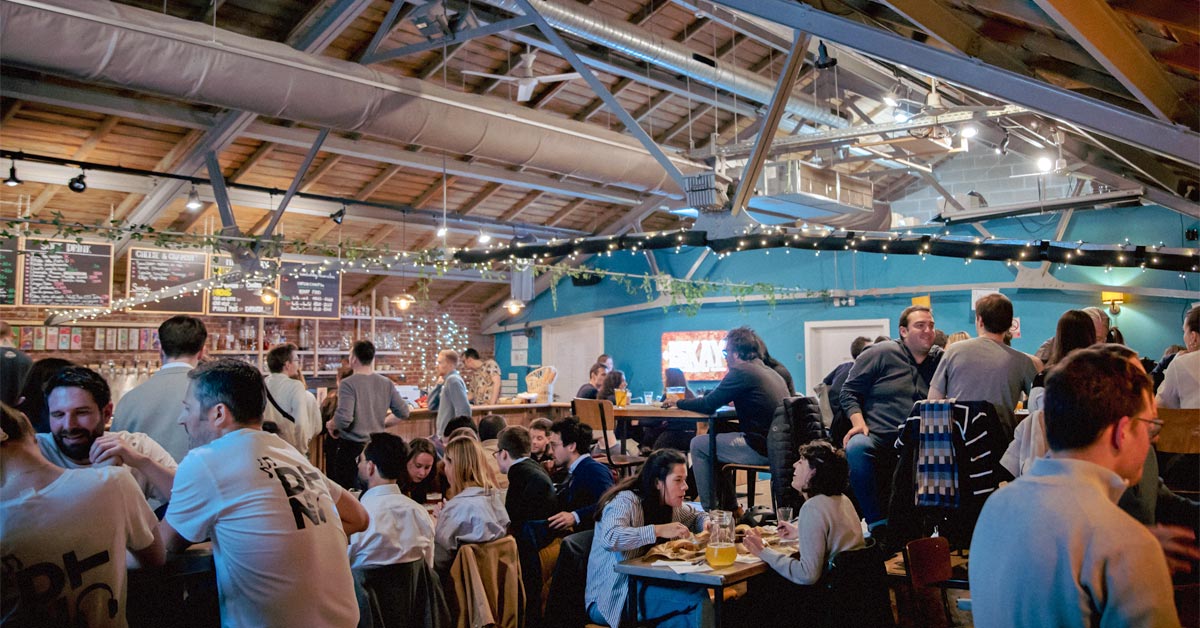
The modern "Brewery 2.0" movement is reclaiming that lost social capital. The addition of workspaces and high-speed internet caters to the growing "digital nomad" and remote-work workforce, while the inclusion of camping and RV accommodations caters to the "slow travel" movement. These amenities transform the brewery from a quick stop for a pint into a destination where patrons might spend hours or even days.
Implications for the Future of the Industry
The evolution of the brewery into a complex, multi-functional entity has several long-term implications for the craft beverage sector:
- Sustainability as a Business Standard: Collaborative models like CoHop demonstrate that sharing resources is one of the most effective ways to reduce the carbon footprint of brewing, an industry that is traditionally water and energy-intensive.
- Educational Engagement: As breweries become more integrated into community centers and tiers-lieux, the "educational" component of craft beer—teaching consumers about ingredients, fermentation, and local sourcing—becomes a primary driver of value.
- Resilience through Diversification: Establishments that can pivot between beer, cider, kombucha, and food are better equipped to survive economic volatility. The "fermentarium" model provides a blueprint for a more agile beverage business.
- Regulatory Adaptation: This shift may prompt changes in zoning and licensing laws. As breweries become hotels, bakeries, and community centers, local governments will need to modernize regulations to accommodate these hybrid business models.
In conclusion, the modern brewery is no longer defined by its stainless steel tanks alone. It is increasingly defined by its ability to foster community, its willingness to collaborate with competitors, and its scientific curiosity regarding the broader world of fermentation. By evolving beyond the taproom, craft brewers are ensuring their relevance in a rapidly changing cultural and economic landscape, proving that the strongest ingredient in any brew is the community that surrounds it.