admin
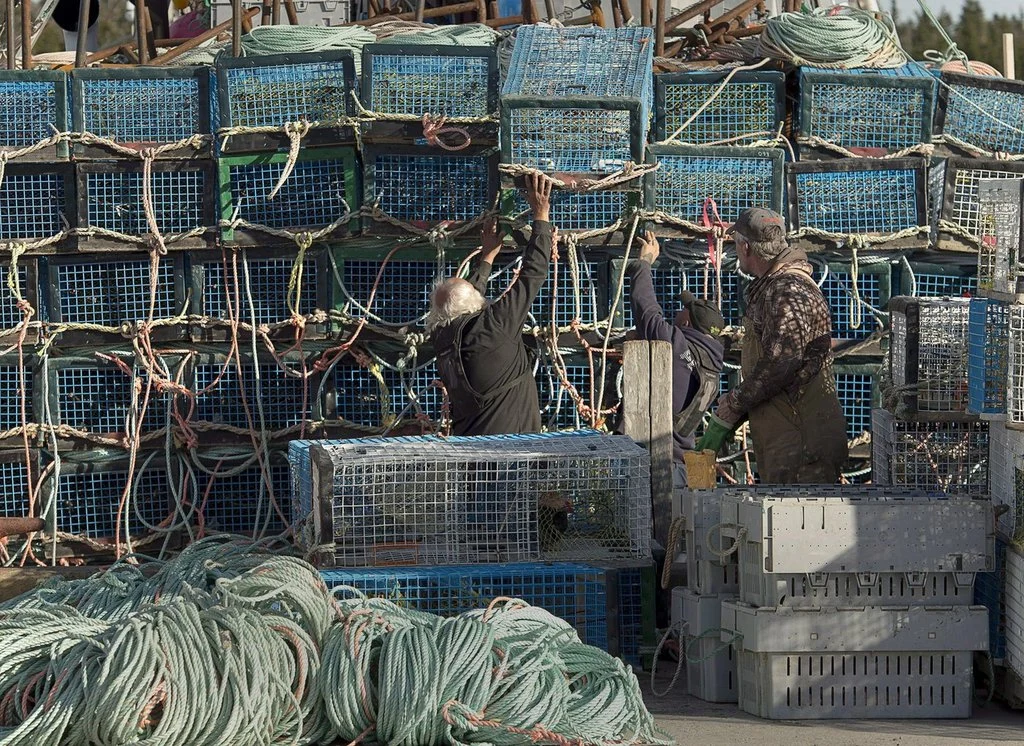
As Canada’s most extensive and financially significant lobster fishery, encompassing Lobster Fishing Areas (LFAs) 33 and 34 in southwestern Nova Scotia, prepared for its traditional "Dumping Day" opening this Monday, a palpable sense of apprehension permeated the coastal communities. Indications suggest a significant number of lobster fishers are still desperately seeking buyers for their anticipated catch, casting a shadow over a season typically marked by anticipation and economic promise. This pre-season scramble has ignited urgent calls for government intervention, highlighting deep-seated challenges within an industry that forms the economic backbone of much of the province’s coastline.
The Heart of the Matter: A Scramble for Buyers
The immediate crisis facing the fishing fleet is a shortage of buyers and processors willing or able to purchase the incoming lobsters. This alarming development prompted four influential organizations representing commercial lobster harvesters—the Maritime Fishermen’s Union, the Coldwater Lobster Association, the Brazil Rock 33/34 Lobster Association, and the Fundy North Fishermen’s Association—to dispatch an urgent letter earlier this month to both federal and provincial fisheries officials. The communication painted a grim economic forecast for the impending season, explicitly requesting that both levels of government explore and implement financial relief measures to support affected fishers.
"We have very serious reservations about the circumstances facing our commercial fishing captains, crew members, their families and the coastal communities whose economic well-being depends so heavily on this fishery," the industry group stated in its letter, underscoring the profound societal impact of the current predicament. The groups emphasized that their concerns "extend well beyond the uncertainty normally associated with the start of a fishing season," suggesting a systemic issue rather than typical market fluctuations.
Economic Bedrock: Nova Scotia’s Lobster Empire
The stakes are astronomically high. Lobster stands as Nova Scotia’s undisputed seafood king, a powerhouse export that, in 2025 (likely a typo in the original article, referring to a recent or current year, e.g., 2023 or 2024 figures), generated a staggering $1.1 billion in revenue. This figure alone accounted for just over half of the province’s total seafood export value, according to provincial data released last Friday. This immense economic contribution translates into thousands of direct and indirect jobs, fueling local economies from wharfside operations to transport logistics, and sustaining generations of families in picturesque, often remote, coastal communities.
The annual opening of LFAs 33 and 34, colloquially known as "Dumping Day," is more than just the start of a fishing season; it is a cultural event deeply ingrained in the fabric of Nova Scotian identity. Over 1,000 boats are expected to drop their traps on Monday morning, weather permitting, marking the commencement of a season that typically runs through late May. The success or failure of this fishery reverberates throughout the entire province, impacting everything from small business vitality to provincial tax revenues.
Unpacking the Challenges: A Confluence of Factors
Several interconnected factors have conspired to create this precarious market environment, severely diminishing the financial capacity of on-shore buyers and processors. Stewart Lamont, the managing director of Tangier Lobster Company Ltd., a veteran in shipping live lobsters globally for four decades, articulated these challenges with stark clarity.
Persistent Quality Issues: A primary concern has been the consistent poor quality of lobsters landed over the past two seasons, specifically from November through March. "Too many of them had soft shells and a low meat yield, making them less valuable to buyers," Lamont explained. This biological issue significantly impacts the profitability for processors, as soft-shelled lobsters are more fragile, harder to transport, and yield less marketable meat, leading to reduced prices offered to harvesters. While a single season of poor quality might be an "outlier," Lamont warned, "Twice begins to look like a trend, and so everybody is very nervous." The causes of soft-shell lobster are complex, often linked to environmental factors such as warmer ocean temperatures affecting molting cycles, or changes in food availability and habitat. Such biological shifts represent a significant long-term concern for the fishery’s sustainability and economic viability.
Global Economic Headwinds: The global affordability crisis has dealt a substantial blow to the demand for lobster, which is widely perceived as a luxury good. As inflation rises and disposable incomes shrink in key export markets, consumers are prioritizing essential goods over premium seafood. This reduction in discretionary spending directly impacts sales volumes and prices, creating a challenging environment for an industry that relies heavily on high-value exports. Lamont highlighted that this global economic slowdown has directly contributed to the current market glut and reduced buyer confidence.
Tightening Credit Lines: Compounding these issues, commercial banks have significantly tightened lines of credit available to Nova Scotia buyers and processors. This financial constraint stems from the industry’s diminished financial returns over the last three to five years, a period marked by market volatility, trade disputes, and now, quality issues and reduced demand. "The collective financial position of the industry has been diminished," Lamont stated, adding, "Our backers — commercial banks — have not been pleased or impressed by the financial return in the industry over the last three to five years… I’m amazed that the industry has held its model together to the extent it has." This tightening of credit directly limits buyers’ ability to purchase large volumes of lobster, creating a bottleneck that directly impacts the harvesters.
Conflicting Narratives: The Buyer Landscape
Amidst the anxiety, there emerged a more optimistic, albeit cautious, counter-narrative from certain industry representatives. Kris Vascotto, executive director of the Nova Scotia Seafood Alliance, which represents over 200 land-based seafood buyers and processors, offered a different assessment. As of Thursday, Vascotto asserted, he was "not aware of any fishing boat captains who had no place to sell their lobsters." He firmly stated, "There really are no boats without homes right now," suggesting that the dire picture painted by the commercial fishing groups "may not reflect the reality of the season."
Vascotto’s optimism also extended to the quality outlook for the upcoming season. While he conceded that "recent biological testing points to another year of lobsters with soft shells containing little meat" in some areas, he highlighted increased landings from other lobster fishing areas that suggested a more favorable season ahead for LFAs 33 and 34. "The shell conditions seem to be in fairly good shape," Vascotto said, adding, "The meat content and the meat yield seems to be pretty good shape."

However, Stewart Lamont maintained that the situation remains highly "fluid." He countered Vascotto’s claims, stating, "I was told… there remain 100 boats, give or take, who have fishermen without a home for their product." He reiterated that "Those fishermen are scrambling," indicating a significant disconnect in market perception or perhaps a rapid evolution of the market situation in the days leading up to the season opening. This discrepancy underscores the volatility and uncertainty pervading the sector, making it difficult for stakeholders to accurately gauge the true extent of the problem.
Government Engagement and Response
Both provincial and federal governments have acknowledged the industry’s concerns, albeit with differing scopes of responsibility. The Nova Scotia Fisheries Department issued a statement Friday confirming its awareness of harvesters’ concerns regarding buying capacity. "We are in active discussions with the federal government and industry to understand their concerns and will continue to monitor them as the season unfolds," the department stated, indicating a collaborative approach to assessing and potentially addressing the crisis.
Fisheries and Oceans Canada (DFO), the federal body responsible for Canada’s fisheries management, clarified that while oversight of buying and processing typically falls under provincial purview, the federal government has recently announced a fund specifically aimed at supporting buyers and processors. While specific details of this fund were not immediately available, such an initiative could offer crucial liquidity or investment for onshore operations, potentially easing the financial strain that has led to tightened credit and reduced purchasing power. This federal intervention signals a recognition of the broader economic challenges impacting the entire seafood supply chain, not just the harvesting segment. Potential relief measures could include low-interest loans, direct subsidies for operational costs, or support for marketing and market development initiatives.
The Global Market: Recovery and Resistance
The global demand landscape remains complex, offering both glimmers of hope and persistent headwinds. Nova Scotia is projected to ship approximately 10 million pounds of live lobster during the month of December alone. According to Vascotto, almost half of this volume is typically destined for the United States, with roughly one-third heading to China. The remainder is distributed to other significant markets, including the European Union, Japan, and the broader Indo-Pacific region.
China’s Re-Emergence: A notable development was the lifting of tariffs imposed by China in March. These tariffs, enacted during trade disputes, had severely hampered Canadian lobster exports to what was once a rapidly growing and highly lucrative market. While their removal is a positive step, Vascotto cautioned that "it will take time for Canadian lobster to regain its previous share of the market." Rebuilding market trust, re-establishing supply chains, and competing with other global suppliers after a period of absence are significant challenges that require sustained effort.
U.S. Demand Under Pressure: The United States, historically the largest market for Nova Scotian lobster, is currently facing its own economic pressures. Americans are "still feeling the pinch from rising prices," Vascotto noted. This pervasive affordability crisis means that "There’s more concern about buying eggs, milk and bread than a premium product like lobster," illustrating the fundamental shift in consumer priorities that directly impacts luxury goods sales. This reduced demand from a critical market further exacerbates the buyer’s dilemma in Nova Scotia.

Dumping Day: Tradition Meets Trepidation
As the dawn breaks on Monday, more than 1,000 boats from LFAs 33 and 34 will set out, ready to drop their traps into the frigid Atlantic waters. This annual ritual, known as Dumping Day, is a time-honored tradition that symbolizes the start of a new season and the enduring spirit of Nova Scotia’s fishing communities. However, the weather remains a critical factor; if conditions are too rough, the event could be delayed, further compounding anxieties for fishers already facing economic uncertainty.
Provincial Fisheries Minister Kent Smith, in a statement released Friday, acknowledged the profound cultural and economic importance of the event. "Fishing has helped shape Nova Scotia for generations, and our lobster fishery is a huge part of who we are," Smith stated. His message to the departing fleet was one of encouragement and caution: "To everyone heading out on the water, I wish you a good season and a safe return home." His words, while traditional, carry a heavier weight this year, reflecting the underlying tension between the enduring legacy of the fishery and the very real, immediate challenges threatening its future.
Looking Ahead: Long-Term Outlook and Sustainability
The current buyer crisis in Nova Scotia’s lobster fishery is not merely a seasonal blip but rather a symptom of deeper, systemic challenges that require comprehensive, long-term strategies. The recurring issues of lobster quality, the vulnerability to global economic fluctuations, and the increasing pressure on financial institutions to limit credit all point to a need for greater resilience within the industry.
Addressing these challenges will likely involve a multi-pronged approach. Scientific research into lobster health and environmental factors contributing to soft-shell issues is crucial for ensuring the long-term sustainability of the stock. Market diversification efforts, beyond traditional reliance on the U.S. and China, could help cushion the impact of downturns in specific regions. Furthermore, innovative financial mechanisms and government support programs tailored to the unique economic cycles and risks of the fishery will be vital for stabilizing the income of harvesters and the operational capacity of processors.
As the season unfolds, the eyes of Nova Scotia and the global seafood market will be fixed on LFAs 33 and 34. The ability of this iconic industry to navigate these unprecedented economic currents will not only determine the fate of thousands of individuals and communities but also serve as a critical test of adaptability for Canada’s broader seafood sector in a rapidly changing world. The delicate balance between preserving a cherished tradition, ensuring economic viability, and responding to environmental shifts will define the future of Nova Scotia’s billion-dollar lobster empire.