admin
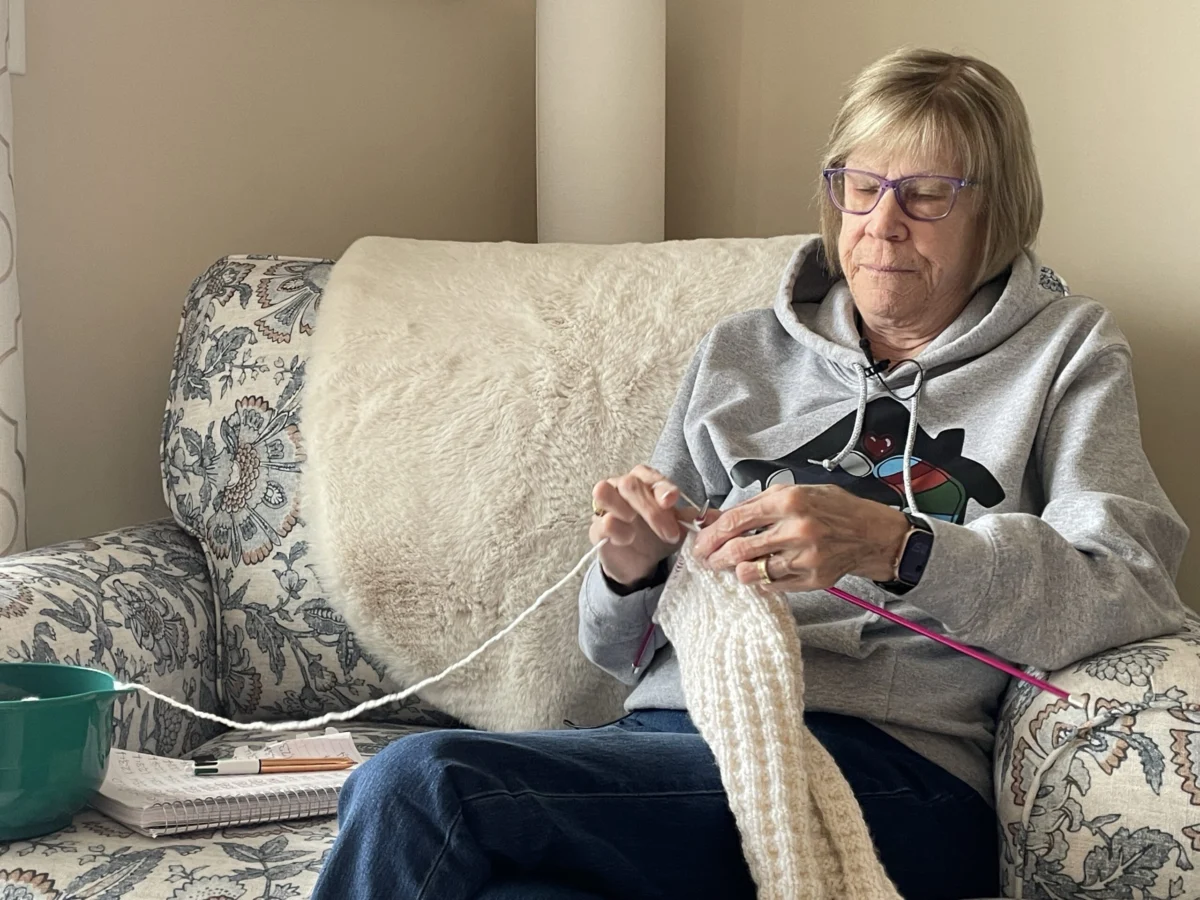
Halifax, Nova Scotia – Mary Crosby, affectionately known as the "Mary Queen of Socks" for her tireless dedication to providing clean, warm footwear to the unhoused, is grappling with a significant setback after provincial regulators ordered her to cease a vital 50/50 fundraising draw. The directive from the Department of Service Nova Scotia has cast a shadow over her deeply impactful "Socks for Shelters" campaign, a grassroots initiative that has already distributed thousands of pairs of socks to vulnerable individuals across the province.
The Genesis of "Socks for Shelters" and a Community’s Champion
For over a year and a half, Mary Crosby has been the driving force behind "Socks for Shelters," a mission born from a profound understanding of a fundamental yet often overlooked need within the homeless community. Operating primarily through her dedicated Facebook page, Crosby has galvanized community support, collecting and distributing an astounding number of socks. Her personal goal of collecting 25,000 pairs of socks for shelters across Nova Scotia reflects the escalating demand for basic necessities among the province’s most vulnerable populations.
Crosby’s commitment extends beyond mere collection; she personally knits some of the socks, embodying the hands-on compassion that defines her initiative. However, the vast majority of the socks distributed are purchased, a financial undertaking that necessitated a consistent fundraising mechanism. It was for this purpose that Crosby initiated her 50/50 draw, a popular and seemingly innocuous method of generating funds, where participants buy tickets for a chance to win half the pot, with the other half going to the charitable cause. This draw proved incredibly effective, enabling the purchase of at least 10,000 pairs of socks – a testament to its success and the community’s trust in Crosby’s mission.
The Crucial Need: Beyond a Simple Pair of Socks
To many, a pair of socks might seem like a minor item, but for individuals experiencing homelessness, clean, dry socks are a critical lifeline, directly impacting their health, dignity, and overall well-being. The harsh Canadian winters, combined with the often-unavoidable exposure to damp and cold conditions, make feet particularly susceptible to severe health issues. Conditions like frostbite, trench foot, fungal infections, and chronic skin problems are rampant among the unhoused, often leading to serious complications, including amputations, if left untreated.
Access to clean, dry socks can mitigate these risks significantly. They offer insulation against the cold, protect against abrasions, and reduce the likelihood of infections. Beyond the physiological benefits, receiving a fresh pair of socks can provide a profound psychological boost – a sense of dignity, comfort, and the knowledge that someone cares. Shelters and outreach workers consistently rank socks among the most requested and vital donations, underscoring their irreplaceable role in humanitarian aid. Crosby’s "Socks for Shelters" campaign directly addresses this critical need, providing a tangible source of relief and comfort to those enduring immense hardship. The increasing demand for socks, as Crosby herself noted, is a stark indicator of the growing homelessness crisis in the community.

The Regulatory Intervention: A Shocking Halt
The successful operation of the 50/50 draw came to an abrupt halt on Wednesday evening, November 27, 2026, when Crosby received a devastating communication from a compliance officer with the Alcohol, Gaming, Fuel and Tobacco Division of Service Nova Scotia. The directive was unequivocal: cease all operations of the 50/50 draw immediately.
Crosby’s reaction was one of profound shock and disappointment. "I was crushed," she recounted, adding, "I honestly didn’t know you couldn’t have these [types of raffles] because I see so many of them." Her bewilderment highlights a common challenge faced by grassroots organizers: navigating the complex labyrinth of legal and regulatory frameworks governing charitable fundraising, particularly when activities involve elements of chance or gaming. The immediate implication of this ruling is dire for her campaign, potentially eliminating the primary funding source that allowed her to purchase a significant portion of the socks distributed. "Now, 10,000 pairs were at least purchased with the 50/50 money. Enough said. If we lose that, that’s a huge, devastating loss to us," Crosby emphasized, articulating the very real impact on her ability to meet the growing needs of shelters.
Understanding Gaming Regulations in Canada and Nova Scotia

The regulation of gaming activities, including lotteries, raffles, and 50/50 draws, is a complex area in Canada, falling under both federal and provincial jurisdiction. Federally, the Criminal Code of Canada prohibits most forms of gambling unless specifically licensed and conducted by provincial governments or by organizations authorized by them. Provinces, through their respective gaming authorities, are responsible for establishing and enforcing the rules for charitable gaming within their borders.
In Nova Scotia, the Alcohol, Gaming, Fuel and Tobacco Division of Service Nova Scotia is the body responsible for overseeing and licensing various gaming activities. These regulations are not arbitrary; they are designed to ensure transparency, fairness, and accountability in fundraising. The primary objectives include preventing fraud, ensuring that funds raised genuinely go to the stated charitable or community purposes, protecting participants, and maintaining public trust in charitable gaming. Organizations typically need to apply for a license, meet specific criteria regarding their charitable status, financial oversight, and how the draw is conducted (e.g., ticket sales, prize distribution, accounting). Small, informal initiatives like Crosby’s, while driven by altruism, can inadvertently fall afoul of these stringent requirements if they are not formally registered or licensed.
Official Response and the Path Forward
Susan McKeage, a spokesperson for Service Nova Scotia, acknowledged the valuable work undertaken by "Socks for Shelters." In an official statement, the department conveyed its appreciation for Crosby’s efforts and expressed understanding for "how disappointing it can be to learn that a well-intentioned fundraiser may not meet provincial gaming requirements." However, the statement firmly reiterated the regulatory necessity: "At the same time, 50/50 draws are regulated gaming activities. Provincial requirements must be in accordance with the federal laws that permit the legalization of gambling in Canada. They are in place to ensure lotteries are conducted fairly and transparently and that funds raised are used for their intended community or charitable purpose."

Crucially, the department also indicated that organizations not directly qualifying for gaming licenses might have alternative avenues. One such option is to be listed on a charitable lottery license held by a larger, established organization they are supporting. This suggestion offers a potential lifeline for "Socks for Shelters."
This path is one that Mary Crosby is now actively exploring. Cherry Laxton, Chief Operating Officer of Souls Harbour Rescue Mission, a significant recipient of Crosby’s sock donations, has swiftly offered her organization’s full support. Souls Harbour has accepted tens of thousands of socks from Crosby over the years, underscoring the deep partnership between the two entities. "We would absolutely love to be able to collaborate with her to find some way around this," Laxton stated, signaling a clear willingness to assist Crosby in navigating the regulatory landscape. This collaboration could involve Souls Harbour, as a registered charitable organization, applying for a license that would encompass Crosby’s 50/50 draw under their umbrella, thereby ensuring compliance while allowing the vital fundraising to continue.
Crosby remains optimistic despite the immediate challenge. She confirmed that the province has reached out to her directly and expressed a commitment to working collaboratively towards a solution. This proactive engagement from Service Nova Scotia suggests a desire to find a mutually agreeable resolution that respects regulatory requirements without stifling valuable community initiatives.
Broader Implications for Grassroots Fundraising

The situation faced by Mary Crosby is not unique and highlights a broader challenge for grassroots fundraising efforts across Canada. Many small-scale, volunteer-led initiatives operate on goodwill and community spirit, often without the administrative infrastructure or legal expertise to navigate complex provincial and federal regulations. While the intent of these regulations is sound – to protect the public and ensure accountability – their application can inadvertently impede the very charitable activities they are designed to safeguard.
This incident serves as a crucial reminder for all community organizers to familiarize themselves with local gaming and fundraising regulations. It also underscores the need for regulatory bodies to provide clearer, more accessible guidance and support for smaller groups. Simplified application processes, educational outreach, or even dedicated support programs for nascent charitable efforts could help bridge the gap between enthusiastic volunteers and complex legal requirements.
The outpouring of support for Mary Crosby following the news of the halt to her 50/50 draw is a testament to the community’s appreciation for her dedication and the vital role "Socks for Shelters" plays. Many residents have voiced concerns online and through local channels, advocating for flexibility and support for such essential humanitarian work. This public sentiment reinforces the importance of finding practical solutions that allow community-driven charity to flourish within a regulated environment.
Looking Ahead: Hope for Continued Warmth

As the winter months approach, the need for warm, clean socks will only intensify. Mary Crosby, the indefatigable "Mary Queen of Socks," is determined to continue her mission. While she acknowledges the uncertainty surrounding how next year’s campaign will operate without the direct 50/50 draw, her resolve remains unshaken. The commitment from Service Nova Scotia to find a solution, coupled with the unwavering support from partners like Souls Harbour Rescue Mission, offers a hopeful outlook. This collaborative approach could set a precedent for how provincial regulators and grassroots charities can work together to ensure both compliance and continued community benefit, ensuring that those in need will still receive the crucial warmth and dignity that a simple pair of socks can provide.
© 2026 Global News, a division of Corus Entertainment Inc.