admin
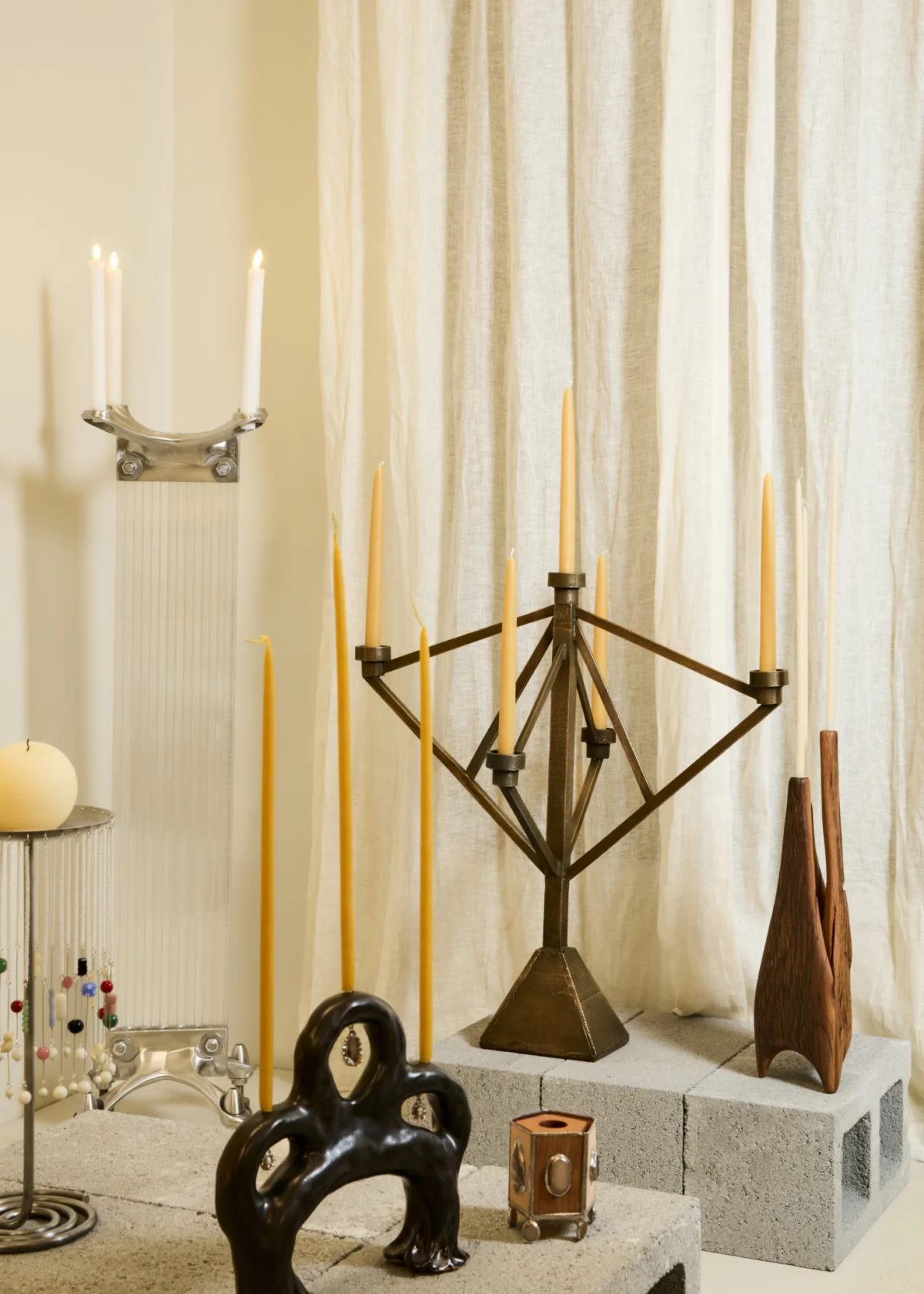
The contemporary design landscape in New York City has found a new focal point this season as Piscina, a gallery and showroom located in the Red Hook neighborhood of Brooklyn, presents its latest group exhibition, Candelabra Palaver. Bringing together a diverse cohort of approximately 80 artists and designers, the exhibition challenges participants to rethink one of the most fundamental objects in human history: the candleholder. While the primary function of such an object is utilitarian—to maintain a candle in an upright position—the creative interpretations on display at Piscina suggest that the formal possibilities of the medium are nearly limitless. The exhibition, which opened on November 14, 2026, serves as a comprehensive survey of how modern practitioners navigate the tension between traditional craftsmanship, industrial production, and purely sculptural expression.
The Conceptual Framework: A Brief for Creative Freedom
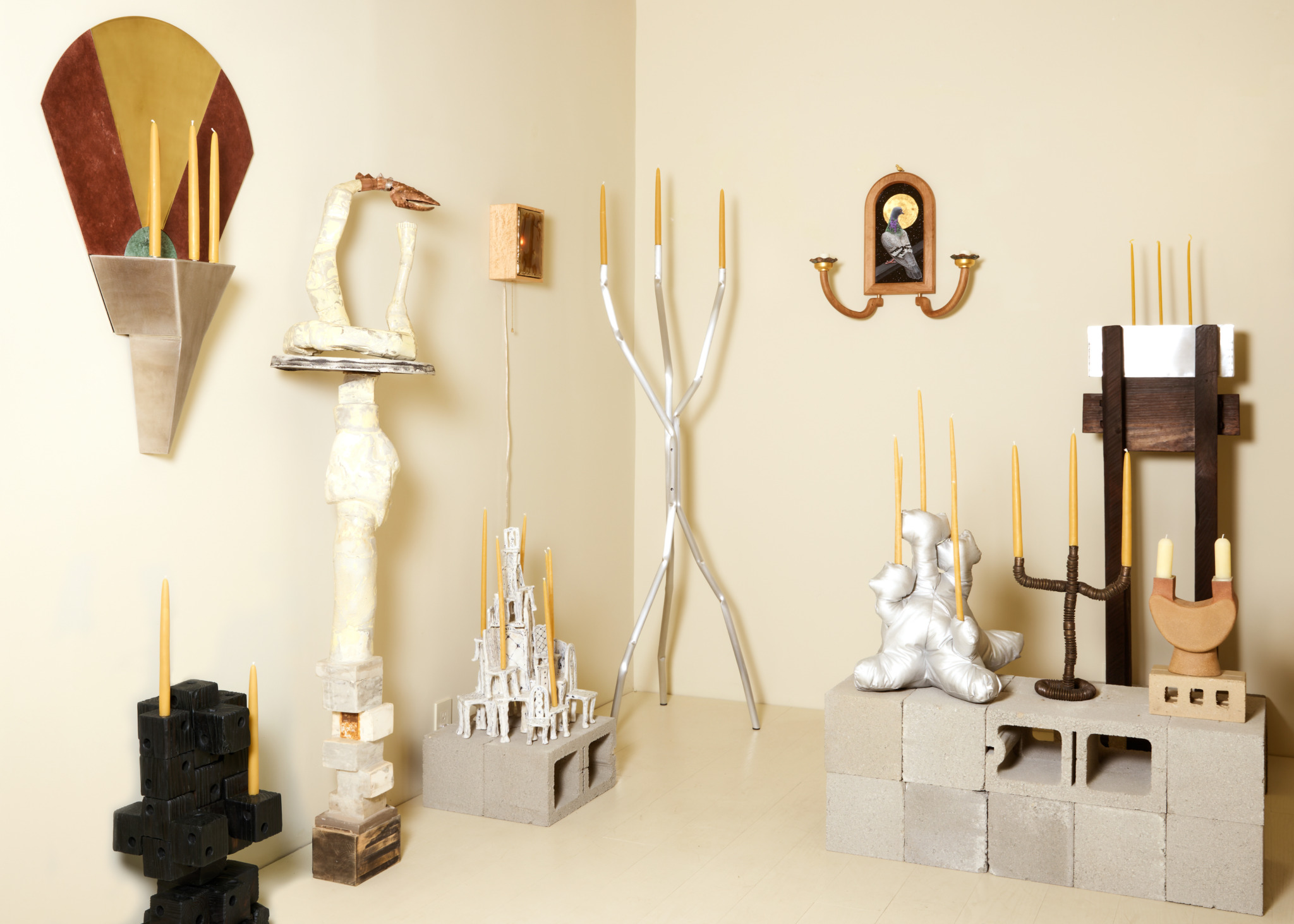
The genesis of Candelabra Palaver was rooted in an open call that prioritized simplicity and accessibility. By issuing a brief that merely required the creation of an object capable of holding a candle, the curators at Piscina invited a wide spectrum of responses. There were no restrictions placed on materials, dimensions, or stylistic direction, allowing participants to integrate the assignment into their existing studio practices. This lack of prescriptive oversight resulted in a collection that ranges from the minimalist and geometric to the organic and whimsical.
The title of the show, "Palaver," provides a significant clue to its underlying philosophy. Derived from a term meaning idle talk, lengthy conversation, or unnecessary fuss, the word captures the spirit of the exhibition. In one sense, the "palaver" represents the collective dialogue between 80 different creative voices. In another, it playfully acknowledges the inherent irony of dedicating so much artistic energy and technical skill to an object that serves such a straightforward purpose. This "fuss" over the candleholder highlights the shift in contemporary design from pure utility toward "collectible design," where the narrative and aesthetic value of an object are as important as its function.
Evolution of Piscina: From Cooperative Studio to Design Destination
The Candelabra Palaver exhibition is a milestone for Piscina, reflecting its growth since its inception. Founded in 2013 by artist and furniture designer Natalie Shook, Piscina began as a cooperative studio space. Over the last decade, it has transformed into a sophisticated gallery and showroom that champions independent designers and the intersection of art and craft.
Earlier in 2026, the gallery underwent a significant expansion, introducing a dedicated gallery space alongside its reimagined showroom. This transition has allowed Piscina to host larger, more ambitious group shows like Candelabra Palaver, which require significant floor space and a curated environment to accommodate nearly 100 individual works. The move signifies a broader trend in the Brooklyn design scene, where industrial neighborhoods like Red Hook are increasingly becoming hubs for high-end, independent design galleries that offer an alternative to the more commercial centers of Manhattan.

A Diverse Roster of Participants and Disciplines
The exhibition features a curated mix of established design studios and individual practitioners, creating a cross-disciplinary environment. Notable participating studios include Fort Standard, known for their "warm contemporary" aesthetic and focus on long-lasting natural materials, and Kin & Company, a Brooklyn-based firm specializing in experimental metalwork. Other contributors include the Office of Tangible Spaces, Studio Daae, and Atelier Musset.
Individual artists and designers have also contributed pieces that reflect their specific niches within the creative world. Sophie Collé brought her signature playful and colorful approach, while Steven Bukowski contributed works that lean into refined, furniture-adjacent forms. The inclusion of Kaye Blegvad, Hanna Anonen, and Fitzhugh Karol further diversifies the exhibition, bringing perspectives from the worlds of illustration, fine art, and large-scale sculpture into the intimate scale of a candleholder.
By mixing these different disciplines, the exhibition demonstrates how the same functional requirement can be filtered through various professional lenses. A furniture designer might focus on the stability and architectural presence of the object, while a ceramicist or glassblower might prioritize the material’s reaction to heat and light.

Materiality and Form: Analyzing the Collection
The works within Candelabra Palaver are organized in a way that emphasizes the contrasts between different material approaches. Visitors are greeted by a variety of silhouettes, ranging from brutalist concrete blocks to delicate, hand-blown glass structures.
Metal and Industrial Geometric Forms
Several designers opted for the precision of metalwork. These pieces often utilize brass, steel, or aluminum to create rigid, geometric structures. Some of these works take the form of traditional candelabras with multiple arms, but they are stripped of historical ornamentation, focusing instead on the intersection of planes and the reflection of candlelight against polished surfaces.
Organic and Figurative Interpretations
Contrasting the industrial pieces are works that embrace organic silhouettes and figurative elements. Carved wood is a recurring material in this category, used to create soft, undulating shapes that feel more like talismans than household tools. One standout piece features a carved wooden dog, while others mimic the forms of flowers or skeletal structures. These items push the boundaries of the brief, moving the candleholder into the realm of domestic sculpture.

Scale and Presence
The exhibition also plays with scale. While many entries are designed for a tabletop or mantelpiece, others are floor-standing objects that command significant space. Beaded floor lamps that double as candleholders and wall-mounted sconces demonstrate that the "candelabra" can be integrated into the very architecture of a room. This variation in scale challenges the viewer to consider how lighting—specifically the living flame—interacts with different levels of the interior environment.
The Renaissance of the Taper Candle in Modern Interiors
The timing of Candelabra Palaver coincides with a broader cultural resurgence of the taper candle. In an era dominated by digital screens and LED lighting, the analog quality of a burning candle has become a sought-after luxury in interior design. Industry data suggests that the market for artisanal and decorative candles has grown steadily over the last five years, as consumers look for ways to create "hygge" or a sense of ritual within their homes.
Design historians note that the candleholder is one of the few objects that has survived the transition from a necessity to a decorative choice without losing its core form. Before the advent of electricity, the candelabra was a vital tool for illumination. Today, it serves as a centerpiece for social gatherings and a vehicle for artistic expression. The Piscina exhibition taps into this nostalgia while firmly grounding the object in contemporary aesthetics.

Timeline and Accessibility
The exhibition followed a rigorous timeline, beginning with a national open call in mid-2026. After a selection process that focused on diversity of medium and originality of form, the final collection was installed in early November.
- November 14, 2026: Opening night and public reception.
- November – December 2026: Public viewing hours and designer talks.
- December 31, 2026: Exhibition closes.
In keeping with Piscina’s dual role as a gallery and a retail platform, all works featured in Candelabra Palaver are available for purchase. This commercial aspect is vital for the independent design community, providing a direct link between artists and collectors. Prices for the pieces vary significantly, reflecting the range from accessible handcrafted objects to high-end collectible art.
Broader Implications for the Design Industry
Candelabra Palaver is more than just a seasonal display; it is a testament to the health of the independent design sector in New York. By providing a platform for 80 different creators, Piscina highlights the strength of the "small-batch" movement, where designers maintain control over their production and aesthetic identity rather than courting mass-market manufacturers.

The exhibition also underscores the importance of the "gallery-as-incubator" model. By hosting open calls and group shows, galleries like Piscina allow emerging designers to showcase their work alongside established names, fostering a sense of community and mentorship within the industry. This democratic approach to curation ensures that the design dialogue remains fresh and inclusive.
As the exhibition continues through the end of the year, it offers a reminder of the power of the singular object. In a world of mass production, the "fuss" made over a simple candleholder at Piscina serves as a celebration of human ingenuity and the enduring appeal of the handmade. Whether restrained or exuberant, each piece in Candelabra Palaver proves that even the most ancient of tools can be reimagined for the modern age.