admin
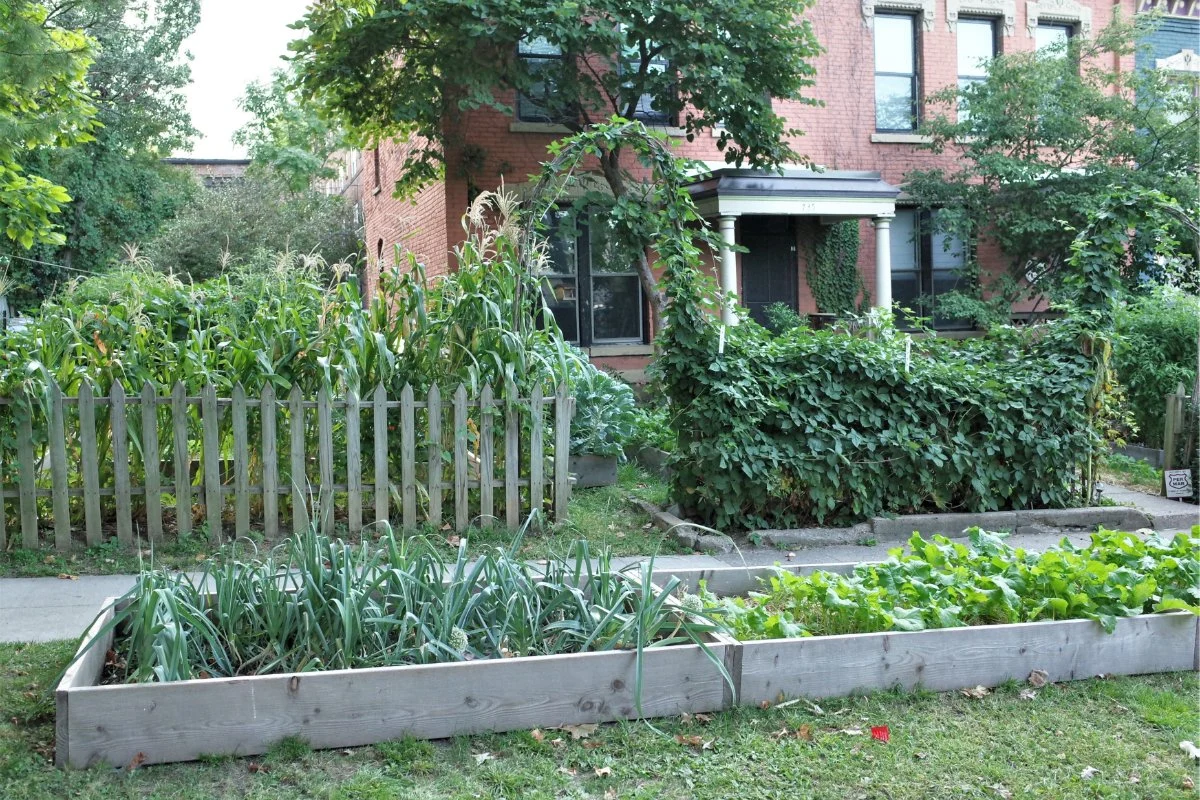
In the heart of Iowa’s vast agricultural landscape, a quiet but potent battle unfolded in Des Moines, pitting a determined homeowner against municipal regulations over the right to cultivate edible plants on city-owned land. Allison Stuart, a long-time resident and mother of six, found herself at the center of a burgeoning "right-to-garden" movement after being ordered by the city to dismantle the thriving vegetable patch she had nurtured for two years on the public easement bordering her property. Her struggle has ignited a city-wide debate, questioning why Des Moines prioritizes ornamental flora over nutrient-rich food at a time of escalating grocery prices and increasing food insecurity across the state.
A Community Garden Rooted in Necessity and Opportunity
Allison Stuart’s gardening journey around her vintage 1898 Des Moines home began 15 years ago, transforming her personal yard into a verdant oasis of broccoli, onions, and tomatoes. Her passion for growing food extended beyond her fence line, particularly onto the city-owned strip of land, often referred to as a "parkway" or "boulevard," situated between the sidewalk and the curb along her corner lot. For Stuart, this wasn’t merely a hobby but a fundamental aspect of her family’s well-being. "Kids will really love a vegetable if they can pick it off the plant themselves," she shared, recalling scenes of her children "under a cherry tomato plant, stuffing their faces." This direct engagement with food, she believes, fosters healthy eating habits and a connection to nature often lost in modern diets.
The expansion of Stuart’s curbside garden two years prior was spurred by an act of nature. A storm toppled a large tree near the street, creating an 11-foot-wide patch suddenly bathed in sunlight. Seizing this opportunity, Stuart saw not just an empty space but a potential shared resource. She invited neighbors, some of whom live in apartments with no land access, including refugees from Myanmar and Afghanistan, to join her in tending vegetables on the municipal land. "The Earth is super generous, and so that strip of land, because that tree fell, gave not just me but several of my neighbors access to fresh food that they would not have afforded this year," Stuart explained. This communal effort transformed a previously unused strip of land into a vibrant hub for fresh, affordable produce, addressing a tangible need within her neighborhood. However, this seemingly benign act of community building would soon escalate into a significant municipal dispute.
The Rise of the Right-to-Garden Movement

Stuart’s case in Des Moines is not an isolated incident but rather a localized manifestation of a larger national "right-to-garden" movement. This burgeoning advocacy seeks to counter restrictive city and county ordinances that often prohibit residents from cultivating edible plants on their own properties, particularly in front yards or using structures like hoop houses. Proponents of the movement argue for food sovereignty, the right of individuals and communities to define their own food systems, and the practical benefits of local food production, including improved nutrition, reduced food miles, and economic savings.
Across the United States, a patchwork of regulations governs what can be grown on private property and public easements. While some municipalities actively encourage urban agriculture, others maintain strict aesthetic or safety codes that inadvertently or explicitly ban food gardens. The pushback against these restrictions has gained considerable momentum, leading to legislative changes in several states. For instance, Illinois and Florida have passed "right-to-garden" laws, protecting residents’ ability to grow food on their residential properties, often overriding local ordinances. These laws typically aim to balance individual property rights with community welfare, recognizing the growing importance of local food systems for health, environment, and economic resilience. The Des Moines conflict underscores the ongoing tension between municipal control over public spaces and citizens’ desire for greater autonomy in their food choices, particularly in a state like Iowa, where industrial agriculture dominates.
A Formal Code Change and City’s Rationale
The seeds of the dispute in Des Moines were sown not long before Stuart’s garden flourished. City Engineer Steve Naber confirmed that, historically, Des Moines’ regulations for border areas allowed only grass, naturally occurring plants, and city-planted trees. This unwritten understanding was codified and made explicit in a June 2025 city ordinance, which updated right-of-way rules. While the update permitted decorative landscaping features, edging, and mulch, it simultaneously formalized the ban on edible plants. This move built upon earlier changes, as since 2019, city code had allowed ornamental plants like daylilies, hostas, and zinnias up to 36 inches high in rights-of-way. The city even launched its 2025 Neighborhood Flower Program, supplying residents with springtime trays of young seedlings from a specified list of 19 ornamental plants to beautify sidewalk strips.
Naber articulated the city’s opposition to "unfettered edible plants" in rights-of-way, citing concerns primarily related to public health, safety, and accessibility. He emphasized the potential for overgrowth at intersections to obstruct drivers’ views, posing traffic hazards. Furthermore, he raised concerns that food gardens could impede access for utility line maintenance or even emergency services. Elderly residents, Naber noted, have also complained about plantings that complicate their path from a parked car to the sidewalk, highlighting accessibility issues. "We even had a garden with a wood border and metal stakes, which are hazards in and of themselves," Naber stated, pointing to potential physical dangers.
Beyond immediate safety, Naber also voiced skepticism regarding the healthfulness of food grown near curbs, where engine exhaust, dust, and tar from passing cars could contaminate produce. While some growers have ridiculed this concern, Naber maintained his position, drawing on his extensive experience: "People can subjectively argue whether I’m stupid for saying people could get hurt on these things or dogs can get sick" from curbside vegetables, he conceded, but "yet I know, in my 25-plus years in municipal engineering, the more you allow in the right of way, the more things that happen." The city’s stance, therefore, is rooted in a precautionary principle, aiming to minimize potential liabilities and ensure consistent public safety and accessibility across its 900 miles of streets.

Chronology of Conflict: From Seedlings to Dismantling
The direct conflict over Allison Stuart’s garden began on May 15, when Des Moines officials opened a case against her curbside vegetable patch. At this point, young vegetable seedlings were just emerging from three scrap-wood-framed garden beds, each about half a foot high, near the parking curb. Less than three weeks later, on June 4, the city issued a formal citation to Stuart, demanding the removal of what it controversially labeled "trash" garden beds on its land in front of her home. This order, if followed immediately, would have effectively killed the nascent plants, devastating Stuart and her neighbors who relied on the burgeoning harvest.
Feeling the weight of the city’s directive, Stuart chose to fight back. She launched an online petition, rallying community support under the banner of "Protect our right to garden on property easements." The petition quickly garnered significant attention, accumulating more than 860 signatures, signaling strong public sentiment in favor of her cause. This collective outcry likely influenced the city’s subsequent actions. On August 19, a city hearing was held, resulting in a temporary reprieve for Stuart’s garden. The ruling allowed her to maintain the garden through the current growing season, but with a strict deadline: it had to be removed by November 2. True to her word, several days ahead of the deadline, Stuart reluctantly tore up her beloved curbside garden, marking a bittersweet end to its brief but impactful existence. The dismantling of the garden, just before Halloween, was a visible symbol of the ongoing struggle between individual initiative and municipal regulation, but it also fueled the resolve of local advocates for future policy changes.
Community Response and Broader Implications for Iowa
Stuart and her allies vehemently object to the limitations imposed on growing edible crops on these unused strips of land, particularly given Iowa’s broader agricultural and environmental context. "In Iowa, we are putting so many chemicals on our food right now that we can’t drink our water," Stuart asserted, referencing the alarming rates of nitrate contamination in the state’s waterways, which have been linked to high cancer rates and are primarily attributed to agricultural runoff. She challenged the city’s health concerns regarding dust on her tomatoes, arguing, "What’s unsafe is the way that our corporate farming is working, so don’t come here and tell me that some dust is going to get on my tomato, and the city’s going to be liable for that." This perspective frames the local gardening dispute within a much larger, statewide debate about sustainable agriculture, water quality, and public health.
Many residents, and even some city officials, were reportedly unaware that the ban on edible plants had been formally enshrined in the city ordinance in 2025. City Council member Carl Voss expressed surprise, stating, "We didn’t see this coming," and noted that the change originated from Des Moines’ engineering department, rather than the Food Sustainability Advisory Committee, where such policy discussions might be expected. Voss, himself a gardener who grows garlic, prize-winning green beans, and rhubarb on his property, affirmed the value of urban gardening. "Urban gardening is a good thing, right? If you grow your own plants, you can make butter crunch lettuce look pretty good in the front yard," he commented, highlighting the aesthetic potential of food plants when properly managed.

The controversy also raised suspicions among some residents, who accused the city of favoring a manicured aesthetic consistent with gentrification, potentially at the expense of practical food access and community empowerment. Ed Fallon, a former Iowa state representative and prominent urban farming advocate, emphasized the critical importance of these parking strips. He and his wife, Kathy Byrnes, who run the Birds & Bees urban farm around their 1885 rowhouse, annually harvest approximately 100 pounds of food from four beds along their public right-of-way – a substantial contribution to their food supply. Despite their significant use of the easement, they have yet to receive a complaint from the city, raising questions about selective enforcement. Fallon, a seasoned activist, remains optimistic, recalling past successes: in 2024, Byrnes and Fallon organized a protest outside City Hall where residents marched with chickens against proposed restrictions on backyard coops. "We always win these fights," Fallon declared, signaling a readiness for continued advocacy should the need arise.
Des Moines’ Evolving Food Policy: A Contradiction?
The city of Des Moines has, in recent years, demonstrated a growing commitment to fostering urban farming, enhancing food security, and adapting to climate change. Over the past half-decade, the capital city of Iowa has actively explored and implemented various strategies to support local food systems. A significant milestone occurred in 2021 when the city’s Food Security Task Force formally recommended amending municipal code to specifically allow for right-of-way food crops. This recommendation was further reinforced by the city’s new FEED DSM online toolkit, which explicitly listed the parking strip as an approved location where residents could grow food. These initiatives reflected a progressive vision for urban agriculture, aiming to leverage underutilized public spaces for community benefit.
Allison Stuart, in fact, stated that she originally planted her edible crops along her sidewalk strips precisely because these recommendations and resources suggested it was permissible. Her surprise citation, therefore, created a profound sense of confusion and betrayal. She speculated that the city’s action might have been triggered by a routine home repair inspection months earlier, during which a city inspector mentioned that her front-facing garden beds might violate city code but did not issue a formal warning or follow up. This lack of clear communication and the apparent contradiction between official recommendations and enforcement actions have fueled frustration among residents and advocates, leading them to question the consistency and transparency of the city’s policy implementation.
National Precedents and Local Solutions
The debate in Des Moines also highlights the lack of standardized terminology and regulations for these public easements across the United States. These strips of land, which go by various names such as "boulevard," "street terrace," "planting strip," or "parkway," reflect a diverse approach to their use and management. For instance, Minneapolis explicitly allows vegetables to flourish on its "boulevards," recognizing the value of urban agriculture. Madison, Wisconsin, permits vegetables and even raised beds, albeit with height restrictions, on its "street terraces." Seattle offers free permits for residents to grow food on their "planting strips," actively encouraging community engagement in food production. Similarly, the "parkway" in Los Angeles can be used to cultivate edible plants, provided they comply with established landscaping guidelines. These examples demonstrate that numerous municipalities have found ways to accommodate food gardens in public rights-of-way while addressing concerns about safety, accessibility, and aesthetics, often through permitting systems or specific design standards.

However, implementing such programs comes with its own challenges, particularly for cities like Des Moines facing budget constraints. City Engineer Steve Naber pointed out that even if Des Moines were to pass a rule allowing food gardens within public easements, regulating them effectively could be difficult. Minneapolis, for example, allocates staff to manage its curbside-garden permit system. Des Moines, currently grappling with a multimillion-dollar budget shortfall, might struggle to fund the administrative oversight required for a similar program. This financial reality underscores the practical complexities of balancing progressive urban planning with fiscal responsibility, suggesting that any future policy changes would need to consider sustainable implementation models.
Looking Ahead: Policy Review and Future Prospects
For now, the Des Moines City Council has referred the contentious issue of food gardens in rights-of-way to its Food Sustainability Advisory Committee. This move indicates a recognition of the complexity and importance of the debate, allowing for a more thorough review and public input. Breann Bye, a nonvoting staff liaison to the committee and Des Moines’ economic development project manager, noted that the committee has already undertaken a study of how ten other communities approach easement gardens. "In general, [the committee is] interested in trying to find a solution that might allow edible plants while also addressing any concerns about right of way maintenance," Bye stated, indicating a desire for a balanced outcome. However, the timeline for a final determination by the city council remains unclear, and crucially, the city council is not obligated to act on the committee’s recommendations.
Despite the uncertainty, Allison Stuart remains a beacon of hope and advocacy for her community. She continues to emphasize that growing food directly addresses critical issues like food insecurity in her neighborhood, where many families, including refugees, lack access to land. Her invitation to neighbors to plant tomatoes and squash on the patches she cultivates embodies her philosophy: "Why not? It’s just empty land." With her contested garden dismantled, Stuart plans to expand vegetable growing on another section of her property that she owns outright next year, and she may still plant flowers in the right-of-way in the spring, adhering to current regulations.
Ultimately, Stuart’s deeper aspiration is for the freedom to grow food on city easements to prevail. She believes homeowners should have greater control over the spaces they are responsible for maintaining. "Growing things is free," she asserted, connecting the act of gardening to broader societal values. "This is about us having some autonomy and power in our food system." Her fight in Des Moines transcends a mere patch of vegetables; it represents a fundamental demand for local food sovereignty, community empowerment, and a more resilient, equitable urban environment in a state often defined by its industrial agricultural might. The outcome of the city council’s deliberations will not only shape Des Moines’ urban landscape but also send a powerful message about its commitment to food security and citizen engagement in the face of evolving environmental and economic challenges.