admin
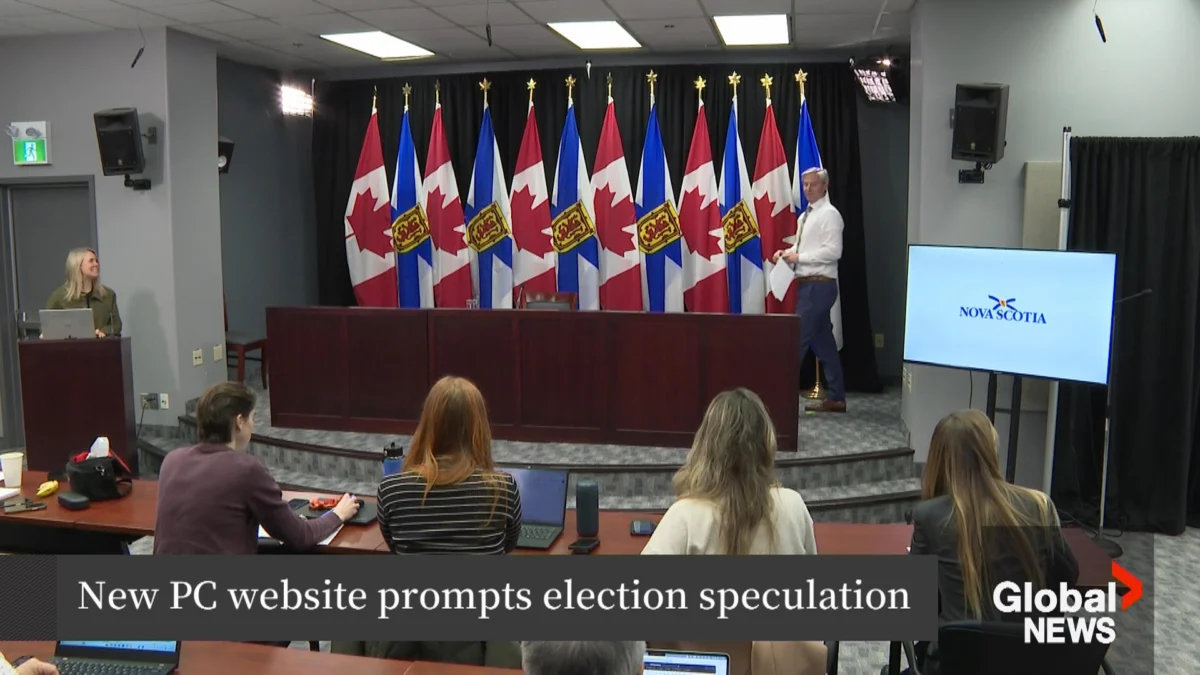
Speculation around a potential provincial election is swirling across Nova Scotia, fueled by the recent launch of a new digital platform by Premier Tim Houston’s Progressive Conservative government. The website, designed to outline a comprehensive "plan for the province," prominently features calls to action, urging citizens to "add your name" and "support the plan." This strategic digital initiative, coupled with a series of accompanying video advertisements and social media promotions, has ignited political chatter despite Premier Houston’s assertions that an imminent election call is not on the horizon. The premier maintains that the website’s primary purpose is public education and soliciting feedback to help balance provincial priorities, rather than a precursor to a snap election.
Background to the Current Political Climate
The current wave of election speculation is not without precedent in Nova Scotia’s recent political history. Premier Houston, who secured a second consecutive majority government in November 2024 after calling a snap election, has demonstrated a willingness to leverage strategic timing to his party’s advantage. His decision in 2024 to go to the polls well ahead of the constitutionally mandated schedule caught many off guard, but ultimately paid dividends, cementing his party’s mandate. That election, held just over two years into his first term, capitalized on a period of relatively high approval ratings for the PC government and, arguably, a less unified opposition. Political analysts at the time suggested that Houston sought to secure his government’s position for a full four-year term while momentum was on his side, before potential future challenges could erode public support. The successful execution of that strategy now casts a long shadow over every subsequent move by the PC government, particularly any actions that resemble pre-election campaigning. The memory of the 2024 snap election ensures that any significant public outreach or policy communication from the governing party is scrutinized through an electoral lens.

The "Plan for the Province" Website: A Deep Dive
The newly launched website serves as a central hub for the Houston government’s vision for Nova Scotia’s future. While the premier emphasizes its educational role, its design and content suggest a more comprehensive political objective. The platform likely details key policy initiatives across various sectors, echoing the themes Houston articulated to reporters: healthcare, education, and the arts. These are typically areas of significant public concern and investment, making them natural focal points for any government seeking to build public consensus. The website’s interactive elements, such as the "add your name" feature, are particularly noteworthy. Beyond merely gathering support, such tools can serve multiple strategic purposes for a political party. They can help build a robust database of engaged citizens, providing valuable contact information for future communication. They can also gauge public sentiment on specific policy proposals, allowing the government to refine its messaging or even adjust its priorities based on feedback. Furthermore, a high volume of signatories could be presented as tangible evidence of broad public support for the government’s agenda, a powerful narrative to deploy in the event of an election.
Premier Houston articulated the rationale behind the website, stating, "Obviously there’s lots of things on the minds of Nova Scotians, I think that would be fair to say. So it’s an an opportunity for us to try to educate them on how these things are connected and what’s possible." This framing suggests an attempt to connect various government initiatives under a cohesive narrative, demonstrating how different policy pieces fit into a larger provincial strategy. This approach is typical of governments seeking to articulate a long-term vision, often in anticipation of a public mandate renewal.
Economic Development: The Core Pillar

A central tenet of the government’s "plan for the province," as highlighted by Premier Houston, is the critical link between economic growth and the funding of public services. "If we want to pay for services, we want better health care, we want a better education, we want to invest more in the arts, it has to come from somewhere," Houston explained. "And the way that we can protect the budgets and strengthen the province is to grow the economy. So that’s why we’re pushing forward with economic development opportunities." This statement underscores the PC government’s fundamental economic philosophy and its intended strategy for fiscal sustainability.
Nova Scotia, like many other Canadian provinces, faces ongoing challenges related to an aging demographic, labour shortages, and the need to diversify its economy beyond traditional sectors. Data from Statistics Canada and provincial economic reports consistently highlight the importance of strategic investments in innovation, technology, and skilled trades to drive sustainable growth. For instance, recent reports indicate that Nova Scotia has seen modest but steady population growth, largely driven by immigration, which provides a critical boost to the labour force and consumer demand. However, maintaining this trajectory requires continued investment in infrastructure, housing, and social services to integrate newcomers effectively.
The government’s economic development initiatives likely focus on attracting new businesses, supporting local entrepreneurs, and investing in key sectors such as ocean technology, clean energy, and value-added agriculture. Initiatives aimed at streamlining regulatory processes, offering targeted incentives, and fostering partnerships between academia and industry would typically fall under such a strategy. By emphasizing economic development as the engine for improved public services, the government aims to create a compelling argument for its overall fiscal management and spending priorities. The website presumably elaborates on these specific economic drivers, illustrating how each initiative contributes to the broader goal of a stronger, more prosperous Nova Scotia capable of funding enhanced healthcare, education, and cultural programs.
Opposition Reactions and Readiness

The launch of the PC government’s new platform and the accompanying election speculation have predictably elicited strong reactions from the opposition parties, who remain wary of Premier Houston’s political maneuvering. Liberal Leader Becky Druhan minced no words, stating, "We’ve seen him demonstrate that he will call an election when he thinks it’s good for him. So it may happen and if it does we’ll be ready, but I would encourage him to focus on doing better in the job that he has." Druhan’s comments reflect a deep-seated skepticism about the premier’s intentions, suggesting that the website is less about genuine public engagement and more about testing the waters for another opportunistic election call. Her call for the government to "focus on doing better" implicitly criticizes the PC’s current performance, likely alluding to persistent issues such as the rising cost of living, healthcare system pressures, and housing affordability challenges that continue to affect many Nova Scotians. The Liberals, having experienced the impact of a snap election previously, are keen to project an image of preparedness, regardless of the timing.
Similarly, NDP Leader Claudia Chender expressed her party’s readiness while also articulating a broader public sentiment. "I think that this government has made very clear that they will call an election when it’s good for them," Chender remarked, echoing Druhan’s assessment of Houston’s strategic approach. However, Chender added a crucial dimension, stating, "What everyday people are telling us is that they want this government to use the tools available to them to try to make their lives better." This statement highlights a potential disconnect between the government’s perceived political maneuvering and the immediate concerns of the electorate. The NDP’s focus remains on practical solutions to everyday problems, such as addressing the housing crisis, improving access to family doctors, and tackling inflation. Chender’s remarks suggest that Nova Scotians may be more interested in tangible policy outcomes than in another period of electoral campaigning, particularly if they feel their pressing needs are not being adequately addressed. Both opposition leaders’ statements underscore a shared perception that the government’s actions are driven by political self-interest rather than a genuine desire for public consultation, while simultaneously asserting their parties’ readiness for a potential contest.
The Strategic Calculus of a Snap Election
The decision to call a snap election is a high-stakes gamble for any premier, and Premier Houston’s previous success in 2024 certainly informs the current political calculus. Several factors typically influence such a decision. A government might consider an early election if its internal polling shows strong public approval, if the opposition parties appear to be in disarray or struggling with leadership, or if there is a significant policy achievement or budget surplus that can be leveraged. Conversely, waiting too long could expose the government to unforeseen economic downturns, scandals, or a surge in opposition popularity.

For the Progressive Conservatives in 2026, the potential advantages of an early election could include capitalizing on the momentum generated by the new "plan for the province" and its associated promotional campaign. If the public response to the website is overwhelmingly positive, it could provide a strong mandate for an early ballot. Moreover, if the government believes it has effectively addressed some key public concerns, or if it anticipates a period of economic uncertainty ahead, securing a mandate now could be seen as prudent.
However, there are significant risks. Calling an election too soon after the 2024 snap election could be perceived by voters as cynical or self-serving, potentially leading to voter fatigue or backlash. The opposition parties are now acutely aware of Houston’s propensity for early calls and are likely better prepared to mount a swift campaign. Furthermore, while the economy is a focus, issues like healthcare wait times and housing affordability remain pressing. If the public feels these issues are not being adequately addressed, an early election could backfire, as voters might use it as an opportunity to express their dissatisfaction. The premier must weigh the potential for a renewed, stronger mandate against the risk of appearing opportunistic and alienating a public that may prefer governmental stability over political theatre.
Media and Digital Campaign Strategy
The deployment of the new website is not an isolated event but part of a broader, sophisticated digital campaign strategy. The accompanying video advertisements, prominently featured across various platforms, and the promotional content shared on Premier Houston’s social media accounts, all serve to amplify the "plan for the province" message. These digital tools are integral to modern political campaigning, allowing parties to bypass traditional media gatekeepers and directly engage with voters. Video content, in particular, is highly effective for conveying emotional messages and simplifying complex policy proposals. The use of phrases like "protect" and "build" Nova Scotia in promotional videos aims to evoke a sense of guardianship and progress, resonating with voters who value stability and future prosperity.

This multi-platform approach ensures that the government’s message reaches a wide and diverse audience, from older demographics who consume traditional media to younger voters active on social media. The data collected from website interactions and social media engagement can also provide invaluable insights into voter preferences and the effectiveness of different messages, allowing the PC campaign to refine its strategy in real-time. Such a comprehensive digital rollout is characteristic of a party preparing for a significant electoral event, even if the official narrative downplays the immediate possibility of an election.
Broader Impact and Implications
The heightened election speculation carries significant implications for Nova Scotia’s political landscape and its policy trajectory. For the provincial government, it means operating under an intense spotlight, with every policy announcement and public statement scrutinized for its electoral implications. This can both focus and constrain decision-making, as the government seeks to maintain a positive public image while advancing its agenda. For the opposition, it means maintaining a constant state of readiness, both in terms of policy development and campaign organization. This can be a draining exercise, requiring continuous resource allocation and strategic planning.
More broadly, a potential early election could disrupt the legislative agenda, potentially delaying the implementation of critical policies or the passage of important legislation. It could also create a period of uncertainty for businesses and investors, who often prefer political stability. For Nova Scotian citizens, the primary concern remains the effective governance of their province and the resolution of pressing socio-economic issues. Whether the current speculation culminates in an election or merely serves as an extended public engagement exercise, it has undoubtedly heightened political awareness and underscored the dynamic nature of Nova Scotia’s political environment. The coming months will reveal whether Premier Houston’s digital outreach is merely an educational endeavor or a strategic prelude to another provincial election.