admin
The contemporary craft beer landscape is defined by a complex dichotomy between the pursuit of novelty and the foundational reliability of core brands. For nearly two decades, the industry has been propelled by a relentless cycle of innovation, where "new" was often synonymous with "better." However, as the market reaches a state of maturation and saturation, established breweries are rediscovering that long-term sustainability often depends on a delicate equilibrium: satisfying the adventurous palate of the "beer nerd" while maintaining the consistent quality that casual consumers and loyalists demand. This shift represents a significant strategic pivot for many independent brewers, who must now navigate a marketplace where consumer fatigue is as real a threat as a lack of creativity.
The Strategic Foundations of Regional Brewing
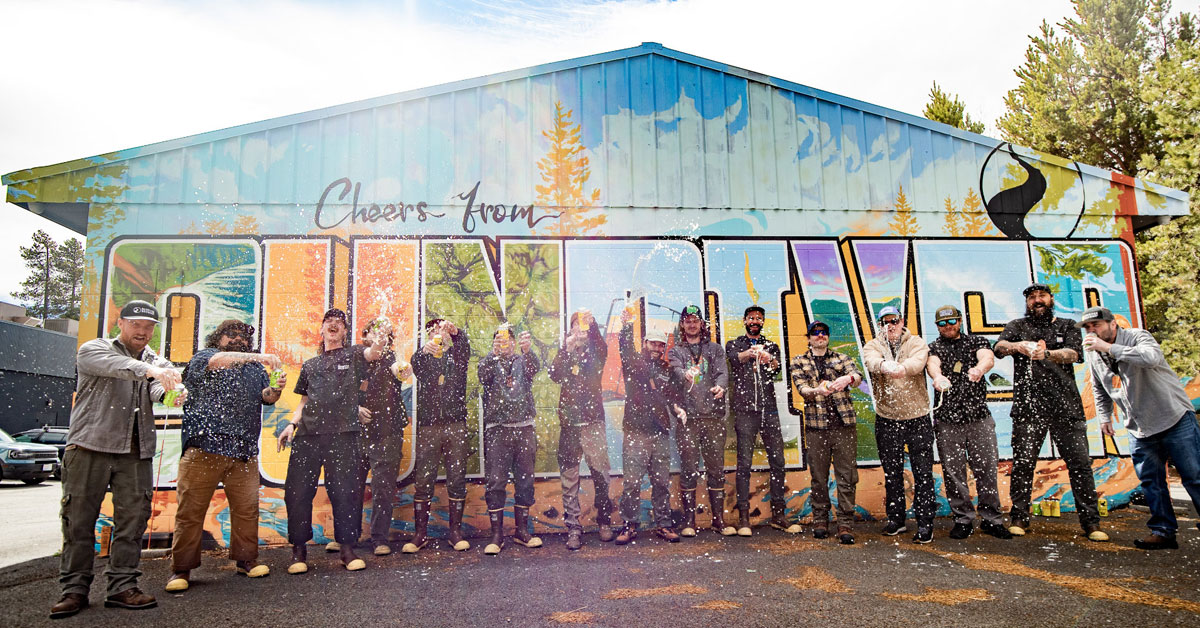
The origins of many successful craft breweries were rooted in hyper-local demographics and specific geographic needs. Sunriver Brewing, located in central Oregon, provides a clear example of how location dictates early production choices. When the brewery launched in 2014, its primary objective was to serve a transient population. Sunriver, a resort community with a permanent population of roughly 2,000, frequently swells to over 15,000 visitors during peak weekends and holidays. Consequently, the brewery’s initial portfolio was designed to be "pub-oriented," focusing on accessible styles such as blonde ales, pale ales, ambers, and stouts.
Head brewer Brett Thomas notes that these early selections were intended to bridge the gap for tourists who might be new to the craft beer experience. However, as the brewery expanded its footprint through wholesalers and additional taprooms, the necessity for a more sophisticated range became apparent. This expansion forced a transition into what Thomas describes as the "sweet but challenging spot" between cutting-edge experimentation and consumer familiarity. The evolution of Sunriver Brewing mirrors a broader industry trend where breweries must outgrow their initial local niche to survive in a regional or national distribution network.
The Market Pivot: Passion Versus Viability
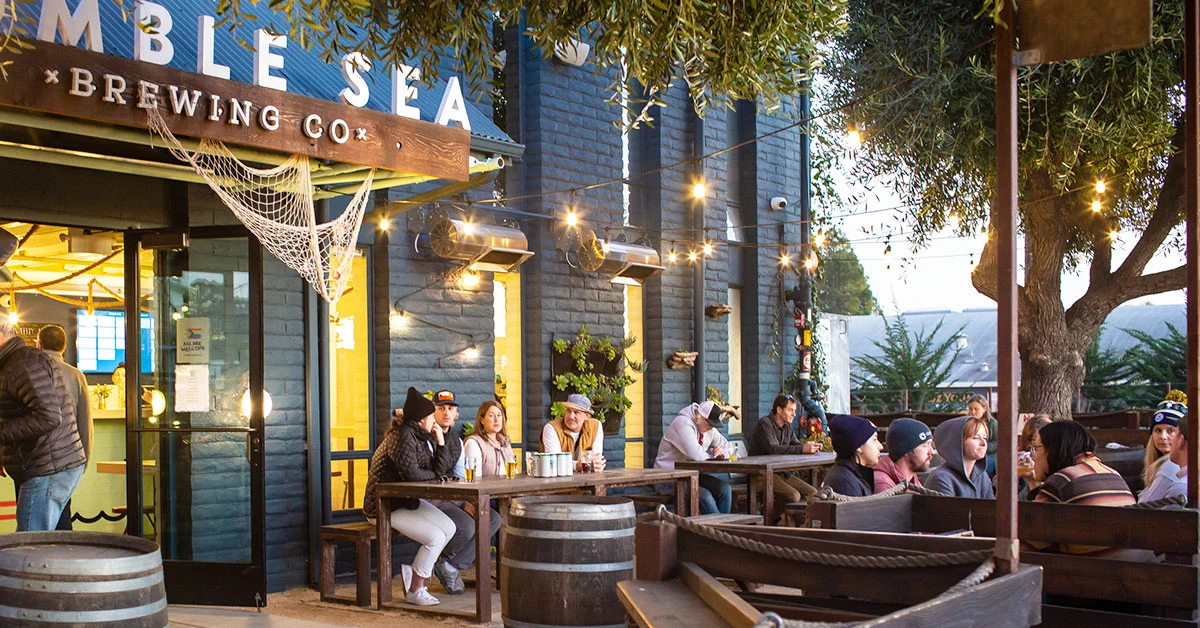
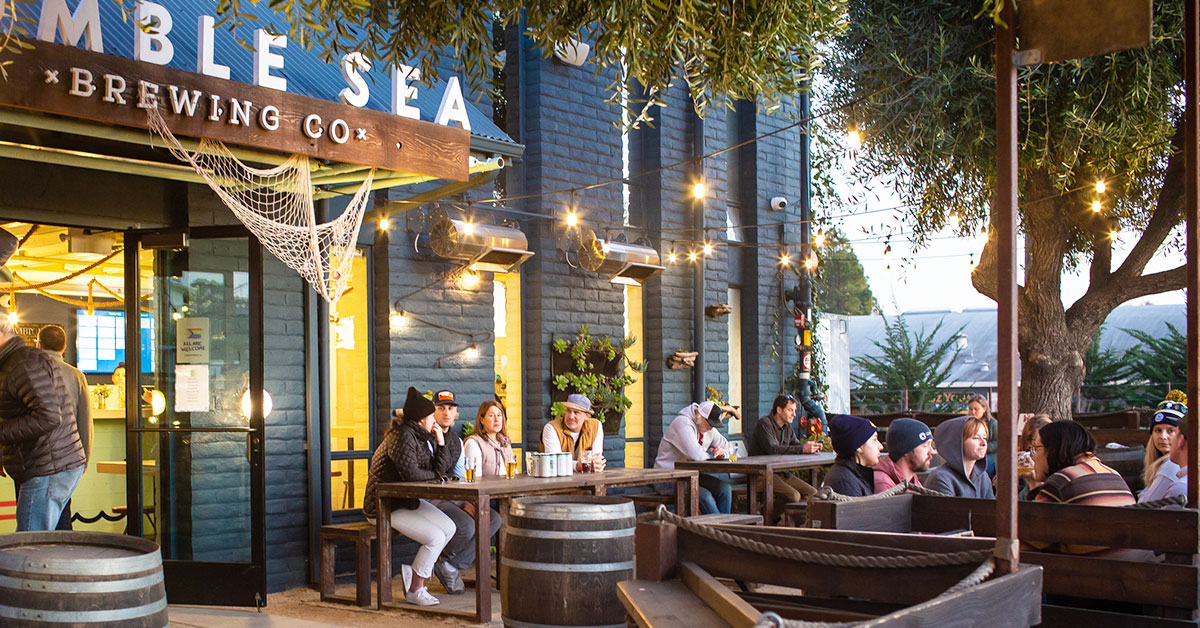
While some breweries start with a broad appeal, others begin with a specific niche only to be corrected by market forces. Humble Sea Brewing, founded in Santa Cruz, California, in 2015, provides a case study in market-driven adaptation. Cofounder Frank Scott Krueger notes that the brewery’s original mission was to be a "lager-first" establishment. At the time of their launch, however, the "lager revolution" that currently occupies a significant portion of the craft market had not yet gained momentum in California. To ensure the business remained solvent, Humble Sea pivoted toward hop-forward profiles, specifically developing a reputation for their "foggy" (hazy) IPAs.
This pivot was highly successful, placing Humble Sea on the national craft beer map. At one point, nearly 95% of their production was dedicated to hoppy styles. It was only after building a substantial brand equity and a trusting consumer base that the brewery was able to return to its original passion. Today, lagers constitute approximately 30% of their output, illustrating a trajectory where a brewery must often "earn" the right to brew the styles they love by first brewing the styles the market demands.
Industry Data and the Dominance of the IPA
The necessity for these pivots is underscored by broader industry data. According to the Brewers Association, India Pale Ales (IPAs) continue to dominate the craft beer sector, accounting for roughly 40% of all craft beer sales by volume in the United States. Within that category, the sub-styles—ranging from traditional West Coast IPAs to New England/Hazy IPAs—represent the primary engine of growth for independent breweries.
Data from recent years suggests that while "novelty" drives initial taproom visits, "consistency" drives retail sales. The proliferation of Stock Keeping Units (SKUs) on liquor store shelves has reached an all-time high, leading to what industry analysts call "shelf congestion." In this environment, a brewery that lacks a recognizable flagship brand often struggles to maintain permanent shelf space. Retailers are increasingly favoring brands with proven velocity—the speed at which a product sells through—over a rotating cast of one-off releases that require constant consumer education.
Chronology of a Changing Business Model
The evolution of the craft brewing business model can be divided into three distinct eras:
- The Flagship Era (1980s–2010): Early pioneers like Sierra Nevada, Boston Beer Company, and New Belgium built empires on the back of a single, iconic brand (e.g., Sierra Nevada Pale Ale, Samuel Adams Boston Lager, Fat Tire).
- The Era of Proliferation (2011–2020): A period defined by rapid growth in the number of breweries and an explosion of styles. Consumers demanded constant novelty, leading breweries to release new beers weekly or monthly, often neglecting their core brands.
- The Balanced Resurgence (2021–Present): A post-pandemic correction where breweries are refocusing on "heritage" or "flagship" brands to combat rising production costs and consumer "release fatigue."
The pandemic served as a critical inflection point. When taprooms closed, breweries that relied heavily on direct-to-consumer sales of limited releases had to quickly pivot to canning and distribution. This transition highlighted the importance of having a recognizable brand that could stand out in a grocery store cooler without the benefit of a bartender’s recommendation.
Navigating Competing Agendas in Distribution
The shift toward a more balanced portfolio is not without internal and external friction. Brett Thomas of Sunriver Brewing points out that as a brewery grows, it must satisfy multiple stakeholders with often conflicting priorities. Wholesalers generally prefer a streamlined portfolio with a high-volume flagship that is easy to sell to major retailers. Tavern and restaurant owners often want the latest "buzzworthy" release to attract enthusiasts. Meanwhile, brewery owners must balance profit margins, and brewers themselves often desire the creative freedom to experiment with niche styles like barrel-aged stouts or wild ales.
This "competing agenda" environment requires a sophisticated approach to production planning. Sunriver, for instance, maintains a tiered strategy: their "Coolwater" American light lager serves the tourist and entry-level demographic, while their barrel-aged and wild series cater to the high-end connoisseur. In the middle sits their flagship IPA, "Vicious Mosquito," which Thomas credits as the beer that built the brand. The success of Vicious Mosquito was largely driven by wholesalers who recognized its marketability and worked to "exploit those sales," creating a stable financial foundation that allows the brewery to experiment elsewhere.
The Psychology of Release Fatigue and Nostalgia
The return to flagship brands is also a response to the psychological state of the modern consumer. Jeff Alworth, a prominent beer historian and author, has noted that the industry spent much of the last decade focused almost exclusively on discovery. This led to a situation where many breweries neglected their core brands or failed to establish them altogether.
Frank Scott Krueger of Humble Sea observes that while people still enjoy trying new products, there is a visible "release fatigue" in the market. Consumers are increasingly looking for a "reliable, delicious beer" that doesn’t require a deep dive into hop profiles or fermentation techniques. This sentiment has fueled a wave of nostalgia, benefiting legacy brands like Sierra Nevada’s Celebration Ale and causing newer breweries to re-evaluate their "one-and-done" release strategies.
Humble Sea’s "Socks & Sandals" Foggy IPA is a prime example of a beer that became a flagship by popular demand rather than by corporate design. Despite the brewery’s initial resistance to the concept of a "core" beer, the consumer’s desire for familiarity forced their hand. "People want something familiar and great," Krueger admits, acknowledging that the flagship model offers a sense of security to the drinker in an otherwise overwhelming marketplace.
Broader Implications for the Future of Craft Beer
The trend toward "flagship-forward" strategies suggests a maturation of the craft beer industry that mirrors older beverage categories like wine and spirits. As the "gold rush" era of craft brewing ends, the breweries that survive will likely be those that can master the art of the "dual portfolio": maintaining a rock-solid core of 3-4 beers that provide the bulk of the revenue, while using a rotating series of innovations to keep the brand relevant and exciting.
Furthermore, the rise of "craft lagers" and "light lagers" within these portfolios indicates a move toward "sessionability"—beers with lower alcohol content that can be consumed in greater quantities. This is a direct response to health-conscious trends and the growing competition from the hard seltzer and non-alcoholic sectors. Sunriver’s decision to produce a craft seltzer, despite initial internal resistance, is a testament to the pragmatic reality of modern brewing: to stay in business, a brewery must meet the consumer where they are, not where the brewer wishes them to be.
In conclusion, the success of breweries like Sunriver and Humble Sea provides a blueprint for the next decade of craft beer. By embracing the flagship model, respecting the power of distribution partners, and remaining agile enough to pivot when market trends shift, these companies are moving beyond the "novelty trap." The future of craft beer appears to be one of "stable innovation"—a landscape where the excitement of the new is supported by the enduring strength of the familiar.