admin
The era of "whale hunting," characterized by beer enthusiasts camping outside breweries for limited-edition four-packs of hazy IPAs, has largely transitioned into a more sober reality for the American craft beer industry. Following a decade of explosive growth, the sector is facing a confluence of consumer shifts, economic pressures, and demographic changes that have forced even the most successful players to rethink their business models. According to the Brewers Association’s 2024 "Year in Beer" report, the industry saw 399 brewery closures in a single year, while overall production dipped by 2%. As Gen Z consumers increasingly gravitate toward non-alcoholic options, THC-infused beverages, and ready-to-drink (RTD) cocktails, a growing number of storied breweries are finding their salvation not in hops, but in the still.
The Convergence of Brewing and Distilling
The transition from brewing to distilling is more of a logical evolution than a desperate pivot. At their core, the two processes share a significant portion of their DNA. To produce whiskey, a distiller must first create a "wash" or a "mash"—essentially a beer brewed without the addition of hops. For established breweries, the infrastructure for grain handling, mashing, and fermentation is already in place.
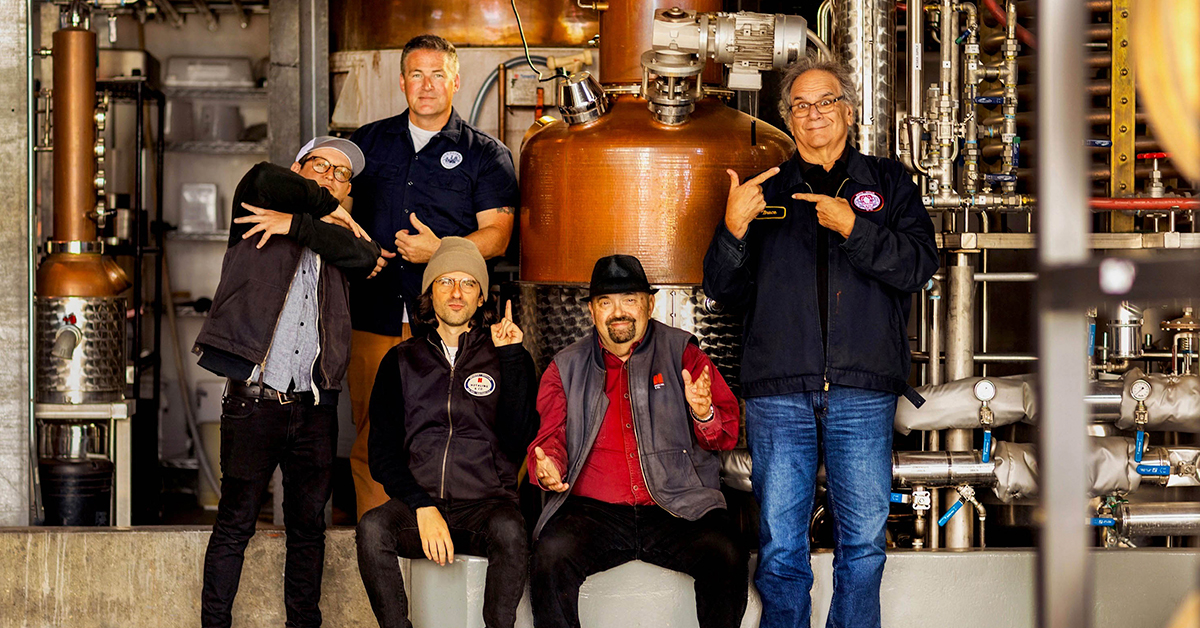
JC Tetreault, co-founder of Boston’s Trillium Brewing, noted that the realization came early in the brewery’s lifecycle. Founded in 2013, Trillium became a cornerstone of the New England IPA movement. However, Tetreault recognized that the technical overlap between the two crafts was too significant to ignore. By his estimation, a high-functioning brewery is approximately 90% of the way toward being a whiskey distillery. This technical synergy allows breweries to leverage existing expertise in grain sourcing and fermentation biology to enter the spirits market with a head start over "from-scratch" craft distilleries.
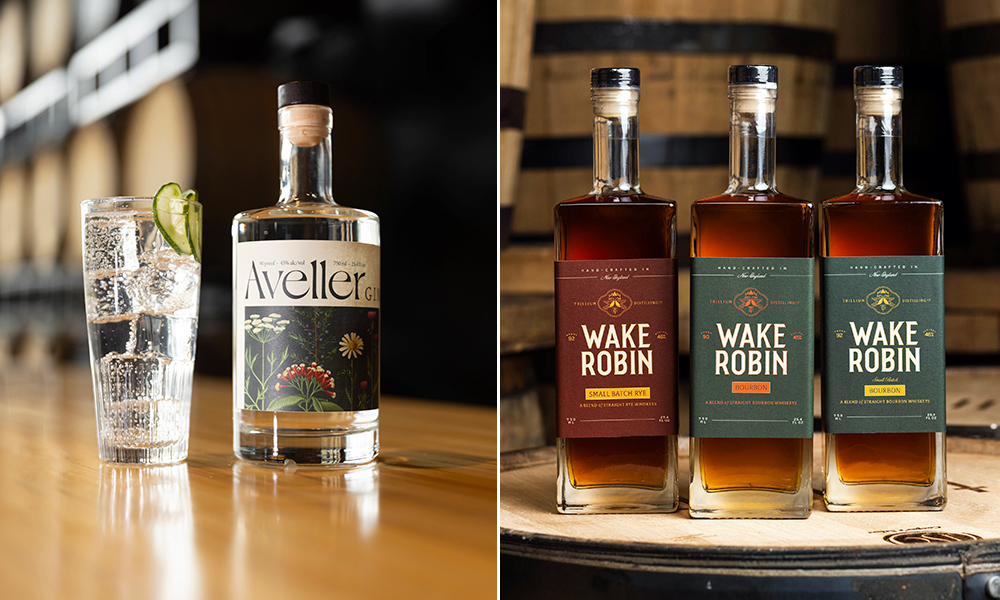
However, the transition is not merely a matter of adding a still to the warehouse. In many states, including Massachusetts, the legal and regulatory hurdles are substantial. For Trillium, expanding into spirits required entirely separate distilling spaces, distinct licensing, and a strategic rebranding to ensure that a customer base conditioned to seek out IPAs would also embrace Trillium-branded gin, rum, and whiskey.
A Chronology of the Craft Spirit Evolution
While the current wave of brewery-distilleries feels like a response to modern market cooling, the trend has deep historical roots in the American craft movement. Understanding the current landscape requires a look at the pioneers who bridged the gap between the pint glass and the rocks glass.
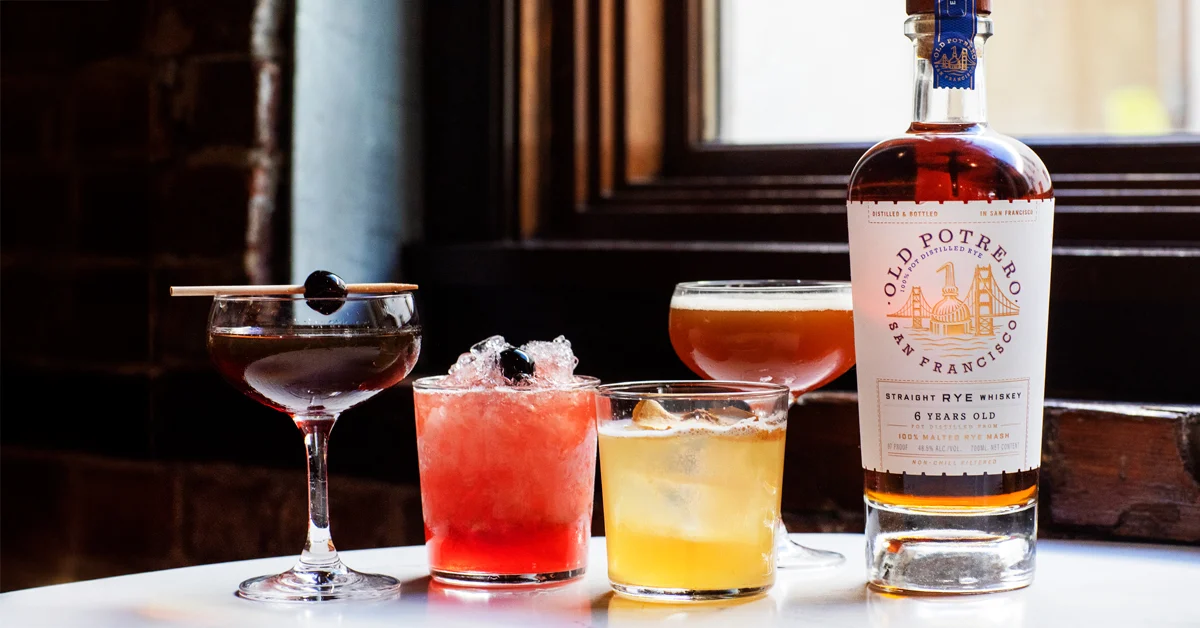
- 1993: Anchor Brewing (California): Widely regarded as the grandfather of the craft beer movement, Anchor Brewing launched Anchor Distilling (now Hotaling & Co.) in the early 1990s. Their release of Old Potrero, a single malt rye whiskey, proved that a brewing heritage could produce spirits that commanded respect from whiskey connoisseurs.
- 2003: Rogue Ales (Oregon): Rogue established its distilling operations in Newport, Oregon, eventually becoming one of the few distilleries in the country to operate its own cooperage, hand-crafting the barrels used to age their spirits.
- 2005: New Holland Brewing (Michigan): Known for its "Dragon’s Milk" bourbon barrel-aged stout, New Holland integrated distilling into its portfolio early, creating a brand that seamlessly moved between the two worlds.
- 2006: Ballast Point (California): Before its billion-dollar sale and subsequent restructuring, Ballast Point launched what would become Cutwater Spirits. The success of Cutwater’s canned cocktails was so profound that it was eventually spun off and acquired by Anheuser-Busch in 2019, serving as a blueprint for the modern RTD market.
- 2017-Present: The Modern Wave: This period has seen the entry of "hype breweries" like 3 Floyds, Finback, and Tree House into the spirits sector, driven by a need to diversify as the craft beer market reached a point of saturation.
Case Study: Tree House Brewing and the "Grain to Glass" Philosophy
Perhaps no brewery better illustrates the scale of this ambition than Tree House Brewing Company. Since its founding in 2011, Tree House has grown from a small garage operation into a regional powerhouse with multiple locations across New England, including a 100-acre farm in Woodstock, Connecticut.
In 2021, Tree House launched its distilling program with a focus on "grain to glass" production. By utilizing New England-grown grains for their Old Growth Bourbon and Rye, they have maintained the same artisanal, local-centric ethos that built their beer brand. John Britton, who leads the distilling program, emphasizes that the quality of the spirit is dictated by the quality of the mash. Because Tree House already possessed world-class brewing equipment and expertise, the move into spirits was a natural extension of their "artful scale" philosophy.
Tree House has also utilized its existing canning infrastructure to dominate the RTD market. Their lineup includes sophisticated canned cocktails like Tom Collins and Palomas. Notably, their Paloma uses a house-distilled agave spirit, Casa de Árbol, rather than imported tequila, allowing the brewery to maintain total vertical integration and quality control.
Market Data and the Shift in Consumer Behavior
The pivot toward spirits is backed by hard economic data. For the first time in modern history, spirits have begun to take significant market share away from beer. According to the Distilled Spirits Council of the United States (DISCUS), spirits’ share of the total beverage alcohol market has risen steadily, reaching roughly 42% in recent years, while beer has seen its share contract.
The decline is particularly sharp among younger demographics. Gen Z consumers are often characterized as "sober-curious," consuming less alcohol overall than previous generations. When they do drink, they tend to favor spirits or RTDs over the heavy, high-calorie IPAs and stouts that defined the craft beer boom of the 2010s. Furthermore, the rise of legalized cannabis has introduced new competition for "share of buzz," particularly in the form of THC-infused seltzers.
For a brewery, adding spirits is not just about selling a different product; it is about expanding the "occasion." A taproom that only serves beer limits its audience to beer drinkers. A taproom that offers high-end cocktails, house-made gin, and spirits-based RTDs becomes a destination for a much broader demographic, including the "post-dinner" and late-night crowds who might have previously bypassed a brewery in favor of a cocktail bar.
Strategic Implications and the "Halo Effect"
The diversification into spirits provides a "halo effect" for the core beer business. Trillium’s Headroom Hi-Fi Cocktail Lounge in Boston’s Fort Point neighborhood is a prime example. By creating a sophisticated space dedicated to spirits and high-fidelity audio, Trillium has attracted a younger cohort that may have been entirely unaware of the brand’s brewing pedigree. Once inside, these consumers are introduced to the brand’s aesthetic and quality, which often leads to them exploring the beer menu as well.
This strategy also addresses the "aging out" of the original craft beer fan. Many consumers who stood in lines for IPAs in 2015 have matured in their tastes or are looking for lower-volume, higher-proof options. By offering premium whiskeys and rums, breweries can retain their loyal customer base even as those customers’ preferences evolve.
From a business operations perspective, spirits offer a longer shelf life and higher margins than highly perishable, hop-forward beers. While a hazy IPA might lose its peak flavor in 60 days, a barrel-aged whiskey only increases in value over time. This provides a financial buffer against the volatility of the craft beer market.
Future Outlook: The Total Beverage Company
As the industry looks toward 2025 and beyond, the definition of a "brewery" is being permanently altered. The most resilient companies are no longer viewing themselves solely as beer producers, but as "total beverage companies." This transition involves a multi-pronged approach: maintaining a core lineup of high-quality beers, developing a robust spirits program, and entering the non-alcoholic and RTD spaces.
The challenges remain significant. Distilling requires a different set of safety protocols, aging spirits requires significant capital to be tied up in inventory for years, and the spirits market is becoming just as crowded as the beer market once was. However, for breweries like Trillium, Tree House, and Finback, the risk of standing still is far greater than the risk of moving into the still.
The success of these programs suggests that the future of the American taproom lies in variety. By blurring the lines between the brewery and the distillery, these companies are not just surviving a downturn in beer production—they are redefining the American drinking experience for a new generation of consumers who value craft, regardless of the vessel it is served in.