admin
The vast expanse of Algeria’s Sahara Desert, once a region largely overlooked by international tourism, is emerging as a focal point in the North African nation’s ambitious strategy to diversify its economy and attract a new wave of visitors. Driven by a government initiative to significantly boost tourism by 2030, the Sahara is being positioned as a unique destination offering unparalleled natural beauty, rich cultural heritage, and a profound sense of tranquility. This strategic shift, coupled with relaxed visa policies for desert-bound travelers, is paving the way for a more accessible and potentially transformative tourism sector.

The initial spark for this burgeoning tourism push can be traced to a recent governmental recognition of the Sahara’s untapped potential. For decades, Algeria’s economy has been heavily reliant on its substantial oil and gas reserves, leading to a comparatively underdeveloped tourism industry. Compared to its North African neighbors like Morocco and Egypt, which draw millions of international visitors annually, Algeria has historically received a fraction of that number. A significant portion of its existing tourist arrivals consists of Algerians from the diaspora visiting family. However, a new "master plan" unveiled by the Algerian government aims to quadruple tourist arrivals by 2030, with a particular emphasis on leveraging the allure of its vast desert landscapes.
The Sahara’s Allure: Beyond the Dunes
The allure of the Algerian Sahara lies not only in its breathtaking and diverse landscapes but also in its historical and cultural significance. The Tassili n’Ajjer plateau, a UNESCO World Heritage site, is a testament to this, boasting an extraordinary collection of prehistoric rock art. These ancient engravings and paintings, some dating back as far as 10,000 years, depict scenes of daily life, hunting rituals, and a rich array of flora and fauna that once thrived in the region. This offers a unique window into human history and the dramatic climatic shifts the area has undergone.

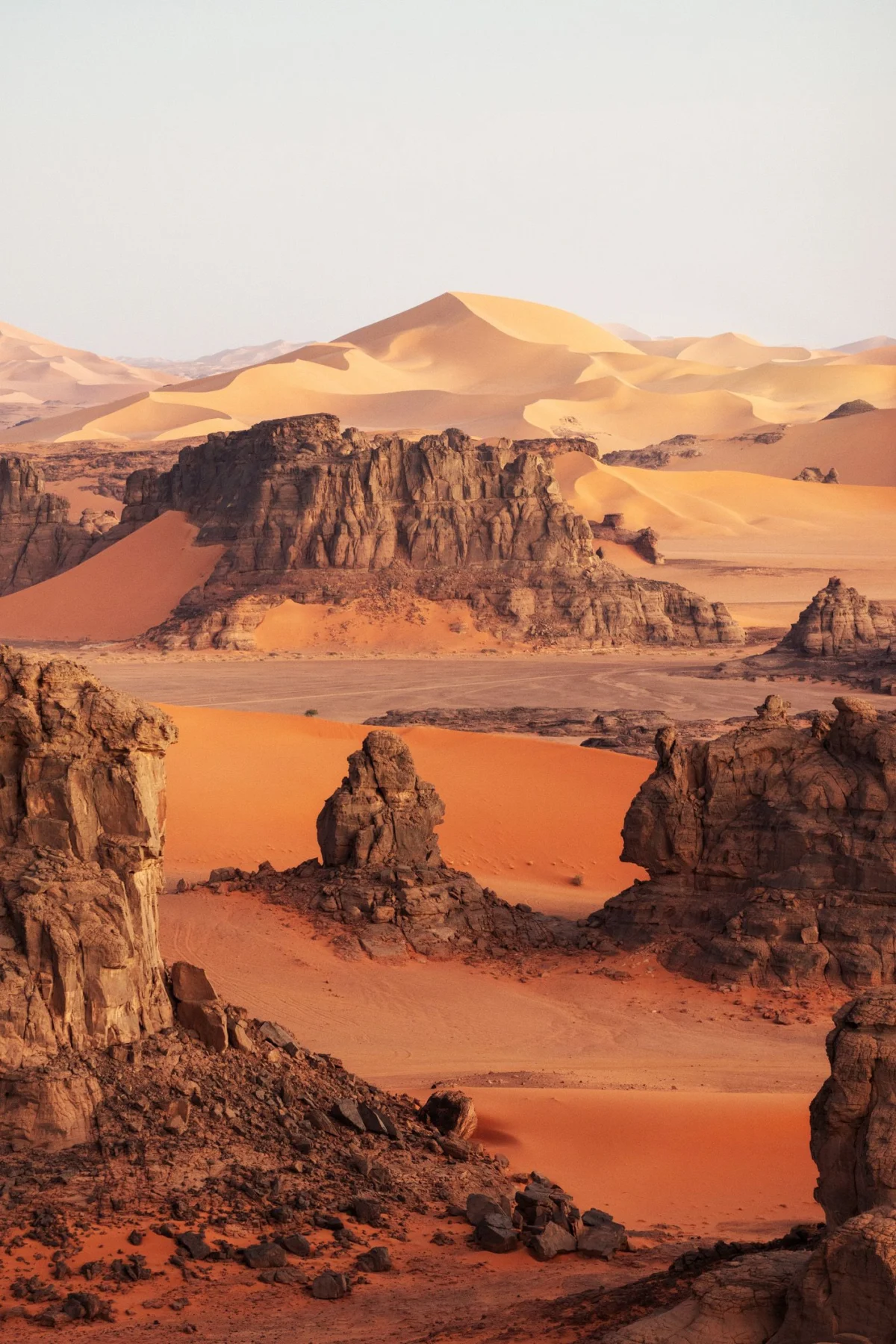
The desert itself presents a mesmerizing panorama of shifting sand dunes, stark rocky plateaus, and dramatic geological formations. From the ethereal glow of sunrise over vast seas of peachy sand to the profound silence punctuated only by the whisper of the wind, the Sahara offers an immersive experience that appeals to those seeking escape and rejuvenation. The absence of light pollution also transforms the night sky into a celestial spectacle, with the Milky Way arching across a canopy of countless stars, providing a profound connection to the cosmos.
A New Era of Accessibility: Visa Reforms and Infrastructure Development
A key enabler of this tourism surge is the government’s introduction of visas on arrival for visitors whose itineraries are primarily focused on the Sahara. This pragmatic policy change, implemented to streamline entry procedures, has already seen significant uptake, with nearly 39,000 visitors benefiting from this scheme since its inception in 2023. This has contributed to a noticeable uptick in overall tourist arrivals, signaling a positive response to the government’s efforts.

While much of the planned infrastructure development, including new hotels and improved transport links, is still in its nascent stages, the current offerings are already proving attractive. Tour operators like Explore Worldwide, a UK-based small-group tour company, have responded by launching new itineraries to Algeria, recognizing the growing demand for unique travel experiences. These tours often blend cultural immersion in cities like Algiers with extended stays in the Sahara, providing a comprehensive introduction to the country.
Experiencing the Sahara: A Personal Journey
The experience of traveling to Algeria’s Sahara, as recounted by a recent visitor, highlights the profound impact of this remote wilderness. The journey typically begins in Algiers, the nation’s vibrant capital, offering a glimpse into its rich history and cultural tapestry. A visit to the UNESCO-listed Casbah, with its labyrinthine alleys and traditional Ottoman-style architecture, provides a historical counterpoint to the desert’s natural grandeur. Exploring sites like the Hamma Botanical Garden and the National Museum of the Mujahid offers a deeper understanding of Algeria’s past and its resilience.

From Algiers, the adventure typically continues with a flight to Djanet, a remote oasis town in the southeastern part of the country, serving as a crucial gateway to the Sahara. This flight, often scheduled during the cooler night hours, underscores the logistical considerations of desert travel. Upon arrival, travelers are often struck by the country’s robust security measures, a reflection of regional geopolitical sensitivities. However, for tourists on organized tours, these procedures are managed by experienced local guides who are well-versed in navigating the necessary protocols.
Navigating the Desert: Guided Expeditions and Cultural Encounters
The core of the Saharan experience often involves multi-day expeditions across the Tassili n’Ajjer plateau. Traveling in robust four-wheel-drive vehicles, often in convoys, allows visitors to traverse varied terrains, from Mars-like rocky plains to expansive dune seas. These journeys are guided by experienced locals, such as Aissa Khirani, who possess intimate knowledge of the desert’s routes, its history, and its nomadic inhabitants.

These expeditions are meticulously planned, with guides required to submit detailed itineraries, including guest and staff information, to military authorities. This security measure, while stringent, ensures a safe and controlled environment for exploration. The relative scarcity of other tourist vehicles in the desert further enhances the sense of remoteness and exclusivity.
Accommodation in the Sahara ranges from comfortable glamping-style setups with sturdy tents, mattresses, and charging facilities, to more rustic, traditional camping experiences. The latter involves basic tents, communal dining areas around a campfire, and open-air "bathrooms," offering a truly immersive connection with nature. Meals are typically prepared by local cooks, featuring hearty, traditional Algerian cuisine, such as couscous, vegetable stews, and freshly baked bread. The preparation and sharing of Maghrebi mint tea, a ritual steeped in hospitality, often becomes a cherished evening tradition.

Preserving the Tranquility: A Delicate Balance
The guides and local communities involved in developing Saharan tourism express a nuanced perspective on its growth. While they welcome the economic opportunities and the chance to showcase their heritage, there is a strong desire to preserve the unique tranquility and authenticity of the desert experience. Unlike the more commercialized tourism of neighboring countries, there is a collective hope that Algeria’s Sahara will retain its remote charm and avoid overcrowding.
This sentiment is echoed by the author’s observations of interactions in Djanet’s market, where visitors are greeted warmly but are largely left to explore at their own pace, fostering a more relaxed and genuine cultural exchange. The emphasis is on "smart tourism" – encouraging visitors who appreciate the desert’s natural and cultural value, rather than mass tourism that could compromise its delicate ecosystem and cultural integrity.

Broader Implications and Future Outlook
The development of tourism in Algeria, particularly in the Sahara, carries significant implications beyond economic diversification. It presents an opportunity to foster cross-cultural understanding and appreciation for a region often viewed through a limited lens. The influx of tourism, if managed sustainably, can provide vital economic support to local communities, creating jobs and preserving traditional ways of life.
The success of this initiative hinges on continued investment in infrastructure, consistent visa policy implementation, and a strong commitment to sustainable tourism practices. The Algerian government’s ambitious targets for 2030 indicate a long-term vision, and the early signs suggest a promising trajectory. The Sahara, with its profound beauty and rich history, is poised to become a significant player in the global tourism landscape, offering a unique and enriching experience for those willing to venture off the beaten path. The challenge ahead will be to balance this growth with the imperative to protect the pristine environment and the serene spirit that defines this magnificent desert.