admin
Artificial intelligence has transitioned from a niche computational tool to a primary driver of innovation across the global economic landscape, influencing sectors as diverse as autonomous transportation, military logistics, and academic integrity. While the technology is often discussed in the context of job displacement and ethical concerns, its integration into the craft beer industry represents a unique synthesis of data science and traditional craftsmanship. Across the United States, small and independent breweries are moving beyond the use of AI for basic operational logistics, leveraging advanced machine learning models to push the boundaries of recipe development, sensory analysis, and biological experimentation. This shift marks a significant evolution in an industry traditionally defined by human intuition and historical precedent.
The Operational Foundation: AI as a Quality Control Mechanism
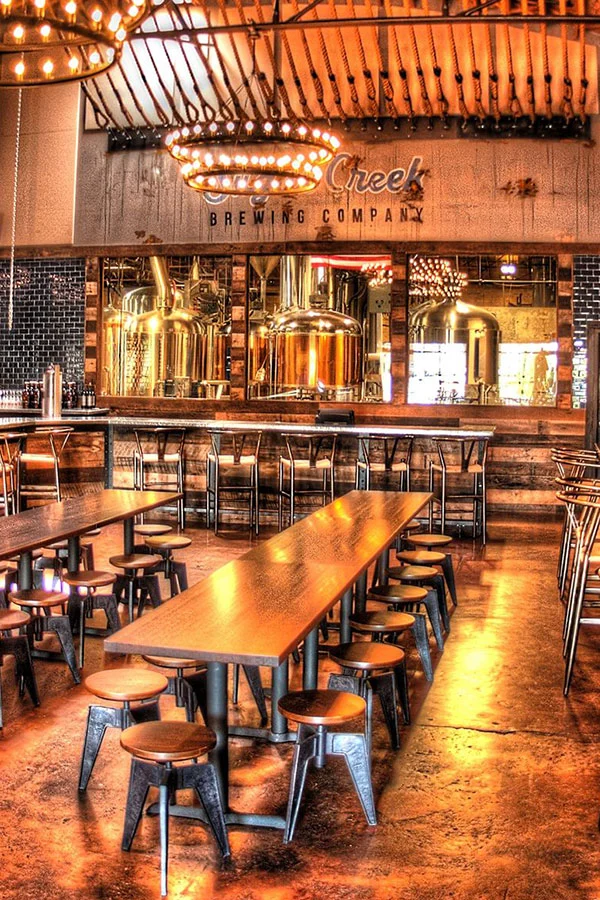
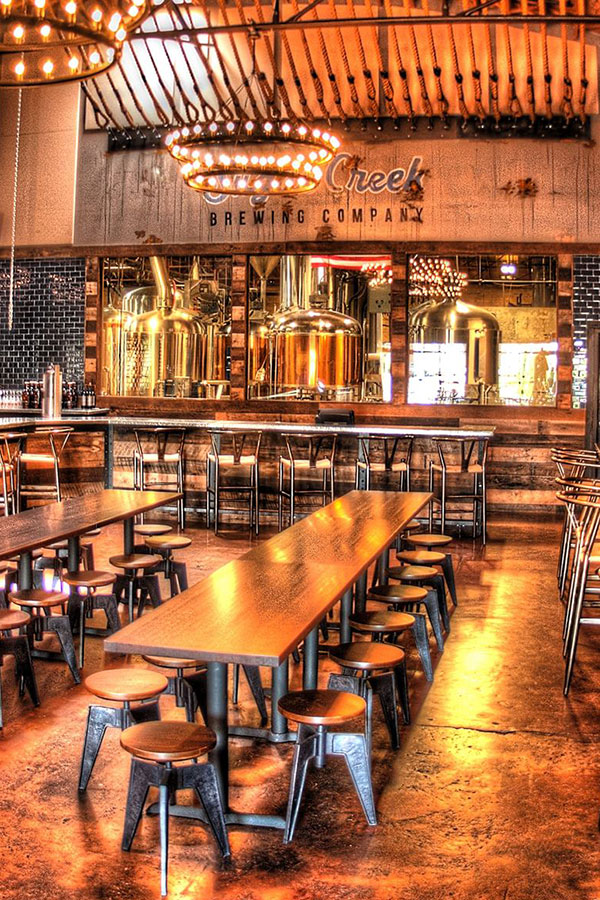
The initial entry point for artificial intelligence in the brewing sector was centered on efficiency and quality assurance. Sugar Creek Brewing Company, located in Charlotte, North Carolina, has become a primary case study for this application. By utilizing a network of Internet of Things (IoT) devices and AI-driven monitoring systems, the brewery tracks critical variables during the packaging process, including temperature, fill levels, and foam consistency.
In traditional brewing environments, excessive foaming during bottling—often referred to as "breakout"—can lead to significant product waste and oxygen ingress, which compromises the beer’s shelf life. By applying AI to analyze real-time data from the production line, Sugar Creek has been able to identify the precise conditions that lead to these inefficiencies. This data-centric approach allows for micro-adjustments that human operators might overlook, resulting in a more consistent product and reduced overhead costs. According to industry data, even a 1% reduction in waste can save a medium-sized brewery thousands of dollars annually, highlighting the economic necessity of such technological integration.
A Chronology of Creativity: From Algorithms to Ale
The evolution from operational AI to creative AI began to gain momentum between 2023 and 2024, as large language models (LLMs) like OpenAI’s ChatGPT became accessible to the general public. Several breweries across the United States began experimenting with AI-generated recipes as a means of exploring flavor profiles that had not yet been codified by traditional brewing styles.
- Asbury Park Brewery (New Jersey): One of the early adopters to market an "AI-IPA," focusing on using algorithms to balance hop bitterness with malt sweetness.
- Atwater Brewing (Michigan): The Detroit-based brewery utilized AI to analyze consumer trends and regional flavor preferences to develop its own iteration of an automated IPA.
- Urban Forest Craft Brewing (Illinois): This Rockford-based establishment released "Put the AI in sAIson," a play on words that highlighted the use of machine learning to refine the complex ester and phenol profiles associated with the farmhouse ale style.
These early experiments served as a proof of concept, demonstrating that AI could not only mimic existing styles but also suggest ingredient combinations that human brewers might find counterintuitive.
Case Study: Night Shift Brewing and the Efficiency of Research
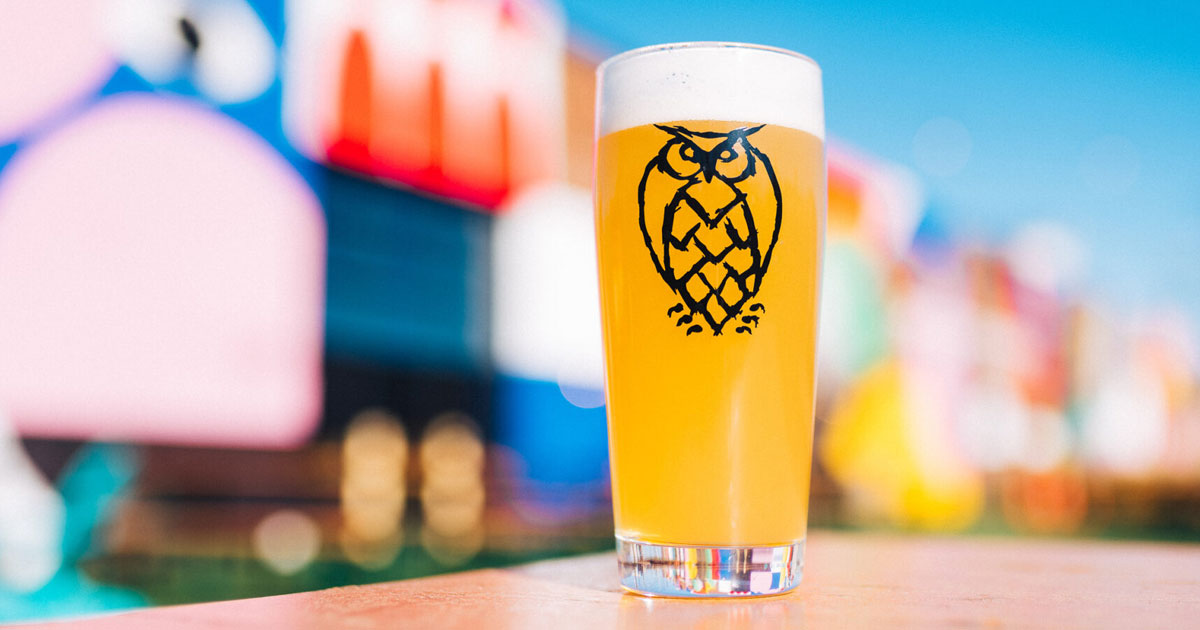
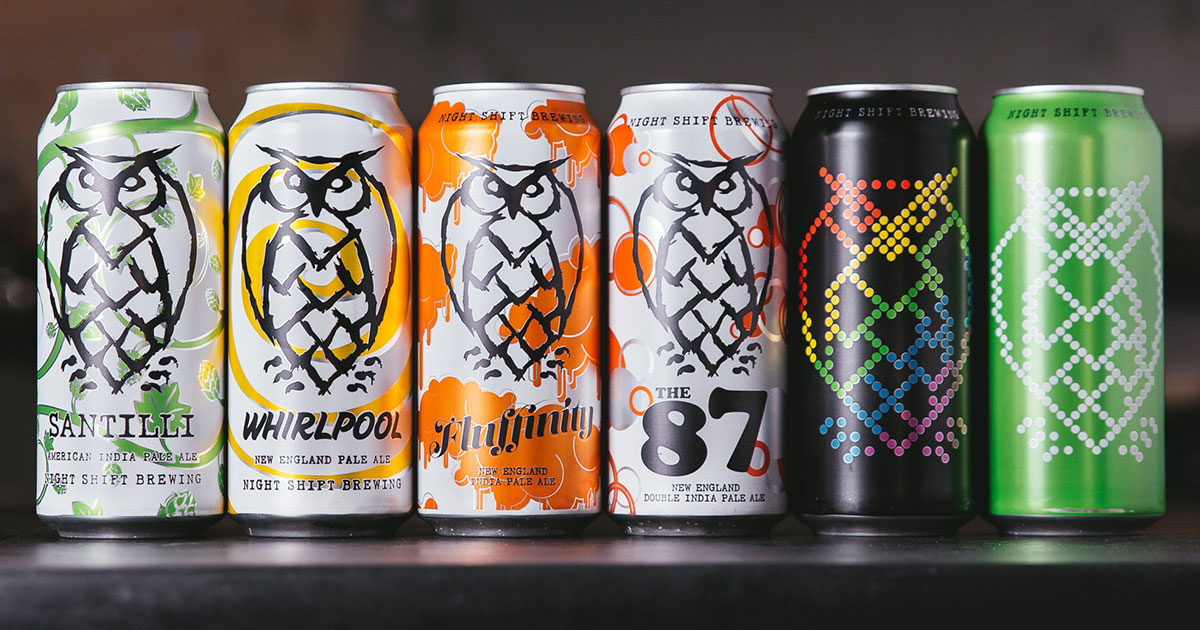
In Boston, Night Shift Brewing co-founder Michael Oxton explored the capabilities of ChatGPT to streamline the labor-intensive research phase of brewing. The development of a "Hazy IPA" typically requires weeks of experimentation with water chemistry, hop timing, and grain bills. Oxton found that the AI was capable of generating a comprehensive water profile—a critical component that dictates how hops interact with the palate—in a matter of minutes.
The resulting beer, named AI-PA, featured a complex profile of mango, watermelon, and citrusy lemon-lime notes. While the AI provided the foundational recipe, the Night Shift team emphasized that human intervention remained necessary to adapt the recipe to available inventory and specific brewhouse hardware. This collaboration highlights a growing trend: AI acts as a "digital brewing assistant," drastically reducing the time required for research and development while leaving the final sensory "vetting" to the human brewer.
Species X and the Specialized Model Approach
While many breweries used off-the-shelf LLMs, the now-closed Species X Beer Project in Columbus, Ohio, represented the high-water mark of AI sophistication in the industry. Founder Beau Warren, who possesses a background in both microbiology and data analytics, developed seven proprietary AI models to oversee what he termed the "Silicon Species" of beers.
Unlike general-purpose AI, Warren’s models utilized regression analysis and neural networks trained on specific datasets, including water chemistry, yeast kinetics, and historical recipe performance. He even integrated customer feedback data to "teach" the models which flavor parameters were most likely to result in a highly rated product.
The results were often unconventional. One notable creation was an amber lager brewed with 100% Maris Otter malt—a choice typically reserved for heavy British ales rather than crisp lagers. Another, generated by a model named "Beh3moth," was an imperial pastry Baltic porter that utilized 12 different malts, coffee, vanilla, lactose, marshmallows, and three types of fruit, all while being dry-hopped like a New England IPA. Warren noted that these recipes often "threw tradition out the window," providing a level of creative risk-taking that is often tempered by human bias toward established styles.
Biological Optimization: Propagate Lab and "Yeast Buddy"
The influence of AI extends into the microscopic foundations of brewing. Propagate Lab, a yeast propagation facility in Colorado, introduced "Yeast Buddy," an AI-driven chatbot designed to help brewers navigate the immense complexity of fungal strains. With over 120 yeast strains available in their database, selecting the "perfect" match for a specific flavor profile can be a daunting task for even experienced brewers.
Yeast Buddy functions as an intelligent catalog, allowing brewers to input desired esters, attenuation rates, and flocculation preferences to receive a tailored recommendation. Matthew Peetz, founder of Propagate Lab, suggests that this technology prevents brewers from "defaulting to the standard." By removing the friction of research, AI encourages a more adventurous approach to fermentation, which is arguably the most critical stage of the brewing process.
Supporting Data and Market Context
The integration of AI into craft brewing comes at a pivotal time for the industry. According to the Brewers Association, the craft beer market has reached a state of maturity where growth is no longer guaranteed by mere presence. In 2023, the industry saw a stabilization in volume, meaning breweries must innovate to capture a larger share of a stagnant market.
- Market Pressure: With over 9,000 craft breweries operating in the U.S., differentiation is essential. AI-generated beers provide a marketing "hook" while simultaneously lowering R&D costs.
- Technological Growth: The global AI in the food and beverage market was valued at approximately $7 billion in 2023 and is projected to grow at a CAGR of over 38% through 2030.
- Cost Efficiency: AI’s ability to optimize grain bills can reduce ingredient costs by 5-10% by identifying the most efficient malt combinations to achieve a specific gravity or color.
Implications and the Human-in-the-Loop Requirement
Despite the impressive capabilities of these systems, industry experts remain unanimous on one point: AI is a tool, not a replacement for the brewer. The concept of "Human-in-the-Loop" (HITL) is essential for several reasons:
- Physical Constraints: AI models occasionally suggest processes that are physically impossible or dangerous for specific equipment. Human "guardrails" are required to ensure the recipe is executable.
- Sensory Limitations: AI cannot taste. While it can predict flavor based on chemical compounds, it cannot account for the subjective "soul" of a beer or the subtle nuances of environmental factors in the taproom.
- Data Quality: As Matthew Peetz of Propagate Lab noted, an AI is only as good as the data it receives. "If you are punching in the wrong numbers, you’re going to get the wrong result," he stated, likening the tech to a high-powered calculator.
The closure of Species X Beer Project shortly after its launch serves as a sobering reminder that while AI can create a superior product, it cannot insulate a business from the broader economic pressures of the hospitality industry, such as rising rents and shifting consumer spending habits.
The Future of the Intelligent Pint
As artificial intelligence continues to evolve, its role in the craft beer industry is likely to become more invisible and more pervasive. We may soon see AI systems that manage entire supply chains, predicting hop shortages months in advance or automatically adjusting carbonation levels based on barometric pressure changes in the taproom.
For the consumer, this means a future of more consistent quality and increasingly "experimental" flavors that challenge the traditional definitions of beer styles. For the brewer, it offers a path toward becoming "superhuman," as Beau Warren suggested—leveraging the processing power of machines to handle the data-heavy aspects of the craft, thereby freeing the human mind to focus on the artistry and community that define the heart of craft beer. AI is not taking over the taproom; it is providing the tools to build a more innovative one.