admin
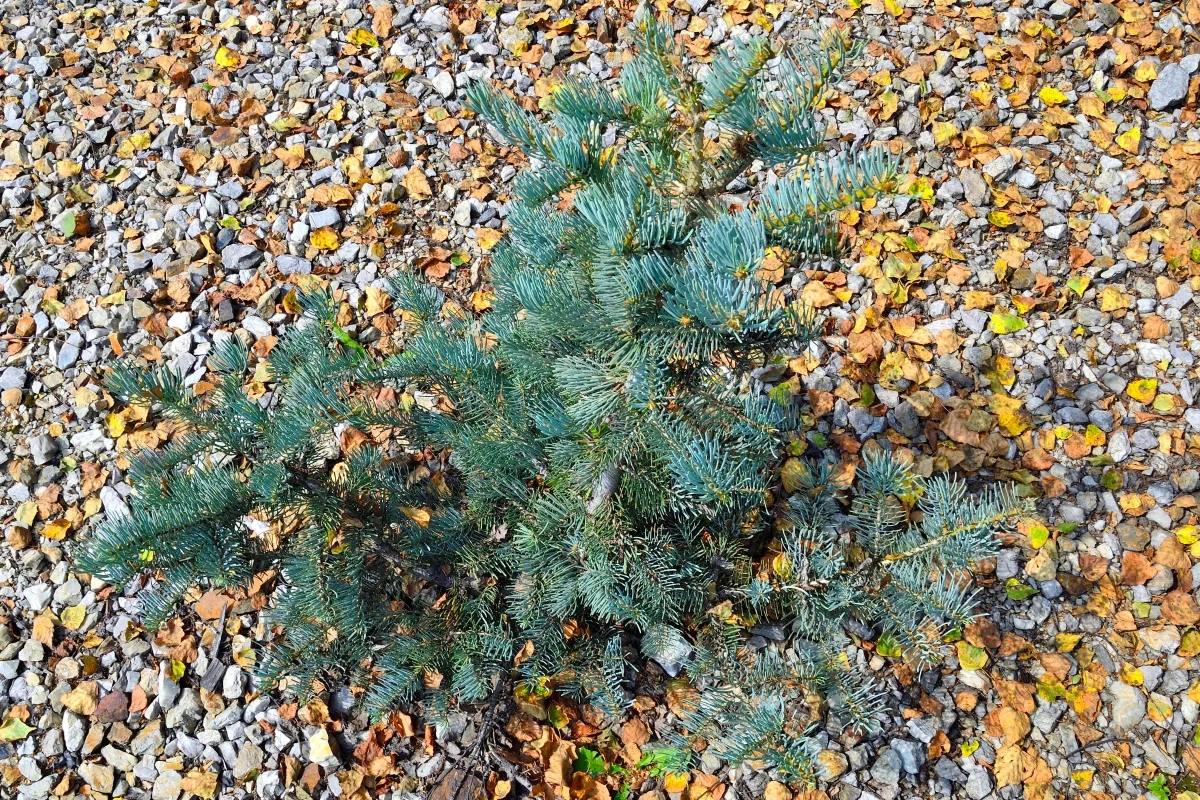
The transition from the vibrant hues of autumn to the monochromatic stillness of winter often leaves residential landscapes looking barren and neglected. However, a growing movement in horticultural design emphasizes "four-season interest," a philosophy that challenges the traditional view of the garden as a seasonal endeavor. By integrating specific outdoor winter plants that provide structural integrity, color contrast, and vital resources for local fauna, homeowners can maintain curb appeal and ecological health even during the harshest months. Horticultural experts note that a well-designed winter garden is not merely an aesthetic choice but a critical component of a resilient ecosystem, providing food sources and nesting sites for wildlife during periods of scarcity.
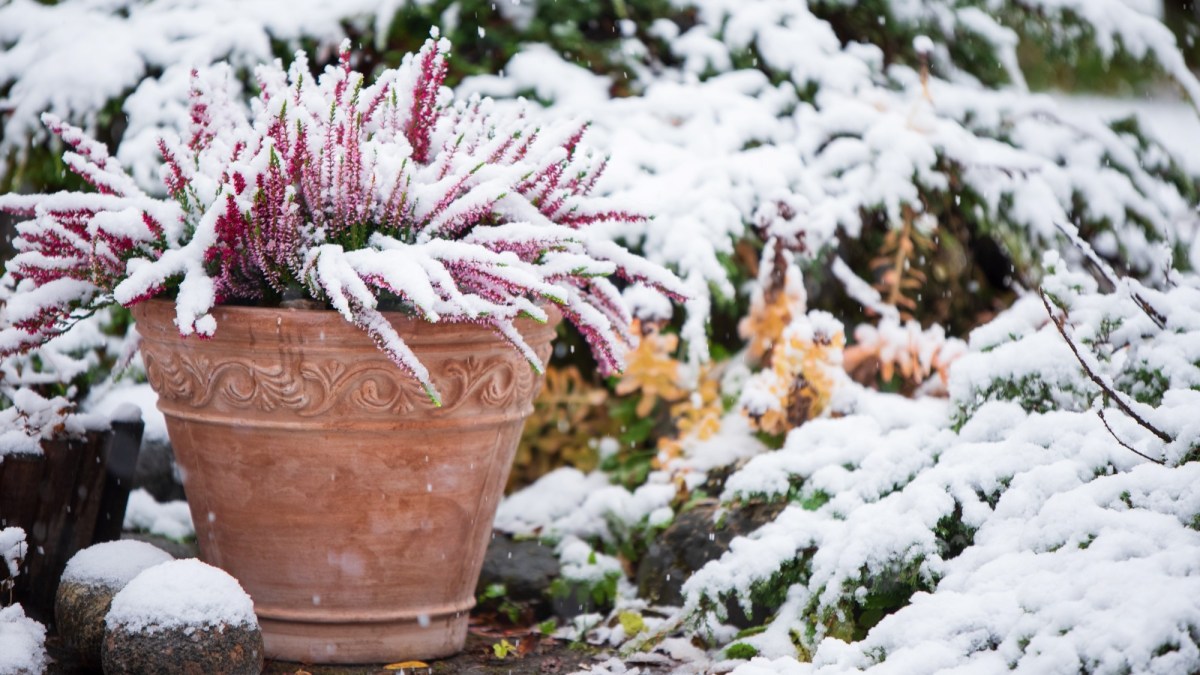
The Evolution of the Winter Garden
Historically, the American landscape was often divided into two phases: the active growing season and the dormant winter period. This binary approach frequently resulted in properties that lost significant visual value for nearly four months of the year. According to data from the real estate industry, professional landscaping can increase a home’s value by up to 15 percent, and year-round maintenance and visual appeal are key factors in that valuation.
The timeline of winter gardening has shifted significantly over the last two decades. In the late 20th century, winter interest was largely restricted to standard evergreen conifers. Today, the palette has expanded to include "living sculptures" with weeping habits, shrubs that produce berries specifically for avian nutrition, and perennials that bloom through the snow. This shift coincides with a broader awareness of biodiversity; as bird populations in North America have declined by nearly 3 billion since 1970, the role of the home garden as a winter refuge has become increasingly vital.
Structural Foundations: Conifers and Evergreens
The backbone of any winter landscape consists of evergreens that provide color when deciduous trees have shed their leaves. These plants offer the structural "skeleton" of the garden.
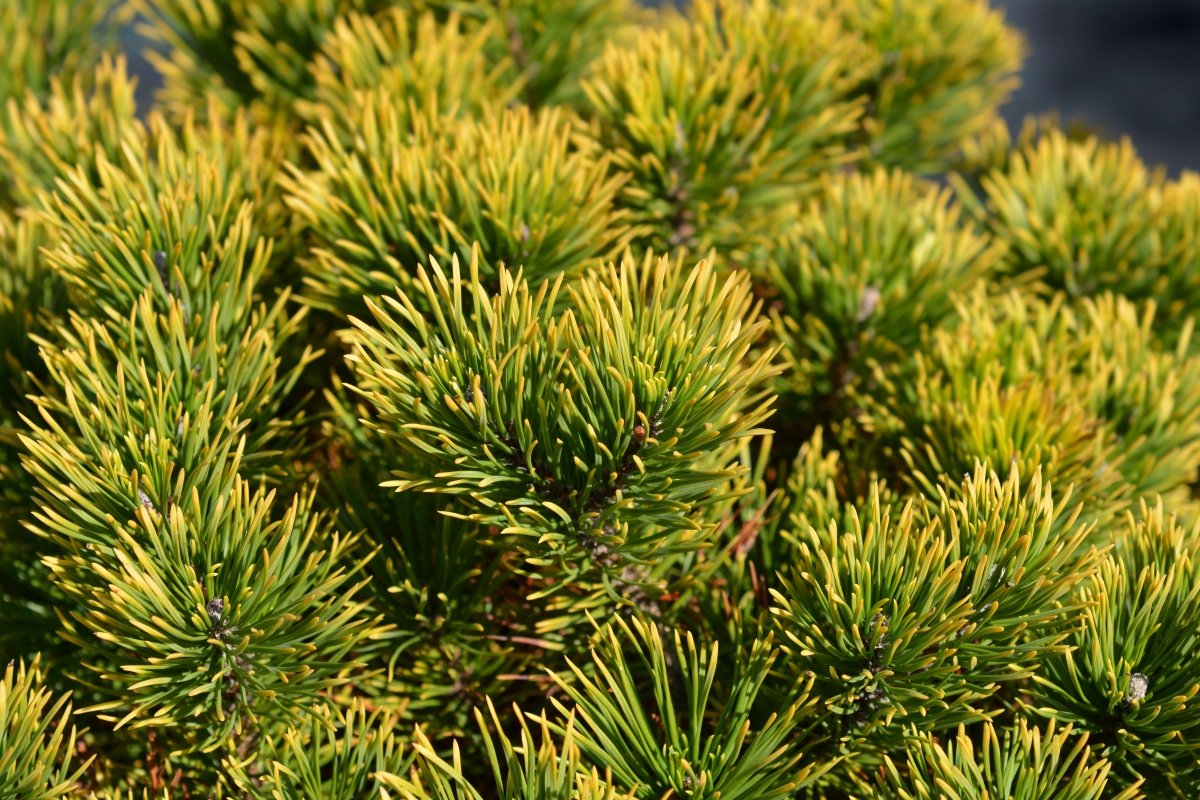
1. Carsten’s Wintergold Mugo Pine (Pinus mugo ‘Carsten’s Wintergold’)
This dwarf pine variety serves as a primary example of "color-changing" evergreens. While green in the summer, the needles transition to a brilliant gold as temperatures drop. This physiological response is most intense in colder climates (Zones 2-7), providing a warm glow against white snow. It is a slow-growing specimen, making it ideal for low-maintenance borders.
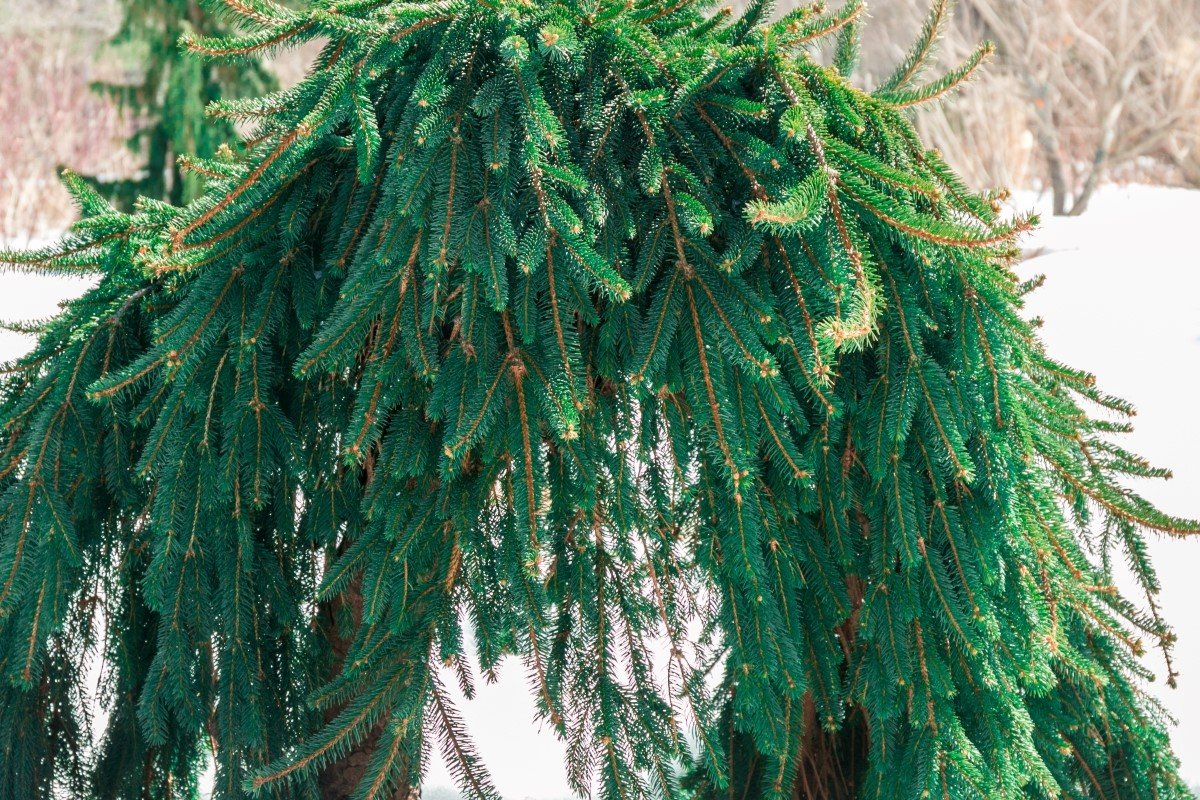
2. Weeping Norway Spruce (Picea abies ‘Pendula’)
For homeowners seeking architectural drama, the Weeping Norway Spruce offers a unique pendulous form. Unlike deciduous weeping trees, it retains its rich green needles year-round. It is highly adaptable to various soil types and, once established, requires minimal irrigation, fitting the modern trend toward xeric or water-wise landscaping.
3. Dwarf Globe Blue Spruce (Picea pungens ‘Globosa’)
The silver-blue needles of this conifer provide a cool-toned contrast to the browns and grays of winter. Growing only 2 to 3 feet high, it is a versatile choice for small urban lots or as a low-growing hedge. Its density provides excellent windbreak protection for small mammals and ground-nesting birds.
Early Bloomers and Winter-Flowering Species
Perhaps the most surprising element of a winter garden is the presence of flowers. Several species have evolved to bloom during the coldest months, often to take advantage of early-season pollinators or to avoid competition.
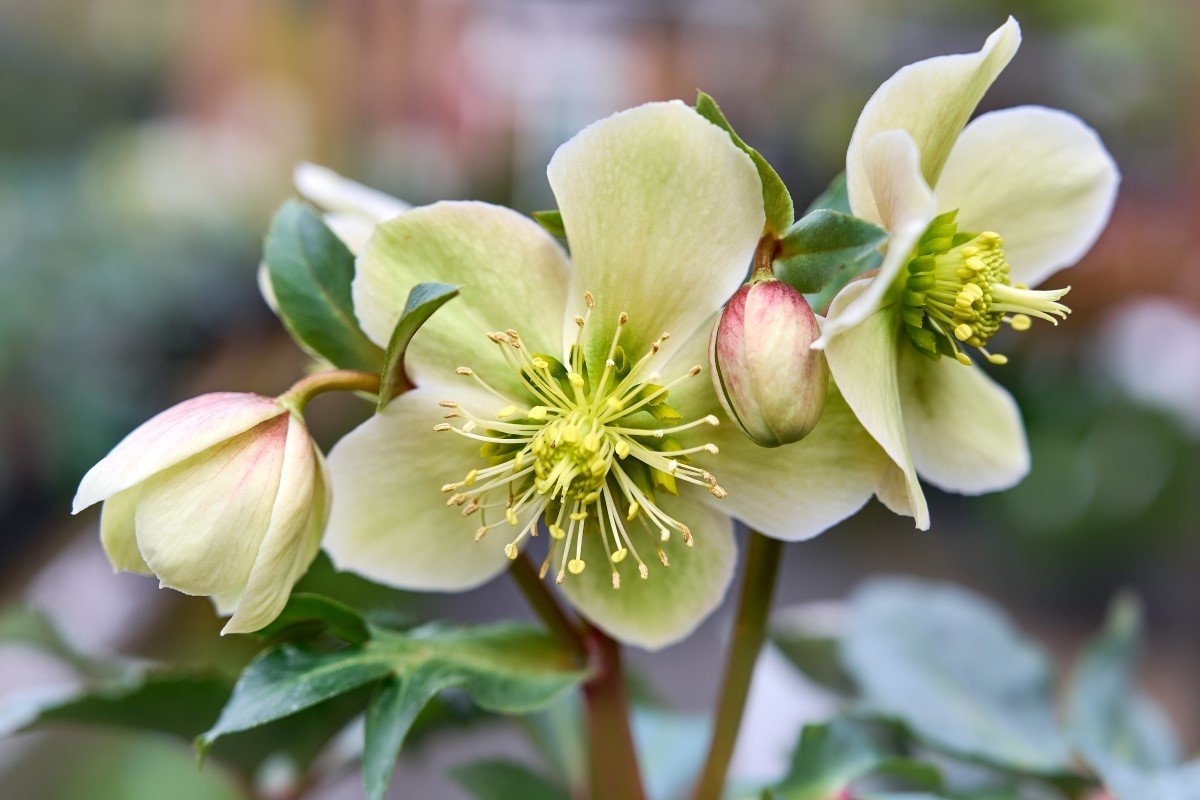
4. Christmas Rose (Helleborus niger)
Despite its name, this is not a member of the rose family but a hellebore. It is celebrated for its ability to produce white blossoms in late winter, even in Zone 3 environments. Beyond its beauty, it provides essential nectar for early-emerging pollinators, such as the rusty patched bumblebee, which is currently listed as an endangered species.
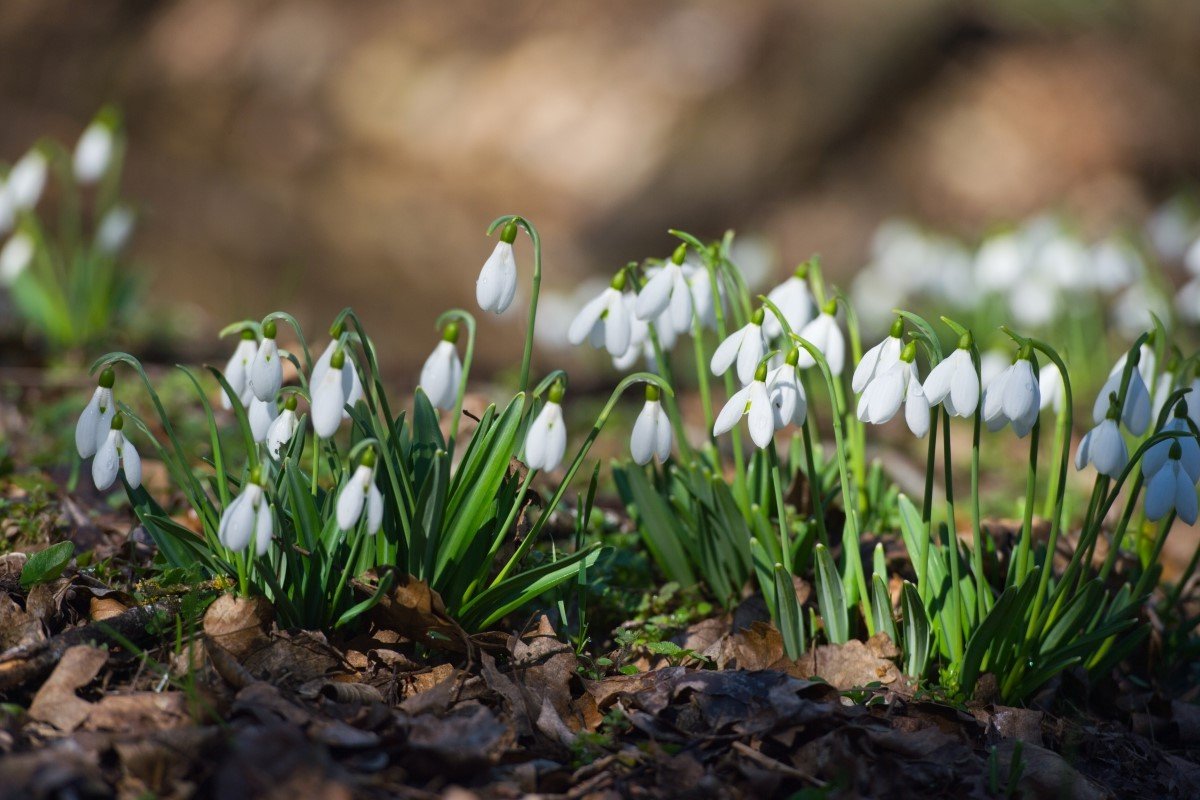
5. Snowdrops (Galanthus nivalis)
These bulbs are often the first sign of life in a garden, sometimes piercing through layers of ice. They are remarkably hardy and require a period of cold dormancy to thrive. Planting these in fall ensures a delicate display of white bell-shaped flowers by late winter.
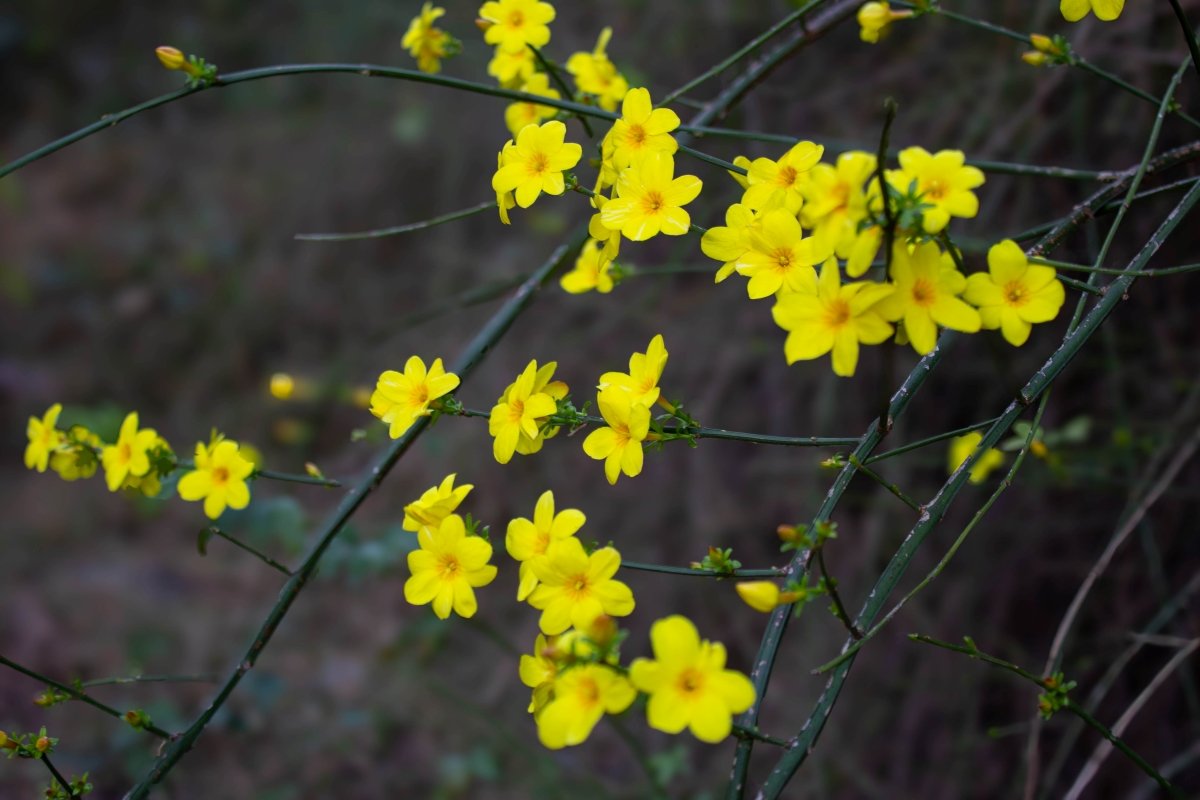
6. Winter Jasmine (Jasminum nudiflorum)
Unlike its summer cousins, Winter Jasmine is unscented but makes up for it with a profusion of yellow flowers on arching green stems. It often blooms as early as January in warmer zones (6-10), providing a much-needed splash of color when the rest of the garden is dormant.
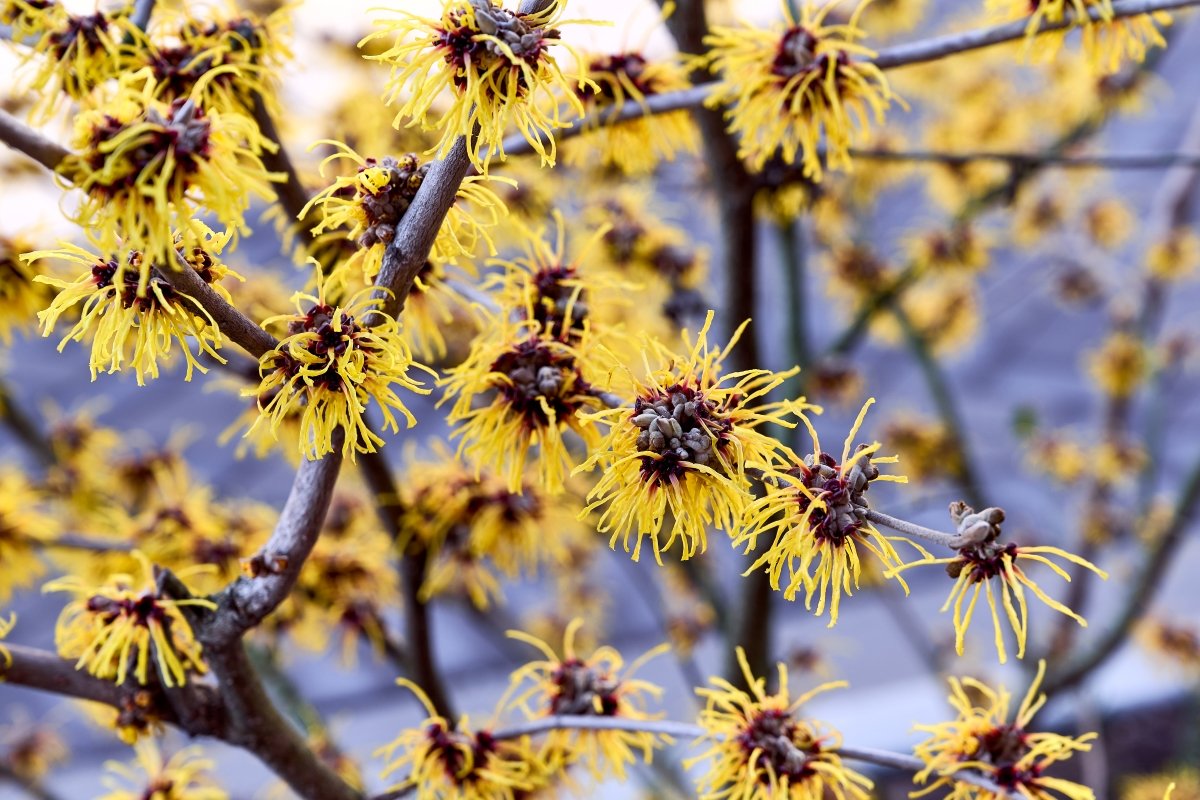
7. Witch Hazel (Hamamelis virginiana)
This native North American shrub is as functional as it is beautiful. Known for its medicinal properties in reducing skin inflammation, it is also a winter powerhouse. Its ribbon-like yellow flowers are fragrant and frost-resistant, often blooming while snow is still on the ground.
Wildlife Support: Berried Shrubs and Forage
The ecological impact of winter landscaping cannot be overstated. Shrubs that retain their fruit through the winter serve as a "living pantry" for birds such as cedar waxwings and northern cardinals.
8. American Cranberry Bush (Viburnum trilobum)
This large deciduous shrub produces clusters of bright red berries that persist well into the winter. While the berries are tart and often avoided by birds in the fall, the repeated freezing and thawing cycles make them more palatable by mid-winter, providing a critical late-season food source.
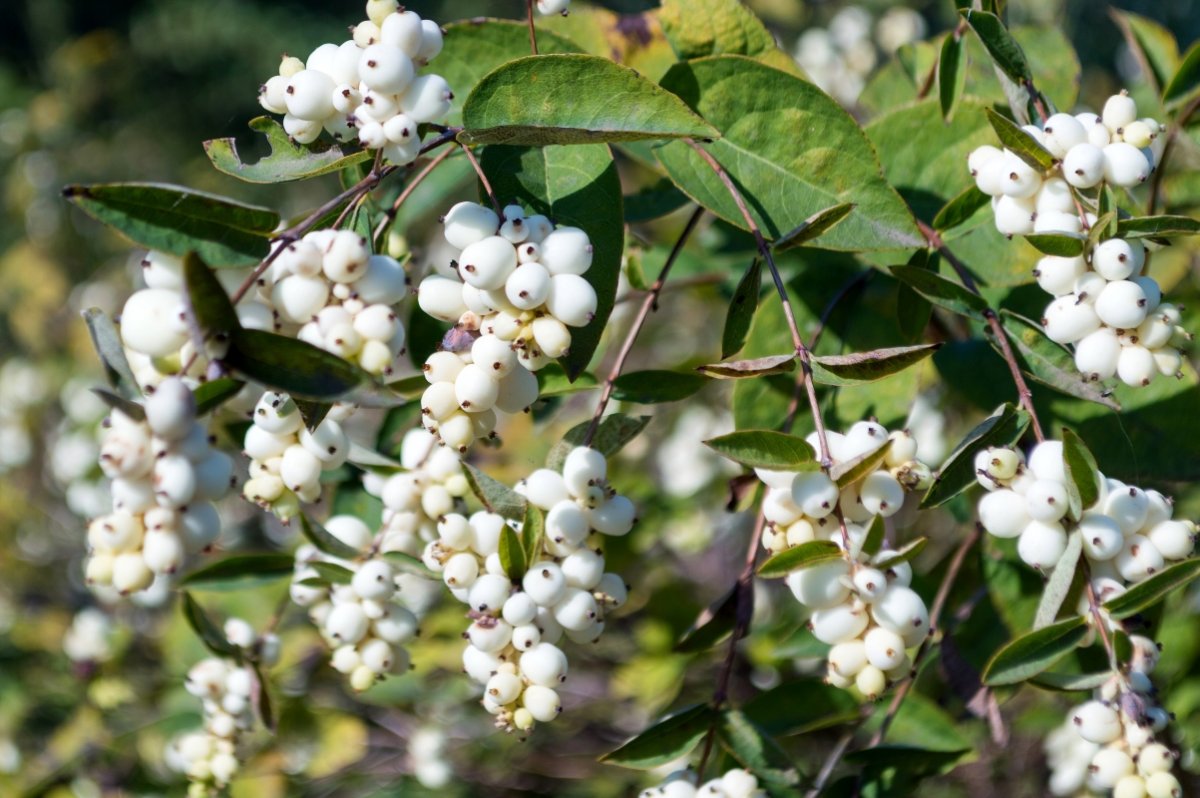
9. Snowberry (Symphoricarpos albus)
The Snowberry is distinctive for its pure white fruit. It forms dense thickets, offering excellent cover for wildlife. It is highly adaptable, thriving in both full sun and deep shade, and is often used for erosion control on slopes.
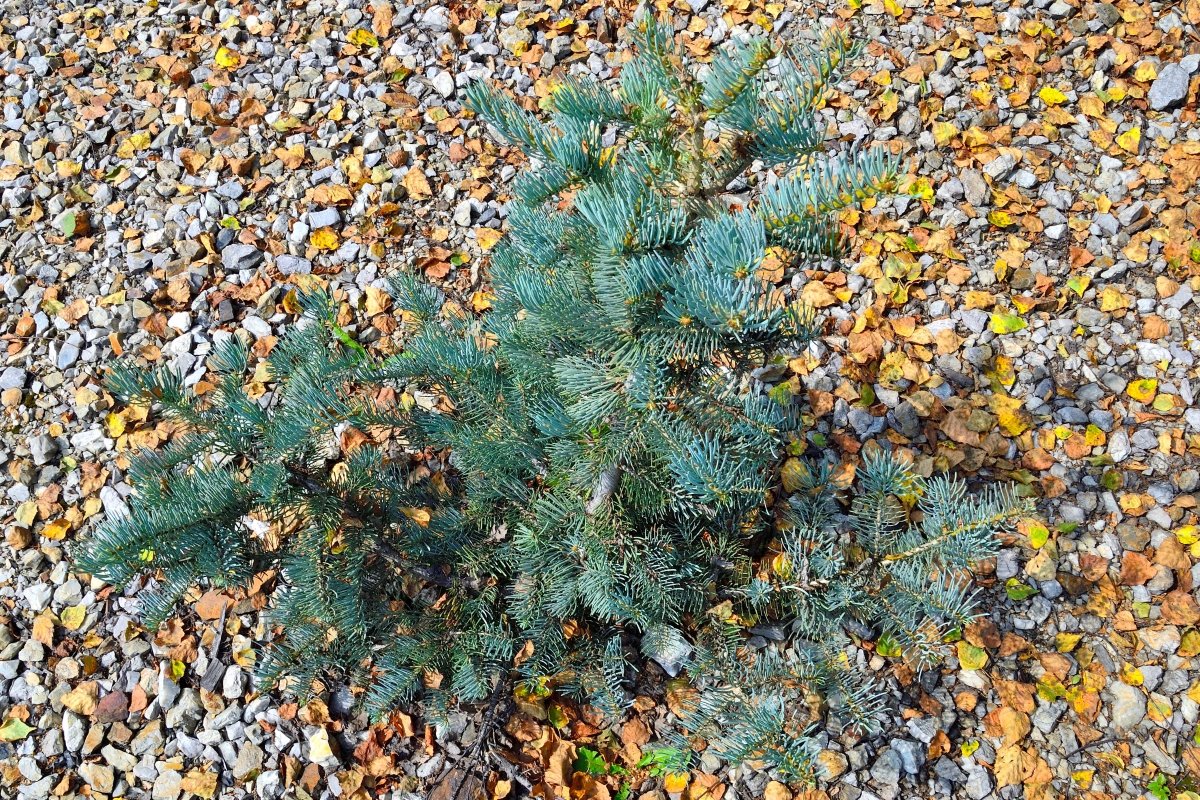
10. Bearberry (Cotoneaster dammeri)
A low-growing groundcover, Bearberry offers a dual benefit: glossy evergreen foliage that turns bronze in winter and vivid red berries. It is a favorite for butterflies in the spring and birds in the winter, making it a staple of the "pollinator-friendly" landscape movement.
11. American Wintergreen (Gaultheria procumbens)
Also known as Eastern Teaberry, this plant is famous for the refreshing scent released when its leaves are crushed. Its bright red berries are edible for both humans and wildlife, providing a decorative and functional element to shade gardens in Zones 3-7.
Textural Groundcovers and Accents
Groundcovers prevent soil erosion during the winter thaw and provide visual continuity across the garden floor.
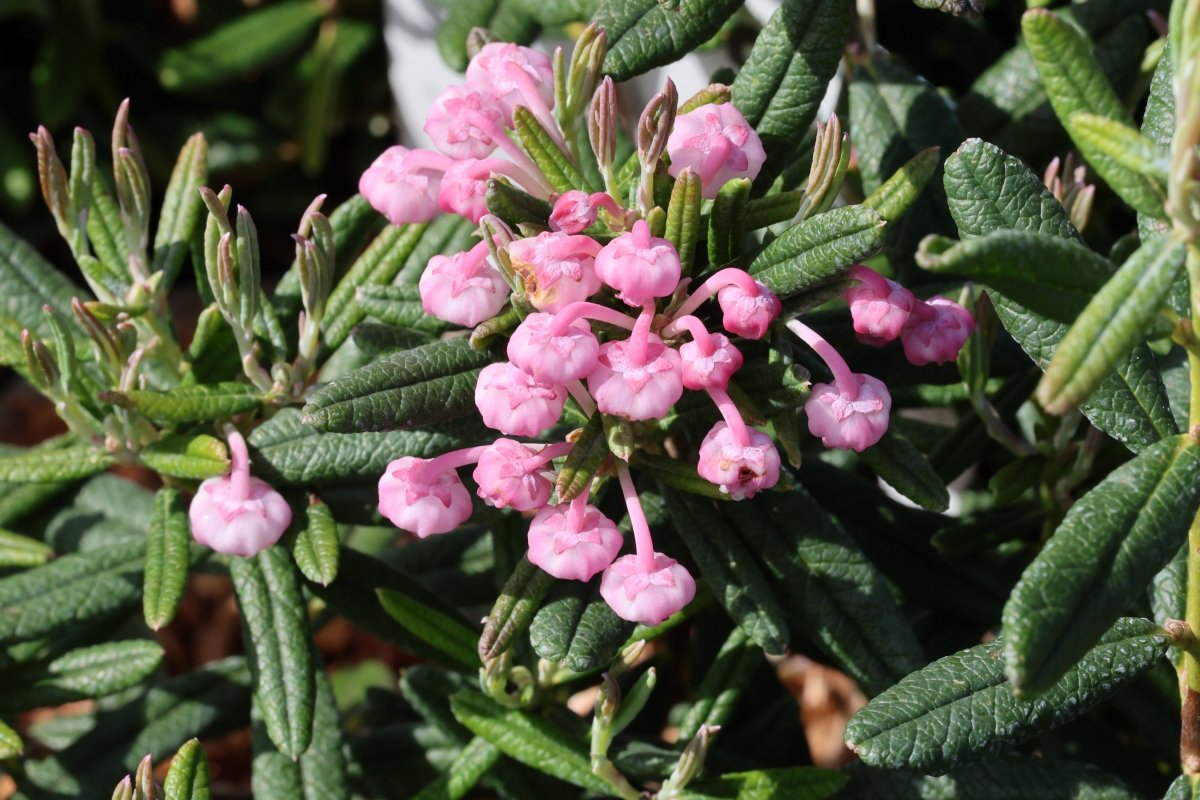
12. Blue Ice Bog Rosemary (Andromeda polifolia ‘Blue Ice’)
This evergreen groundcover is prized for its silvery-blue foliage. It thrives in moist, acidic soils where other plants might struggle. In early spring, it follows its winter display with pink bell-shaped blooms.
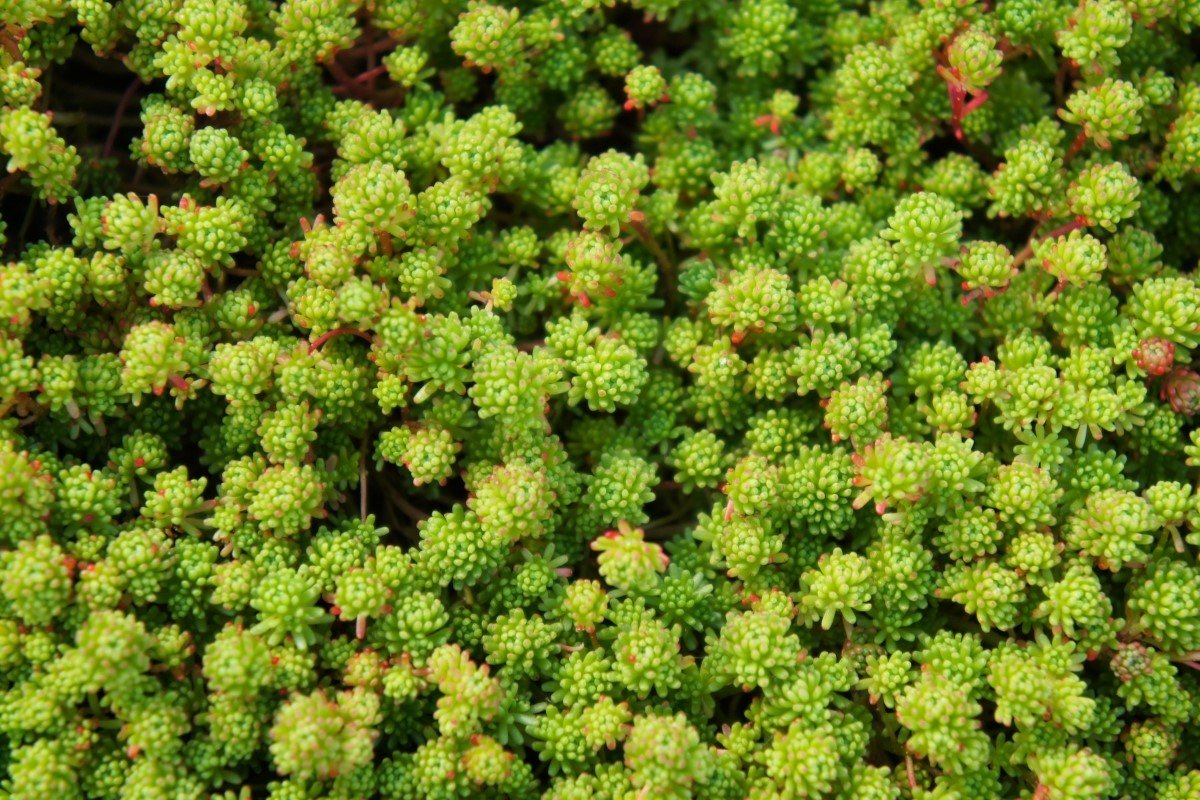
13. Tiny Buttons Stonecrop (Sedum hispanicum var. minus)
This succulent is a testament to the resilience of the Sedum genus. It forms a lush carpet that takes on purple or reddish hues in the cold, providing a rich texture that persists even under light snow cover.
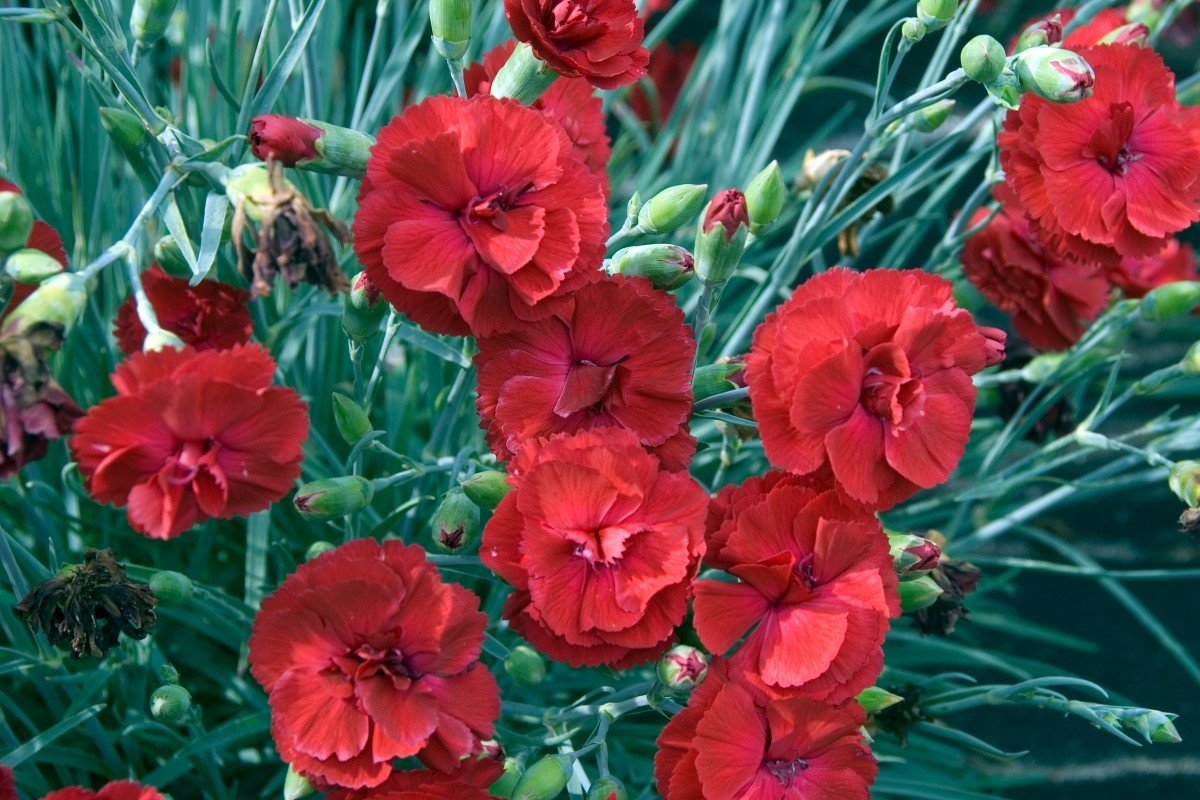
14. Frosty Fire Dianthus (Dianthus × allwoodii ‘Frosty Fire’)
Known for its gray-green mounds of foliage, this Dianthus variety is exceptionally cold-hardy. It is an excellent choice for rock gardens or containers, where it can be easily monitored.
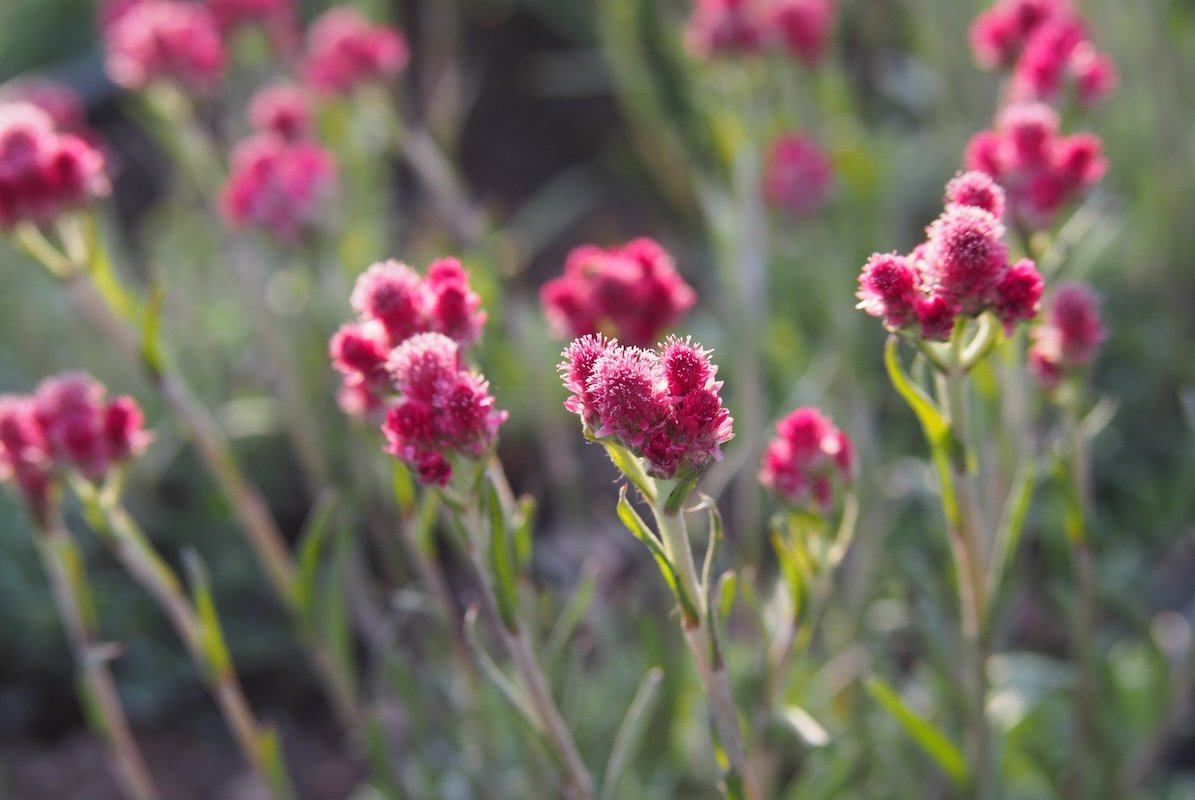
15. Pink Pussytoes (Antennaria dioica ‘Rubra’)
A native cultivar, Pink Pussytoes provides an evergreen mat of silver-gray leaves. It is a xeric plant, meaning it requires very little water once established, aligning with sustainable gardening practices.
Specialized Specimens for Diverse Climates
Landscaping choices must be informed by the USDA Plant Hardiness Zone Map, which was recently updated in 2023 to reflect shifting temperature patterns across North America.
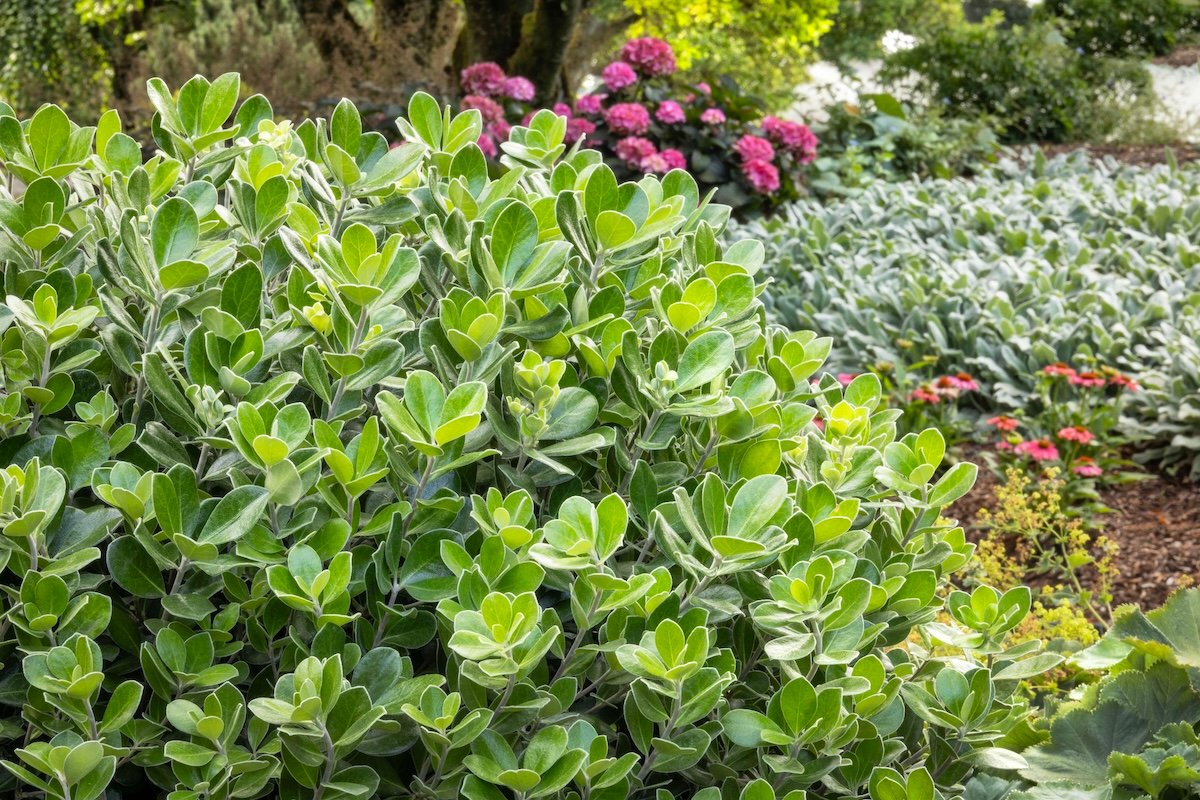
16. Pot Belly Pittosporum (Pittosporum crassifolium)
For homeowners in warmer regions (Zones 8-11), this shrub provides a structural, silvery-green presence. It is highly drought-tolerant and maintains a naturally rounded shape, reducing the need for mechanical pruning.
17. Sweet Box (Sarcococca hookeriana var. digyna)
This shade-loving evergreen is a favorite for its intense fragrance. Blooming in late winter, its scent can often be detected from several yards away, making it an ideal choice for planting near entryways or walkways.
18. Winter Heath (Erica darleyensis)
Winter Heath is a prolific bloomer, covering itself in tiny pink or white flowers from January through March. It is a rugged plant that forms a dense, weed-suppressing mat, making it a favorite for large-scale groundcover projects.
19. Russian Sage (Salvia yangii)
While technically a deciduous sub-shrub, Russian Sage is included for its winter silhouette. Its tall, silvery stems provide a ghostly structure in the winter garden. Horticulturalists recommend leaving the stems standing until spring to provide visual interest and nesting material for bees.
20. Soapweed Yucca (Yucca glauca)
Representing the most cold-hardy of the yuccas, this plant offers a striking architectural rosette of sharp, narrow leaves. It provides a desert-like aesthetic even in Zone 4 winters and is a vital host plant for the yucca moth.
Implications for Modern Property Management
The shift toward diverse winter planting reflects a broader understanding of environmental stewardship. By moving away from a "dormant" mindset, homeowners contribute to local biodiversity and climate resilience. Furthermore, the economic benefits of a four-season landscape are clear; properties that maintain visual interest year-round consistently command higher market prices and shorter listing times.
Agricultural analysts suggest that as climate volatility increases, the demand for "tried and true" hardy species—like those listed above—will continue to grow. Investing in a winter-ready landscape is no longer a luxury for the avid gardener; it is a strategic approach to homeownership that pays dividends in beauty, property value, and ecological health. Selecting the right combination of these 20 plants ensures that when the leaves fall, the garden’s story is only beginning.