admin
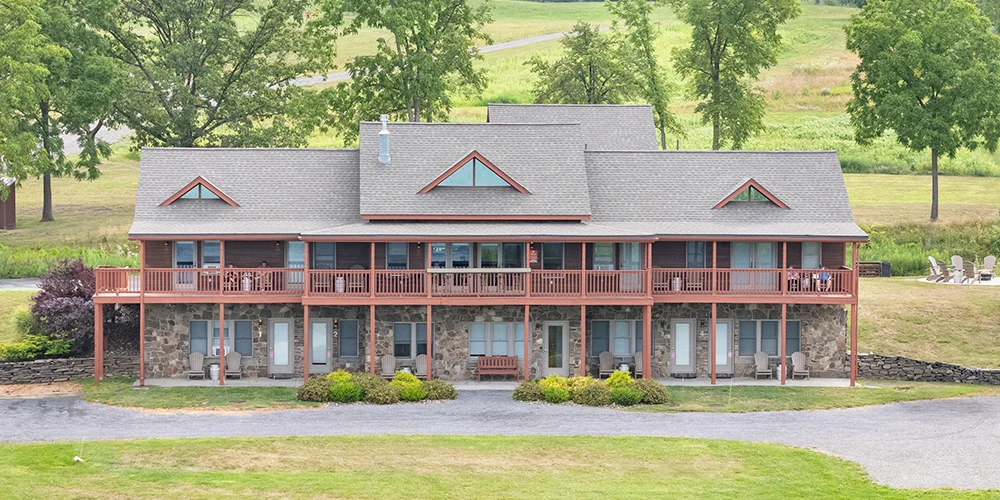
The American craft brewing landscape is currently undergoing a significant structural transformation, moving beyond the traditional taproom model toward a comprehensive hospitality-driven approach. Across the United States, independent brewers are increasingly diversifying their business portfolios by converting historic buildings, rural barns, and scenic landscapes into high-end boutique accommodations. This shift, often referred to as the "beercation" phenomenon, represents a strategic move to capture a larger share of the "experience economy," where consumers prioritize immersive, brand-centric travel over simple product consumption. From the rugged cliffs of the Columbia River Gorge to the rolling hills of the Finger Lakes, breweries are no longer just manufacturing sites; they have become multi-day destinations that offer a curated lifestyle experience reflecting their specific brand ethos.
The Strategic Shift Toward Immersive Brand Experiences
For the modern craft brewery, the addition of lodging is more than a secondary revenue stream; it is a sophisticated storytelling platform designed to foster deep emotional connections with consumers. In an increasingly crowded market where thousands of breweries compete for shelf space and tap handles, providing a physical space for overnight stays allows a brand to control the entire consumer environment. This immersion goes beyond the pint glass, incorporating interior design, localized hospitality, and direct access to the production process. Industry analysts note that this trend aligns with broader shifts in travel preferences, where post-pandemic tourists seek "slow travel" options—destinations that encourage lingering, local exploration, and a deeper connection to the source of the products they consume.
The economic implications of this shift are substantial. By offering accommodations, breweries can significantly increase the average spend per visitor. A standard taproom visit may last ninety minutes and generate a modest transaction, but an overnight guest contributes through room rates, multiple meals, and increased merchandise sales. Furthermore, these "destination breweries" often act as anchors for regional tourism, drawing visitors to rural or underserved areas and creating a "halo effect" that benefits neighboring businesses and local economies.
Case Study: The Pacific Northwest and the Luxury Cabin Model
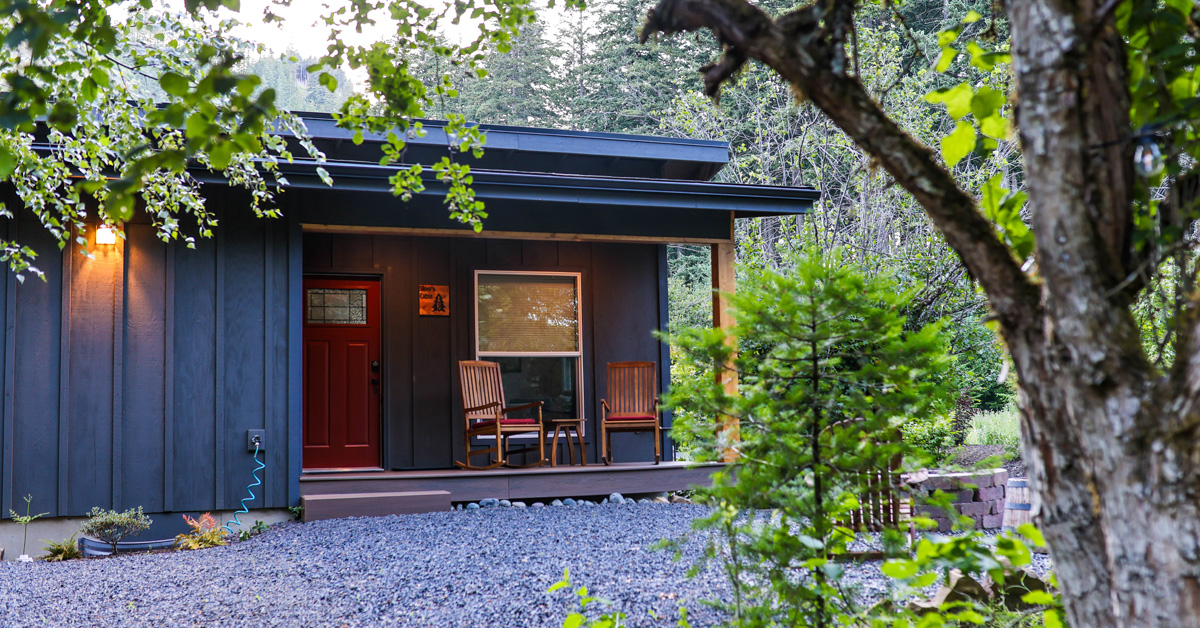
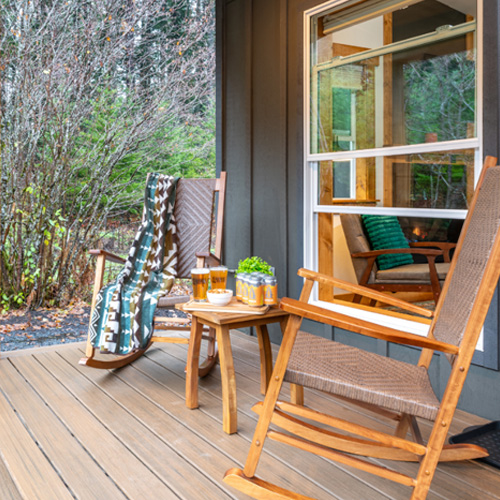
In Carson, Washington, the Backwoods Brewing Company provides a primary example of how geography and hospitality can intersect to enhance a brand. Located approximately sixty miles from Portland, Oregon, the brewery has long served as a gateway to the Columbia River Gorge. However, the Waters family, who founded the brewery, recognized that the region’s natural beauty offered an opportunity to extend the visitor lifecycle. The resulting Backwoods Cabins represent a move toward "cabin-core" luxury, featuring eight uniquely themed units—such as the Hiker’s, Kayaker’s, and Stargazer’s cabins—designed to mirror the outdoor pursuits of the Pacific Northwest.
According to Steve Waters, CEO of Backwoods, the decision to build was rooted in the existing behavior of their clientele. Visitors were already traveling significant distances to visit the taproom; providing a place to stay was a logical evolution of their service model. The cabins are meticulously designed to balance rustic aesthetics with modern comfort, featuring 600-thread-count linens, gas fireplaces, and hop-scented amenities. This level of detail ensures that the brewery’s identity is present in every facet of the stay. From a logistical standpoint, the integration of beer into the booking process—allowing guests to pre-stock their rooms with curated selections—creates a seamless transition from check-in to consumption.
Historical Integration and the Alpine Resort Legacy
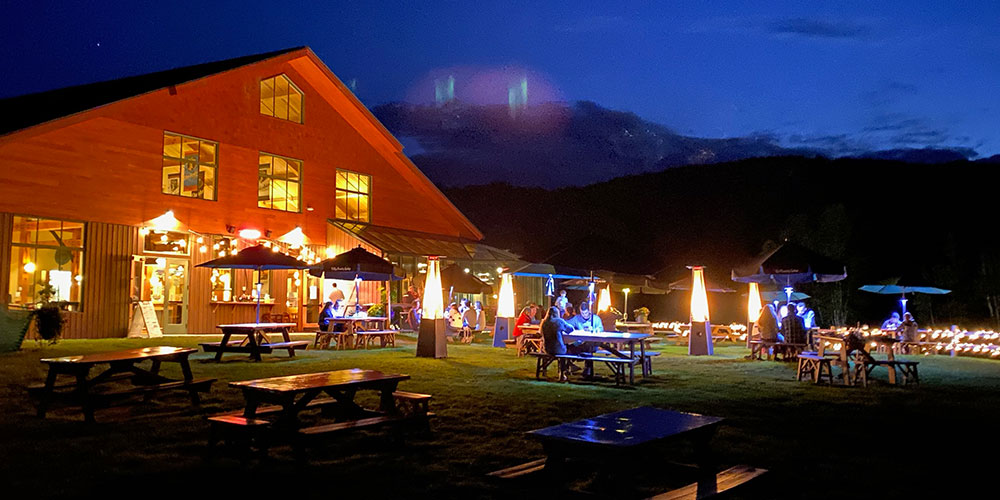
While many breweries are adding lodging as a new venture, others have hospitality baked into their historical DNA. The von Trapp Family Lodge in Stowe, Vermont, represents perhaps the most storied example of this integration. Founded by the family that inspired The Sound of Music, the 2,600-acre resort eventually incorporated von Trapp Brewing to satisfy a specific market niche: traditional European-style lagers. Johannes von Trapp’s vision was to recreate the crisp, refreshing beers of his heritage, utilizing the natural spring water found on the property.
The von Trapp model demonstrates the power of "agritourism," where the land, the history, and the product are inextricably linked. Guests at the lodge do not merely drink the beer; they consume it within the context of Austrian-inspired cuisine, guided brewery tours, and outdoor activities led by family members. This creates a level of authenticity that is difficult for modern, urban breweries to replicate. The success of the von Trapp Bierhall, which serves as a central hub for the resort, underscores the importance of food pairing and atmosphere in the craft beer experience. The brewery’s commitment to European tradition—brewing Helles, Kölsch, and Oktoberfest styles—complements the alpine architecture and the historical narrative of the estate, providing a cohesive brand experience that attracts thousands of international visitors annually.
The Lodging-First Approach in the Finger Lakes
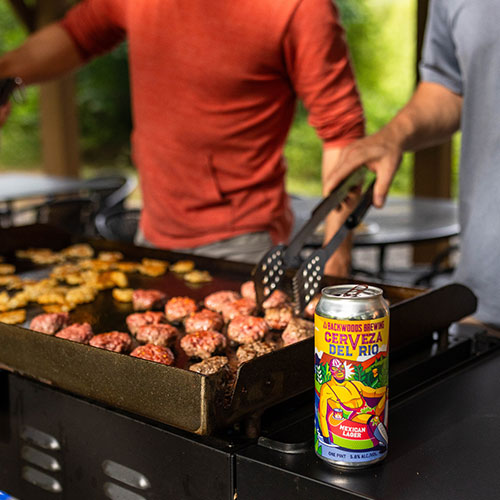
In the Finger Lakes region of New York, Grist Iron Brewing took an unconventional path by prioritizing lodging from the outset. When the owners acquired their property in Watkins Glen, the existing structures already included guest rooms, which allowed the brewery to launch as a dual-purpose destination. Today, The Lodge at Grist Iron serves as a cornerstone of the Seneca Lake tourism circuit. The facility blends rustic-modern design with specific "beer-centric" amenities, most notably the inclusion of built-in "shower beer" ledges in the bathrooms—a minor but highly marketed detail that resonates with the enthusiast community.
The integration of Beer Mountain, which includes a disc golf course and a dog park with its own "Woof Top" bar, illustrates the transition from a simple brewery to a full-scale resort. Emily Knowlden, the brewery’s marketing coordinator, suggests that this model encourages "deep engagement," where guests stay longer and interact more frequently with the staff. This longitudinal interaction is a key metric for brand loyalty; a guest who spends forty-eight hours on-site is statistically more likely to seek out that brewery’s products in their home market, effectively turning a vacation into a long-term marketing investment.
Adaptive Reuse and Urban Innovation
The trend is not limited to rural or resort settings. In the urban centers of Oregon and Washington, McMenamins has pioneered the "adaptive reuse" model for decades. By converting historic schools, churches, and poor farms into hotel-brewery hybrids, McMenamins has created a unique niche in the hospitality industry. These properties are characterized by eclectic art, secret bars, and a preservationist approach to local history. Their success proves that the "destination brewery" concept can thrive in an urban environment by offering a sense of discovery and whimsy that standard hotel chains cannot provide.
Similarly, in Fargo, North Dakota, Drekker Brewing’s "Brewhalla" project represents the cutting edge of hyper-branded lodging. Each room in the "Crash Pad" boutique hotel is themed after a specific Drekker beer, utilizing the vibrant, psychedelic artwork from their labels to dictate the interior design. This approach treats the brewery’s intellectual property as the primary draw, appealing to a younger, design-conscious demographic that values "Instagrammable" moments as much as the quality of the beer itself.
Economic Analysis and Industrial Implications
The move toward brewery-owned lodging is supported by several key economic factors. First, the craft beer industry has reached a point of maturity where organic growth through distribution has slowed. Many breweries are finding that the most sustainable way to grow is to increase the profitability of their existing physical locations. Real estate diversification provides a hedge against the volatility of the beverage market.
Second, the "Experience Economy" data suggests that Millennial and Gen Z consumers are willing to pay a premium for unique, localized experiences. A 2023 report on travel trends indicated that over 60% of travelers are looking for "authentic" local experiences that cannot be found in a brochure. A brewery stay fits this requirement perfectly. It offers a "behind-the-scenes" look at a craft, direct interaction with the makers, and a sense of place that is rooted in the local geography and water source.
Finally, there is the logistical benefit of safety and responsibility. By providing on-site lodging, breweries mitigate the risks associated with alcohol consumption and transportation. A guest who can walk from the taproom to their cabin is free to explore the brewery’s full portfolio without the constraints of driving, leading to a more relaxed and extensive tasting experience.
Conclusion: The Future of the Destination Brewery
As the American craft beer industry continues to evolve, the line between "producer" and "host" will likely continue to blur. The successful breweries of the next decade will be those that view their brand not just as a liquid in a can, but as a holistic environment that can be inhabited. The transition from barns and historic schools into boutique hotels is a testament to the creativity and resilience of independent brewers who are redefining what it means to be a "local" business.
For the consumer, this evolution provides an opportunity to engage with their favorite brands on a much deeper level. The "beercation" is no longer a niche hobby for the most dedicated enthusiasts; it is becoming a mainstream travel category that combines the best of American craftmanship with high-end hospitality. Whether it is a luxury cabin in Washington or a historic schoolhouse in Oregon, these destinations offer a glimpse into the future of tourism—one where the story behind the product is just as important as the product itself. Through this immersive approach, the American craft beer movement is securing its place not just on the tap list, but on the travel itinerary of a new generation of explorers.