admin
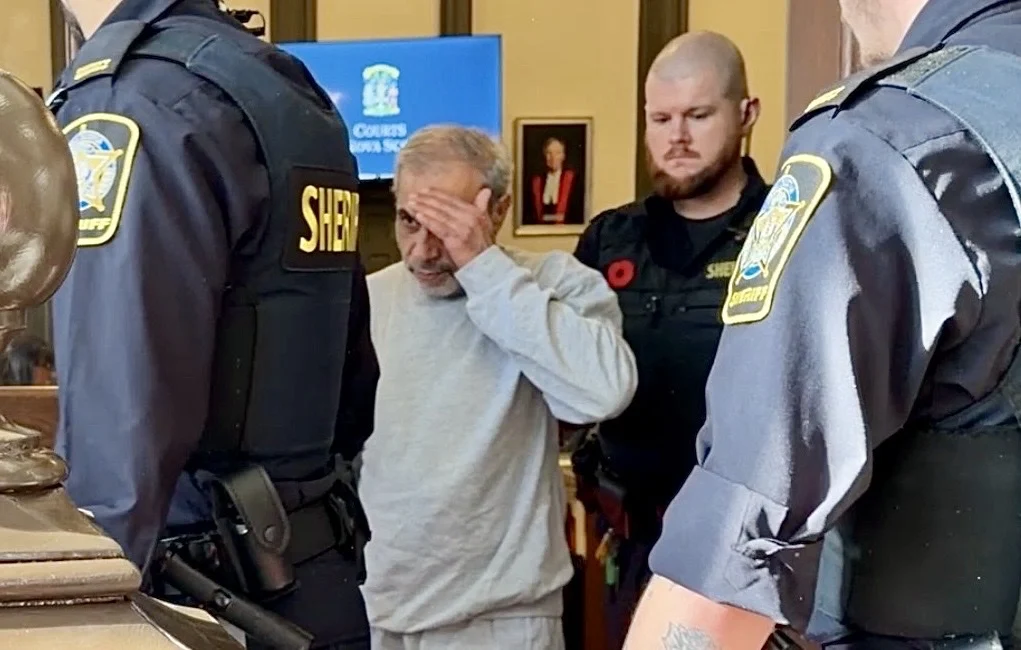
Halifax, Nova Scotia – The legal proceedings against Ali Assakereh, the 54-year-old man accused of threatening to bomb the United States Consulate in Halifax, saw another adjournment in a Nova Scotia courtroom on Monday, November 2, 2026. The case, which has drawn significant attention due to the gravity of the allegations and its implications for diplomatic security, was pushed to later in the month, underscoring the complex and evolving nature of the charges against the accused.
Assakereh appeared in person for the hearing, where his legal aid lawyer, Krysten Stevens, requested additional time to thoroughly review the recently filed charges. This request highlights the increasing legal intricacy of the matter, as authorities continue to build their case. Federal Crown prosecutor Lee-Ann Conrod expressed a desire for the proceedings to advance, stating, "It is the same disclosure and same facts, so we were hoping the matter would move forward today." Despite the Crown’s push for progress, Judge Paul Scovil granted the adjournment, setting the next court date for November 30, with Conrod expressing optimism for movement on the file at that time. Assakereh has remained in custody since his initial arrest on August 10.
A Deep Dive into the Allegations and Legal Framework

The incident that led to Assakereh’s arrest and subsequent charges unfolded on August 10, when he was apprehended for allegedly placing a propane tank and flammable liquids in his vehicle and parking it near the United States Consulate on Upper Water Street in downtown Halifax. This immediate threat prompted a swift and comprehensive response from Halifax Regional Police (HRP) and other emergency services, leading to the closure of several downtown streets as authorities worked to safely assess and neutralize the perceived danger. A suspicious bag found nearby further complicated the scene, necessitating extensive police protocols and a thorough inspection of the area.
Initially, Assakereh faced charges of uttering threats and public mischief. However, the scope of the accusations broadened considerably just eight days later. On August 18, he was additionally charged with threatening an internationally protected person. This charge carries significant weight within Canadian law, as it falls under specific provisions of the Criminal Code designed to protect diplomatic and consular personnel and their premises. As Federal Crown prosecutor Conrod explained, "That offence is defined as a terrorism offence under the Criminal Code. None of the other charges are a terrorism offence. We’ve given notice that that would have a maximum (penalty) of life imprisonment." This distinction elevates the potential legal consequences dramatically, placing the case in a category typically reserved for crimes against national and international security.
Further complicating the legal landscape, Halifax Regional Police laid two more charges on October 22, related to hoax terrorist activity. These charges specifically address both the act of committing such a hoax and the dissemination of information that could lead others to believe a terrorist act is imminent or occurring. The layering of these charges – from initial public mischief to threats against internationally protected persons and now hoax terrorist activity – paints a picture of an investigation that has progressively uncovered more serious and complex alleged criminal conduct, each carrying its own set of evidentiary requirements and potential penalties.
The Significance of Diplomatic Missions and Security Protocols

The targeting of a diplomatic mission, even if through a hoax, carries profound implications for international relations and domestic security. Consulates, like the U.S. Consulate in Halifax, serve as vital hubs for diplomacy, trade, and citizen services, representing the interests of their home nation abroad. Under international law, particularly the Vienna Convention on Consular Relations, consular premises, archives, and personnel are afforded special protection and immunities. Any threat against them is not merely a domestic crime but can be viewed as a violation of international norms governing diplomatic relations.
Security around diplomatic facilities globally is perpetually at a high state of alert, a reality shaped by historical incidents of terrorism and political violence. In Canada, federal and local law enforcement agencies work collaboratively to ensure the safety of foreign missions. The incident in Halifax, therefore, triggered not only a local emergency response but also likely prompted a review of security protocols at the U.S. Consulate and potentially other foreign missions across the country. The swift police action, including street closures and the careful examination of the vehicle and suspicious bag, demonstrates the extreme caution and seriousness with which such threats are treated. The primary objective in such situations is always public safety, followed by the meticulous gathering of evidence to support prosecution.
Chronology of Key Events
The timeline of the Ali Assakereh case illustrates a rapidly escalating legal situation:

- August 10, 2026: Ali Assakereh is arrested after allegedly parking a vehicle containing a propane tank and flammable liquids near the U.S. Consulate in downtown Halifax. Several streets are shut down as police respond to the potential threat. He is initially charged with uttering threats and public mischief.
- August 18, 2026: Additional charges are laid against Assakereh, specifically threatening an internationally protected person. This charge is designated as a terrorism offense under the Criminal Code of Canada, carrying a maximum penalty of life imprisonment.
- October 22, 2026: Halifax Regional Police lay two further charges against Assakereh, both related to hoax terrorist activity. These charges address both the alleged act itself and the dissemination of information implying a terrorist act.
- November 2, 2026: Assakereh appears in provincial court. His legal aid lawyer requests an adjournment to review the recently filed additional charges. Federal Crown prosecutor expresses hope for the matter to proceed. Judge Paul Scovil grants the adjournment.
- November 30, 2026: The next scheduled court appearance for Ali Assakereh.
This detailed chronology underscores the methodical yet increasingly severe approach taken by law enforcement and the Crown in response to the alleged actions. Each new set of charges reflects a deeper understanding or interpretation of the evidence collected, aligning the prosecution with the most serious potential legal ramifications under Canadian law.
The Implications of "Terrorism Offence" Designation
The designation of "threatening an internationally protected person" as a terrorism offence under the Criminal Code is a critical aspect of this case. In Canada, a "terrorism offence" is not merely about the act of terrorism itself but can also encompass actions that support or facilitate such acts, or, as in this instance, threats against entities specifically protected under international conventions. The Criminal Code provides a broad definition for terrorist activities, which includes acts committed "in whole or in part for a political, religious or ideological purpose, objective or cause" with the intention of intimidating the public, or a segment of the public, with regard to its security, including its economic security, or compelling a government, whether domestic or foreign, or an international organization to do or to refrain from doing any act.
While the "hoax terrorist activity" charges might suggest that the actual intent to detonate a device is not yet proven, the earlier charge of threatening an internationally protected person already invokes the terrorism framework. This is crucial because it allows for potentially higher penalties, different investigative powers (though not necessarily used here), and sends a strong message about the state’s resolve to protect diplomatic interests and deter threats of this nature. The maximum penalty of life imprisonment for this particular charge reflects the severe view the Canadian legal system takes on threats to international representatives and the stability they symbolize.

Impact on the Community and Public Safety Response
The incident had an immediate and tangible impact on the downtown Halifax community. The closure of key thoroughfares like Upper Water Street, a central artery for both local traffic and business, disrupted daily life for hours. Businesses in the vicinity likely experienced temporary closures or reduced foot traffic, and commuters faced significant delays and detours. Beyond the logistical inconveniences, such events inevitably generate public anxiety and heighten a sense of vulnerability within the community.
The Halifax Regional Police response was a textbook example of emergency management for a potential high-risk situation. This included:
- Containment: Establishing a perimeter around the consulate and the suspicious vehicle.
- Evacuation/Shelter-in-place: Advising nearby residents and businesses on safety protocols.
- Specialized Units: Deployment of Explosive Disposal Unit (EDU) personnel and other tactical resources.
- Communication: Providing timely updates to the public through official channels to mitigate panic and ensure cooperation.
The coordinated efforts ensured that despite the serious nature of the threat, the situation was managed without any reported injuries or actual detonation, a testament to the preparedness and professionalism of Halifax’s emergency services. These responses are vital in maintaining public trust and demonstrating the capacity of authorities to protect citizens and critical infrastructure.

The Path Forward: Legal Proceedings and Potential Outcomes
As the case moves towards its next court date on November 30, several legal avenues remain open. Assakereh’s legal aid lawyer will continue to review the extensive disclosure of evidence, which is critical for preparing a robust defense. The defense could argue various points, including the intent of the accused, the interpretation of the evidence, or potential mental health considerations.
The Crown, on the other hand, will aim to demonstrate beyond a reasonable doubt that Assakereh committed the alleged acts and that his actions meet the legal definitions of the charges, including the specific elements required for a "terrorism offence" and "hoax terrorist activity." Given the escalating nature of the charges, it is plausible that the Crown may seek to prove that Assakereh’s actions were calculated to instill fear and disrupt public order, even if the primary goal was not necessarily an actual explosion.
Potential outcomes for the case range from acquittal if the Crown cannot prove its case, to a negotiated plea deal, or a full trial with a potential conviction. Given the maximum penalty of life imprisonment associated with one of the charges, the stakes are exceptionally high for all parties involved. The judicial process is designed to be thorough, ensuring that all evidence is considered and legal rights are upheld, a process that often requires multiple adjournments and careful deliberation.

Broader Context of Threats to International Entities
The incident in Halifax is not isolated in the global context of threats against diplomatic missions. Across the world, embassies and consulates are frequent targets for protests, acts of vandalism, and more serious threats of violence, stemming from a myriad of geopolitical, ideological, or even personal grievances. While many such threats are hoaxes or do not materialize into actual attacks, security agencies universally treat every credible threat with the utmost seriousness. The financial and human resources dedicated to protecting these sites are substantial, reflecting the continuous vigilance required in an interconnected and sometimes volatile world.
The Halifax incident serves as a stark reminder that even seemingly quiet cities can become focal points for international security concerns. It reinforces the importance of robust intelligence gathering, effective inter-agency cooperation, and public awareness regarding suspicious activities. As the legal proceedings against Ali Assakereh unfold, they will not only determine the fate of the accused but also underscore Canada’s commitment to upholding international law and ensuring the safety of all diplomatic personnel within its borders. The community will undoubtedly follow the case closely, awaiting a resolution that brings clarity and justice to this unsettling event.