admin
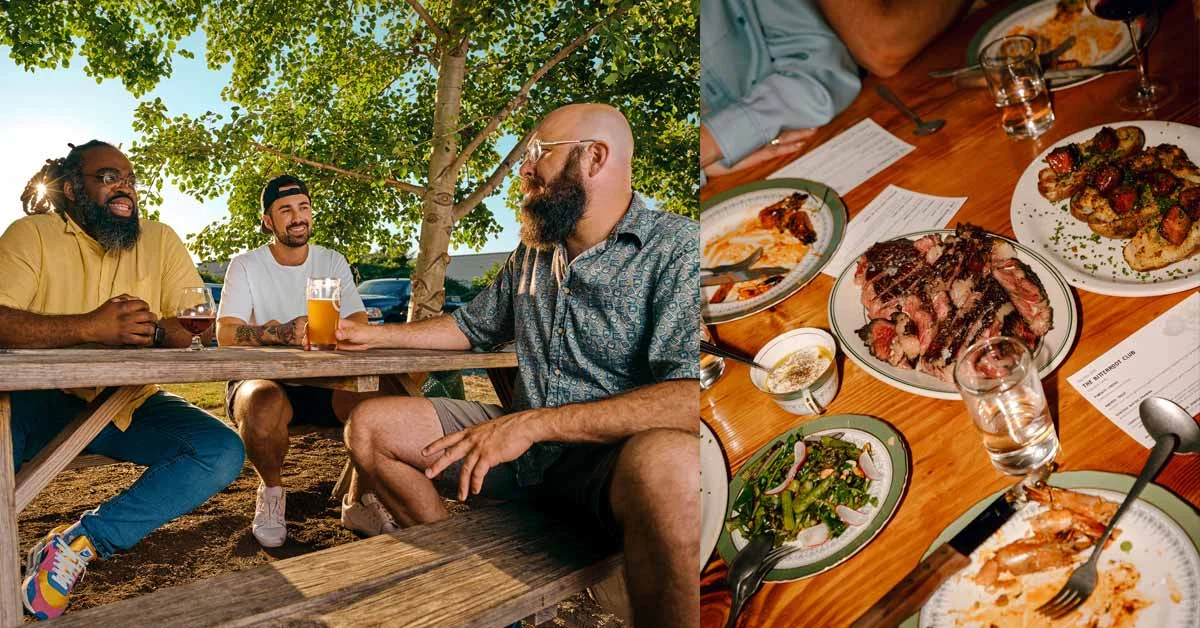
The craft brewing industry in Portland, Oregon, long considered the epicenter of American beer culture, is undergoing a significant transformation as established brewmasters and culinary experts collaborate to redefine the "Beervana" experience. At the forefront of this shift is Grand Fir Brewing, a Southeast Portland establishment in the Buckman neighborhood that exemplifies the integration of high-end gastronomy with world-class brewing. Led by the husband-and-wife team of Doug Adams, a former Top Chef finalist, and Whitney Adams, a veteran brewmaster with a pedigree spanning Upright Brewing and 10 Barrel Brewing Company, the venue represents a strategic pivot toward "elevated" brewpub experiences designed to capture a more discerning, post-pandemic consumer base.
The Rise of the Culinary Brewpub: A Case Study in Southeast Portland
The centerpiece of Grand Fir Brewing’s innovative model is The Bitterroot Club, a weekly, high-end supper club that operates in a secluded, lodge-style space at the rear of the brewery’s industrial facility. This initiative serves as a response to the "slippery marketplace" currently facing independent brewers nationwide. By offering a $135-per-person prix fixe menu that pairs seasonal, locally sourced ingredients with specific beer profiles, the Adamses are moving beyond the traditional burger-and-pint model.
Recent pairings at The Bitterroot Club highlight the technical synergy between the kitchen and the cellar. For instance, the Tamarack Fest, a bready German-style festbier, is paired with Columbia king salmon accompanied by lemon, fig, and basil—a combination designed to use malty sweetness to balance the fatty richness of the fish. Subsequent courses, such as charcoal-grilled pork chops with Nardello peppers, are matched with the Bandit Run Mosaic American IPA to allow the beer’s crisp finish to cut through salty smokiness. This level of culinary sophistication is no longer a luxury but a necessity; as Whitney Adams notes, a standalone brewery without a unique "angle" faces significant hurdles in a market where consumers expect more than just a standard taproom.
A Chronology of Beervana: From Isolation to Global Influence
To understand Portland’s current resilience, one must look at the city’s unique historical trajectory. Unlike many American cities where "Big Beer" (macro-breweries like Anheuser-Busch or Miller) dominated the 20th-century landscape, Portland remained geographically isolated from major distribution hubs. This isolation created a vacuum that local, independent beermakers were eager to fill.
The timeline of Portland’s brewing dominance is marked by several key milestones:
- Late 1980s – Early 1990s: The dawn of the modern brewpub culture begins, driven by the proximity to the hop fields of the Willamette Valley.
- 1994: The term "Beervana" is first coined by the local alternative weekly Willamette Week, cementing the city’s identity.
- 1996: BridgePort Brewing Co. introduces its India Pale Ale, a "hop bomb" using five local varietals. This beer becomes a template for the Northwest-style IPA, characterized by aggressive citrus, floral, and pine notes.
- 2000–2010: Portland matures into the most developed craft market in the country. Establishments like Breakside Brewing and Gigantic Brewing are founded, pushing the boundaries of style and distribution.
- Mid-2010s: The "growler phenomenon" takes hold, with gas stations and grocery stores installing draft towers, providing unprecedented market access for small-batch producers.
- 2020–Present: The post-pandemic era forces a shift toward experiential and "elevated" offerings as breweries grapple with rising real estate costs and changing consumer habits.
Economic Data and the Discerning Consumer Base
The strength of the Oregon beer industry is backed by substantial economic data. According to the Oregon Brewers Guild, the craft brewing industry contributes approximately $2.2 billion to the state’s economy and supports tens of thousands of jobs. Portland specifically maintains one of the highest densities of breweries per capita in the world.
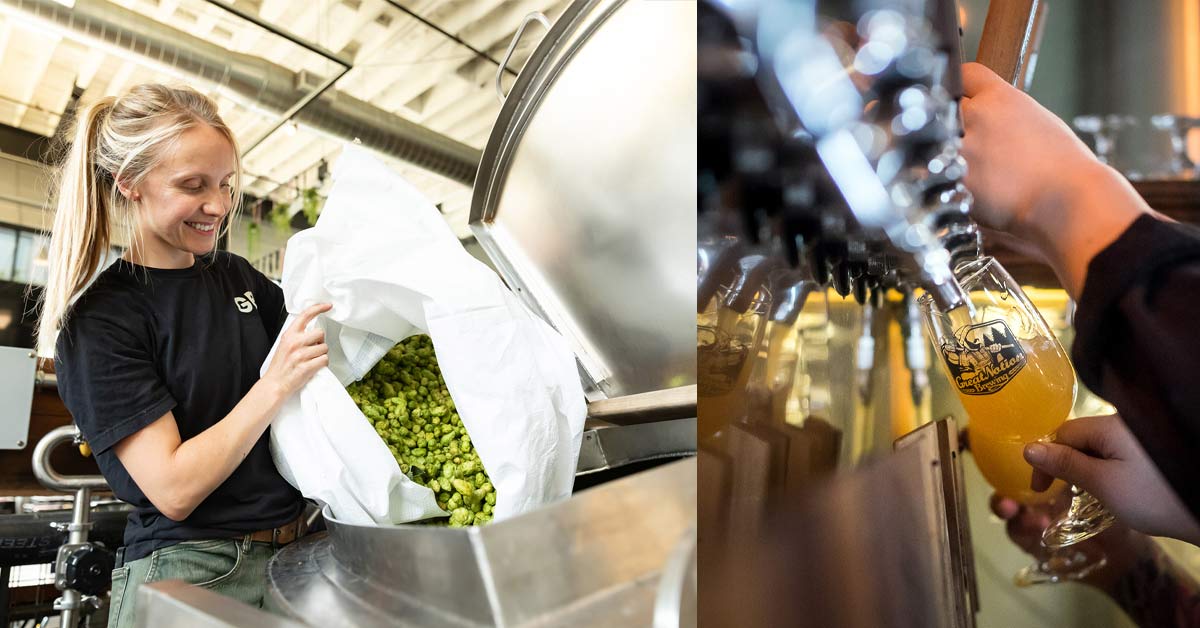
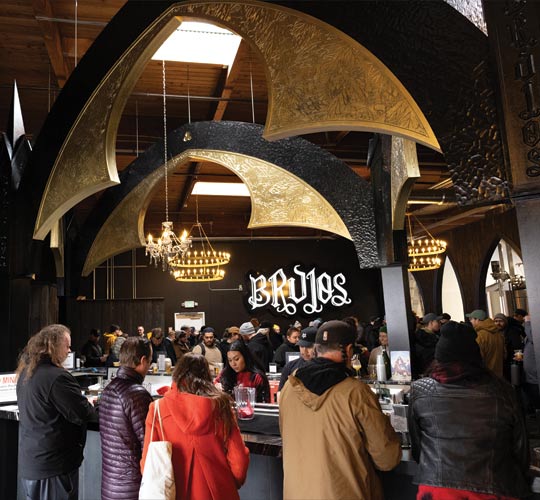
However, the local market is defined less by volume and more by the "savvy" nature of its drinkers. Ben Edmunds, brewmaster at Breakside Brewing, argues that the relationship between brewer and consumer in Oregon is unique because of high expectations. "People feel like they can find good beer everywhere here," Edmunds explains. This environment has forced breweries to innovate constantly. In a 48-hour span, a Portland visitor can transition from Wayfinder’s "Cold IPAs" (brewed with lager yeast) to the heavy-metal-themed hazy ales of Brujos Brewing, the experimental "pastry sours" of Great Notion, or the meticulously crafted non-alcoholic (NA) versions of classics like Deschutes’ Black Butte Porter.
Industry Perspectives: The Normalization of Craft
Van Havig, master brewer and co-founder of Gigantic Brewing, provides a critical perspective on what makes Portland distinct from other brewing hubs like Colorado or California. In Portland, the terms "craft beer" and "microbrew" have largely fallen out of favor because independent beer is the default. "Here, it’s just beer," Havig states, noting that even the most modest dive bars in the city often feature five or six local taps alongside a single macro-option like Pabst Blue Ribbon.
This normalization of quality has led to a "brewing family tree" that is now branching out more than ever. Historically, Portland brewers tended to remain at their original posts for decades. Recently, however, a new generation of experienced veterans—such as those behind Grand Fir, Ruse, and Living Häus Beer Company—have left established pillars to start their own ventures. This influx of "new blood" with high-level pedigrees ensures that the quality remains high even as the number of venues increases.
Analysis of Implications and Future Outlook
The evolution of the Portland beer scene offers several insights into the future of the broader American craft industry. As the marketplace becomes "slippery" due to economic woes and shifting tastes, the Portland model suggests three paths for survival:
1. The Premiumization of the Taproom
The success of The Bitterroot Club indicates a market for high-margin, exclusive experiences. By positioning beer as a peer to fine wine in a culinary context, breweries can offset the lower margins of traditional wholesale distribution.
2. Style Diversification and Technical Precision
Portland breweries are no longer relying solely on the Northwest IPA. The rise of Cold IPAs, lagers, and NA beers shows that technical versatility is key. For example, Deschutes’ investment in high-quality NA versions of its core brands allows it to remain relevant to health-conscious consumers without sacrificing brand heritage.
3. Community-Centric Resilience
Despite skyrocketing real estate prices and the closure of some legacy institutions, the "Beervana" ethos remains intact because of a deep-seated cultural integration. In Portland, the brewery serves as the "third place"—a community hub that is essential to the city’s social fabric.
Conclusion: Where Craft Beer Won
The current state of Portland’s beer scene is a testament to the resilience of independent producers who refuse to settle for the status quo. While other regions may focus on gimmicks like pickleball courts or arcades to attract patrons, Portland’s strategy remains rooted in the liquid itself and the culinary environment surrounding it.
As Whitney Adams of Grand Fir Brewing emphasizes, the love for beer shared between the brewer and the customer is the glue that holds the industry together. In the words of Van Havig, Portland is the place "where craft beer won." The victory, however, is not a static one; it is a continuous evolution that requires constant refinement, technical mastery, and a willingness to reinvent the "Beervana" legend for a new generation of drinkers.