admin
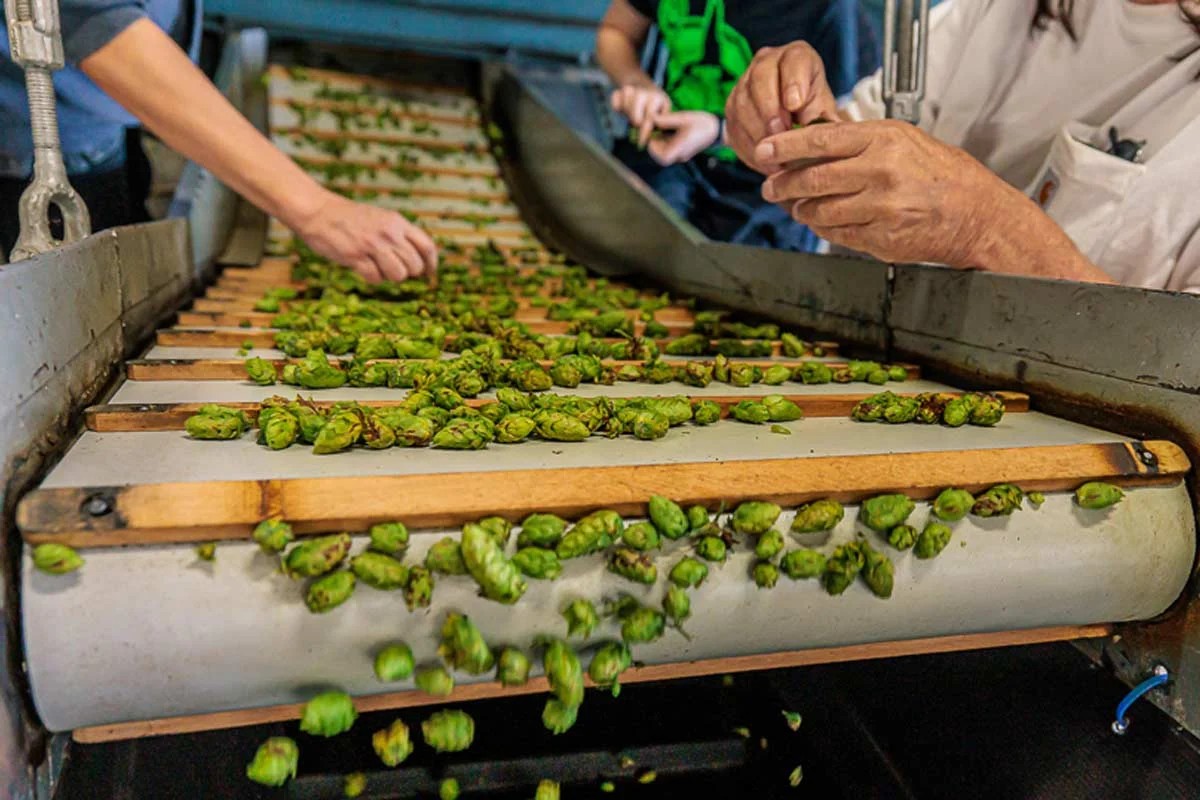
While Michigan ranks as the premier hop-producing state in the Great Lakes region and holds the fourth-place position nationally for total acreage, the faces of this agricultural success story are frequently absent from the public eye. The state’s hop industry, which saw a massive resurgence following the craft beer boom of 2008, has been built on a foundation of scientific research, meticulous greenhouse propagation, and rigorous land stewardship. Central to these efforts is a cohort of women whose contributions span the entire supply chain—from the laboratory to the trellis. Despite the physical and technical demands of the crop, many female growers and researchers remain behind the scenes, managing the complex logistics of harvest coordination and the delicate biological requirements of the Humulus lupulus plant.
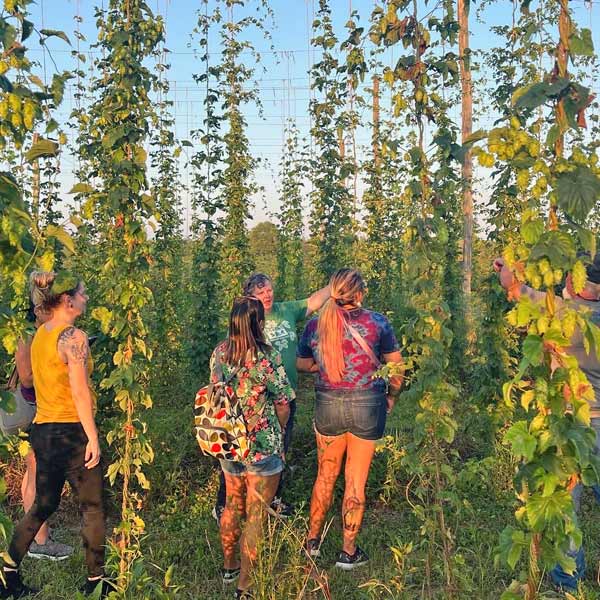
The geographic success of Michigan as a hop hub is not incidental but a result of precise environmental conditions. Hops are notoriously high-maintenance perennials that require a specific photoperiod to thrive. The 45th parallel, which bisects Northern Michigan, provides the long, sunny summer days necessary for flowering and the cold winter nights required for the plants to enter a necessary state of dormancy. Furthermore, the state’s geological history—specifically the movement of glaciers during the last ice age—left behind well-drained, sandy loam soils. These conditions are ideal for hops, which require significant hydration but are susceptible to root rot in over-saturated "wet feet" environments. Unlike grapes, which grow on vines using tendrils, hops grow on bines, using stout hairs along their stems to spiral clockwise around twine. These bines can grow up to 20 feet in a single season, requiring a level of manual labor and mechanical precision that defines the state’s agricultural landscape.
The Scientific Foundation and Academic Support
The revitalization of the Michigan hop industry is inextricably linked to the work of Michigan State University (MSU) and its Extension programs. Within this academic framework, Erin Lizotte has emerged as a pivotal figure for growers statewide. Serving as MSU’s integrated pest management (IPM) coordinator and senior statewide educator, Lizotte provides the research-backed data necessary for farmers to navigate the volatile challenges of hop cultivation.
The role of MSU is critical because hops are vulnerable to a variety of specialized pests and diseases, including downy mildew, powdery mildew, and the hop aphid. Lizotte’s work involves diagnosing these threats in real-time and helping growers navigate the complex regulatory environment of chemical approvals and sustainable biological controls. Her collaboration with the MSU Plant and Pest Diagnostics lab ensures that Michigan growers have access to the same level of sophisticated testing found in the Pacific Northwest, the traditional heart of American hop production. For many independent growers, this academic support acts as a de facto risk management department, allowing small-scale operations to compete on quality with larger commercial yards.
Propagation and the Clean Plant Protocol
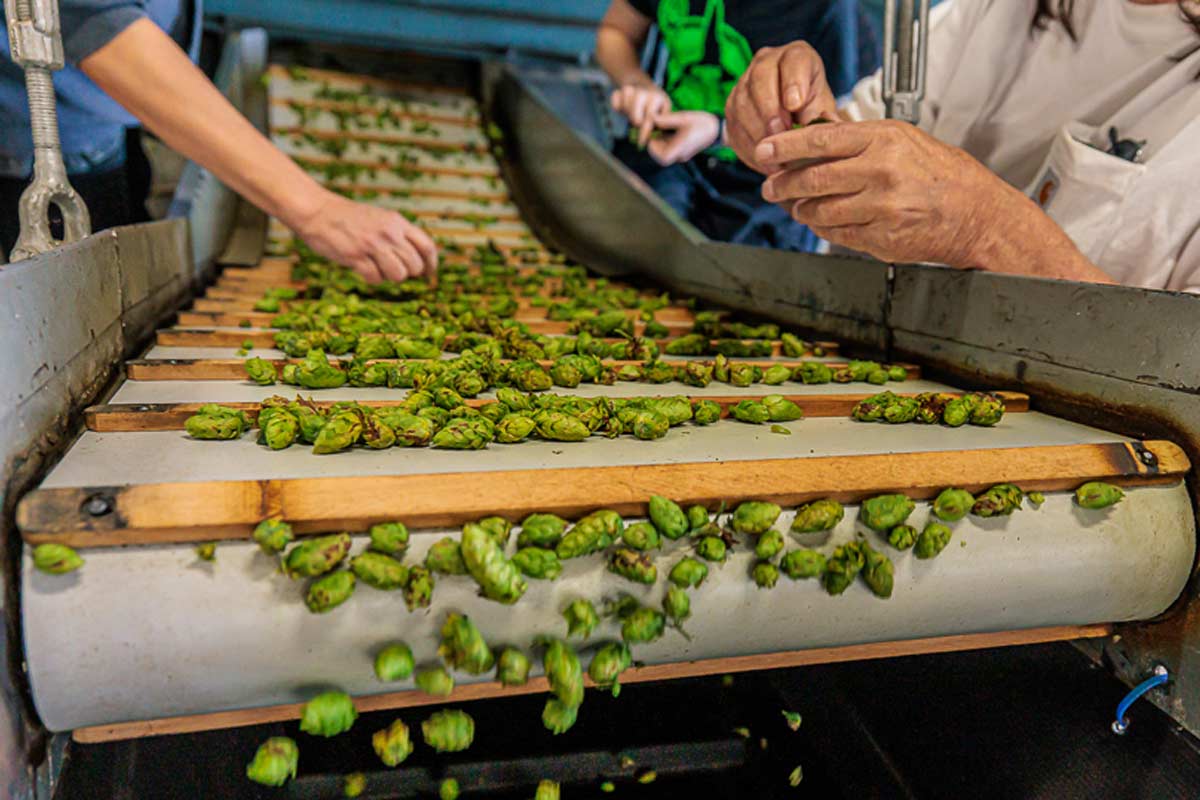
The lifecycle of a Michigan hop begins long before the bines reach the trellis. Julie Kane of Sandy Ridge Farms in Zeeland, Michigan, has spent over two decades in the greenhouse industry, eventually specializing in hop propagation as the state’s interest in the crop reignited in the late 2000s. As the first commercial propagator in the state, Kane’s work focuses on the "Clean Plant" protocol, a rigorous standard designed to prevent the spread of viruses and viroids that can devastate entire yards.
Kane’s process begins with virus-free "mother plants" sourced from the National Clean Plant Network. Maintaining the health of these starters requires strict sanitation of tools, preventative fungicide applications, and annual testing. The importance of this work has been amplified by the escalating effects of climate change. During recent heat waves, temperatures inside greenhouses can exceed 100 degrees Fahrenheit, necessitating advanced cooling strategies such as extra shade cloth and increased irrigation frequency. Kane’s expertise has helped establish a baseline of quality for Michigan hops, ensuring that the industry is built on healthy, resilient stock. While she notes that her expertise was not always immediately recognized in the male-dominated field, the consistent quality of her plants has dismantled those initial barriers.
Stewardship and Sensory Analysis at Bell’s Brewery
In the commercial sector, the integration of horticulture and brewing is exemplified by the work of Bonnie Steinman and Elizabeth Mullins at Bell’s Brewery in Comstock. Steinman, a veteran horticulturist and pest management specialist, co-founded Hop Head Farms before transitioning to her role as land steward at Bell’s. Her work involves overseeing the brewery’s two-and-a-half-acre hop yard, which serves as both a production site and a living laboratory for sustainability.
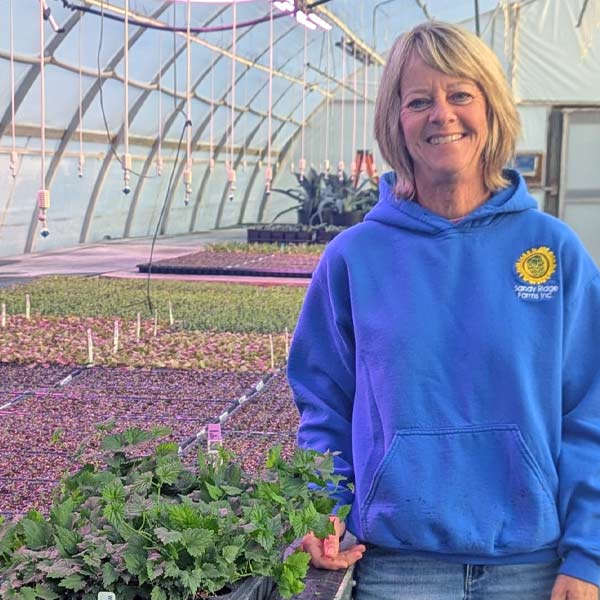
Steinman’s approach to hop farming emphasizes the sensory aspects of the harvest. Under the mentorship of industry veterans like John Mallett, she developed a rigorous daily protocol of "rubbing and smelling" hop cones to track the transition of aromas from grassy to fruity to resinous. This sensory data determines the exact window for harvest, ensuring peak oil content and alpha acid levels. Steinman now mentors Mullins, who brings a background in pest management to the scouting and field operations.
Their work extends beyond the bines to broader environmental stewardship, including the management of apple orchards, butterfly waystations, and employee gardens. A notable innovation in their yard is "The Hideaway," a gathering space designed to immerse visitors in the hop-growing environment. Inspired by the TopWire Hop Project in Oregon, this space allows brewers and the public to experience the crop at its physiological peak, fostering a deeper connection between the raw ingredients and the final pint.
Engineering Quality and Process Standardization
At Top Hops Farm in Goodrich, Mel Trowbridge has applied her 40-year career as an automotive engineer and quality control specialist to the agricultural sector. Trowbridge’s influence is seen in the farm’s process-driven operations, which mirror the lean manufacturing principles of the Detroit automotive industry. By implementing structured training, task rotation, and daily debriefs, Trowbridge has created a culture of continuous improvement.
During the harvest—a period Trowbridge describes as "wrestling a jungle"—her role is primarily one of orchestration. She manages the logistics of the picking machine, the drying kilns, and the baling process, ensuring that the delicate cones are processed quickly to prevent oxidation. This engineering mindset is crucial for the Michigan industry as it seeks to professionalize and scale. By treating the farm as a high-precision production facility, Trowbridge ensures that the final product meets the stringent specifications required by commercial brewers.
The Michigan Chinook and the Identity of Terroir
A significant part of Michigan’s industry strategy involves carving out a unique identity through terroir—the idea that the local environment imparts specific characteristics to the crop. Rose Stahl, co-owner of Mr. Wizard’s Hops in Monroe, has been a key advocate for this movement. Stahl’s entry into hop farming began after a catastrophic flood destroyed her family’s corn crop, leading them to experiment with hops on their sandy soil.
Over the past decade, Stahl has helped organize the Chinook Cup, a competition hosted by the Hop Growers of Michigan. The contest celebrates the "Michigan Chinook," a variety that exhibits a different aromatic profile than its counterparts grown in the Pacific Northwest. While Western Chinook is often characterized by pine and resin, the Michigan-grown version frequently displays notes of pineapple and bright citrus. By championing this variety, Stahl and her peers are moving the industry away from commodity production and toward a specialty "Great Lakes" brand. This differentiation is vital as Michigan growers face market contraction and competition from larger, more established regions.
Economic Implications and the Future of the Industry
The growth of Michigan’s hop industry is a testament to the state’s agricultural diversification. According to data from the United States Department of Agriculture (USDA) and the National Agricultural Statistics Service (NASS), Michigan’s hop acreage peaked during the mid-2010s as breweries sought local alternatives to Western hops. However, the industry currently faces a period of consolidation. Market contraction, rising labor costs, and the global surplus of certain hop varieties have forced growers to become more efficient and market-savvy.
The role of women in this transition is increasingly visible. Amy Tennis of the Michigan Hop Alliance points out that while men are often the public face of family farms, women frequently manage the essential "back-office" and field labor—ranging from grant writing and bookkeeping to irrigation management and bine training. This "invisible labor" is the backbone of the small-scale independent farm.
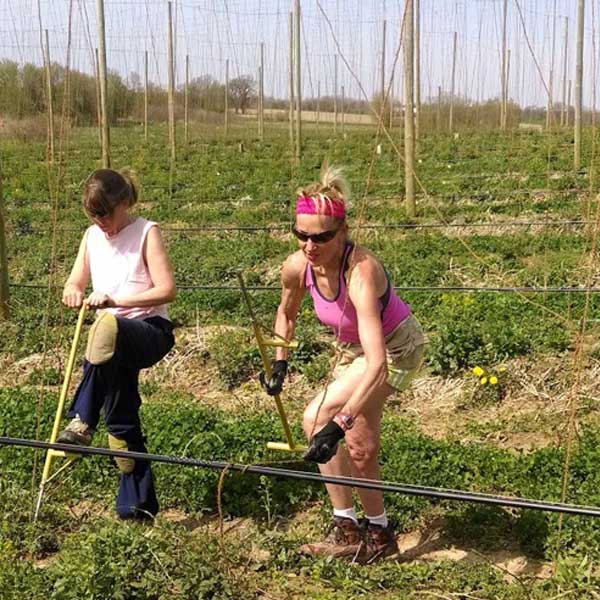
Looking forward, researchers like MSU’s Nicole Shriner emphasize that Michigan’s path to long-term viability lies in quality and identity. The state is not attempting to replicate the massive scale of the Yakima Valley in Washington but is instead focusing on being a premium provider of unique, high-quality hops for the craft sector. The contributions of women—as scientists, engineers, propagators, and stewards—are the driving force behind this evolution. Their work ensures that when a brewer chooses Michigan hops, they are investing in a product backed by rigorous research and a deep commitment to the land. As the industry matures, the visibility of these women is expected to grow, reflecting their status as the primary architects of the Great Lakes hop harvest.