admin
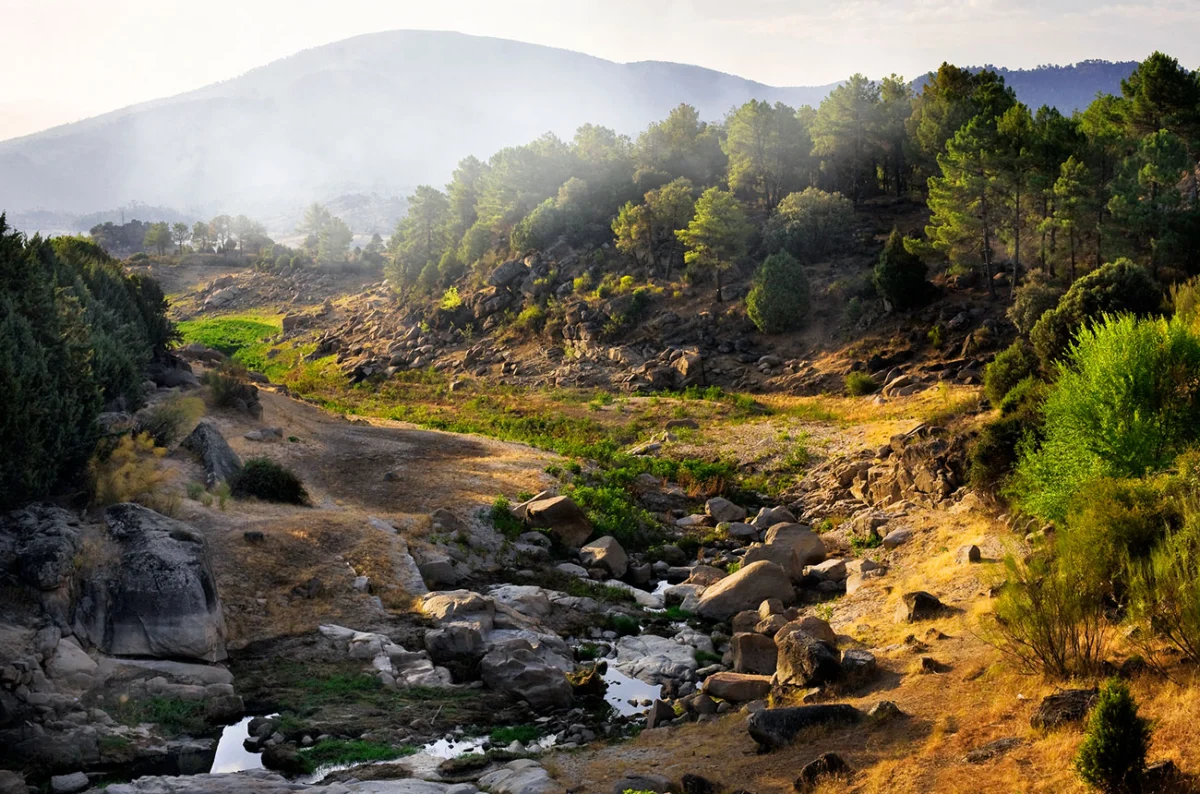
Nestled within a secluded hollow on the northern flanks of the majestic Dentelles de Montmirail, in the heart of southeastern France, lies Chêne Bleu, a winery whose very existence is a testament to the profound interplay of geological forces, enduring human history, and a modern commitment to ecological stewardship. This remarkable estate, housed within a meticulously restored ninth-century priory, offers a unique narrative where the deep past of the Earth converges with the intricate art of winemaking and a pioneering spirit of sustainability. The dramatic landscape surrounding Chêne Bleu, characterized by its near-vertical strata of Jurassic limestone, is a direct legacy of the same titanic tectonic collision that sculpted the Pyrenees mountain range tens of millions of years ago, thrusting portions of the Earth’s crust upwards with immense power.
The Geological Tapestry of the Dentelles de Montmirail
The Dentelles de Montmirail, whose name evocatively translates to "lace of Montmirail" due to their jagged, spire-like peaks, are a striking geological anomaly within the predominantly rolling landscapes of the Southern Rhône Valley. Their formation represents a pivotal chapter in the Earth’s history, dating back to the Cenozoic Era, specifically the Eocene and Oligocene epochs. During this period, the African and Eurasian tectonic plates engaged in a colossal collision, a slow-motion ballet of continental drift that ultimately gave rise to some of Europe’s most formidable mountain ranges, including the Pyrenees and, further east, the Alps. The Dentelles de Montmirail, though smaller in scale, are a direct geological offshoot of these forces, representing an uplifted and intensely folded section of the pre-existing sedimentary basin.
The bedrock that defines the Dentelles, and consequently the terroir of Chêne Bleu, is primarily Jurassic limestone. This limestone was formed between approximately 201 and 145 million years ago, in a warm, shallow marine environment teeming with ancient life. Over eons, the calcified remains of marine organisms, shells, and corals accumulated on the seafloor, compacting and cementing into the distinctive rock formations we observe today. When the tectonic collision occurred, these horizontal layers were violently compressed and uplifted, tilting them to dramatic angles, often approaching vertical. This geological history provides the vineyards of Chêne Bleu with a distinct advantage: soils rich in calcium carbonate, excellent drainage, and a unique mineral profile that imparts specific characteristics to the grapes, influencing their acidity, structure, and aromatic complexity. The extreme elevation and varied aspects of the Dentelles also create a mosaic of microclimates, further enhancing the complexity and diversity of the wines produced in this region.
A Priory Reborn: Chêne Bleu’s Historical Foundations
The human story at Chêne Bleu extends far beyond modern viticulture, reaching back to the early medieval period. The winery itself occupies a ninth-century priory, a structure imbued with centuries of history and spiritual significance. While specific records detailing the priory’s daily life during the Carolingian era are scarce, such monastic establishments played crucial roles in the social, economic, and cultural fabric of medieval Europe. Priories, often founded by larger abbeys, served as centers for prayer, scholarship, agricultural innovation, and hospitality for travelers. They were self-sufficient communities, cultivating land, producing food, and often, as was common across France, tending vineyards for sacramental wine and local consumption.
The transition from a monastic dwelling to a modern winery is a tale of restoration and vision. For many centuries, after the decline of monastic orders or shifts in land ownership, such historical buildings often fall into disrepair, becoming ruins or mere agricultural outbuildings. The resurrection of the Chêne Bleu priory involved extensive and meticulous restoration work, respecting the original architectural integrity while adapting it for contemporary winemaking operations. This undertaking speaks to a broader appreciation for historical preservation in France, recognizing the cultural and aesthetic value these ancient structures contribute to the landscape. The cool, stable environment of a historical stone building, for instance, can be ideal for wine cellars, providing natural temperature and humidity control crucial for aging fine wines. The presence of such a venerable structure anchors Chêne Bleu not just in a place, but in a continuum of time, connecting its present-day wines to a rich historical legacy.
The Philosophy of Sustainable Viticulture at Chêne Bleu
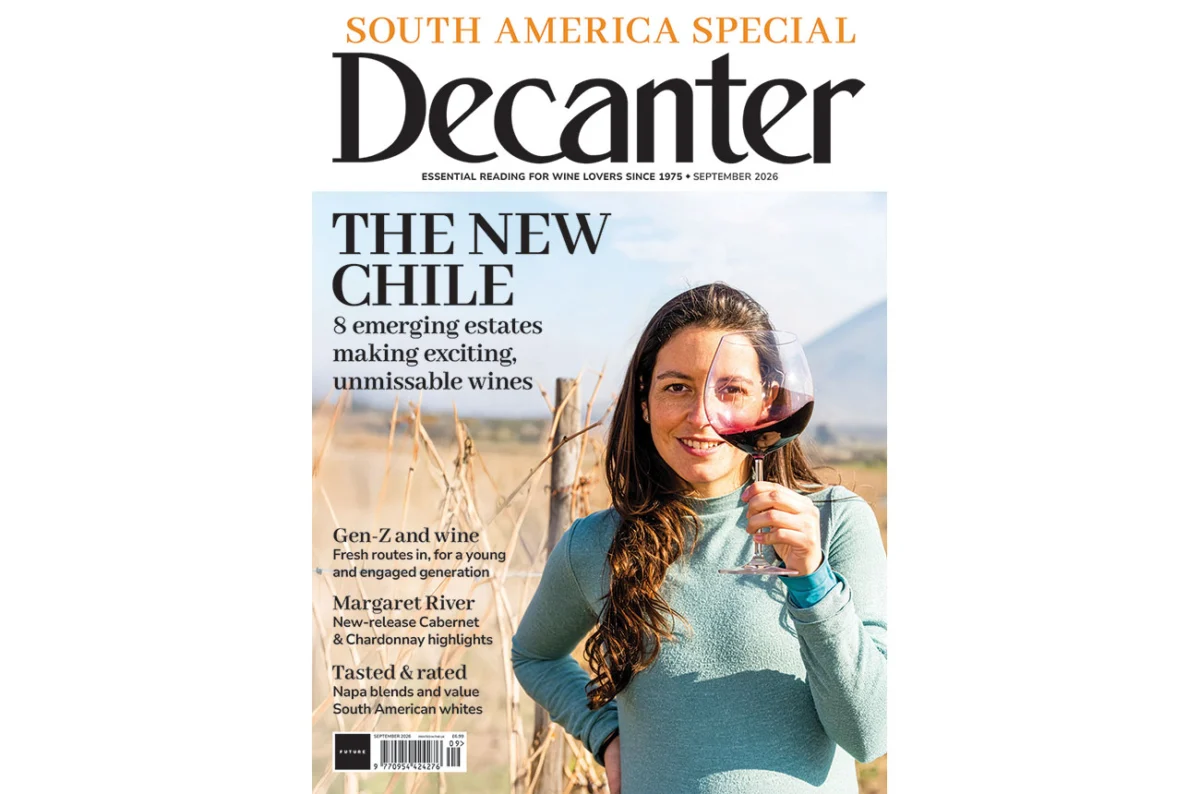
At the heart of Chêne Bleu’s contemporary identity is a profound commitment to sustainable viticulture, encompassing practices that extend beyond mere organic certification. As Natalie Earl, Decanter’s Regional Editor for France & Sustainability Editor, eloquently states, "Every bottle of organic, biodynamic, regeneratively farmed or bee-friendly wine we buy is a vote for protecting the land." This philosophy is not just an ethos but a guiding principle that shapes every decision made in the vineyards and cellar of Chêne Bleu.
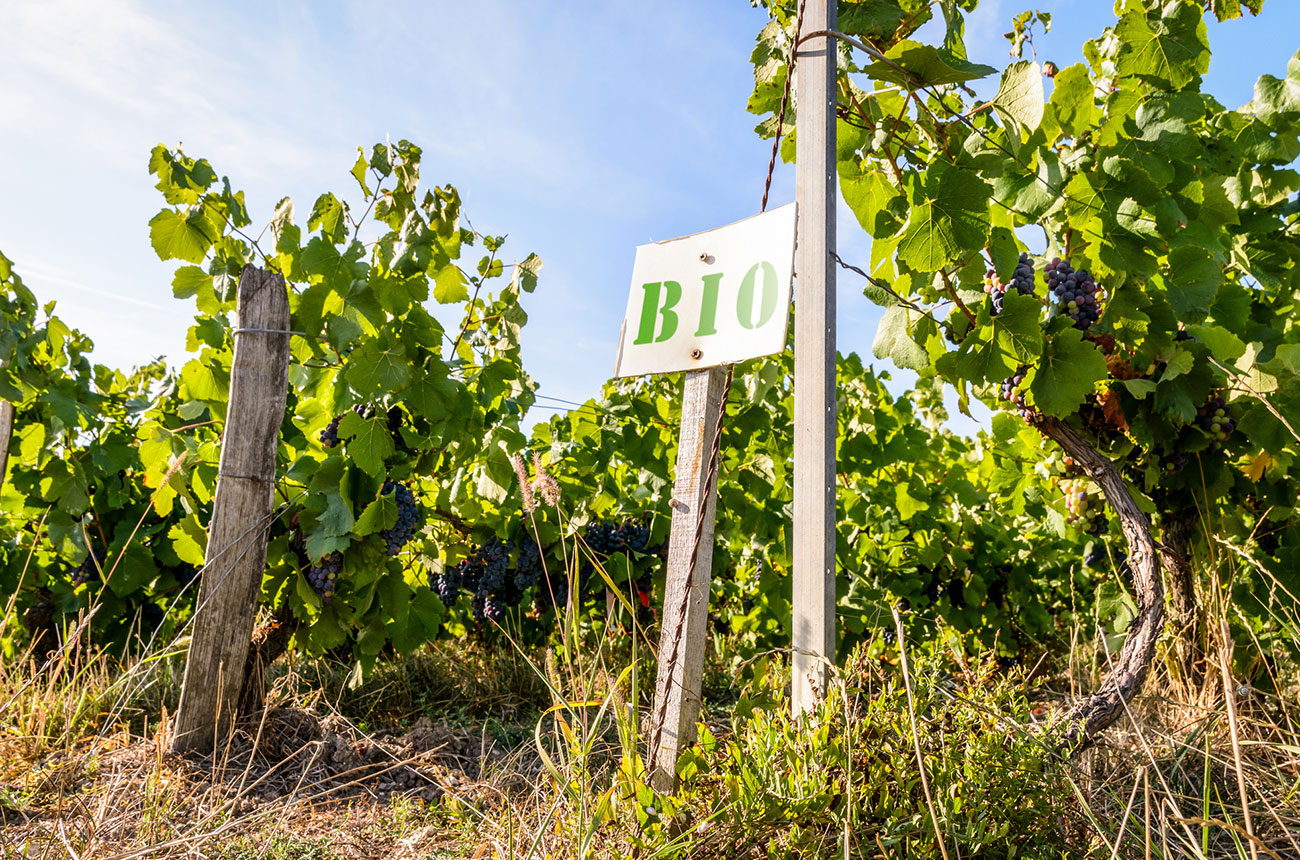
Organic Viticulture: The foundational step for Chêne Bleu involves eschewing synthetic chemicals. This means no artificial pesticides, herbicides, fungicides, or fertilizers are used in their vineyards. Instead, they rely on natural methods to manage pests and diseases, such as encouraging beneficial insects, using natural predators, and applying organic preparations like sulfur and copper (within strict limits). Soil fertility is maintained through organic composts, cover crops, and green manures, which enrich the soil with nutrients and improve its structure and water retention. This approach fosters a healthier vineyard ecosystem, protecting workers, local wildlife, and ultimately, the consumers of their wine.
Biodynamic Practices: Chêne Bleu’s commitment often extends to biodynamic principles, a holistic, ecological, and ethical approach to farming first developed by Rudolf Steiner in the early 20th century. Biodynamics views the farm as a self-contained, living organism, emphasizing the interconnectedness of soil, plants, animals, and cosmic rhythms. Practices include using specific biodynamic preparations (e.g., horn manure, horn silica) to enhance soil vitality and plant growth, following lunar and planetary cycles for vineyard tasks like pruning and harvesting, and promoting biodiversity. This comprehensive system aims to create a vibrant, self-regulating ecosystem that produces grapes of exceptional quality and expressiveness.
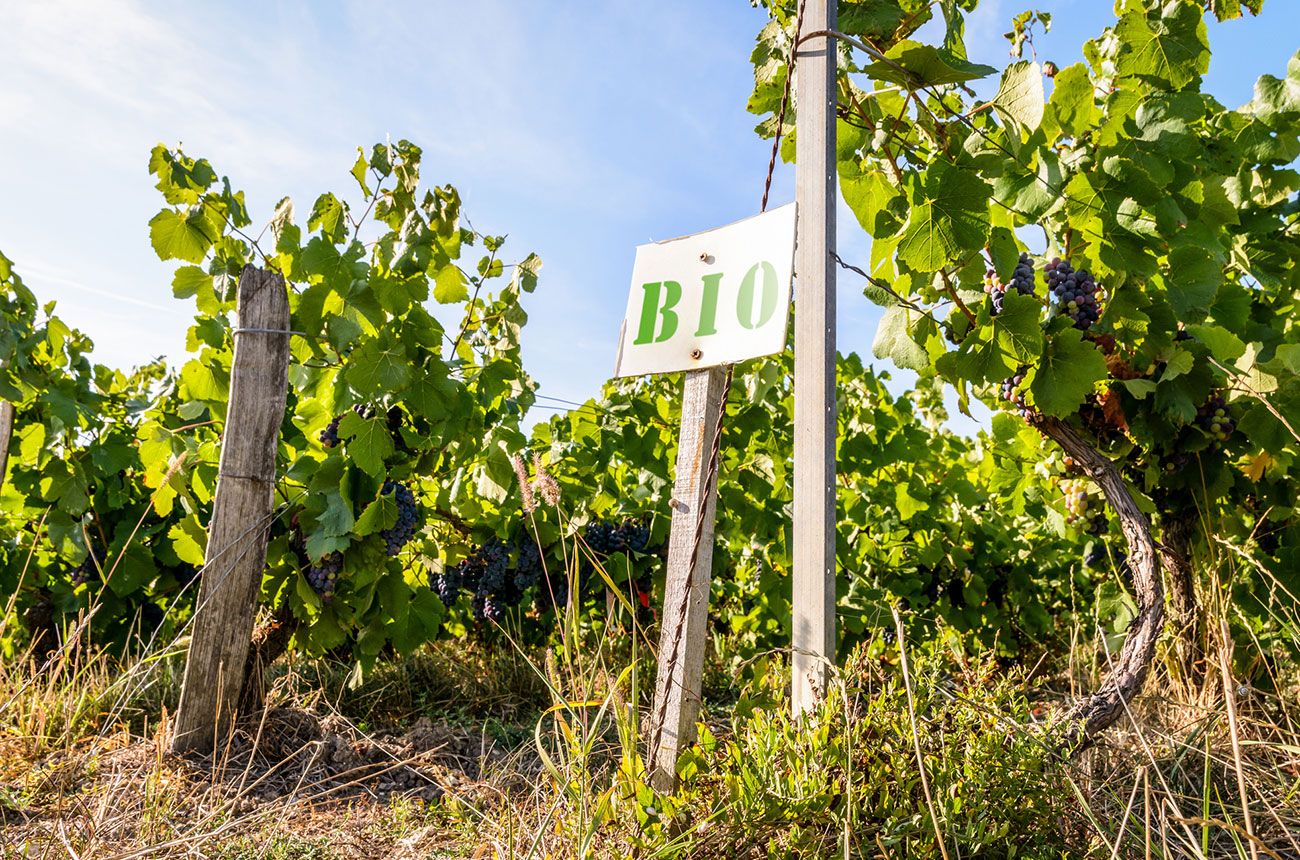
Regenerative Agriculture: A further evolution in sustainable farming, regenerative agriculture focuses on restoring and enhancing the entire ecosystem. This goes beyond simply sustaining current conditions to actively improving soil health, biodiversity, and water cycles. Key practices include:
- Minimal Tillage: Disturbing the soil as little as possible to maintain its structure and microbial life.
- Cover Cropping: Planting various grasses, legumes, and other plants between vine rows to prevent erosion, suppress weeds, add organic matter, and fix nitrogen.
- Composting: Creating nutrient-rich compost from vineyard waste and other organic materials to nourish the soil.
- Integrated Pest Management: A holistic approach to pest control that minimizes chemical use and emphasizes ecological solutions.
- Biodiversity Enhancement: Planting trees, hedges, and wildflowers to create habitats for beneficial insects and wildlife, thereby increasing the overall ecological resilience of the vineyard.
Regenerative practices aim to sequester carbon in the soil, contributing to climate change mitigation, and enhance the overall health and resilience of the vineyard for future generations.
Bee-Friendly Initiatives: Recognising the critical role of pollinators, Chêne Bleu likely implements specific "bee-friendly" measures. This often involves planting native wildflowers and other flowering plants around the vineyard borders and within cover crop mixes that provide nectar and pollen for bees and other beneficial insects throughout the growing season. It also means carefully timing any necessary treatments to avoid peak foraging times and choosing products that are non-toxic to pollinators. Protecting bees is vital not only for the local ecosystem but also for the broader agricultural landscape, as many crops rely on these essential workers.
The Broader Context: Mont Ventoux and the Southern Rhône
Chêne Bleu’s location within the western foothills of Mont Ventoux, a legendary peak often dubbed the "Giant of Provence," further underscores its unique position. Mont Ventoux, though geologically distinct from the Dentelles, profoundly influences the local climate, acting as a climatic barrier that shields the region from certain weather patterns while funnelling the powerful Mistral wind, which provides natural ventilation and helps prevent fungal diseases in the vineyards. This interplay of mountains and winds creates a distinctive microclimate, with hot, sunny days tempered by cool nights, allowing grapes to ripen slowly and accumulate complex flavors while retaining essential acidity.
The Dentelles de Montmirail region is part of the larger Southern Rhône Valley, an appellation renowned for its bold, expressive red wines, typically blends dominated by Grenache, Syrah, and Mourvèdre. While Chêne Bleu’s specific appellation might fall under Côtes du Rhône Villages or Ventoux, its practices and wines often transcend conventional regional classifications, aiming for a distinctive expression of its unique terroir. The region’s history of viticulture dates back to Roman times, with vineyards continuously cultivated for millennia. This long lineage provides a rich cultural backdrop for Chêne Bleu, connecting its modern endeavors to a profound winemaking heritage.
Inferred Statements and Reactions
The pioneering spirit of Chêne Bleu and its commitment to sustainable practices would undoubtedly garner significant attention and positive reactions from various stakeholders:
From the Winery (Inferred Statement by a Chêne Bleu Representative): "Our journey at Chêne Bleu is a deep respect for the land and its history. We believe that by nurturing our ancient soils, embracing biodiversity, and working in harmony with nature, we not only preserve this incredible heritage but also craft wines that truly express the unparalleled character of the Dentelles de Montmirail. Every bottle is a reflection of our dedication to environmental stewardship and the pursuit of excellence."
From Local Tourism and Agricultural Authorities (Inferred Statement): "Wineries like Chêne Bleu are vital ambassadors for our region. They showcase the incredible natural beauty and rich historical tapestry of the Dentelles de Montmirail and Mont Ventoux, while simultaneously demonstrating a progressive approach to agriculture. Their commitment to organic, biodynamic, and regenerative practices attracts a growing segment of environmentally conscious tourists and sets a benchmark for sustainable viticulture in Provence."
From Wine Critics and Experts (Inferred Statement, echoing Natalie Earl’s sentiment): "Chêne Bleu stands as a compelling example of how a profound connection to place, combined with an unwavering dedication to sustainable practices, can yield wines of exceptional depth and integrity. In an era where consumers are increasingly aware of their environmental footprint, wineries that actively ‘vote for protecting the land’ through their farming methods are not just producing great wine; they are shaping the future of the industry and offering a more conscientious choice."
From Environmental Advocacy Groups (Inferred Statement): "The regenerative and bee-friendly initiatives undertaken by Chêne Bleu provide a powerful model for agriculture globally. Their work demonstrates that it is entirely possible to cultivate premium products while actively restoring ecosystems, enhancing biodiversity, and mitigating climate change. These are the practices that move us towards a more sustainable and resilient food system."
Broader Impact and Implications
The presence and practices of Chêne Bleu have far-reaching implications, extending beyond the production of fine wine:
Environmental Leadership: Chêne Bleu serves as a beacon of environmental responsibility within the wine industry. Its comprehensive adoption of organic, biodynamic, and regenerative agricultural practices demonstrates that high-quality, premium wines can be produced sustainably, challenging conventional methods and encouraging other wineries to adopt similar approaches. This leadership contributes directly to healthier ecosystems, improved soil health, reduced chemical runoff, and enhanced biodiversity in the region.
Economic Benefits and Rural Development: The winery’s success, particularly its focus on high-value, sustainably produced wines, supports the local economy. It creates jobs, attracts wine tourism, and promotes the region’s image as a destination for quality and ethical products. The restoration of the priory itself is an example of investing in cultural heritage, which can also draw visitors interested in history and architecture.
Educational and Research Opportunities: Wineries engaged in advanced sustainable practices often become informal hubs for research and education. They can collaborate with agricultural universities, host workshops, and share best practices, contributing to the broader knowledge base of sustainable viticulture and regenerative agriculture.
Consumer Awareness and Market Trends: The growing consumer demand for ethically produced, environmentally friendly products is a significant trend. Chêne Bleu’s clear commitment to these values resonates with this market segment, demonstrating that sustainability is not just a niche concern but a powerful differentiator in a competitive global market. This reinforces the idea that conscious consumption can drive positive change.
Preservation of Terroir: Ultimately, all sustainable practices converge on one goal: the preservation and enhancement of terroir. By protecting the soil, water, and biodiversity, Chêne Bleu ensures that its unique geological and climatic advantages will continue to express themselves in its wines for generations to come. This deep connection to place, nurtured through responsible stewardship, is what truly defines a world-class wine estate.
In conclusion, Chêne Bleu is more than just a winery; it is a profound narrative woven from the ancient geology of the Dentelles de Montmirail, the enduring legacy of a medieval priory, and a visionary commitment to sustainable viticulture. It stands as a testament to the power of human endeavor to harmonize with nature, producing wines that are not only exceptional in quality but also deeply respectful of the land from which they originate, embodying the very essence of conscious consumption and ecological responsibility.